


Which cars are most stolen in the UK in 2026 – and what owners are doing about it
130,000 vehicles stolen last year. One every 3 minutes. Here’s the full data on which makes and models are most targeted – and what the owners who don’t get robbed are doing differently.
Vehicle security from
£199
Enter car's registration plate number to find the right LockCar security option
We could not pull the details automatically. Fill these in and we will carry on — it only takes a few seconds.
- Free, no obligation
- Fitted, not posted
- 12 months hardware warranty
Showing sample data — add your MOT History API credentials in the plugin settings to return real vehicles.
MOT history
Pick the level of protection
Every option is fitted by an approved installer. Choose one to see the exact devices.
Immobilisers only for
Hidden engine block. Nothing to see, nothing to record.
CAN BUS Immobiliser
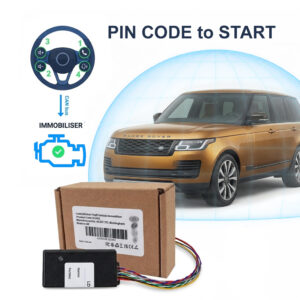
PIN CODE Car Immobiliser LockCar CAN-IMMO – Free Fitting
£299.00 £350.00
PIN CODE to START – NO PIN. NO START – LOCKCAR CAN-IMMO Immobiliser – Smart Advanced CAN Bus Vehicle Immobiliser – entering the PIN CODE each startup
App + Tag Immobiliser
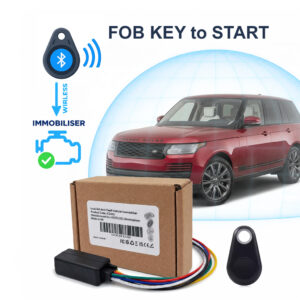
TAG FOB Car Immobiliser LockCar IC3262 TAG Immobiliser
£199.00 £250.00
TAG FOB KEY to START – NO FOB. NO START – LOCKCAR IC3262 Immobiliser – Smart Immobiliser – authorizes the car to start if it detects the fob…
Immobilisers + Dashcams for
Block the theft and record what happens around the car.
Dashcam + Immobiliser + App
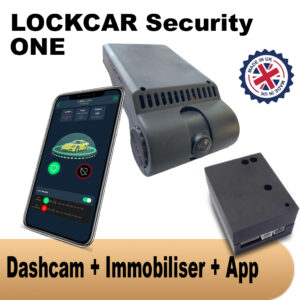
Dashcam + Immobiliser LockCar One – Free Fitting
£450.00 £550.00
LockCar ONE is a professional dash camera with 24/7 monitoring, SD recording, and smart immobiliser integration. Built for security, durability, and total control in the UK.
Dashcam + Immobiliser + App
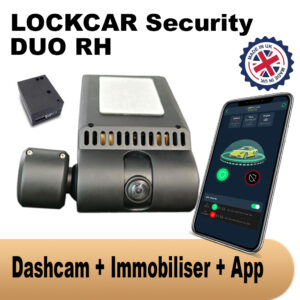
Dashcam + immobiliser Lockcar Duo Rh – Free Fitting
£550.00 £650.00
Local MCU system security. Power ON 24/7. Smart parking mode. Local car status, Immobilization, Local GPS Traking, Local Cameras Front + Driver. FREE UK INSTALLATION
4G Live Dashcams + Immobilisers for
Live view and alerts from anywhere, plus the engine block.
4G + Dashcam + Immobiliser + App
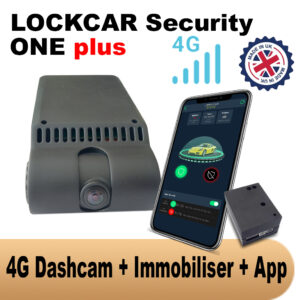
Dashcam + Immobiliser + Tracker LockCar One Plus 4G- Free Fitting
£499.00 £600.00
LockCar One Plus is 4G remote access and intelligent immobiliser. Designed for modern threats, this advanced anti-theft system allows you to monitor and control your car from anywhere,…
4G + Dashcam + Immobiliser + App
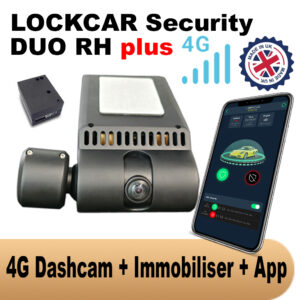
4G Daschcam + Immobiliser + Tracker Lockcar Duo Rh Plus 4G – Free Fitting
£699.00 £750.00
Remote access via 4g permanently. Power ON 24/7. Smart parking mode. Real-time car status, Immobilization, Real-time GPS Traking, Live Cameras Front + Driver. FREE UK INSTALLATION
Where should we fit it?
We come back with the theft method known for your model, what we would fit, the price with fitting, and the nearest slot to you. One message, no sales calls.
Got it – check your inbox
We have your registration and what you picked. We will come back to you shortly.
Message us on WhatsAppThe car you drive puts you in a risk category. Thieves don’t choose randomly – they target specific makes and models, in specific areas, using specific methods. Knowing which list you’re on is the first step to not being on the wrong side of that statistic.
This article draws on ONS crime data, ABI insurance statistics, and DVLA registration figures to give you the most accurate picture currently available of which vehicles are being stolen and why. We’ve also drawn on extensive owner forum research to show what the people who aren’t getting robbed are actually doing.
The scale of the problem in 2026
UK vehicle theft has been rising sharply since 2019, accelerating through 2023 and 2024. The numbers are stark.
What’s driving this acceleration isn’t an increase in opportunistic theft. It’s the professionalisation of relay attacks – the technology that allows thieves to steal a keyless car without ever touching the key. In 2019, relay attacks accounted for around 14% of UK vehicle thefts. By 2024, that figure had risen to more than 70%, according to ABI data.
The relay device costs less than £50. The car it steals is worth tens of thousands. And the technique requires no skill beyond following a two-person procedure that takes under 60 seconds. For a more detailed explanation of how relay attacks work, see our full guide: How relay attacks steal keyless cars in under 60 seconds →
Important context on the data: Official ONS figures capture reported thefts only. Actual theft rates are higher – many owners do not report, particularly when the vehicle is recovered quickly or when the theft is partial (e.g. catalytic converter theft, items stolen from inside). The trend direction, however, is unambiguous.
The most stolen cars in the UK – ranked
The following ranking is based on a combination of official data sources, insurer theft claims data from the ABI, and DVLA registration figures which allow theft rates to be adjusted for vehicle population. A Ford Fiesta appearing frequently in theft data partly reflects how common the car is – the figures below are weighted to show relative risk, not raw volume.
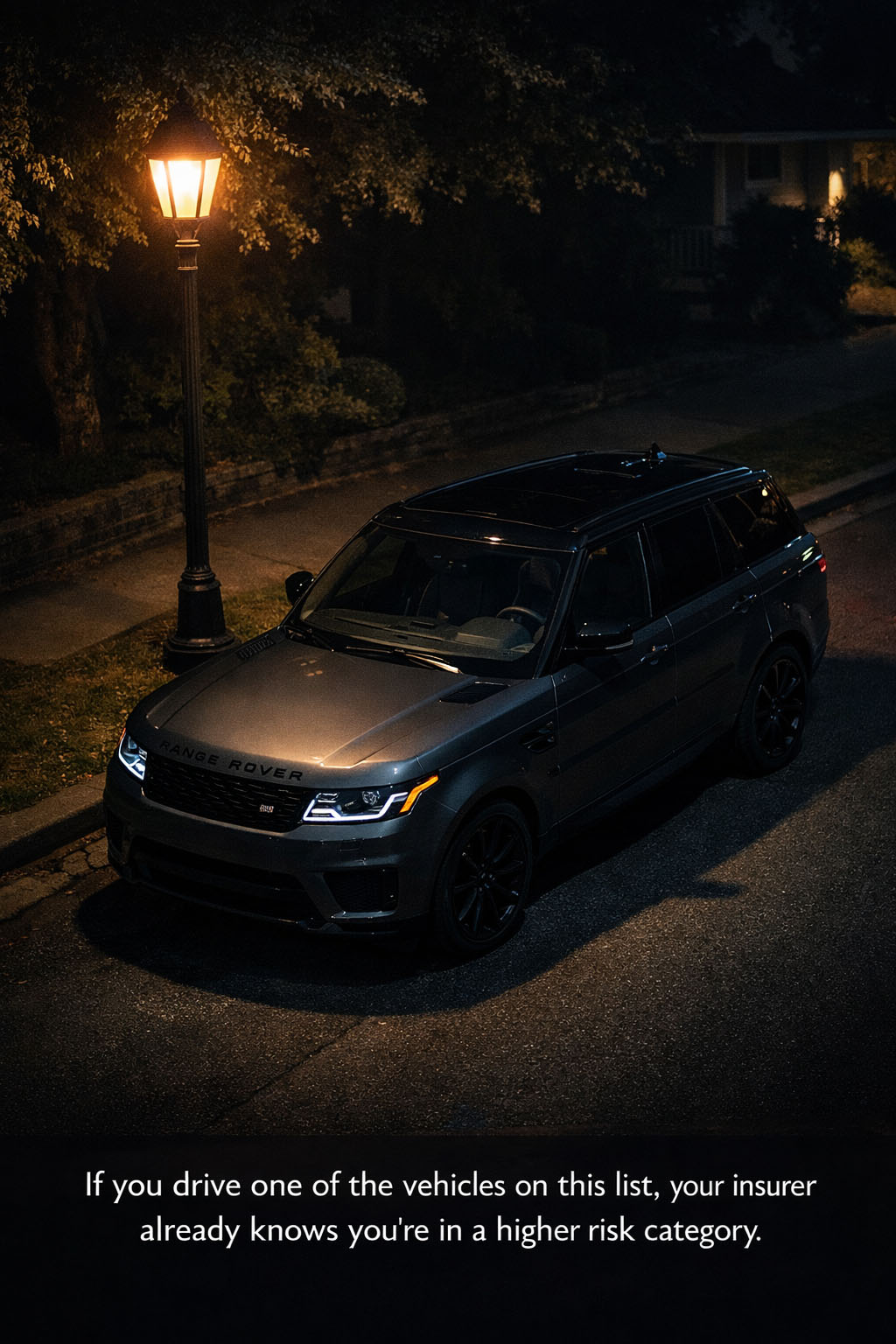
If you drive one of the vehicles on this list, your insurer already knows you’re in a higher risk category.
Why are these specific cars targeted?
The answer isn’t simply “they’re expensive.” Thieves are rational – they choose vehicles based on a combination of resale value, ease of theft, demand in grey export markets, and the availability of parts. Understanding their logic helps explain why some vehicles are disproportionately targeted.
Where in the UK is theft worst?
Vehicle theft is not evenly distributed. Urban density, port proximity, and organised crime network geography all create significant regional variation. If you live or park in a high-risk area, your base level of exposure is substantially higher than the national average – regardless of what you drive.
| Region | Risk level | Primary factor |
|---|---|---|
| London (all boroughs) | Critical | Highest theft volume nationally. East and North East London worst-affected. Professional gangs, dense target population, short export routes via Tilbury. |
| West Midlands | Critical | Birmingham consistently ranks second nationally. Strong organised crime network presence. Proximity to Birmingham Airport export routes. |
| Greater Manchester | High | Third highest nationally by volume. Salford and parts of Manchester city among worst boroughs. Trafford and Stockport also significantly affected. |
| West Yorkshire | High | Leeds and Bradford among the most affected northern cities. Rising year-on-year above the national average rate. |
| Essex / East of England | High | Port access at Tilbury and Felixstowe makes the region a final staging ground for export theft. High-value vehicle concentration in commuter belt. |
| South East (excl. London) | Above average | Affluent areas with higher-value vehicle concentration. Surrey, Kent, and parts of Hertfordshire disproportionately affected relative to population. |
| East Midlands | Above average | Nottingham and Leicester see above-average rates. Proximity to both Midlands criminal networks and East Coast ports. |
| South West / Wales / Scotland | Below average | Lower base rates but not zero. Rural areas see opportunistic thefts; urban centres (Bristol, Cardiff, Glasgow) maintain higher risk pockets. |
Worth knowing: thieves are not exclusively local. Organised relay attack teams operate nationally, travelling to specific postcodes to target identified vehicles. Knowing your region’s baseline risk is useful context – but the vehicle you drive and the security you fit matters more than your postcode alone.
What owners of at-risk cars are actually doing
Across UK automotive forums – PistonHeads, BMW forums, Evoque Owners Club, T6 Forum, and others – owners of the most targeted vehicles discuss security extensively. Here’s what the research reveals about which approaches are most commonly adopted, and what real owners report about their experience.
“I’ve got 7 mates who had their cars saved by a proper immobiliser – as far as I’m concerned it’s pretty damn good. Peace of mind is the thing.”
– BMW owner, UK automotive forum
“I had a unit fitted a couple of days after the break-in. 3 weeks later they came back – different blokes – and broke in again. But they couldn’t start it.”
– VW Golf R owner, PistonHeads
One owner calculated after his theft that the £2,700 he should have spent on security up front would have been cheaper than the five years of increased premiums that followed the claim.
– UK car owner, automotive forum
“I visit Birmingham, I park up, and I used to always wonder if it would still be there when I got back. That feeling is gone now.” – Range Rover owner, Evoque Owners Club
What actually works – and what doesn’t
Here is an honest assessment of the most commonly recommended security measures, based on what owners report and what the theft data tells us.
A professionally fitted aftermarket immobiliser
A second authorisation layer that operates independently of the key system. The relay attack can copy your key signal perfectly and still get nowhere, because the car is waiting for something the attacker doesn’t have. What matters is that the method is chosen for your specific vehicle – CAN bus, LIN bus, ADC or a physical relay cut, often layered. Full explanation here: CAN bus, LIN bus, ADC and relay →
GPS tracking with remote immobilisation
Won’t prevent theft, but dramatically improves recovery odds and allows remote response. The LockCar ONE Plus combines GPS+GLONASS, live camera, and remote immobilisation in one device – so you can act the moment an alert fires, not the next morning when you discover the car is gone.
Faraday pouches / key signal blockers
Effective when used consistently. Prevents relay amplification of the key fob signal. The weakness is human compliance – a key left on a hallway hook or kitchen counter for even a few minutes is a window thieves can exploit. Useful as a layer, not as a sole defence.
Steering wheel locks / physical deterrents
Visible deterrents do reduce the probability of your specific car being chosen – thieves prefer easy targets. A wheel lock on a car parked next to an unprotected car of the same model will divert most opportunistic attempts. For the most targeted vehicles this is best treated as a supporting measure alongside something that also addresses the engine start.
CCTV and driveway cameras
Strong deterrent and useful evidence post-theft. Most relay attack teams are aware of cameras and use face coverings. Good footage rarely leads to recovery in time – stolen vehicles are in containers within hours of a theft in organised operations. Cameras work better as deterrents than as recovery tools.
Factory security alone
As established: factory immobilisers and keyless entry systems were not designed to defeat relay attacks. 70% of UK thefts currently use this method specifically because factory security does not prevent it. Relying on factory security for a vehicle on the most-stolen list is a documented risk, not a theoretical one.
Changing to manual key / disabling keyless
Some owners attempt to disable keyless entry on vehicles that support it. This works as a theft prevention method but varies significantly by manufacturer and often requires dealer involvement. It also removes convenience features permanently. Worth investigating for high-risk vehicles if other measures are already in place.
Recommended protection by vehicle type
Based on theft risk, vehicle value, and the specific characteristics of each vehicle class, here are LockCar’s recommendations for owners of the most targeted vehicles in the UK. In every case the integration method is specified for your exact make, model and year.
| Your vehicle | Recommended LockCar product | Why |
|---|---|---|
| Range Rover, Defender, Discovery | ONE Plus (£199) | Night auto-immobilise, GPS tracking, live camera. These vehicles are stolen to order – they need maximum protection including remote monitoring. |
| BMW 3, 5 Series, X5, M models | IS357 (£149) or ONE Plus | Tightly specified electronic platforms – integration validated per model and year. IS357 adds 5m proximity range and smartwatch support. |
| Mercedes C, E Class, GLE, AMG | IC3ST (£139) or IS357 | Standalone, no MCU required. IC3ST covers most owners well; IS357 for higher-value models or owners wanting wider detection range. |
| Ford Transit / Transit Custom | IC3ST (£139) or ONE (£199) for fleet | IC3ST for single operators. ONE adds dashcam and fleet visibility for operators running multiple vans. Works on 12/24V. |
| Lexus RX, NX, IS | IC3ST (£139) | Compatible with hybrid drivetrains. Operates on the 12V auxiliary side, independent of hybrid power management. |
| Toyota Land Cruiser, HiLux, Prius | IC3ST (£139) or IS357 | Land Cruisers: ONE Plus for GPS to assist recovery if stolen. Prius: IC3ST for a robust standalone layer independent of the hybrid system. |
| VW Golf, Audi Q5, Porsche, Volvo | IC3ST (£139) | European platforms with well-documented profiles. We validate the integration point per vehicle and verify diagnostics after fitting. |
| Fleet (5+ vehicles) | ONE + ONE Plus | Full fleet platform: live GPS, dashcam evidence, driver monitoring, remote immobilisation. One supplier, one training session, one relationship. |
LockCar – UK-made immobilisers from £139
Designed, built and supported by our own engineering team, with more than twenty years each in automotive electronics. CAN bus, LIN bus, ADC and relay. Works on cars, vans, HGVs, hybrids, and EVs. Professional installation included – we come to you.
See the full range → WhatsApp for a free quotefrom £300 fitted
The bottom line
If you drive a Range Rover, BMW, Mercedes, Transit, or Lexus – and you don’t have an aftermarket immobiliser fitted – you are operating with security that was explicitly not designed to stop the method responsible for 70% of UK vehicle thefts.
The cost of fitting an immobiliser professionally is £300–500 depending on the product. The cost of a stolen vehicle – in insurance impact, excess, premium increases, loss of no-claims bonus, and the disruption of being without a vehicle – runs into thousands for most owners, and tens of thousands for some.
The maths are not close. And the peace of mind – the ability to park anywhere, sleep without checking the cameras, leave the car at an airport for a week without worry – that’s not quantifiable at all.
Not sure which product is right for your vehicle? Send us a WhatsApp with your make and model – our engineers will tell you which method we would fit, why, and what it costs. No forms. No call centres. The team who build the range, responding directly.