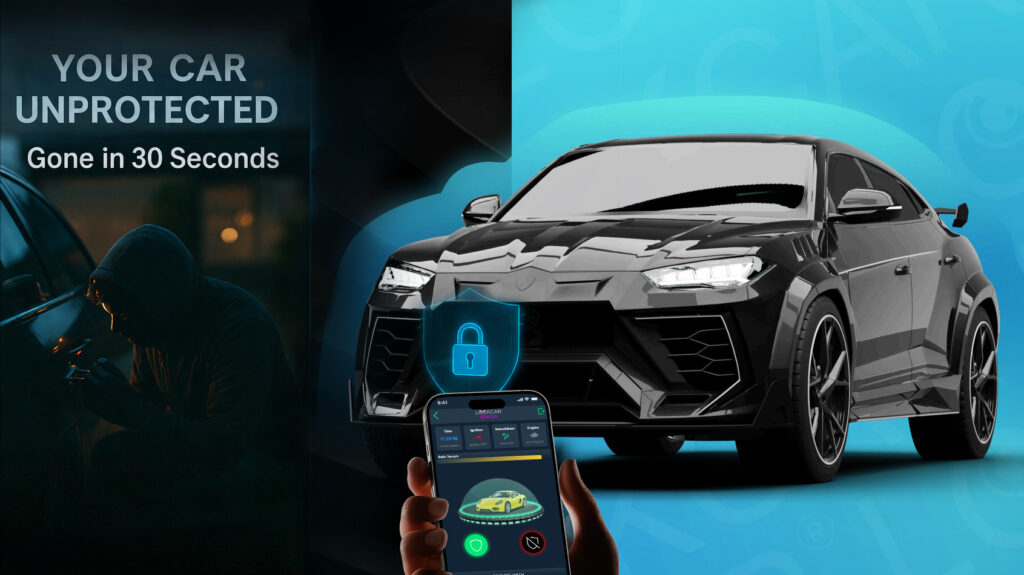
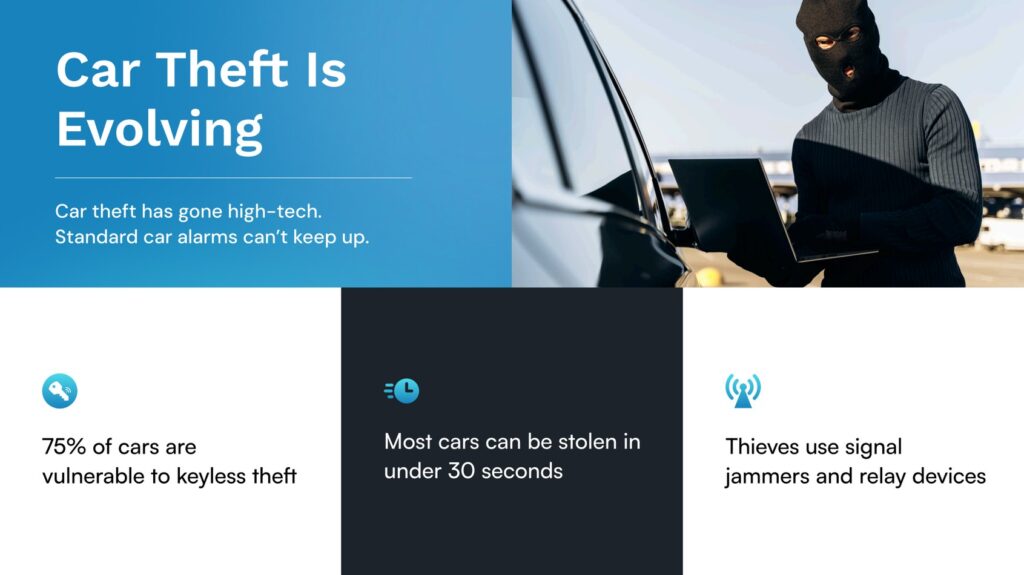
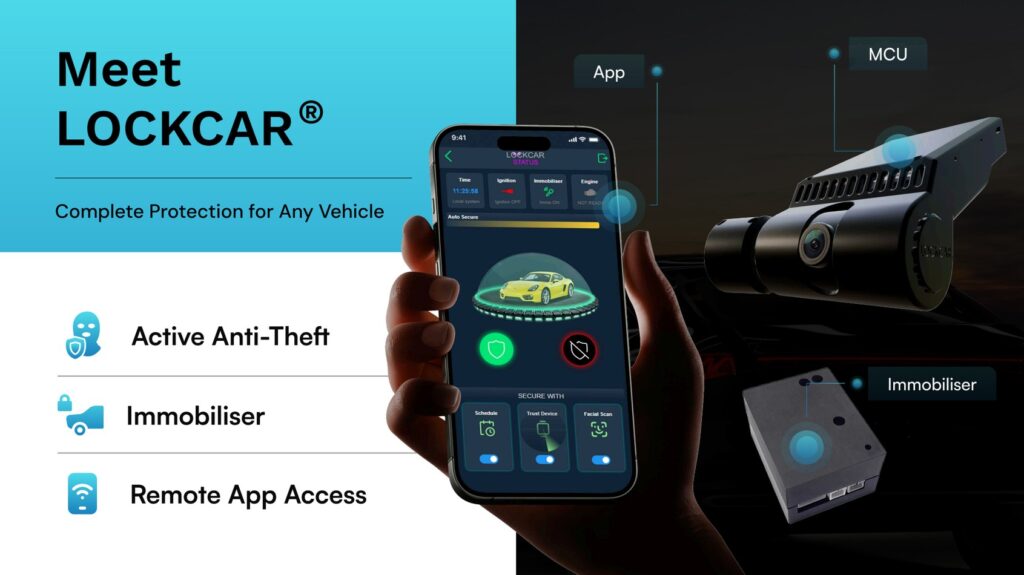
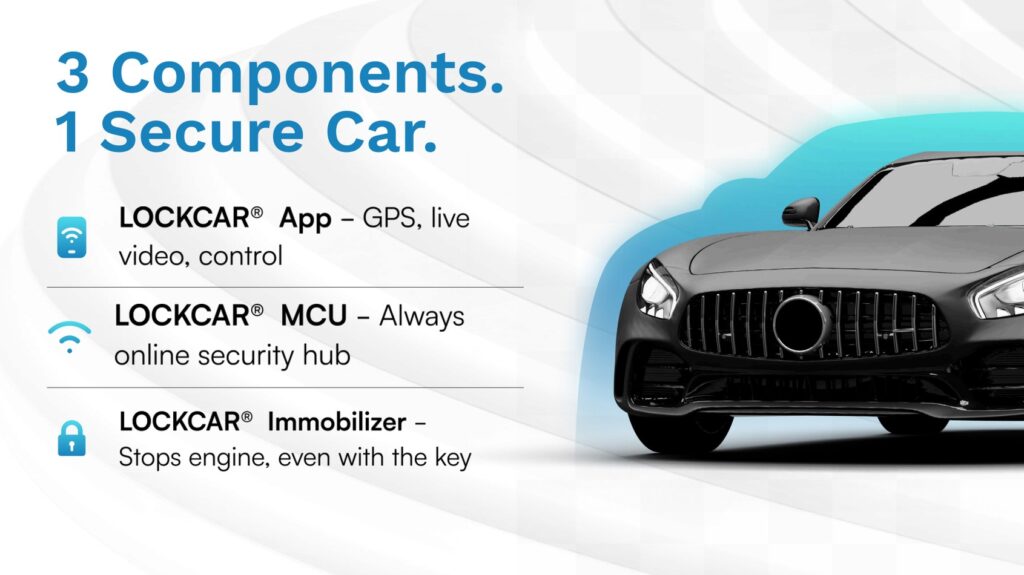
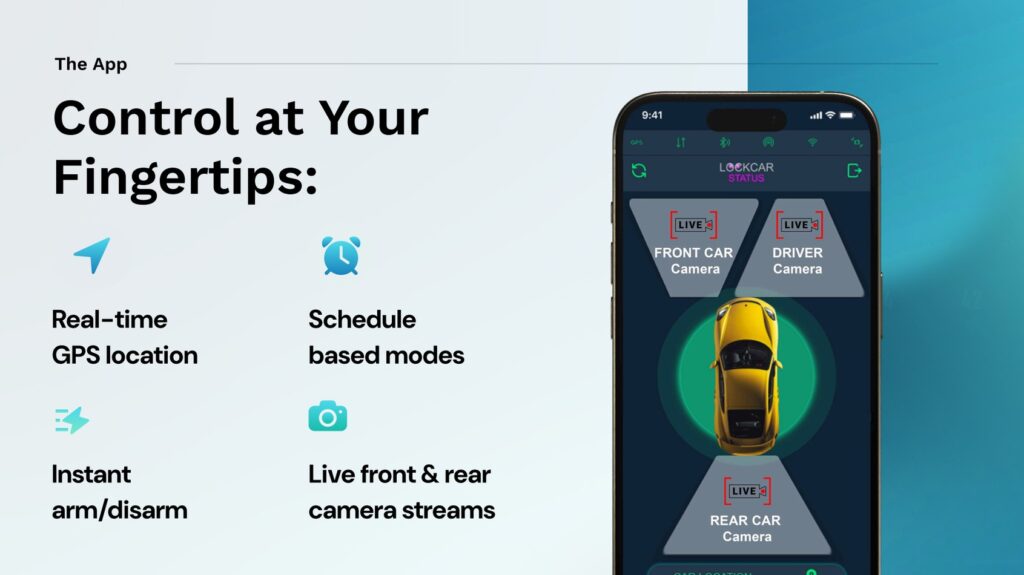
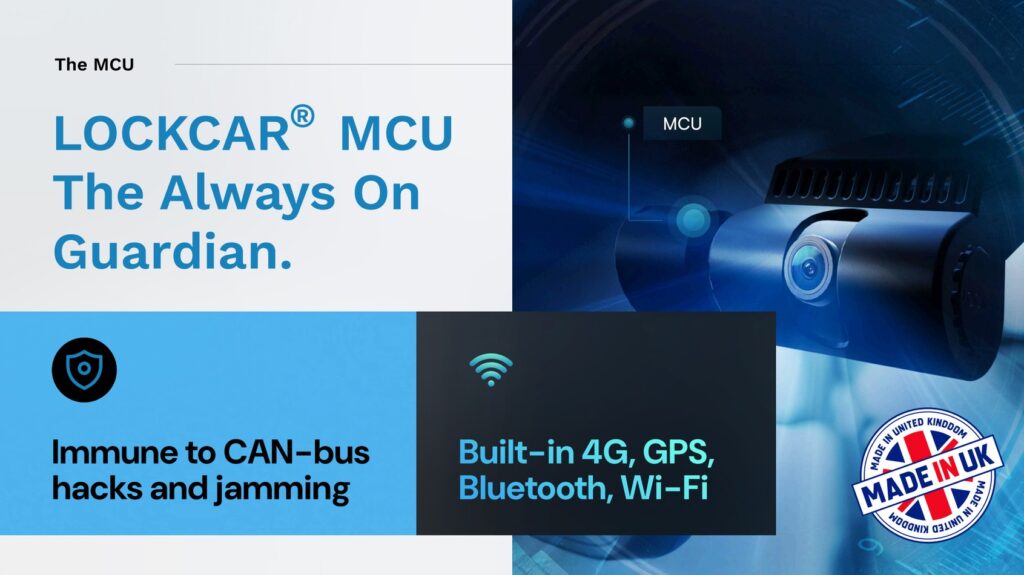
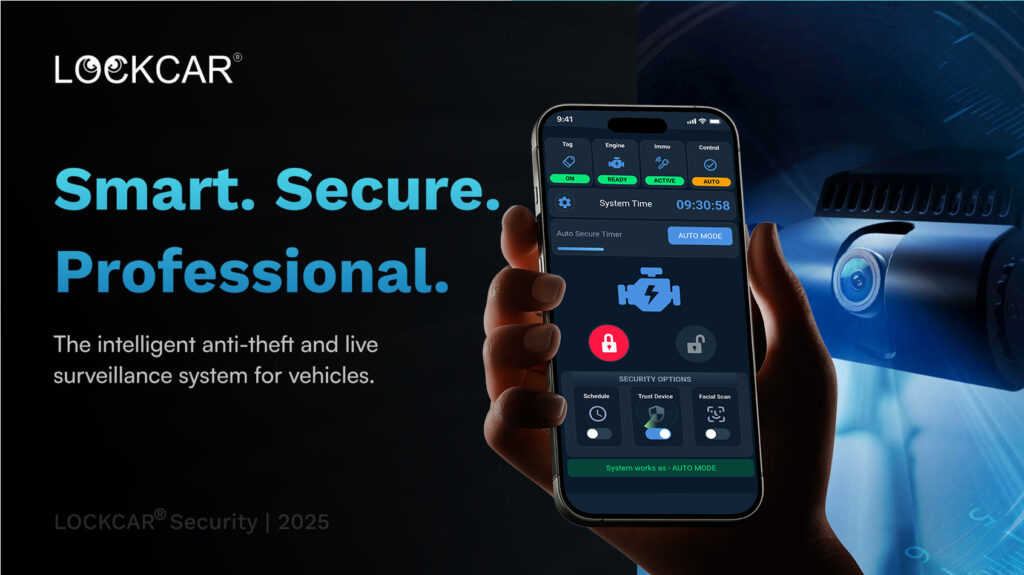
YOUR CAR
CAN BE STOLEN
in under 60 seconds with no alarm triggered
Does Driver Behaviour Tracking Reduce Accidents? What UK Drivers Should Know
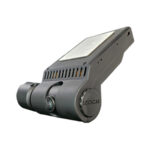
LockCAR is a UK vehicle security manufacturer. We build CAN bus immobilisers, GPS trackers and 4G dashcams, and our LFM Fleet Monitoring Platform gives businesses the driver behaviour data this question turns on. This page explains what the evidence really shows, how tracking works alongside coaching, and what it means for you whether you run a fleet or just want your own car protected.
Want yours fitted? Book an installer on WhatsApp- UK-made security
- No subscription on immobilisers
- Fitted at home or work
What driver behaviour tracking actually measures
Tracking is not a camera watching you. It is a small set of sensors and GPS data that turns driving into numbers a manager can act on.
- Harsh braking
- Every time you brake harder than a set threshold, it is logged with the speed and location. High rates usually point to following too closely or not reading the road ahead.
- Rapid acceleration
- Hard pull-aways burn fuel and suggest an aggressive style. They are also a common marker for drivers who have more collisions.
- Speeding
- Recorded against the road’s limit, not just a raw speed. This is the behaviour most directly linked to crash severity.
- Idling
- Time stationary with the engine running. It is a fuel and emissions cost rather than a safety one, but it is easy to fix and it builds trust in the data.
- Journey history
- Route, time and distance for every trip, exportable from the dashboard. Useful for scheduling, proof of attendance and insurance discussions.
- Geofencing and out-of-hours alerts
- You set the boundary and the hours. If a vehicle moves when it should not, you know about it.
How tracking turns into fewer accidents
The data on its own changes nothing. The reduction comes from what a manager does with it next.
Collect the behaviour data
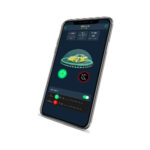
LFM builds a weekly report for each driver: harsh braking rate, rapid acceleration rate, speeding incidents and idle time. It is automatic, so nobody has to chase it.
Have a specific conversation
“You braked harshly 4.2 times per 100 km last week; the fleet average is 1.8” lands very differently from “drive more carefully”. Specific, objective feedback is what changes behaviour, because the driver can see exactly what to work on.
Review, repeat and show the trend
Sort drivers by any metric, coach the ones who need it, and watch the numbers fall over the following weeks. Falling harsh-event rates are the leading indicator you can show an insurer or a board.
Does it help with fleet insurance?
It can, and the effect is growing, but the mechanism matters.
UK fleet insurers are increasingly willing to treat telematics data as evidence that a safety programme is real rather than a folder on a shelf. Turn up to a renewal with LFM reports showing a falling accident rate, falling harsh-event rates and a written record of coaching interventions, and you are making a risk-reduction case with numbers instead of assertions. Some specialist fleet insurers have gone further and use telematics data directly in pricing, rewarding fleets with low harsh-event rates.
Two honest caveats. First, LockCAR does not sell insurance and cannot promise any premium reduction. Second, data cuts both ways: if your reports show a worsening trend, an insurer can see that too. The point of tracking is to find problems early enough to fix them. Read more on driver behaviour scoring and UK fleet insurance.
LockCAR is not Thatcham approved, and we are not endorsed by any insurer or police force. Our CAN immobilisers are going through Thatcham Security Certification, and we will publish the details when a certificate is issued.
What tracking does and does not do
It does
- Give you objective, per-driver behaviour data
- Show you where to focus coaching
- Provide journey history you can export
- Support a risk case at insurance renewal
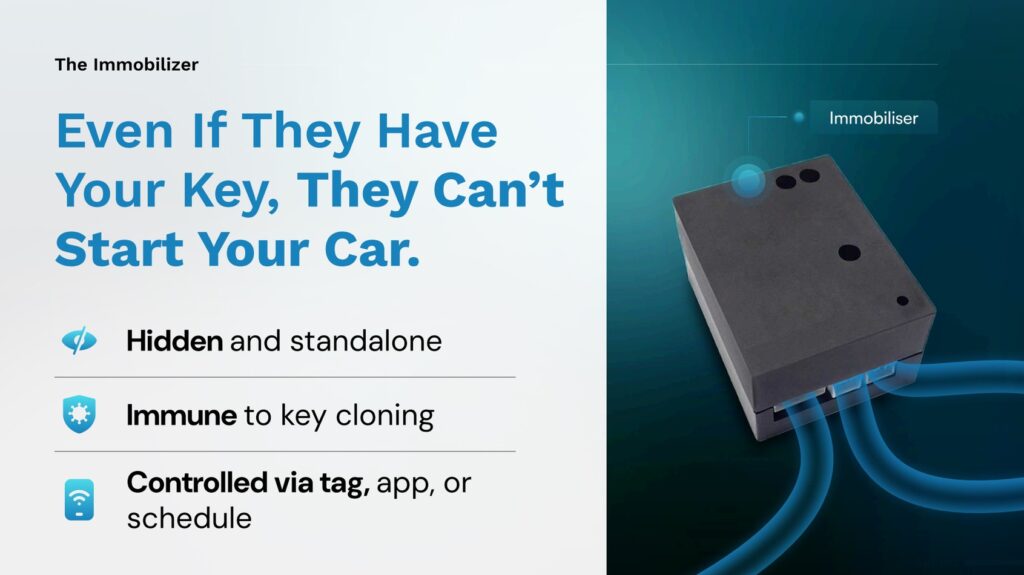
- Allow remote immobilisation on compatible LockCAR 4G dashcam systems
It does not
- Reduce accidents on its own, without coaching
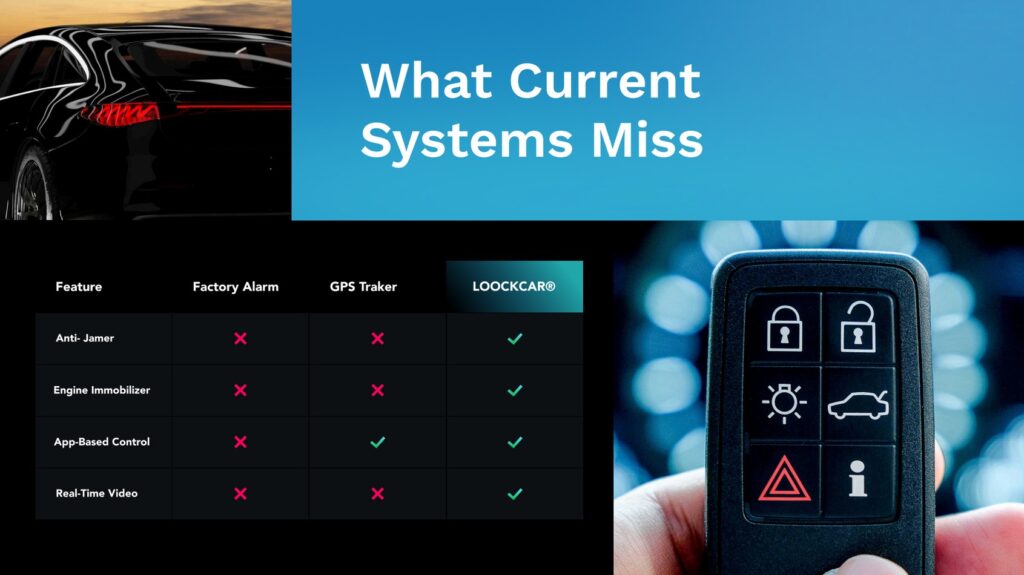
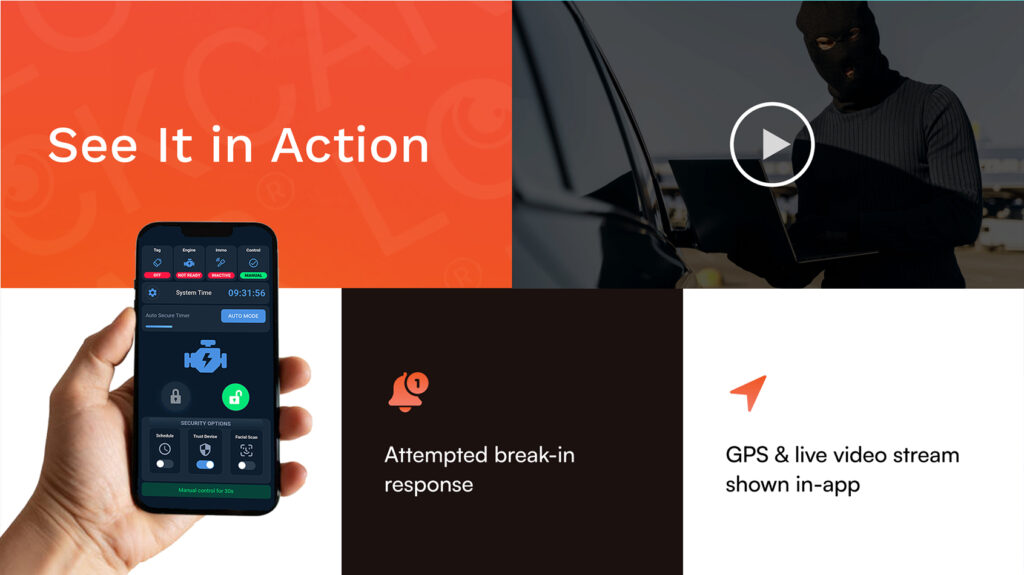
- Stop a car being stolen by relay attack
- Replace a physical immobiliser
- Guarantee a lower insurance premium
- Make you Thatcham or police approved
If what you actually want is to protect your own car
Driver behaviour tracking is a fleet safety tool. Theft prevention is a different job, and it needs a different product.
| System | What it does | Best for | Price from |
|---|---|---|---|
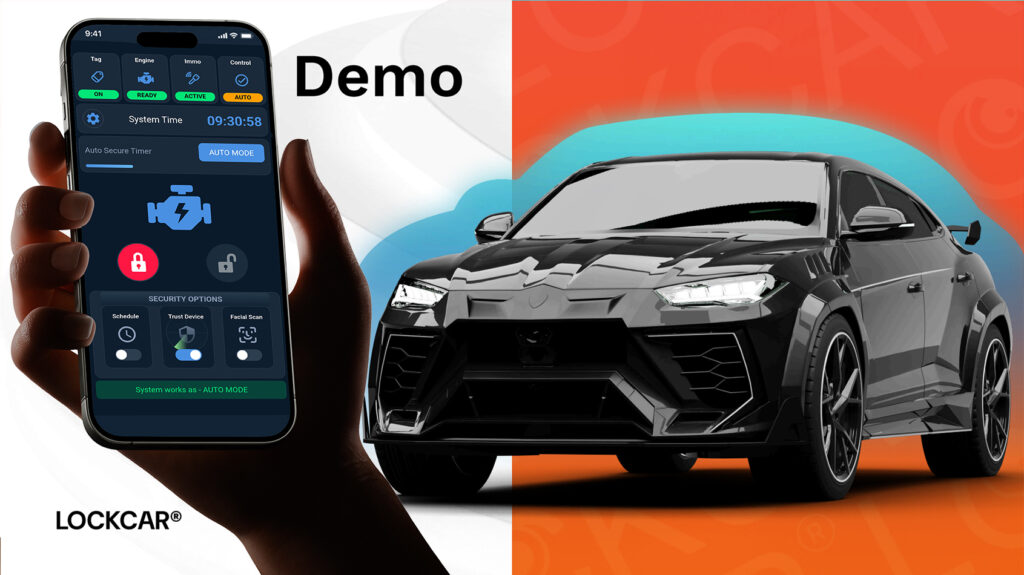
| Fob (TAG) immobiliser, IC3262 | Engine stays blocked until you carry the TAG | Everyday theft protection | £139 kit |
| PIN code immobiliser | Enter your sequence on the steering wheel buttons | Drivers who want no fob to lose | £189 kit |
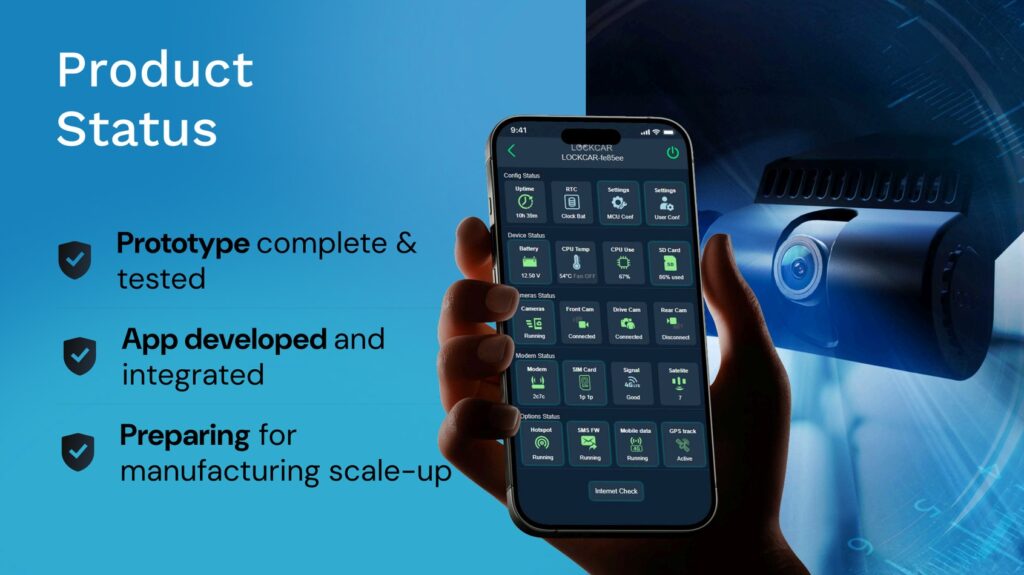
| LockCar One Plus 4G | Dashcam, immobiliser and GPS tracker in one | Drivers who want footage and location too | £499 fitted |
| LockCar Duo RH Plus 4G | Dual-camera 4G dashcam, immobiliser and GPS tracker | Fleets wanting front and rear footage | £699 fitted |
If you run five or more vehicles and want the behaviour data as well, the LockCar 4G dashcam and immobiliser range feeds LFM. Fleet pricing is on request.
Questions drivers and fleet managers ask
Does driver behaviour tracking actually reduce accidents?
Yes, when it is paired with coaching. Tracking on its own just produces data. The accident reduction comes from managers using that data to have specific, evidence-based conversations with drivers about harsh braking, rapid acceleration, speeding and idling. Fleets that combine tracking with structured coaching consistently report fewer collisions than fleets that rely on policy alone.
What driving behaviours does LockCAR’s LFM platform track?
LFM reports harsh braking, rapid acceleration, speeding and idling. It also records journey history with route, time and distance that you can export, and it supports geofencing and movement alerts outside set hours.
Do I need a dashcam as well as tracking?
A dashcam gives context. When LFM flags a harsh braking event, camera footage from a compatible LockCAR 4G dashcam system lets you see whether the driver could have avoided it or was reacting to a hazard. That makes coaching fairer and more precise.
Will my fleet insurance premium go down if I use tracking?
It can. Some specialist fleet insurers now use telematics data directly in pricing, and others accept behaviour reports as evidence of a serious safety programme. Talk to your broker with your LFM reports in hand. LockCAR does not sell insurance and cannot promise a premium reduction.
Can I use driver behaviour tracking on my own car?
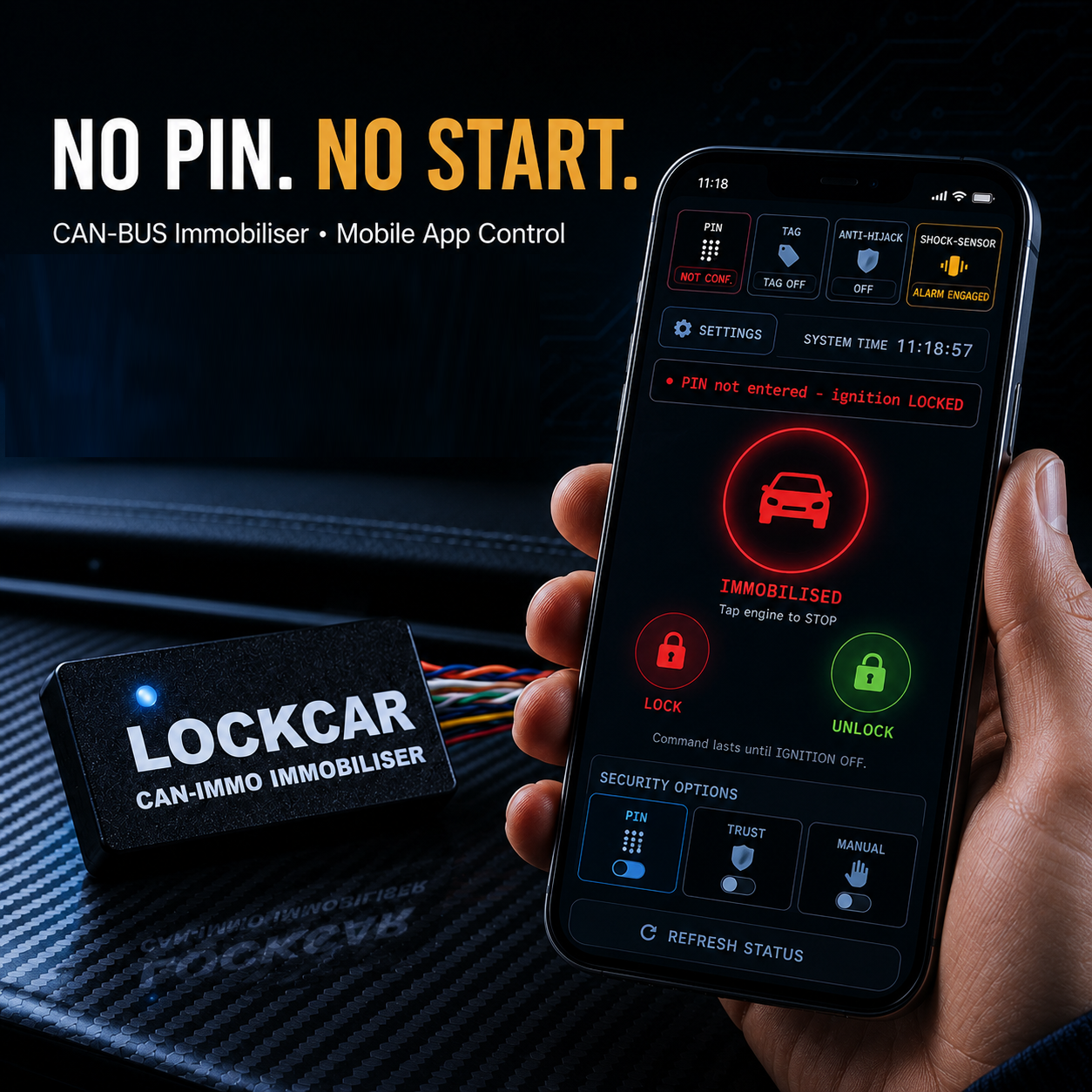
LFM is built for businesses running five or more vehicles. If you are a private driver who wants to protect your car, a LockCAR CAN bus immobiliser is the more direct answer: the engine stays blocked until you prove it is you.
How much does LockCAR’s LFM platform cost?
Fleet pricing is on request because it depends on vehicle count and which LockCAR hardware you run. Message us on WhatsApp with your fleet size and we will quote you.
Is LockCAR Thatcham approved?
Not yet. Our CAN immobilisers are going through Thatcham Security Certification, and we will publish the details when a certificate is issued.

Written by the LockCAR engineering team. We design and build our immobilisers in the UK and fit them through our approved installers. Meet the engineers. Last updated .