

Vehicle security from
£199
Enter car's registration plate number to find the right LockCar security option
We could not pull the details automatically. Fill these in and we will carry on — it only takes a few seconds.
- Free, no obligation
- Fitted, not posted
- 12 months hardware warranty
Showing sample data — add your MOT History API credentials in the plugin settings to return real vehicles.
MOT history
Pick the level of protection
Every option is fitted by an approved installer. Choose one to see the exact devices.
Immobilisers only for
Hidden engine block. Nothing to see, nothing to record.
CAN BUS Immobiliser
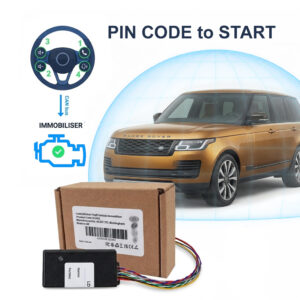
PIN CODE Car Immobiliser LockCar CAN-IMMO – Free Fitting
£299.00 £350.00
PIN CODE to START – NO PIN. NO START – LOCKCAR CAN-IMMO Immobiliser – Smart Advanced CAN Bus Vehicle Immobiliser – entering the PIN CODE each startup
App + Tag Immobiliser
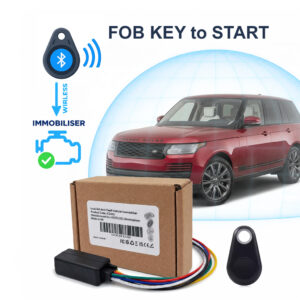
TAG FOB Car Immobiliser LockCar IC3262 TAG Immobiliser
£199.00 £250.00
TAG FOB KEY to START – NO FOB. NO START – LOCKCAR IC3262 Immobiliser – Smart Immobiliser – authorizes the car to start if it detects the fob…
Immobilisers + Dashcams for
Block the theft and record what happens around the car.
Dashcam + Immobiliser + App
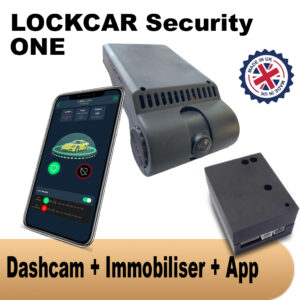
Dashcam + Immobiliser LockCar One – Free Fitting
£450.00 £550.00
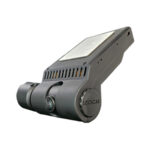
LockCar ONE is a professional dash camera with 24/7 monitoring, SD recording, and smart immobiliser integration. Built for security, durability, and total control in the UK.
Dashcam + Immobiliser + App
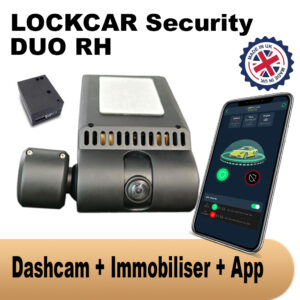
Dashcam + immobiliser Lockcar Duo Rh – Free Fitting
£550.00 £650.00
Local MCU system security. Power ON 24/7. Smart parking mode. Local car status, Immobilization, Local GPS Traking, Local Cameras Front + Driver. FREE UK INSTALLATION
4G Live Dashcams + Immobilisers for
Live view and alerts from anywhere, plus the engine block.
4G + Dashcam + Immobiliser + App
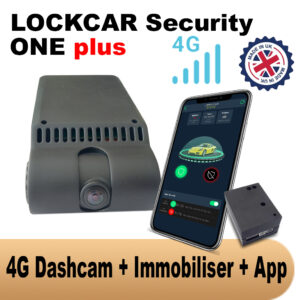
Dashcam + Immobiliser + Tracker LockCar One Plus 4G- Free Fitting
£499.00 £600.00
LockCar One Plus is 4G remote access and intelligent immobiliser. Designed for modern threats, this advanced anti-theft system allows you to monitor and control your car from anywhere,…
4G + Dashcam + Immobiliser + App
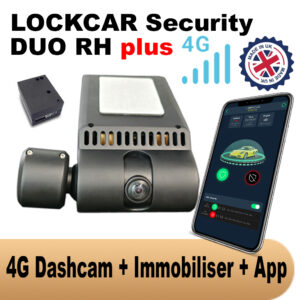
4G Daschcam + Immobiliser + Tracker Lockcar Duo Rh Plus 4G – Free Fitting
£699.00 £750.00
Remote access via 4g permanently. Power ON 24/7. Smart parking mode. Real-time car status, Immobilization, Real-time GPS Traking, Live Cameras Front + Driver. FREE UK INSTALLATION
Where should we fit it?
We come back with the theft method known for your model, what we would fit, the price with fitting, and the nearest slot to you. One message, no sales calls.
Got it – check your inbox
We have your registration and what you picked. We will come back to you shortly.
Message us on WhatsAppWhat to Do If Your Car Is Stolen in the UK: a step-by-step guide
The exact steps in the right order: police, insurance, DVLA, personalised plates, vehicle tax refunds, and what happens if your car is recovered. Based on current GOV.UK guidance.
- 1 Call 999 if the theft is happening now or you feel unsafe. Call 101 for everything else.
- 2 Get a crime reference number from the police. You need it for your insurer and the DVLA.
- 3 Call your insurer. Most have a 24-hour claims line. Have your policy number ready.
- 4 If your car has a GPS tracker, share its live location with the police straight away.
- 5 Save any doorbell, CCTV or dashcam footage before it is overwritten.
Discovering your car has gone is disorienting. But the steps you take in the first few hours matter – for the chance of getting it back, for your insurance claim, and for avoiding paperwork problems that can drag on for weeks.
This guide covers every step in the right order, based on GOV.UK guidance. It also covers the less obvious parts: keeping a personalised plate, claiming vehicle tax back, and what happens legally when your insurer pays out.
Car theft is common in the UK. What Car?’s analysis of DVLA data put the figure at around 150 cars stolen every day in 2025, and QuestGates’ analysis of DVLA data found that around 44.9% of stolen cars were recovered that year. That still leaves more than half never returned – which is why acting quickly matters.
Before you call anyone: check it has actually been stolen
Take two minutes to rule out the most common non-theft explanations. It saves you, and the police, time.
If none of these explain it, treat the car as stolen and move to Step 1.
Report it to the police
Report the theft to the police first. Without a crime reference number you cannot make an insurance claim or apply for a tax refund.
If the theft is happening now or you are in danger, call 999. Otherwise – the usual situation, where you discover the car is gone in the morning – call 101 and ask for your local police, or report online through your police force’s website.
Have this ready: registration number, make, model and colour; where the car was parked; when you last saw it; any distinguishing features; and whether it has a GPS tracker. If a doorbell camera, CCTV or dashcam may have captured the theft, tell the call handler.
You will be given a crime reference number. Write it down and keep it safe. According to GOV.UK, the police will tell the DVLA about the theft, and again if the vehicle is found.
If thieves left anything behind – tools, clothing, broken parts – don’t touch it without gloves. It may carry fingerprint or DNA evidence. Tell the police and follow their instructions.
Police may not attend in person, especially for overnight thefts with no witnesses. That is normal. Your report is still logged and the car is flagged as stolen, so automatic number plate recognition (ANPR) cameras can pick it up if it passes one.
Contact your insurer
Call your insurer as soon as you have your crime reference number. Most run 24-hour claims lines – the number is in your policy documents.
Have ready: your policy number, crime reference number, registration, and when and where the theft happened. Mention any footage or other evidence.
Comprehensive and third-party, fire and theft (TPFT) policies cover theft. Third-party-only policies do not.
What your insurer is likely to do next
Most insurers wait a set period – often around 30 days, but it varies by policy – before settling, in case the car is found. Depending on your cover, you may get a courtesy car during this time; check your policy, as not all include one for theft.
If the car is not found, the insurer will usually offer its market value at the time of the theft – not what you paid for it.
No-claims bonus: a theft claim will usually affect your no-claims discount unless it is protected. Check your policy before assuming it won’t.
Tools and belongings inside the car
Motor policies often cover little or nothing for personal belongings and tools. These usually fall under home contents insurance or a separate tools policy for tradespeople, so check those policies and claim separately if covered.
Keep your personalised number plate
If your car has a private (personalised) registration number you want to keep, deal with it before you tell the DVLA the car now belongs to your insurer. Once you have told the DVLA you no longer own the vehicle, you cannot get the number back.
According to GOV.UK, you should apply as soon as the vehicle is stolen, and within 2 years and 6 months of the DVLA being told about the theft. You can only apply by post, and it costs £80.
You can only keep the number if: you reported the theft to the police, and the car had a valid MOT and up-to-date vehicle tax when it was stolen. You need to send: form V317, the V5C log book (or the green ‘new keeper’ slip with a completed V62 form), and the £80 fee.
If the car is found, you can put the number on another vehicle straight away, as long as you apply before the stolen car is sold or scrapped. If it is not found, you must wait 6 months before transferring the number to another vehicle.
Tell the DVLA if your insurer pays out
When your insurer pays out, the car legally becomes theirs, and you must tell the DVLA. You can do this online on GOV.UK, or fill in the yellow ‘sell, transfer or part-exchange your vehicle to the motor trade’ section of your V5C and post the perforated section to the DVLA with a letter saying when the payment was accepted and giving your insurer’s details. Give the rest of the V5C to your insurer.
If your insurer asks for the whole V5C, send the DVLA a letter instead with the insurer’s details, the claim date, your registration, the car’s make, model and colour, and your signature.
Private plate? Complete Step 3 first. If you tell the DVLA you have sold the car to your insurer before retaining the number, you lose it.
DVLA vehicle enquiries: 0300 790 6802. Check gov.uk/contact-the-dvla for current opening hours.
Get your vehicle tax refund
Once the DVLA knows you no longer own the car, your vehicle tax is cancelled and any Direct Debit stops automatically. You will be sent a refund for any full months left, calculated from the date the DVLA receives your information, to the name and address on the log book – so make sure your address is up to date.
Private plate you are keeping? The refund is not automatic. Contact the DVLA for form V33, fill it in with your crime reference number and send it back.
If your car is recovered
If the police find your car, they will contact you. It may be held for forensic examination first, and you will be told when and where you can collect it.
Before you drive it
Have it checked by a garage before you drive it. Thieves often tamper with locks, ignition and wiring to start a car without the key, and that can affect safety systems.
Tell your insurer straight away. If they have already started paying out, or the car is found mid-claim, ask them exactly how they want to proceed.
If it comes back damaged
Comprehensive and TPFT policies should cover theft damage. If repairs would cost more than the car is worth, the insurer may write it off and pay market value. Report all damage before arranging any repairs yourself.
The steps you take in the first hour affect both your chance of recovery and your insurance claim.
If your car is not recovered
If the car isn’t found within the insurer’s waiting period, they will make a settlement offer. Before accepting, check it against similar cars for sale – same make, model, year, mileage and condition – on sites such as Auto Trader. If the offer looks low, ask for it to be reviewed and send them your evidence.
Once you accept and are paid, complete Step 4 with the DVLA. The car legally belongs to the insurer from that point, even if it is never found.
Many stolen cars that are never recovered are broken for parts, shipped abroad or given a false identity. Organised gangs move quickly, which is why the first hours matter – and why a live GPS tracker gives police the best chance of reaching the car first.
How to stop it happening again
Going through a car theft once is a powerful reason to protect the next one. If your next car has keyless entry, the single most effective step is a hidden aftermarket immobiliser fitted before it is parked on your driveway.
Most keyless thefts use a relay attack: thieves pick up your key’s signal from inside the house, trick the car into thinking the key is present and drive away in about a minute. A relay immobiliser physically breaks a circuit the engine needs, and only closes it for your own tag or app – so a relayed signal alone is not enough.
Read more:
- Car theft prevention: how thieves steal cars and how to stop them
- How relay attacks steal keyless cars in under 60 seconds
- CAN bus vs relay immobilisers – why the difference matters
- The complete car immobiliser buyer’s guide for UK drivers
LockCar relay immobilisers, fitted at your door
Hidden relay circuit cut. No connection to the car’s CAN bus. Hands-free proximity tag and app control. Works on cars, vans, EVs, HGVs and motorhomes.
View the IC3ST (£139) WhatsApp for a free quotefitting quoted upfront
Quick-reference checklist for a stolen car
Questions and answers
Who do I call first if my car is stolen?
The police. Call 999 if the theft is happening now or you are in danger, otherwise call 101 or report online. You need the crime reference number before you can claim on your insurance.
Do I need to tell the DVLA my car has been stolen?
The police tell the DVLA about the theft. You need to contact the DVLA yourself when your insurer pays out, to record that the car now belongs to them – and before that, if you want to keep a personalised number plate.
How long does an insurer take to pay out for a stolen car?
Most insurers wait a set period, often around 30 days, to see whether the car is recovered before settling. Check your policy for the exact terms.
Can I keep my private number plate if my car is stolen?
Usually yes, if you reported the theft to the police and the car had a valid MOT and vehicle tax when it was stolen. Apply by post with form V317 and the £80 fee before telling the DVLA the car has been sold to your insurer.
Will I get my vehicle tax back?
Yes, for any full months remaining. The refund is automatic once the DVLA knows you no longer own the car. If you are keeping a private plate, you need to apply using form V33.