




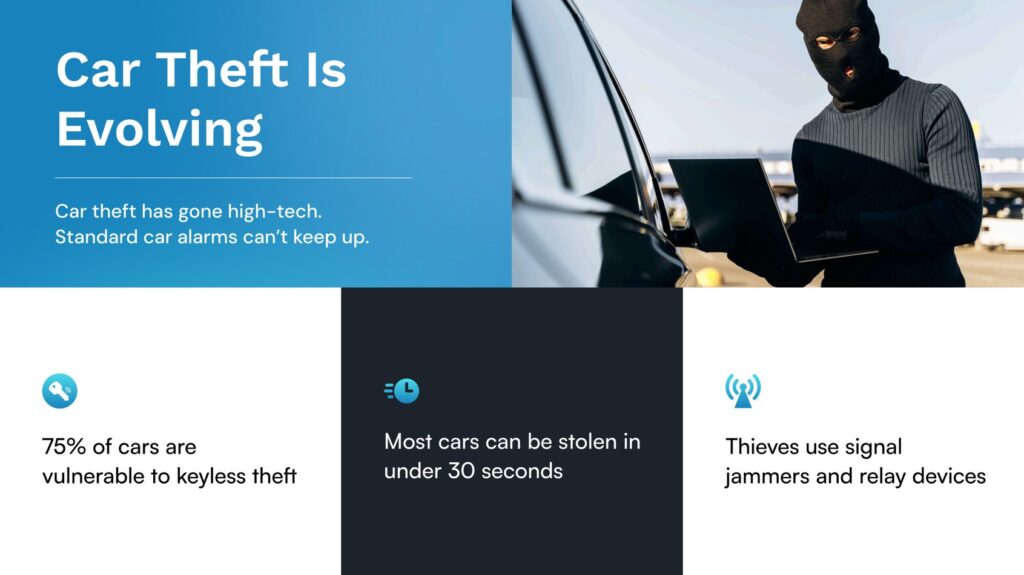





YOUR CAR
CAN BE STOLEN
in under 60 seconds with no alarm triggered
Fleet tracking for waste and skip hire operators: what actually changes in 2026 and 2027
Two things are worth your attention this year, and neither is the generic case for GPS. Digital waste tracking becomes mandatory for receiving sites this October and reaches carriers in October 2027. And if you run skip hire rather than household collection, you are probably not covered by the drivers’ hours exemption that most people in waste assume applies to them.
Digital waste tracking: the dates that matter to you
The Digital Waste Tracking Service exists under Section 58 of the Environment Act 2021. It replaces paper waste transfer notes and hazardous waste consignment notes with a single central record that regulators can query directly. The Environment Agency’s stated driver is waste crime, which it estimates costs the UK around a billion pounds a year.
The public beta went live on 28 April 2026. From October 2026 it becomes legally required for permitted and licensed waste receiving sites in England, Wales and Northern Ireland, with Scotland following in January 2027. Carriers, brokers and dealers are brought in from October 2027, and that is the phase that matters if you run collection or skip hire vehicles, because it is the point at which the transport leg of every movement becomes a digital record rather than a piece of paper in a cab.
Two practical notes that are easy to miss. Waste transfer notes still have to be completed as normal alongside the new service for now, so this is an addition rather than a replacement in the first phase. And organisations creating or editing records pay a modest annual charge, deliberately set low so cost is not a barrier for smaller operators.
Digital waste tracking asks for structured movement data: origin, destination, waste codes, timings. A GPS journey record does not file that return for you and nothing we sell will make you compliant on its own. What it does give you is an independent, timestamped record of where each vehicle actually went and when, which is what you fall back on when a submitted record is queried and the paperwork and the reality do not line up. Treat it as evidence, not as compliance software.
Skip hire is not refuse collection, not in the eyes of the law
There is an exemption from EC drivers’ hours and tachograph rules for vehicles used in door-to-door household refuse collection and disposal. A lot of people in the waste sector assume that because they handle waste, it covers them. The conditions attached to it are narrow, and skip hire generally falls outside every one of them.
| Condition for the refuse collection derogation | Household collection round | Skip hire operation |
|---|---|---|
| Carried out by a public authority, or under contract to one | Typically yes | Usually no, contracts are with private customers |
| Primary collection is door-to-door from premises | Yes | No, skips are delivered and exchanged on order |
| Transport remains subsidiary to the collection activity | Yes, short hops between stops | No, transport is the core of the job |
| Commercial waste is similar to household and collected the same way | Usually yes | Frequently no, construction and mixed loads |
| Practical result | Likely exempt from EC rules, GB domestic rules apply | Likely full EC rules and tachograph obligations |
Where the derogation does apply, GB domestic rules take over: a limit of 10 hours driving in a day, 11 hours on duty, and a requirement to record hours on a weekly record sheet or a tachograph. Those hours still have to be evidenced.
We should be blunt about one thing, because some telematics vendors are not. A GPS tracker is not a tachograph and does not satisfy a tachograph requirement. If EC rules apply to your vehicles, you need proper recording equipment and downloaded, analysed data. Journey records from a tracking platform sit alongside that, useful for cross-checking and for the operations you run that fall under GB domestic rules, but they do not replace it. Anyone telling you their tracker keeps you compliant with drivers’ hours law is selling you something that does not exist.
This is also a genuine reason to check your own position rather than take a website’s word for it, ours included. The derogation is interpreted against the facts of each operation, and mixed businesses running both household contracts and commercial skip work may find different vehicles fall on different sides of the line. The gov.uk drivers’ hours guidance linked below is the starting point, and a transport consultant is worth an hour of fees if you are unsure.
Theft, and what an immobiliser actually stops
A skip lorry, tipper or hook-lift vehicle is a large capital item and, unlike a car, one you cannot replace from a forecourt at short notice. The operational loss when one disappears usually exceeds the insured value, because the round still has to run and there is nothing to run it with.
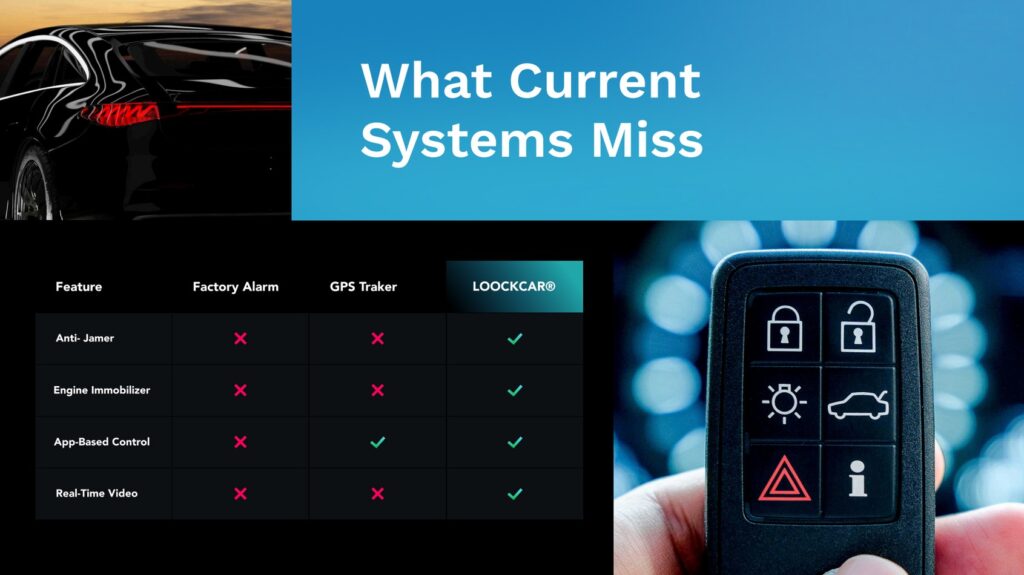
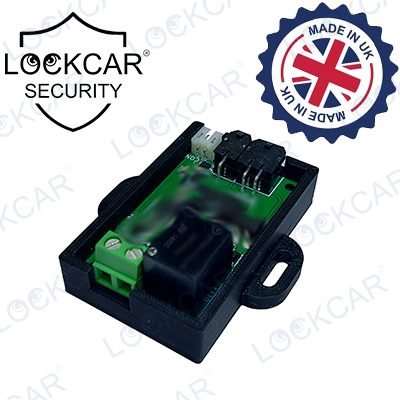
A relay immobiliser breaks the starting circuit and requires separate authorisation before it closes, so amplifying a key fob signal achieves nothing. Our commercial unit uses a 20A relay rated for the heavier circuits on Sprinter, Transit and larger platforms, and it does not connect to the vehicle’s data network, which avoids the diagnostic faults that CAN-connected devices sometimes introduce on commercial vehicles.
What it does not stop is a vehicle being lifted onto a low-loader, or a depot being entered and a vehicle driven out with keys taken from an office. For a fleet, that is the argument for pairing prevention with tracking rather than choosing between them: the immobiliser closes the electronic route, the GPS gives police something to follow when the physical route is used instead.
A private car moves unpredictably, so location alerts generate noise. A waste or skip fleet does not: vehicles run known rounds, return to a known depot, and sit still overnight. That makes a geofence genuinely informative rather than annoying, and a vehicle leaving the yard at 2am is a signal you can act on immediately rather than discover at 7am.
What GPS gives you, minus the numbers we cannot prove
You will find plenty of pages, including ones selling tracking hardware, telling you route optimisation typically cuts fleet mileage by 10 to 20%. We could not trace that range to a credible independent source, so we are not going to repeat it back to you. What tracking actually gives you is narrower, and more useful to describe honestly.
Evidence, when a job is disputed
A customer says the skip was never collected, or was collected late. A journey record with timestamps settles it in a minute instead of a week. On thin margins, the disputes you resolve quickly are worth more than the ones you win slowly.
Idle time you did not know about
Not an efficiency slogan, a specific number: how long each vehicle spends stationary with the engine running, per site, per driver. Whether that translates into savings depends entirely on what you find and whether you act on it, which is why we will not quote you a percentage in advance.
What the round actually looks like
Planned routes and driven routes diverge, and the gap is usually invisible from the office. Seeing the real pattern is what makes restructuring possible. The platform shows you the problem; it does not solve it for you.
LockCar for waste and skip operators
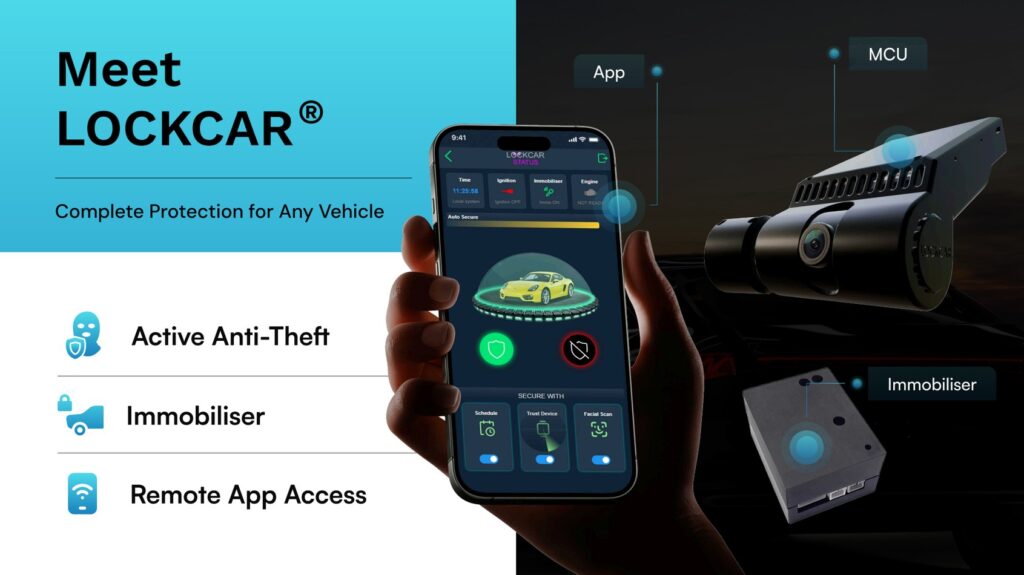
- 20A relay rated for Sprinter, Transit and heavier platforms
- Isolated wiring between control unit and relay
- Anti-hijack mode and motion sensing
- No connection to the vehicle data network
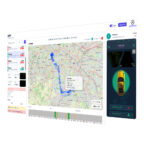
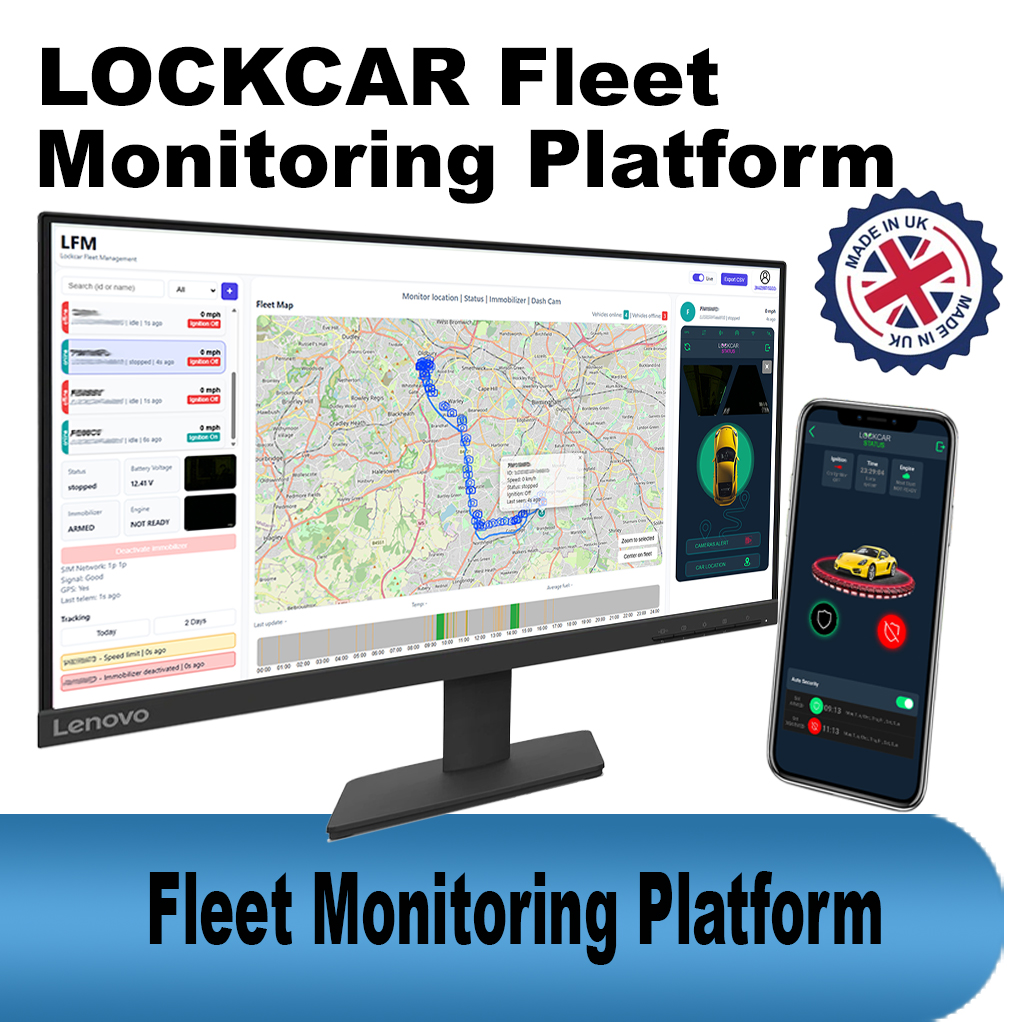
- Every LockCar-equipped vehicle on one dashboard
- Geofence alerts for depot and operating area
- Timestamped journey records you can export
- Fleet pricing quoted for five or more vehicles
For a wider view of commercial security options, see fleet vehicle security for UK businesses and the LFM platform guide. Pricing across the range is in our pricing guide.
Frequently asked questions
When does digital waste tracking affect my skip hire business?
Phase one, from October 2026, applies to permitted and licensed waste receiving sites rather than to carriers. Carriers, brokers and dealers are brought in from October 2027, which is when the transport leg of each movement becomes a digital record. If you tip at a permitted site, expect that site to be recording your loads digitally from this October.
Are skip lorries exempt from tachograph rules like bin lorries?
Usually not. The exemption is written narrowly around door-to-door household refuse collection carried out by or under contract to a public authority, where transport is subsidiary to the collection. Skip hire generally fails several of those conditions, so full EC drivers’ hours and tachograph obligations are likely to apply. Check your own operation rather than assuming.
Can a GPS tracker replace a tachograph?
No. If EC rules apply to a vehicle, it needs proper recording equipment and the data downloaded and analysed. Tracking journey records are useful evidence alongside that, and useful in their own right for operations under GB domestic rules, but they do not satisfy a tachograph requirement. Any supplier claiming otherwise is wrong.
Will an immobiliser stop a skip lorry being stolen?
It prevents the engine being started, which closes the electronic route including relay attacks and OBD key programming. It does not stop a vehicle being loaded onto a low-loader, and it does not help if keys are taken from a depot office. That is why we pair the immobiliser with tracking rather than treating either as complete.
How much will tracking save my fleet?
We will not give you a percentage, because any honest answer depends on your round density, your current routing and whether you act on what the data shows. What we can tell you is what it measures: idle time per vehicle and per site, actual versus planned routes, and timestamped arrival and departure at every stop. What that is worth is a question your own figures answer better than our marketing could.
Sources
- Environment Agency, Digital Waste Tracking goes live – phased transition, voluntary from 28 April 2026, mandatory from October 2026 and January 2027 in Scotland.
- DVSA and Traffic Commissioners, conditions for the door-to-door household refuse collection derogation.
- GOV.UK, drivers’ hours rules – GB domestic daily driving and duty limits and recording requirements.
- Section 58, Environment Act 2021, and section 34 duty of care, Environmental Protection Act 1990.
Checked 24 August 2026. Implementation dates for digital waste tracking have moved before and may move again; the Environment Agency is authoritative, not this page. This is general information, not legal or transport compliance advice.
Fitting at your depot, around your rounds
Tell us how many vehicles and what they are. We fit on site, in whatever window keeps your rounds running, and we will tell you if a smaller specification does the job.