

YOUR CAR
CAN BE STOLEN
in under 60 seconds with no alarm triggered
Security Home Driveway Car
Most relay attacks occur on residential driveways between 10pm and 4am. This Security Home Driveway Car guide explains how to protect your car while parked at home, including the essential role of a physical immobiliser.
In this guide
Your driveway is the most likely place your car will be stolen. According to police data, over 60% of keyless vehicle thefts occur on residential driveways, with most incidents happening between 10pm and 4am. Thieves target driveways because they can identify valuable vehicles, they have time to work, and homes often have accessible key fob signals. This Security Home Driveway Car guide explains what you can do about it.
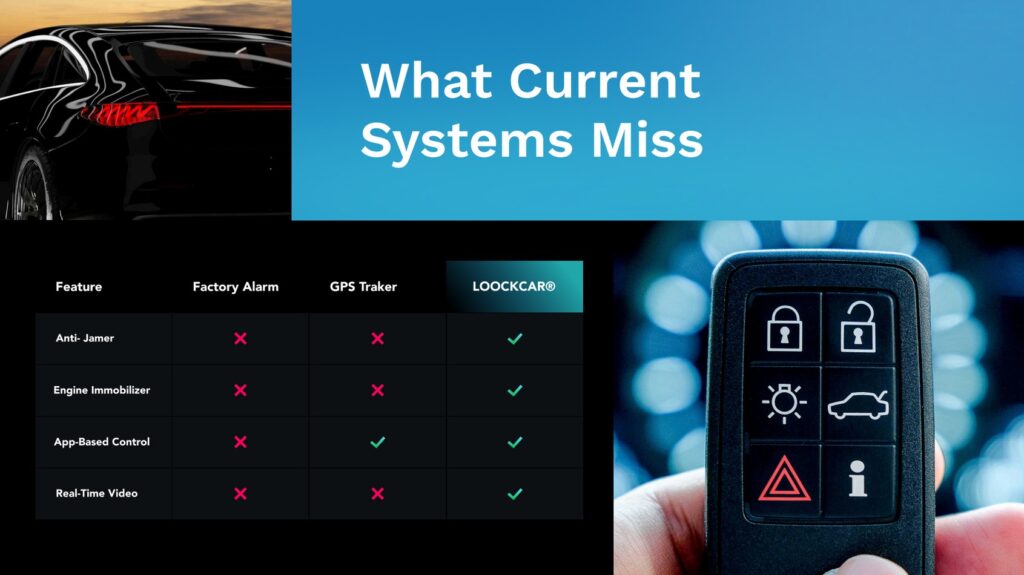
Faraday bags protect keys when stationary at home but offer no protection when you have your key on you but are briefly away from the vehicle. A physical immobiliser protects in all scenarios, which is why it is the core recommendation of any Security Home Driveway Car plan.
Why driveways are the number one target for car thieves
A driveway is a known, repeatable location. A thief who spots your car once can return on another night with the right equipment. On a driveway, the car is usually stationary for long periods, often with the key fob sitting inside the house within range of a relay amplifier. That combination – a known target, a predictable time, and an accessible key signal – is what makes driveway parking so vulnerable.
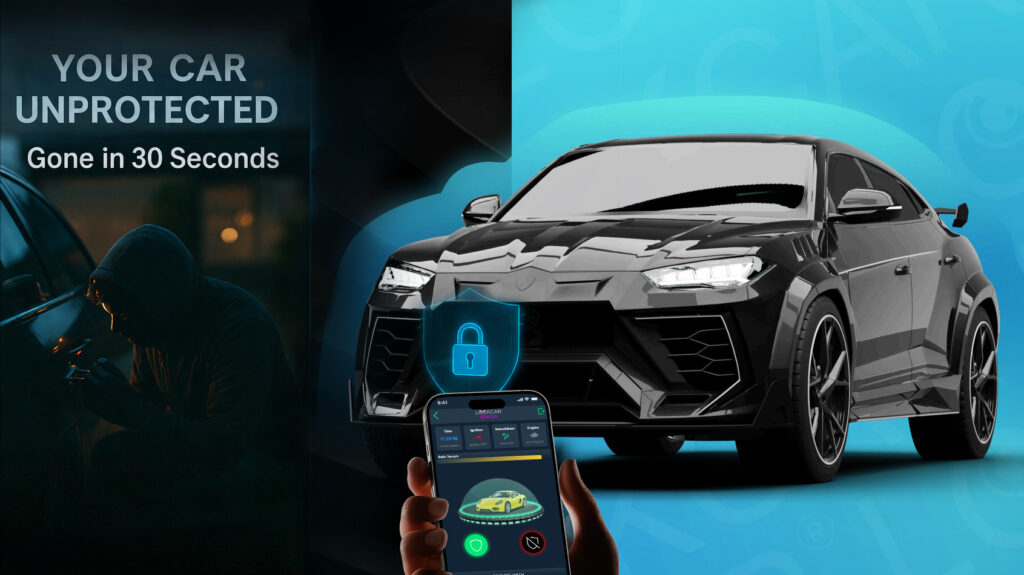
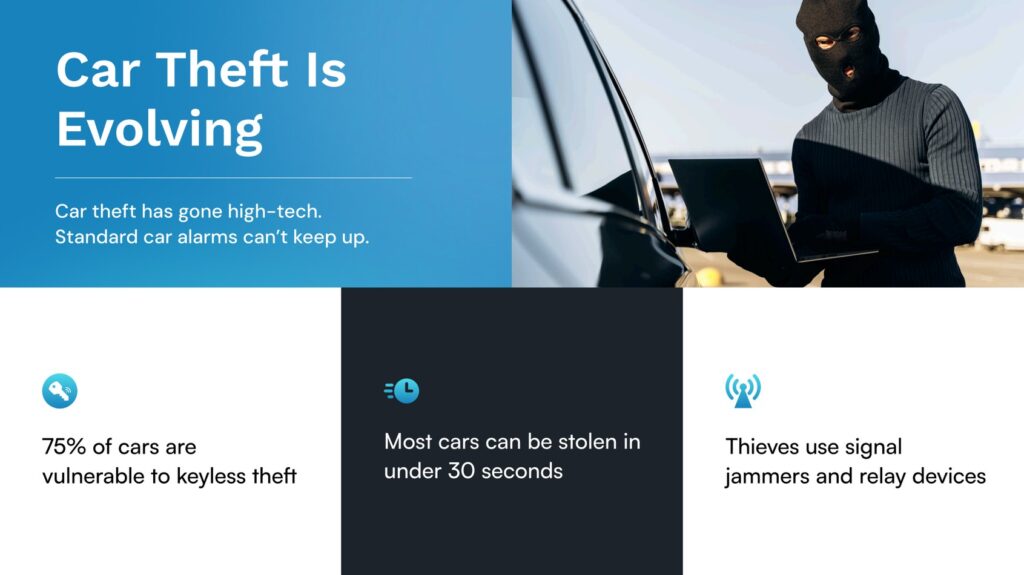
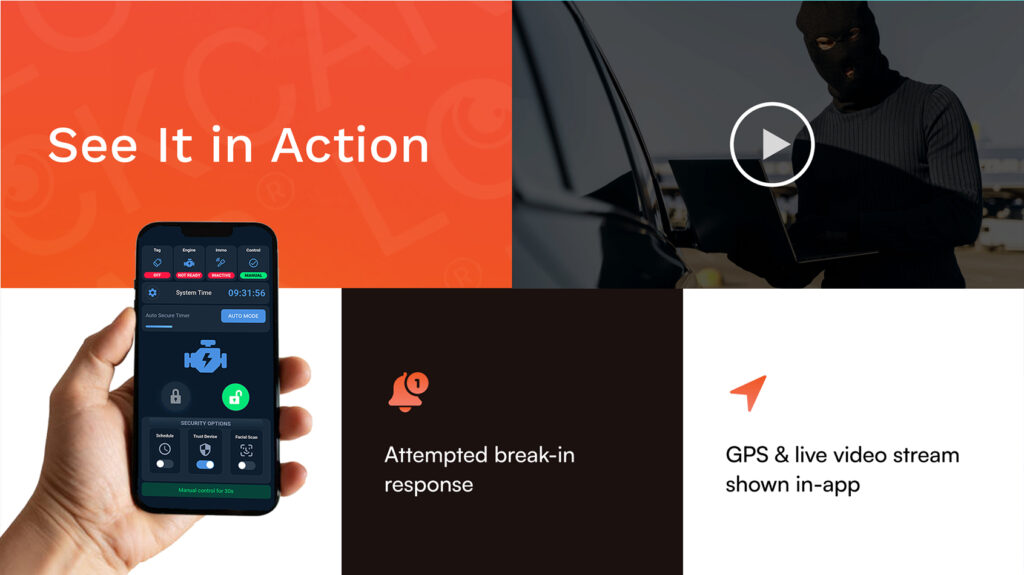
Relay attacks are the dominant method. Two thieves work together: one holds an amplifier near your front door to capture the key fob signal from inside the house, while the second stands beside the car with a receiver. The car unlocks and starts, all without any forced entry and without triggering the alarm. This entire process typically takes less than sixty seconds. For a Security Home Driveway Car approach, understanding this method is the starting point.
Layered Security Home Driveway Car protection
Effective driveway security uses several layers, each covering a different scenario. No single measure is enough, but together they make your car a much harder target than the one parked down the road.
The first layer is key hygiene. Keep keys away from the front door, ideally upstairs or in a back room, and use a signal-blocking pouch or box. Test the pouch regularly: seal the key inside, walk to the car with it, and pull the door handle. If the car opens, the pouch has failed. This layer protects your car while the key is stationary inside the house.
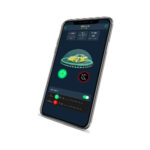
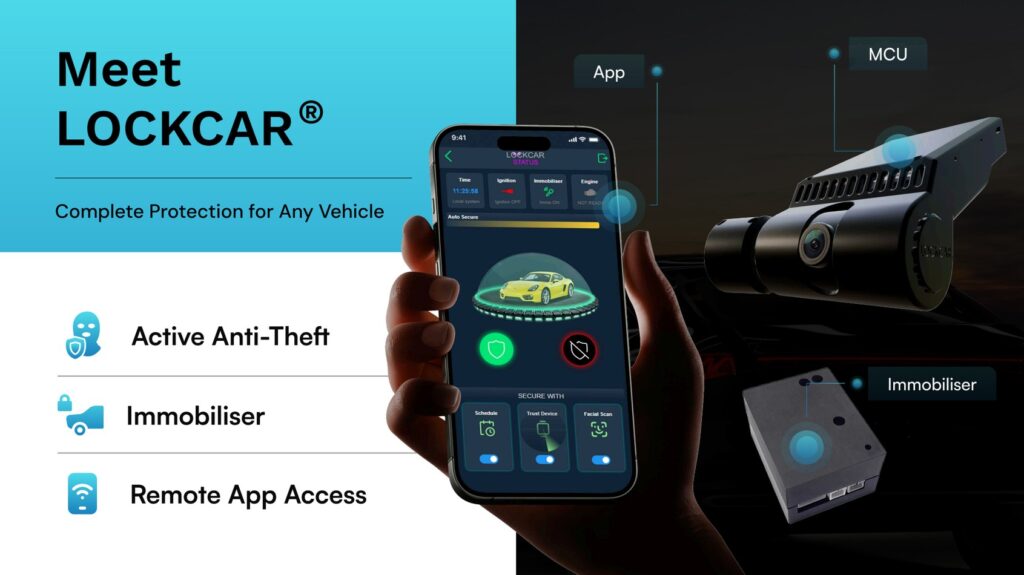
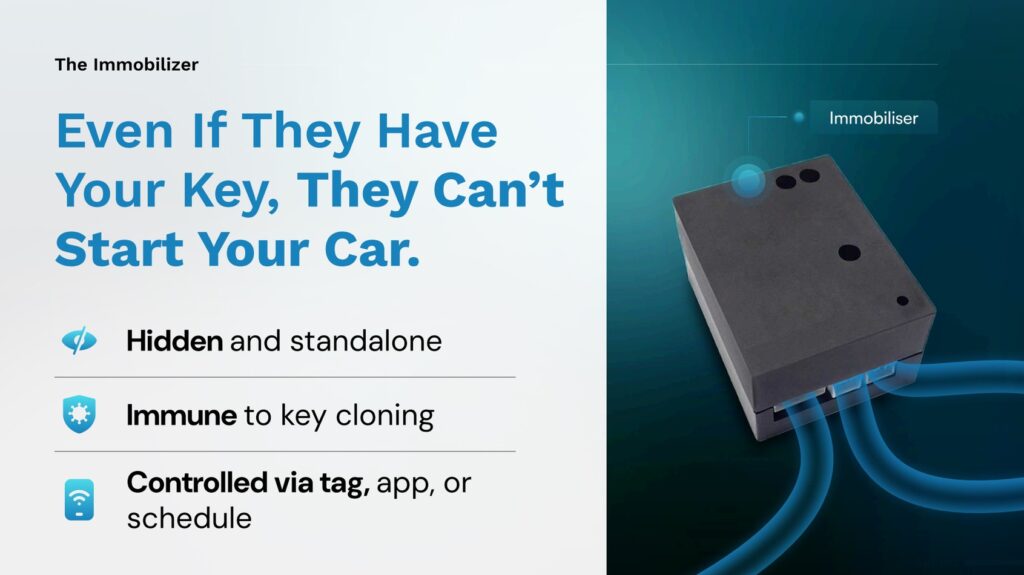
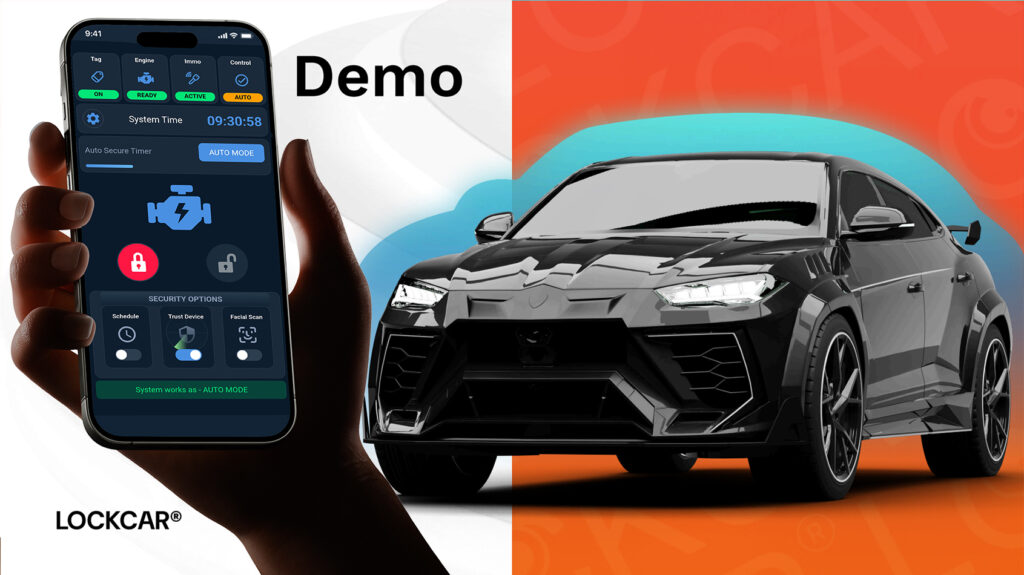
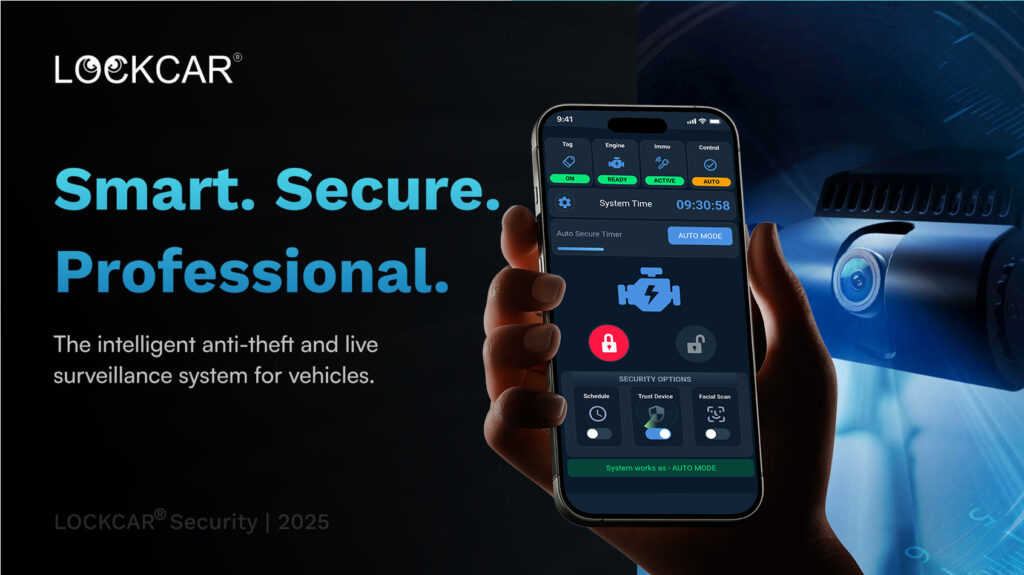
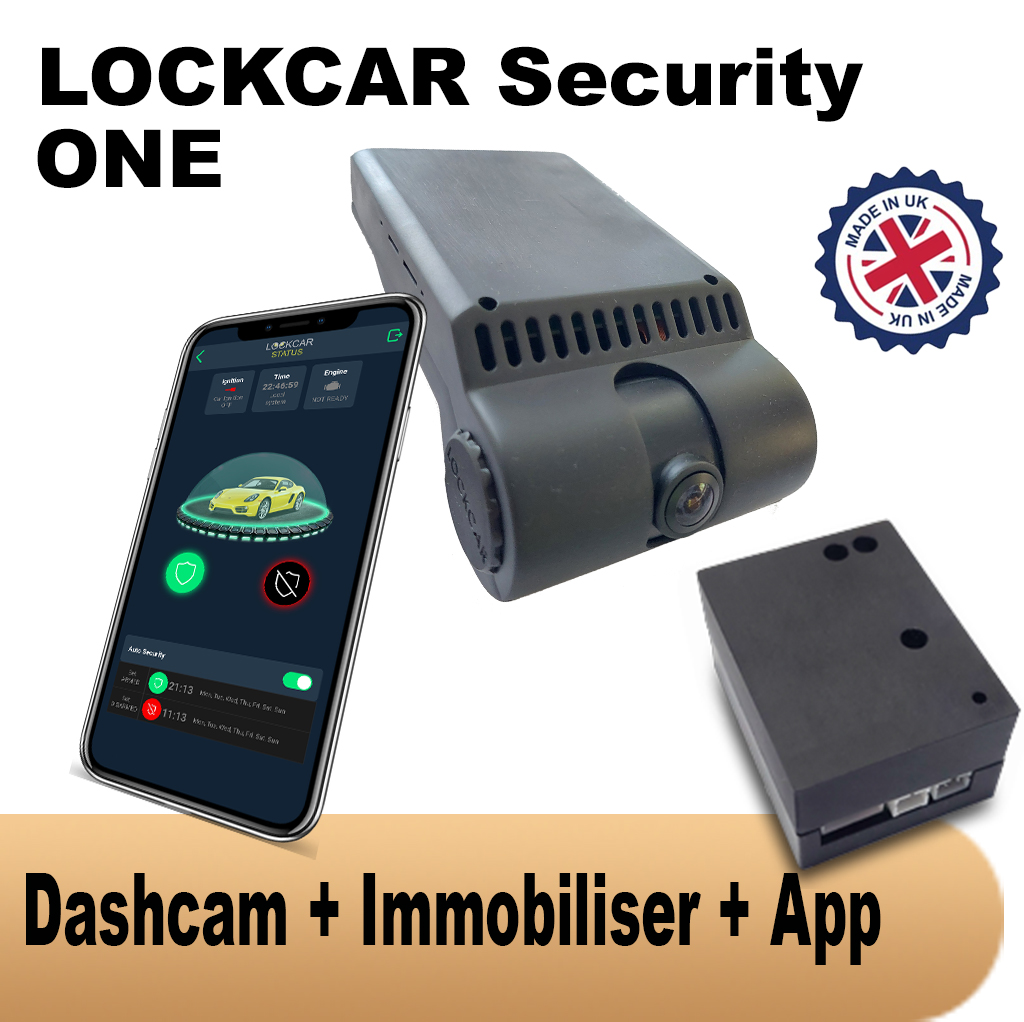
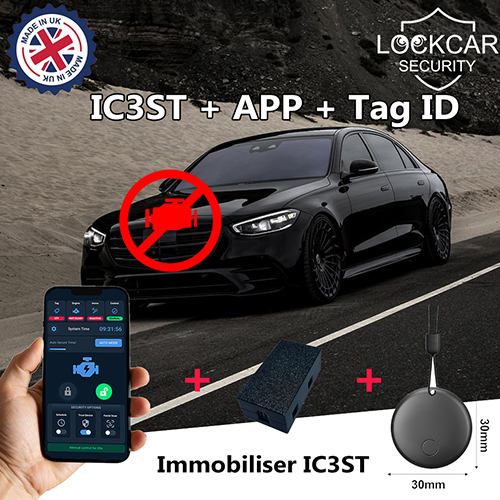
The second layer is a physical immobiliser. This is the layer that works when the key is with you – at a petrol station, a shop, or a customer’s driveway – as well as when it is inside the house. A LockCar immobiliser places a physical relay break in the start or fuel pump circuit. Even if a thief unlocks the car with a relay device, the engine will not start without the separate authenticated layer, such as a proximity tag or app. This is the layer that cannot be bypassed by signal amplification.
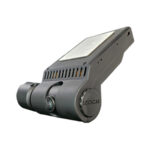
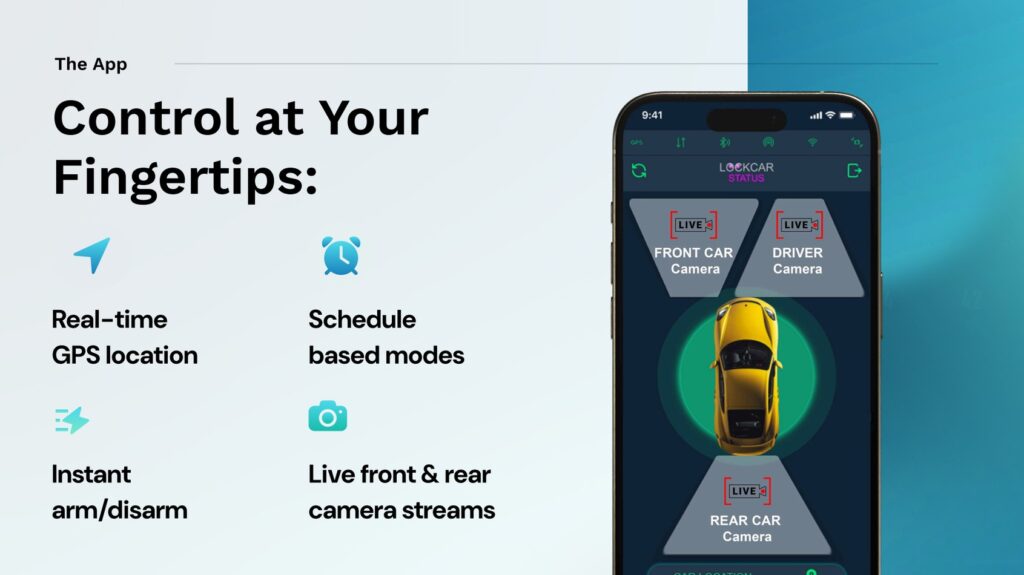
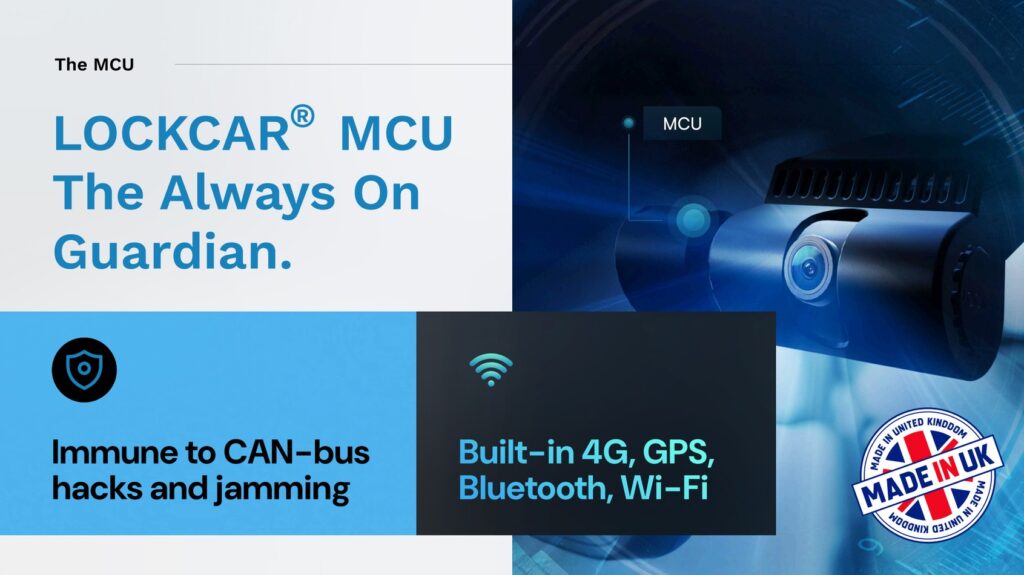
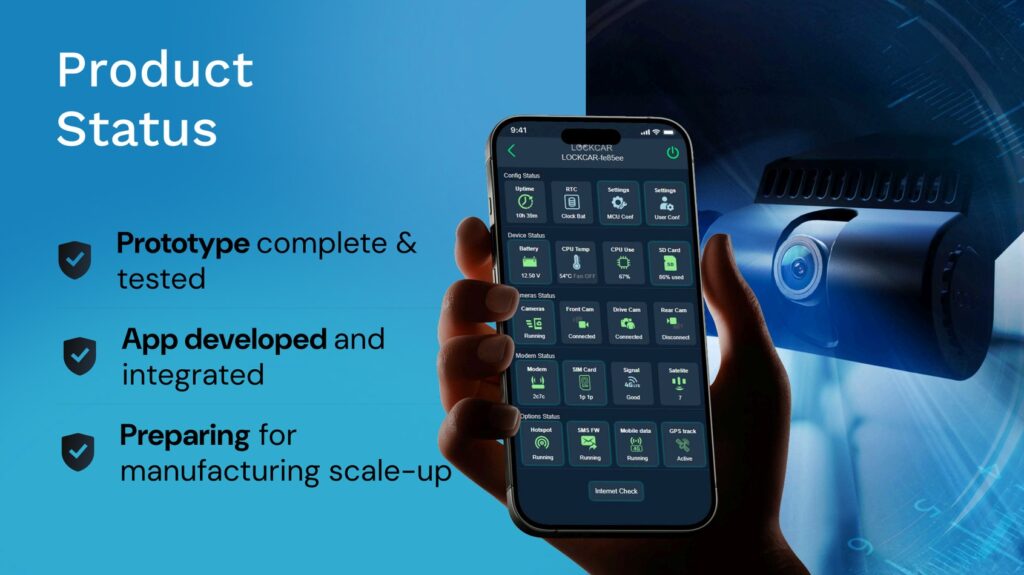
The third layer is detection and evidence. A dashcam with 24/7 parking mode records around the car, which helps identify anyone tampering with it and provides footage if an attempt is made. A visible steering wheel or wheel lock adds a further deterrent on driveways where the car is on open view.
Recommended security for driveway parking
What is included with a Security Home Driveway Car installation
Every LockCar installation includes the immobiliser unit, isolated and fused wiring, your chosen authentication device (proximity tag, app, or wireless tag), a full system test, and a hands-on demonstration. Fitting is carried out by a mobile technician at your home, so there is no need to leave the car anywhere. Typical fitting takes a few hours, depending on how much trim has to come apart to route the wiring out of sight.
The unit is concealed inside the vehicle, so nothing is visible on the dashboard and there is nothing for a thief to spot. The installation is fully reversible if the car is later sold or returned to a lease. There are no subscriptions on the IC3ST or ONE models, and no ongoing fees to keep your protection active.
For more detail on the products, see our main car immobiliser page and the vehicle finder tool. If you want to understand the wider picture of keyless car crime, our keyless car security guide and UK car security tips for 2026 go into more depth.
Frequently asked questions
Is a Faraday pouch enough on its own?
No. A Faraday pouch protects your key while it is inside the pouch and stationary at home, but it offers no protection when you have your key with you and are briefly away from the car. A physical immobiliser protects in both scenarios, which is why we recommend using both together.
How does a physical immobiliser stop a relay attack?
A relay attack makes the car think the key is present, so the doors unlock and the engine is authorised to start. A physical immobiliser breaks the start or fuel pump circuit, so the engine cannot start even if the car is unlocked. A relay amplifier cannot close a physical circuit break, because it needs a separate authenticated signal from your tag or app.
Will a LockCar immobiliser work on my vehicle?
LockCar immobilisers are compatible with the majority of cars and vans on UK roads, including keyless-entry models. Send us your registration before booking and we will confirm which unit suits your exact vehicle.
How much does a driveway immobiliser cost?
The IC3ST is £139 and the ONE is £199. Fitting starts from £150, so a fully fitted relay immobiliser is available from £150. There are no monthly subscriptions on either model.
Where is the immobiliser fitted?
Every LockCar installation is mobile – the technician comes to your home or workplace. The unit is concealed inside the vehicle behind trim, so nothing is visible on the dashboard. Fitting is fully reversible if the car is later sold or returned to a lease.
Do I need a dashcam as well as an immobiliser?
Not necessarily, but they do different jobs. The immobiliser prevents the theft from succeeding; the dashcam records what happens around the car, which is useful for evidence after an attempt as well as after an accident. If your car sits on an open driveway, the ONE model combines both in one installation.
Book professional installation
UK-wide mobile service · Same-day available
WhatsApp to book → Call usUK-wide