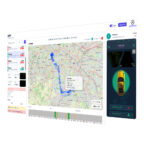


Vehicle security from
£199
Enter car's registration plate number to find the right LockCar security option
We could not pull the details automatically. Fill these in and we will carry on — it only takes a few seconds.
- Free, no obligation
- Fitted, not posted
- 12 months hardware warranty
1 Vehicle found
Showing sample data – add your MOT History API credentials in the plugin settings to return real vehicles.
Status and history
MOT history
2 Protection level
Pick the level of protection for your
Every option is fitted by an approved installer. Choose one to see the exact devices.
3 Choose the device
Immobilisers only for
2 devices fit this level. Pick one, or skip this and we will recommend the right one for your car.
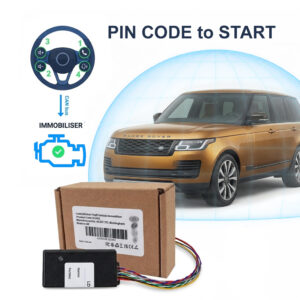
CAN BUS Immobiliser
PIN CODE Car Immobiliser LockCar CAN-IMMO – Fitted
- PIN to start
- Optional tag
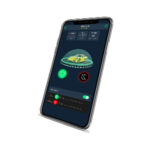
- Bluetooth app
PIN CODE to START – NO PIN. NO START – LOCKCAR CAN-IMMO Immobiliser – Smart Advanced CAN Bus Vehicle Immobiliser – entering the PIN CODE each startup
£299.00 £350.00
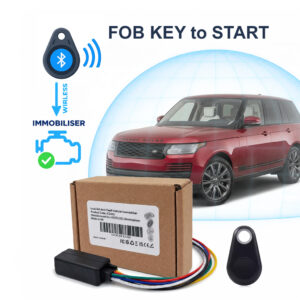
App + Tag Immobiliser
TAG FOB Car Immobiliser LockCar IC3262 TAG Immobiliser
- Hands-free tag
- Mobile app
- Anti-hijack
TAG FOB KEY to START – NO FOB. NO START – LOCKCAR IC3262 Immobiliser – Smart Immobiliser – authorizes the car to start if it detects the fob…
£249.00 £299.00
3 Choose the device
Immobilisers + Dashcams for
2 devices fit this level. Pick one, or skip this and we will recommend the right one for your car.
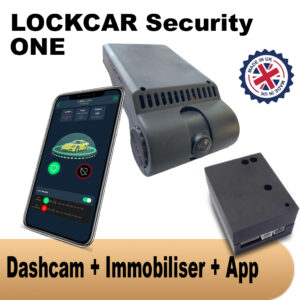
Dashcam + Immobiliser + App
Dashcam + Immobiliser LockCar One – Free Fitting
- Immobiliser
- Dashcam
- 24/7 recording
- App
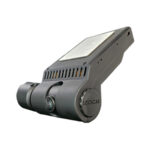
LockCar ONE is a professional dash camera with 24/7 monitoring, SD recording, and smart immobiliser integration. Built for security, durability, and total control in the UK.
£450.00 £550.00
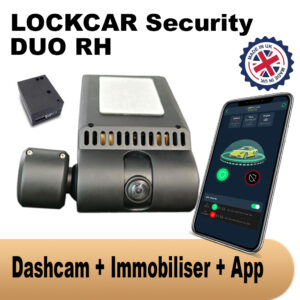
Dashcam + Immobiliser + App
Dashcam + immobiliser Lockcar Duo Rh – Free Fitting
- Immobiliser
- Dual camera
- GPS
- App
Local MCU system security. Power ON 24/7. Smart parking mode. Local car status, Immobilization, Local GPS Traking, Local Cameras Front + Driver. FREE UK INSTALLATION
£550.00 £650.00
3 Choose the device
4G Live Dashcams + Immobilisers for
2 devices fit this level. Pick one, or skip this and we will recommend the right one for your car.
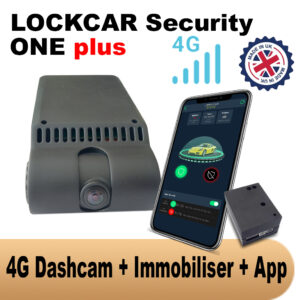
4G + Dashcam + Immobiliser + App
Dashcam + Immobiliser + Tracker LockCar One Plus 4G- Free Fitting
- Immobiliser
- Dashcam
- 4G live view
- GPS tracker
LockCar One Plus is 4G remote access and intelligent immobiliser. Designed for modern threats, this advanced anti-theft system allows you to monitor and control your car from anywhere,…
£499.00 £600.00
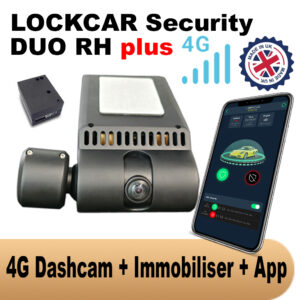
4G + Dashcam + Immobiliser + App
4G Daschcam + Immobiliser + Tracker Lockcar Duo Rh Plus 4G – Free Fitting
- Immobiliser
- Dual camera
- 4G live view
- GPS
Remote access via 4g permanently. Power ON 24/7. Smart parking mode. Real-time car status, Immobilization, Real-time GPS Traking, Live Cameras Front + Driver. FREE UK INSTALLATION
£699.00 £750.00
4 Fitting
Where should we fit it?
We come back with the theft method known for your model, what we would fit, the price with fitting, and the nearest slot to you. One message, no sales calls.
Got it – check your inbox
We have your registration and what you picked. We will come back to you shortly.
Message us on WhatsAppHow to prevent modern electric car theft in Birmingham, attack by attack
Modern cars and EVs are taken by four methods: relay attack, key cloning at the diagnostic port, a CAN bus or wiring attack, and a straight tow away. Each has a different defence and the first ones cost nothing. This page works through all four, and is honest about where the cheap fixes stop.
An EV is not harder to steal, it is different to steal
There is a comfortable myth that electric cars cannot be taken because there is nothing to hot wire. Nothing has been hot wired for twenty years. A modern theft is a conversation between a thief’s equipment and the car’s own network, and an EV has more network, not less. They also come with keyless entry as standard far more often than petrol cars, so the most common attack applies to almost all of them by default.
An EV pulls away in silence. A petrol car leaving a Birmingham terrace at two in the morning makes a noise somebody might hear. That is a real advantage to a thief, and the reason stopping the drive away matters more than detecting it.
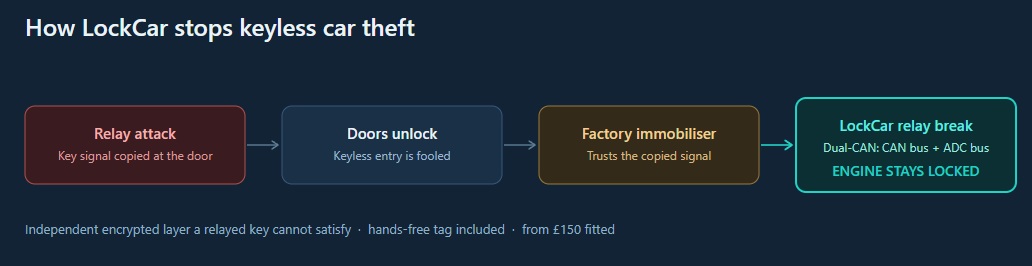
The four attacks, and what each one needs
Almost every keyless car theft in Birmingham is one of these four, or two combined. Knowing which is which tells you where your money should go.
1. Relay attack
Two people, two devices. One stands near your hallway and picks up the signal your fob is quietly broadcasting, the other stands at the car with a repeater. The car reads the boosted signal as a key in the driver’s hand, so the doors unlock and the start button works. Your key never leaves the house and nothing is damaged.
What it needs: a live signal from a fob within reach of an external wall. Take that away and the attack has nothing to work with.
2. Key cloning at the diagnostic port
A device is plugged into the socket a garage uses to read fault codes, and a blank fob is written to the vehicle in seconds. The thief leaves on a key the car treats as genuine, which is why the insurance conversation afterwards can be uncomfortable. Your own keys play no part, so a pouch changes nothing.
What it needs: physical access to the cabin and an unprotected port.
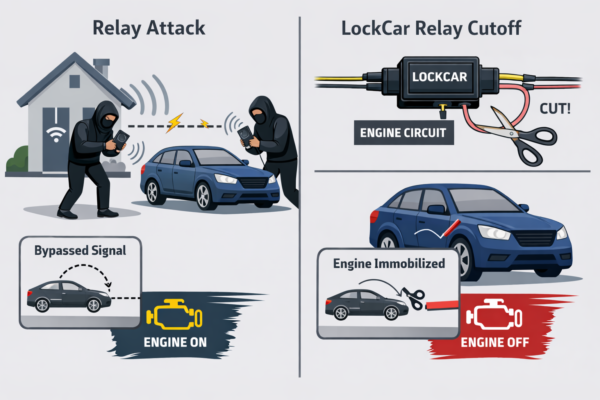
3. CAN bus and wiring attacks
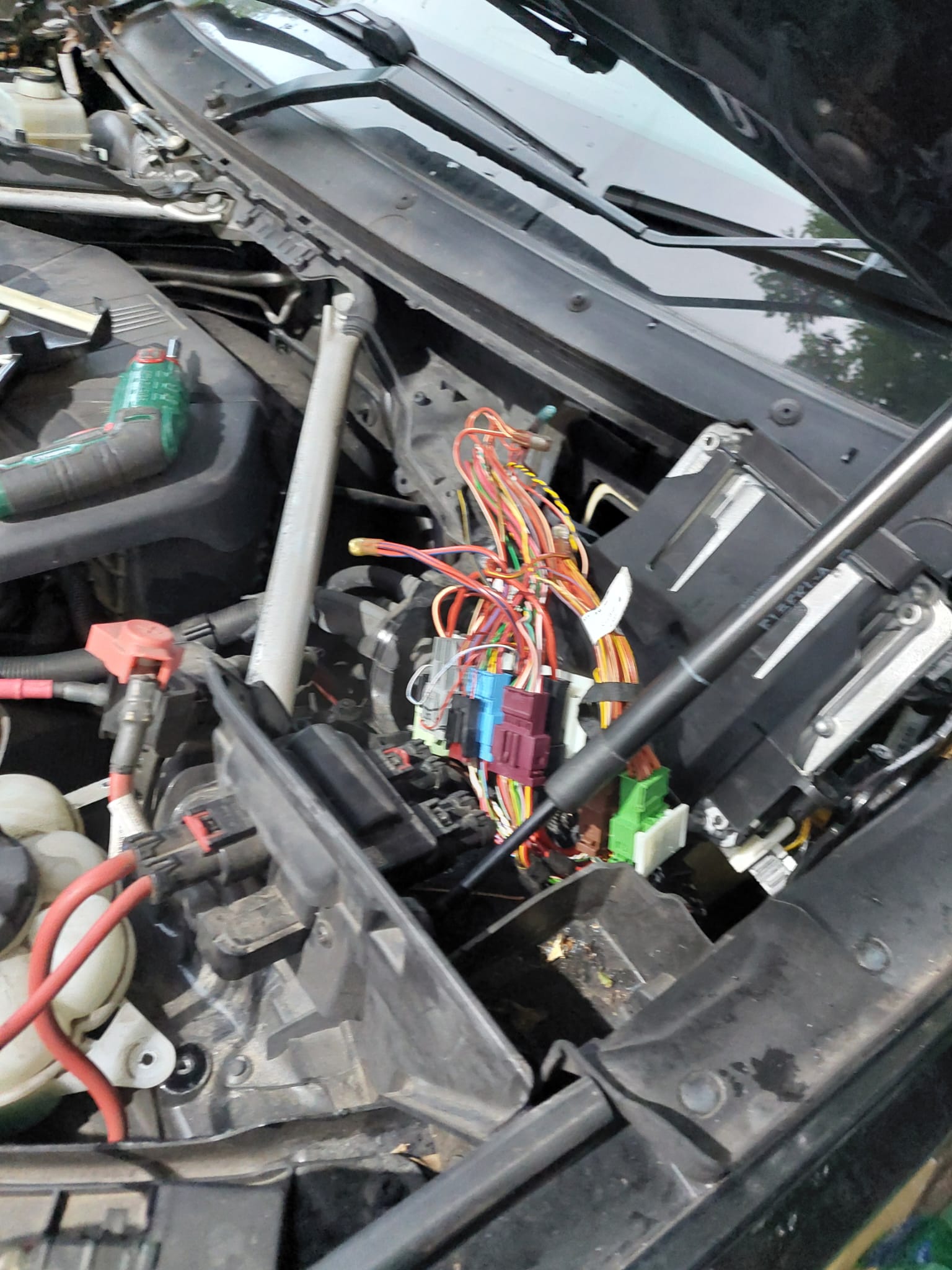
Instead of opening a door, the thief reaches the vehicle network from outside, through a headlight loom, a wing mirror feed or a panel gap, then injects the messages that unlock and start the car. It is slower and messier, and it often leaves damage you will see the next morning even when the attempt failed.
What it needs: a few minutes at the car and a model whose network is reachable from outside.
4. Tow away
No electronics at all. The car goes onto a flatbed or a trailer. This is the attack that ignores immobilisers entirely, and the one people forget when comparing security products.
What it needs: space to work and nobody watching.
Six changes that cost nothing
Work through these before you spend anything, with us or anybody else. On a lot of modern EVs the first three close the relay route completely, and that is the attack most likely to be used on your street.
Look for a drive away PIN in the car’s menus
Several manufacturers include a code you enter on the screen before the car will move, and it is switched off by default. It is free, already in your vehicle, and it defeats relay and cloning attacks in one step. Look under security or driver settings before you look at anything you would have to buy.
Turn off passive entry, or let the fob sleep
Many cars let you switch keyless unlocking off through the menu or a button sequence on the fob, and most recent fobs sleep once they have been still for a while. Either one removes the signal a relay attack needs.
Move both keys, then test the pouch
The spare in the kitchen drawer counts. Keep keys away from front walls and windows, and if you use a pouch, seal a key inside and try the door handle. If the car opens, the pouch has failed. Linings wear out, so repeat every few months.
Keep the software current and the alerts on
EVs update over the air, and security fixes arrive that way. Accept them rather than postponing for months, and switch on the app alerts that tell you when the car is unlocked or moved.
Park so the car is awkward to take
Nose in against a wall, or blocked in behind the older car if you have two. Reversing onto a driveway makes a flatbed lift slower. On a permit street, a space under a working light with a clear view from a window beats one by an alley. Charge port against the wall makes cable theft awkward too.
Put one camera at head height
Driveway cameras usually sit high and record the tops of heads. One at head height near the gate gives the police a face. West Midlands Police publish their own list of measures on their vehicle theft prevention page.
Most of our Birmingham work is on streets with no driveway, so the parking advice has to be realistic. Where you cannot control the space, key handling and the drive away PIN do the work instead.
Where the free steps stop working
Key habits need everyone in the house
The pouch has to be used every night by every driver, including whoever gets in at midnight. One forgotten evening removes the protection, and you will not know which evening it was.
Nothing free touches the port or the wiring
Key handling, fob sleep and parking do nothing about a key written at the diagnostic socket or an attack through a headlight loom. Your key plays no part in either.
No immobiliser stops a flatbed
Ours included. A car that will not start can still be lifted. Blocking it in, reversing onto the drive and a visible wheel or steering lock are what address that one.
High voltage is not a place to improvise
We work on the 12V side and the vehicle network. We do not cut into EV high voltage systems, and neither should anyone else fitting security. If an installer is vague about that, you have your answer.
Nothing here is a guarantee
Every security product is a deterrent and a delay. The aim is a vehicle that is slower, noisier and less predictable than the one parked next to it, not one that cannot be stolen.
Which measure covers which attack
This compares approaches, not one manufacturer’s product against another’s. Read it as layers rather than a ranking.
| Measure | Relay attack | Key cloning at the port | CAN bus or wiring attack | Tow away |
|---|---|---|---|---|
| Faraday pouch and key distance | ✓ Removes the signal | ✗ No effect | ✗ No effect | ✗ No effect |
| Drive away PIN or passive entry switched off | ✓ Start still blocked | ✓ On models that ask for the code | ✗ Depends on the model | ✗ No effect |
| OBD port lock or cover | ✗ No effect | ✓ Slows the attempt | ✗ Bypasses the port | ✗ No effect |
| Steering or wheel lock | ✗ Entry and start still happen | ✗ Entry and start still happen | ✗ Entry and start still happen | ✓ Visible deterrent |
| GPS tracker | ✗ Records only | ✗ Records only | ✗ Records only | ✓ Helps recovery |
| Hidden aftermarket immobiliser | ✓ Start stays blocked | ✓ The new key alone will not start it | ✓ Not part of that conversation | ✗ No effect |
No single row covers all four columns, and any page claiming otherwise is selling something. For most drivers the sensible combination is the free key and PIN steps, one thing that blocks the start, and something visible if the car sits on a driveway.
A layer the attacks cannot talk to
A hidden immobiliser sits out of sight inside the loom, with no keypad and nothing added to the dashboard. It holds the start blocked until it recognises your authorisation, and that authorisation has nothing to do with your key. Relaying a key, writing a new one and injecting messages onto the network all work by satisfying the factory system, which is not the thing standing in the way.
If your car has a metal key and no keyless entry, the relay problem does not apply and a steering lock is the sensible spend. If your EV has a drive away PIN you use every time and the car lives in a locked garage, the free steps may be enough. If the vehicle is leased, ask the provider about aftermarket electrical work before booking anything.

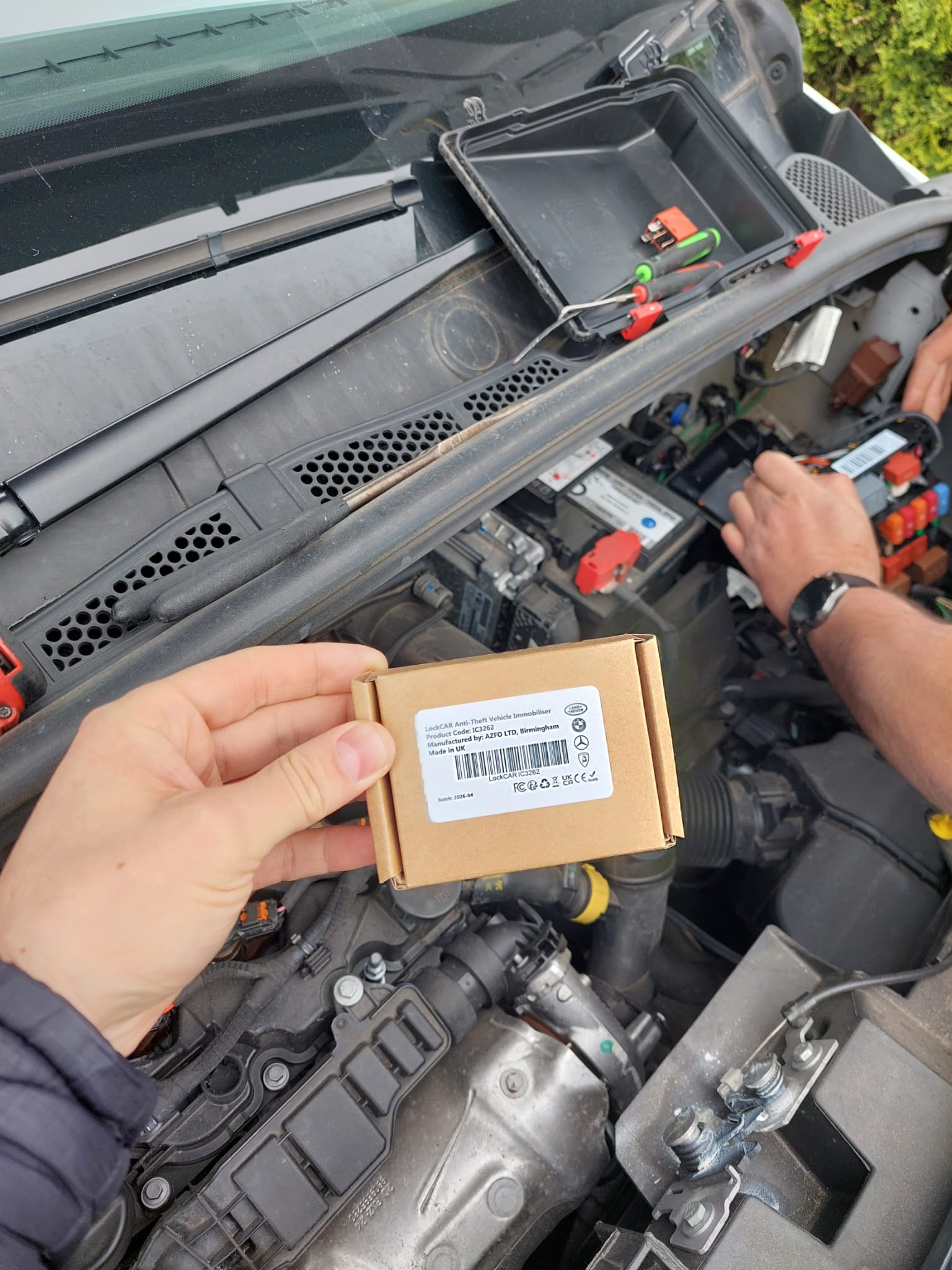
LockCar IC3262 TAG
Fitting included. Standalone hidden immobiliser disarmed by a wireless TAG you carry.
- 1 LockCar TAG ID fob included
- Detection range configurable from 1 to 5 metres
- Trust device support: smart watch or smart ring
- Anti-hijack and valet mode
- 12V and 24V, universal fitment
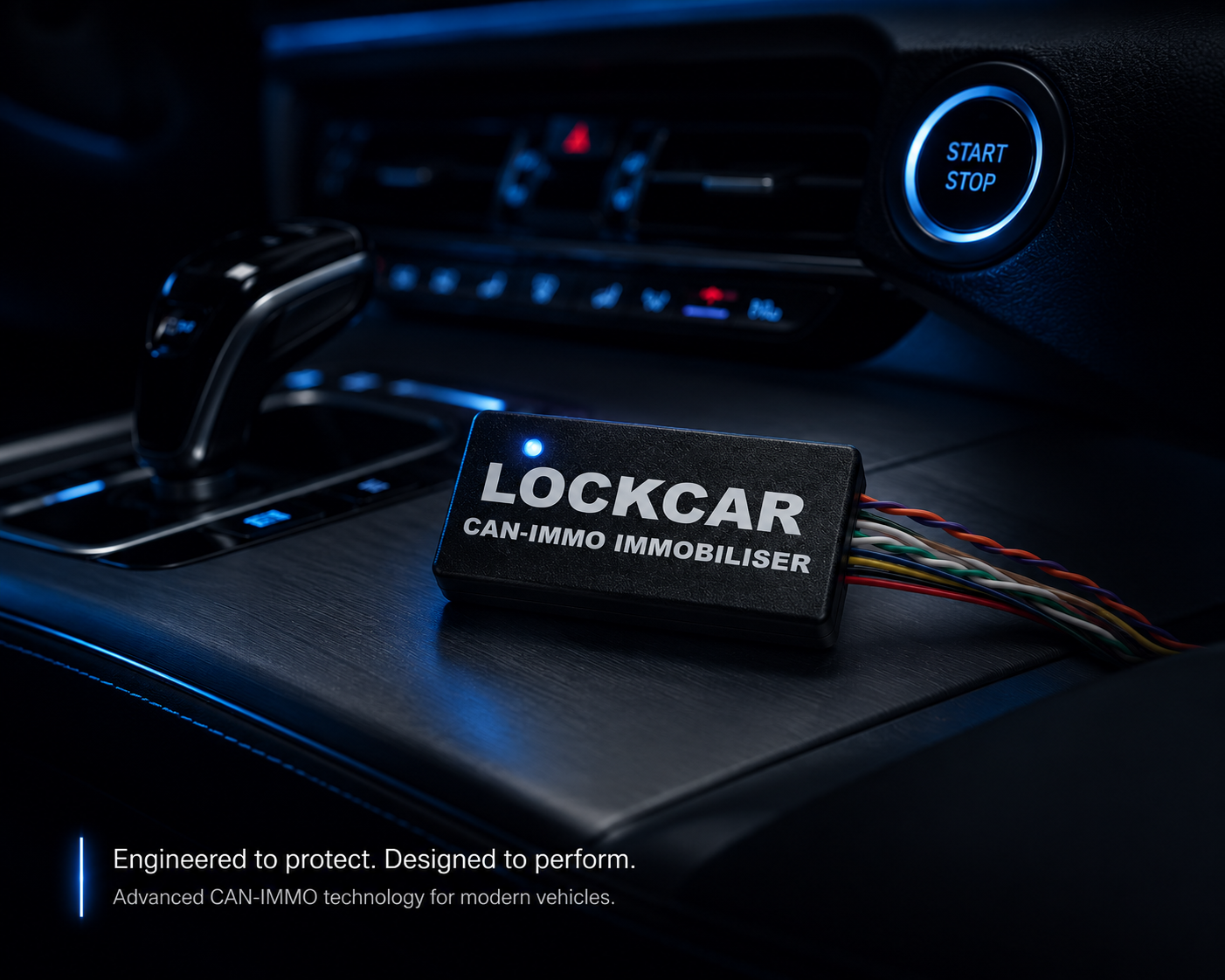
LockCar CAN-IMMO
Fitting included. CAN bus immobiliser run from your phone, with an optional hands-free TAG. Usually our first choice on EVs.
- CAN bus, LIN bus and ADC bus PIN immobiliser
- Smartphone app for Android and iPhone over Bluetooth
- Optional Bluetooth proximity TAG
- Service and valet mode, anti-hijack
- Vehicle-specific programming, reprogrammable
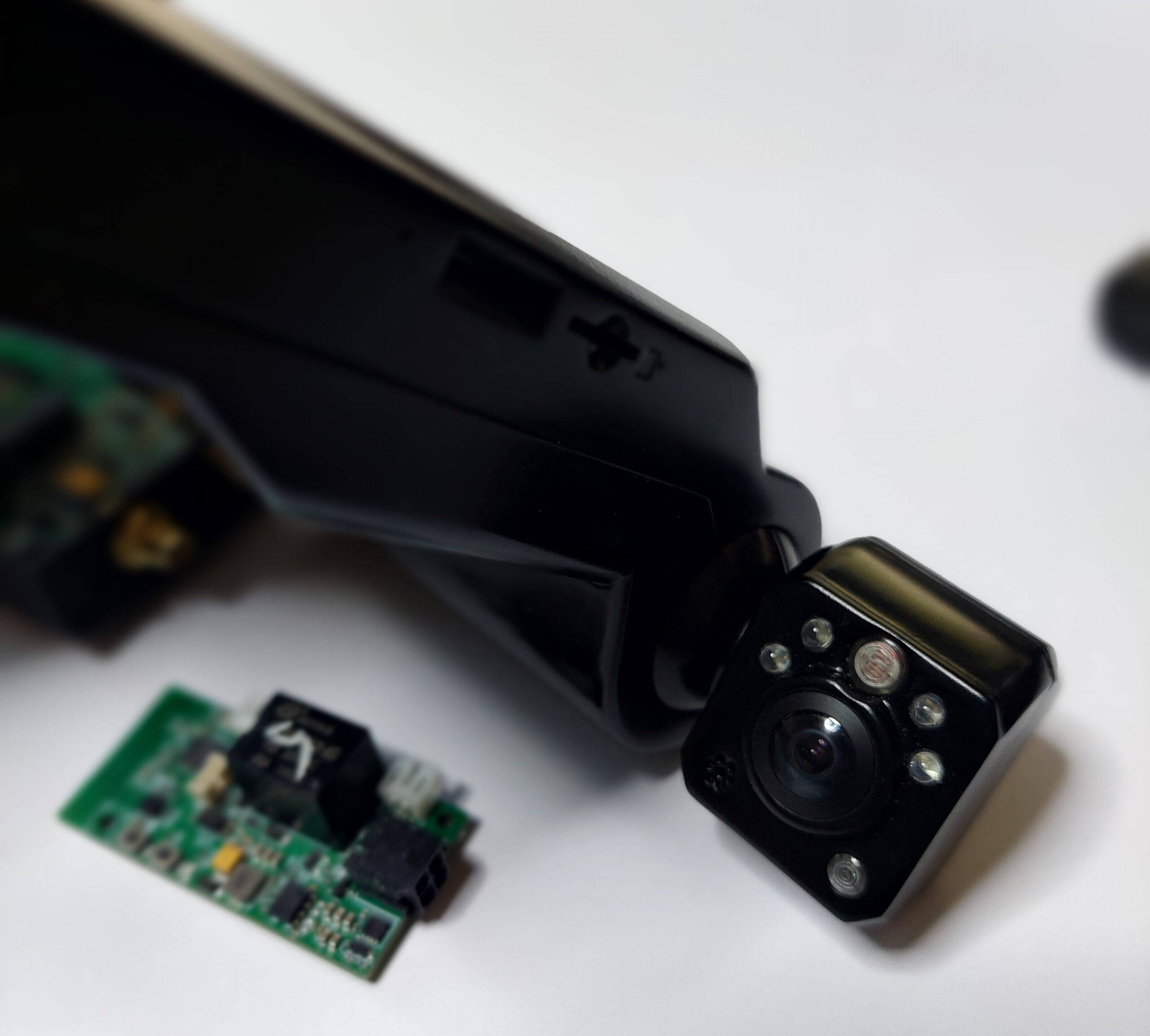
LockCar One Plus
Fitting included. Immobiliser, GPS tracking and live cameras in one unit, which covers the tow away column too.
- 4G remote access and remote immobilisation
- GPS and GLONASS tracking with route history
- Automatic immobilisation during preset night hours
- Cars, vans, HGVs, EVs, motorhomes and plant
- Optional subscription for remote access and cloud
Prices include mobile fitting at your address and a 12 month hardware warranty. Booking and what happens on the day are set out on our car immobiliser fitting page for Birmingham, and you can check your model yourself with the LockCar vehicle check or browse the immobiliser range.
Every B postcode, and well beyond
Fitting is fully mobile, at your home or workplace. We have no public workshop, so your car never sits overnight somewhere you cannot see it.
Birmingham
City Centre, Jewellery Quarter, Edgbaston, Moseley, Harborne, Kings Heath, Selly Oak, Bournville, Northfield, Erdington, Aston, Handsworth, Yardley, Sheldon and Great Barr. Where charging means a cable across the pavement, the parking advice matters more than the hardware.
Solihull and Sutton
Longer driveways change the picture, because the key can sit further from the road. Owners in Shirley, Knowle, Dorridge and Sutton Coldfield often find key distance alone closes the relay route.
Wider West Midlands
West Bromwich, Wolverhampton, Dudley, Halesowen, Stourbridge, Coventry and Tamworth, plus regular work across Walsall, where electric vans are a growing share of what we fit.
Who you are dealing with
LockCar is a mobile vehicle security installer based in Birmingham, rated 5.0 on Google from 15 reviews at the time of writing, all readable unedited on our Google Business Profile.
We are a company registered in England and Wales, company number 14346129, with full terms in our terms and conditions. The registered office is administrative and not open to customers.
Phone and WhatsApp +44 7300 98 90 91 · Email hello@lockcar.co.uk
Monday to Saturday, 08:00 to 17:00. Closed Sunday. Ask a question without booking anything, that is fine.
Questions we get every week
How do I protect my car from theft in Birmingham?
Close the relay route first, because it costs nothing: keys away from external walls, passive entry off or the fob asleep, and a drive away PIN if your car has one. Then add one thing that blocks the start, and something visible if the car sits on a driveway.
How do I stop a relay attack on my driveway?
A relay attack needs a live fob signal within reach. Remove that and there is nothing to amplify: move both keys away from the front of the house, use a pouch you have tested, and switch keyless entry off if your car allows it.
Can an electric car be stolen without the key?
Yes, by the same methods used on any modern car. EVs are keyless far more often than petrol cars, which makes the relay route more relevant rather than less. The idea that no engine means no theft has not been true of any car for a long time.
Is car key cloning really happening in Birmingham?
Cloning at the diagnostic port is one of the standard methods, and the giveaway is a stolen car with no broken glass and no forced lock. Your own keys are not involved, so key habits do not affect it.
What is CAN bus theft and can I stop it?
It means reaching the vehicle network from outside, often through a headlight loom or a wing mirror, then sending the messages that unlock and start the car. You cannot stop access to the wiring on most vehicles. You can make sure that reaching the network is not enough on its own to start the car.
Do OBD port locks work?
They slow a key programming attempt and they are cheap, so they are not a bad buy. They do nothing about relay attacks, and a CAN bus attack goes around the port entirely. A small extra layer, not a solution.
Does an aftermarket immobiliser work on an EV or hybrid?
Yes. On electric and hybrid vehicles we normally fit the CAN-IMMO, because it works with the vehicle network rather than cutting an engine circuit. We work on the 12V side and the network only, never on high voltage systems.
How much does it cost to protect my car from keyless theft?
The free steps on this page cost nothing. If you want an immobiliser, the LockCar IC3262 is £199 and the CAN-IMMO is £299, both including mobile fitting at your address. The One Plus, which adds 4G, GPS and cameras, is £699. There is no separate fitting charge and no call-out fee.
Will fitting this affect my warranty or my lease?
Terms vary, so check rather than take our word for it. Call your dealer if the car is under warranty, or the leasing company if it is not yours. We will tell you exactly what we intend to connect to, so you can ask a specific question. If they say no, fit nothing and stay with the free steps.
My car has already been stolen. What should I do now?
Report it to the police and your insurer before anything else. Nothing on this page helps a vehicle that has already gone, and the next hour is better spent on those two calls than on reading about hardware.
Tell us the car, get a straight answer
Send the registration and your postcode. If the free steps already cover you, we will say so. If they do not, you get a price from the engineer, not a form confirmation.