
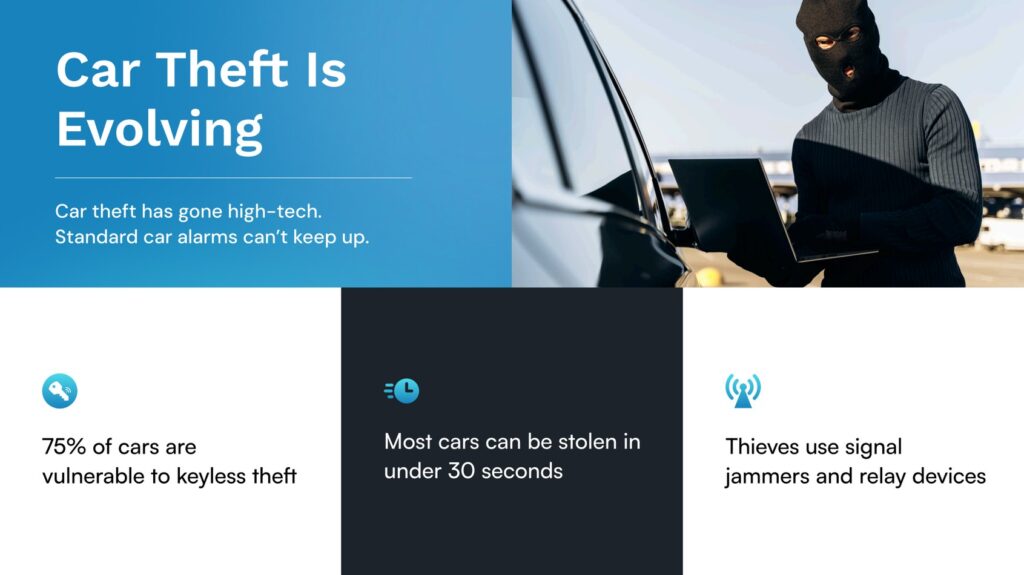
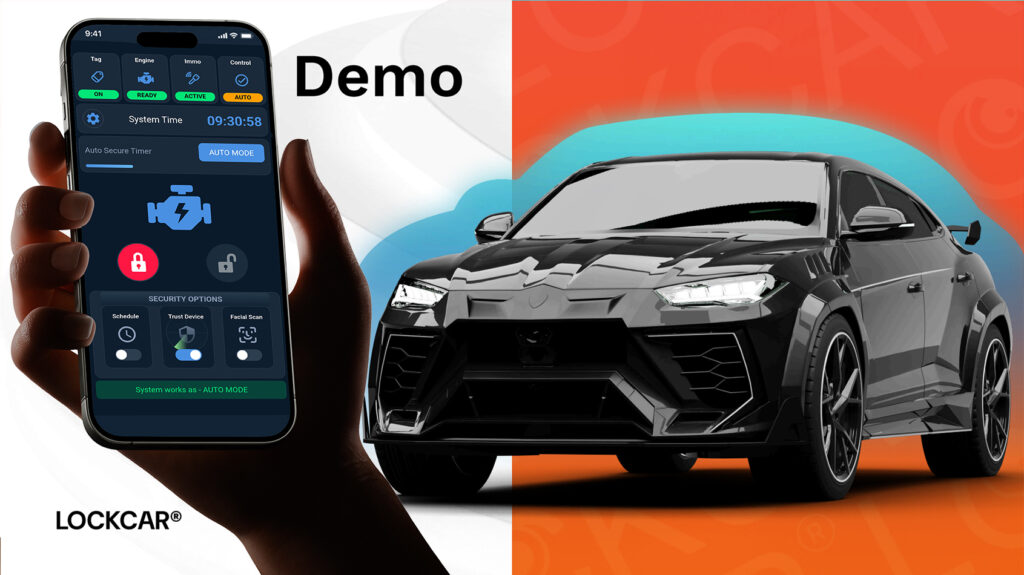
YOUR CAR
CAN BE STOLEN
in under 60 seconds with no alarm triggered
Best dash cam for company cars: what to look for in a front and cabin recording system.
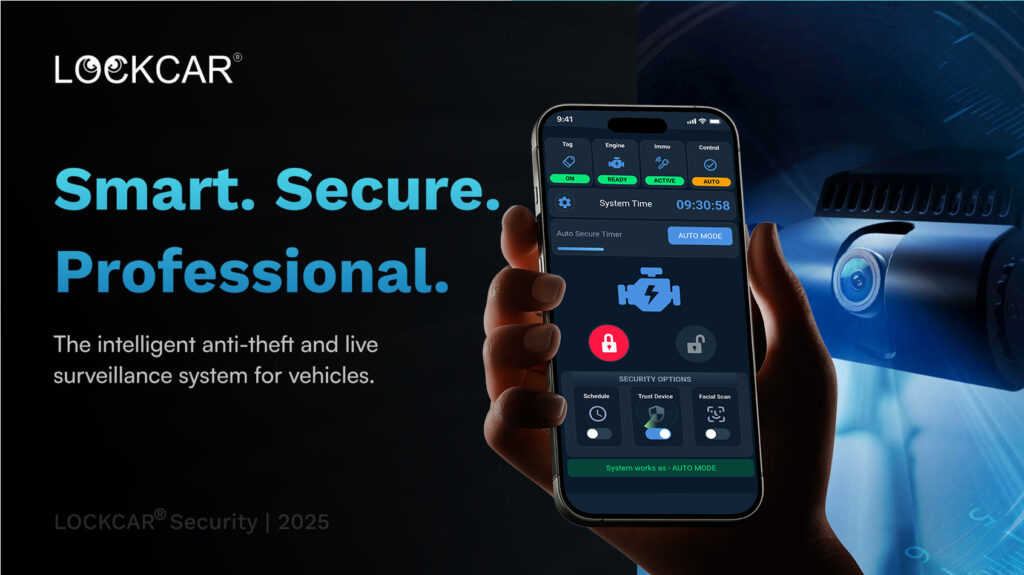
LockCAR designs 4G dashcams, immobilisers and the LFM fleet platform in Birmingham. This guide is for fleet managers and business owners choosing cameras for company cars and vans: what the law expects, which camera views you can justify and how to manage footage across a whole fleet.
- Road and cabin views
- UK GDPR checklist
- Fleet-wide live view
What a company car camera has to do that a personal one does not. Dash Cam for Company Cars
Employer liability, employee privacy and fleet-wide management all shape the right choice.
- Settle claims quickly
- Clear road-facing footage shows what happened in a collision involving a company vehicle.
- Support your duty of care
- Recordings help you look after drivers who spend long hours on the road and back them up after an incident.
- Have a lawful basis
- Under UK GDPR you need a clear reason for recording, usually legitimate interests, and must tell employees about it.
- Work across many vehicles
- Pulling memory cards from cars one by one does not scale. You need to see vehicles without visiting each one.
- Protect the car as well
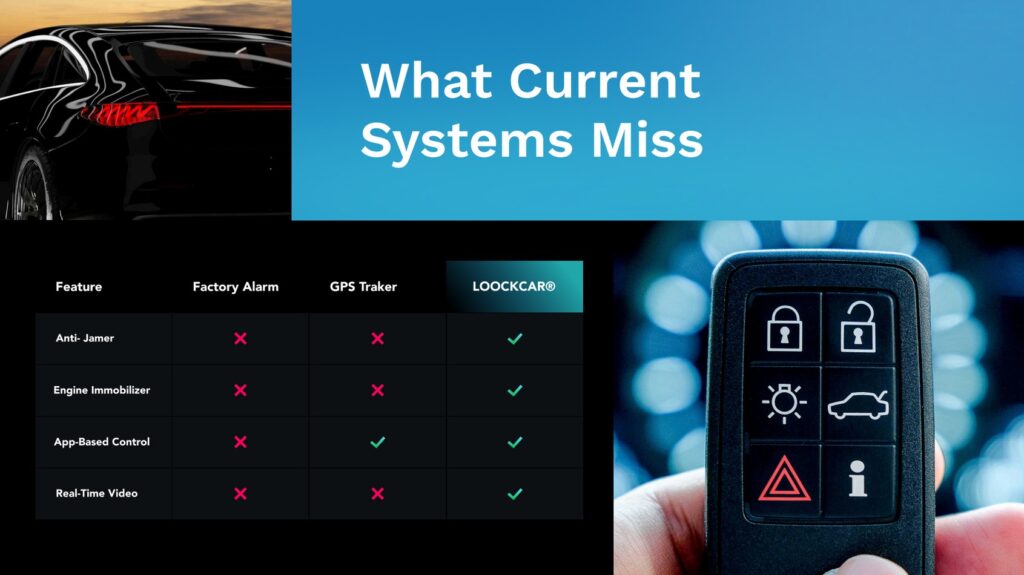
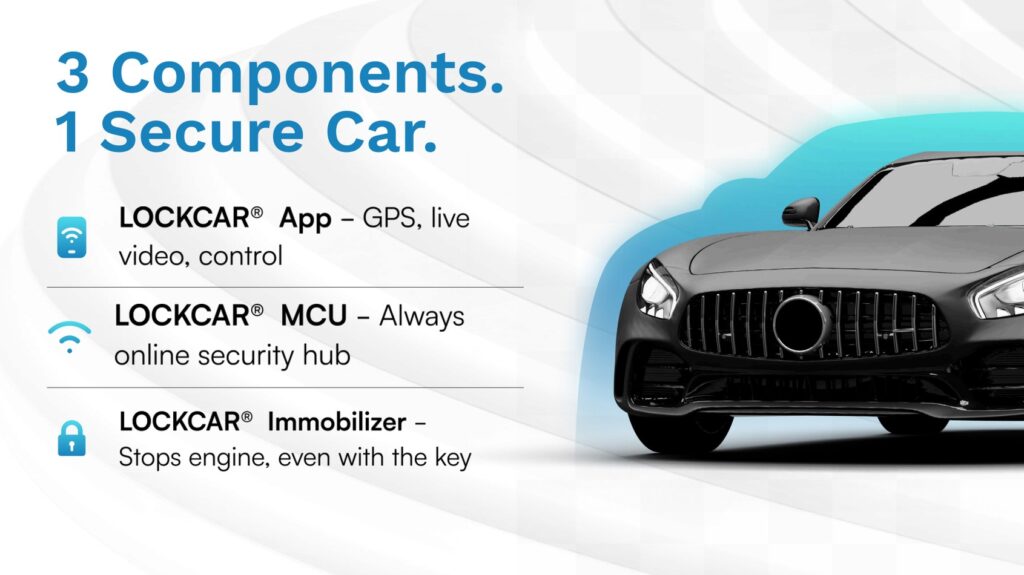
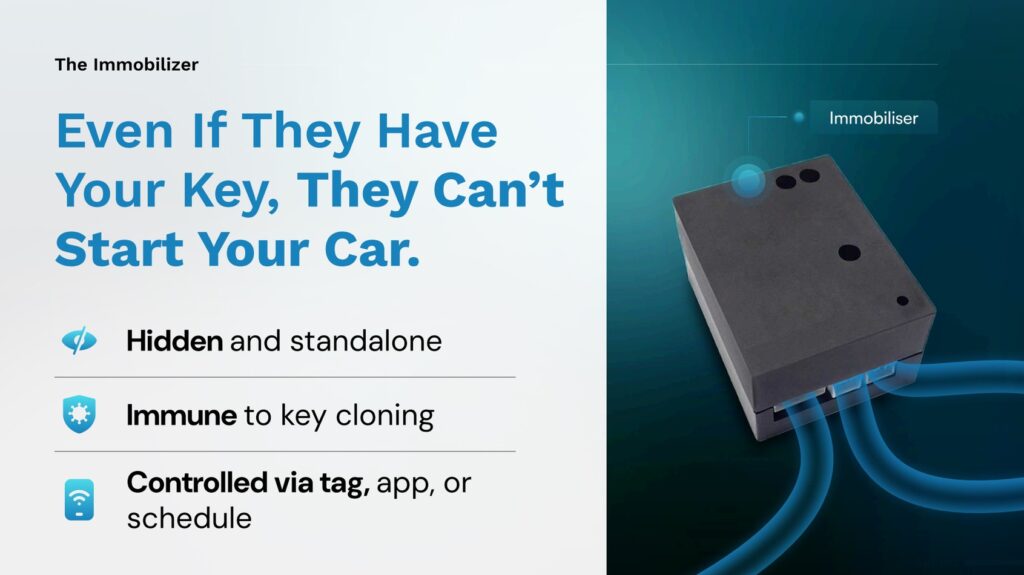
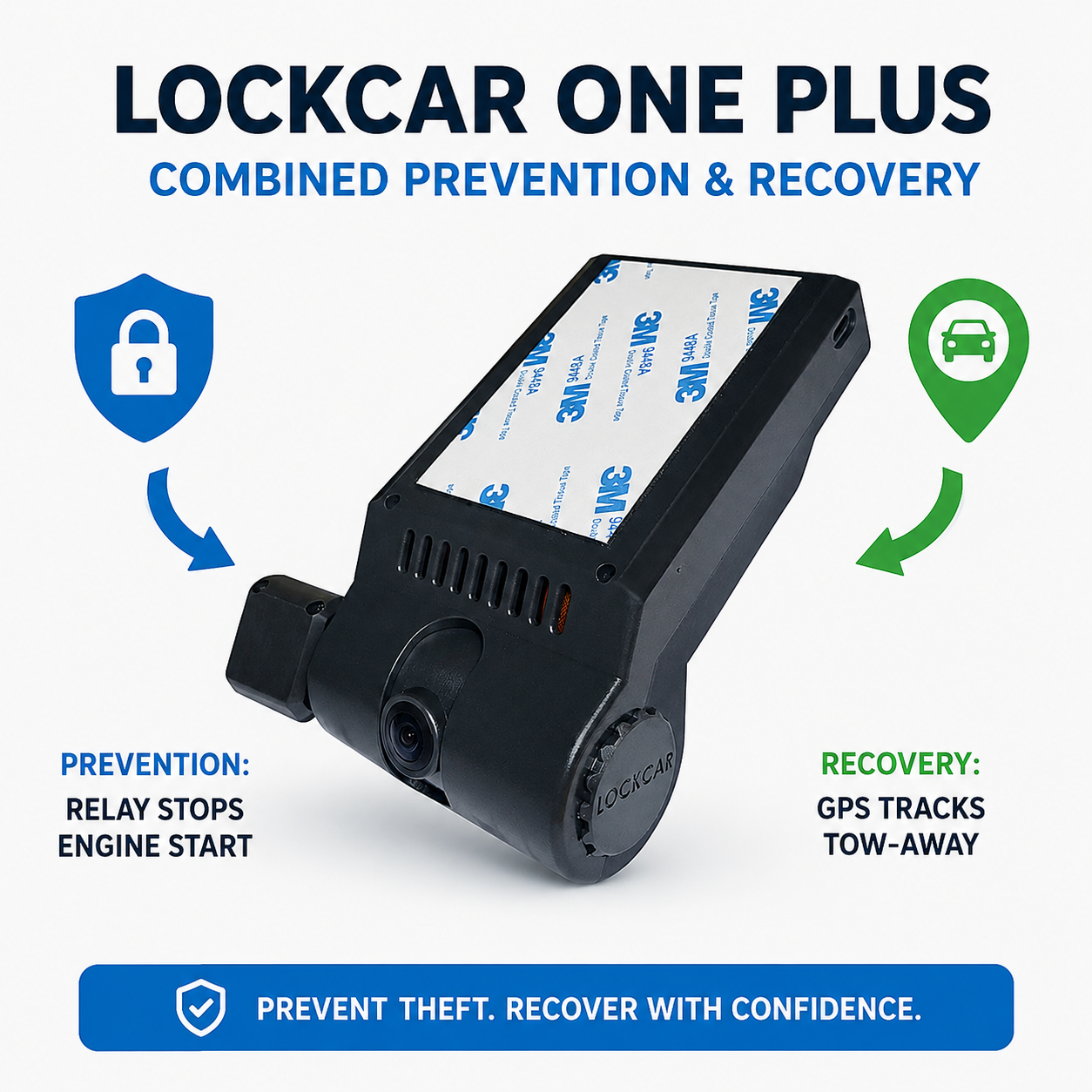
- A camera records a theft. An immobiliser stops it, which is why every LockCAR system has both.
Road-facing or driver-facing: what you can justify
The ICO’s guidance on dashcams in company vehicles sets the framework. Cabin cameras are often justified for high-risk driving roles, passenger transport or work with vulnerable people.
Usually straightforward
- A road-facing camera recording the view ahead
- Footage used for accident claims and disputes
- Recording while the vehicle is being driven for work
- Using footage to defend a driver after an incident
Needs a stronger reason
- A camera facing the driver or the cabin
- Recording in vehicles also used privately
- Keeping footage longer than you need it
- Recording sound inside the cabin
Rolling cameras out across the fleet
Getting the paperwork right before fitting avoids awkward conversations later.
Write the policy first
Set out in a vehicle monitoring policy what is recorded, why, who can view it and how long it is kept, and give it to every driver.
Match the camera to the role
Road-facing systems for most company cars, and a cabin camera only where the role justifies it.
Fit at your depot
Installers come to your company car park. Each car takes typically 60 to 90 minutes, so drivers lose very little of their day.
If you are unsure whether a cabin camera is justified for a role, write down your reasoning in a short assessment, share the outcome with the drivers concerned and review it if the role changes.
Which LockCAR system for which company vehicle
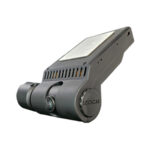
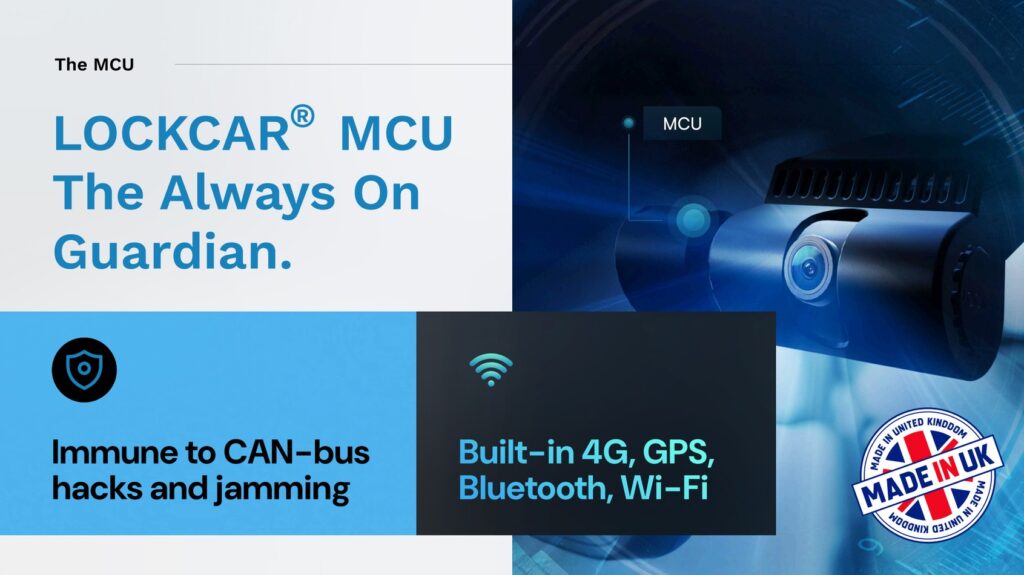
The second camera on Duo systems faces the cabin and the driver, not the road behind. For most company cars, the One Plus 4G is the sensible starting point.
| System | Cameras | GPS and LFM | Best for | Price fitted |
|---|---|---|---|---|
| LockCar One | Road-facing | No | Single vehicles that need evidence and an immobiliser | £450 |
| LockCar One Plus 4G | Road-facing | Yes | Most company cars and vans | £499 |
| LockCar Duo RH | Road and cabin | No | Cabin recording without 4G | £550 |
| LockCar Duo RH Plus 4G | Road and cabin | Yes | Passenger transport and high-risk roles | £699 |
Mixing systems is fine. You can fit road-facing cameras in most vehicles and cabin cameras in only a few, and every LockCAR 4G system appears in the same LFM dashboard.
Why LFM matters once you run several vehicles
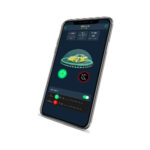
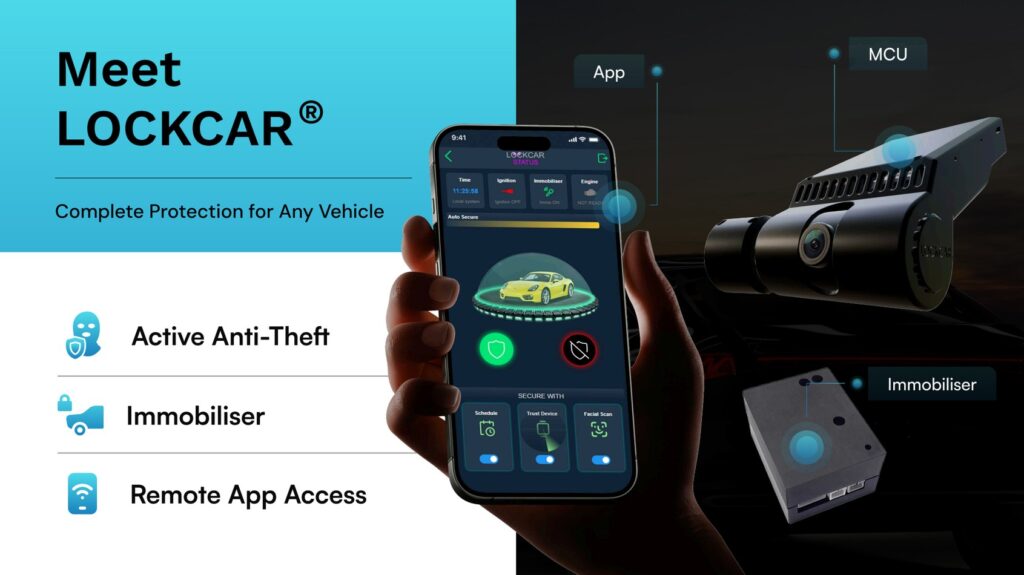
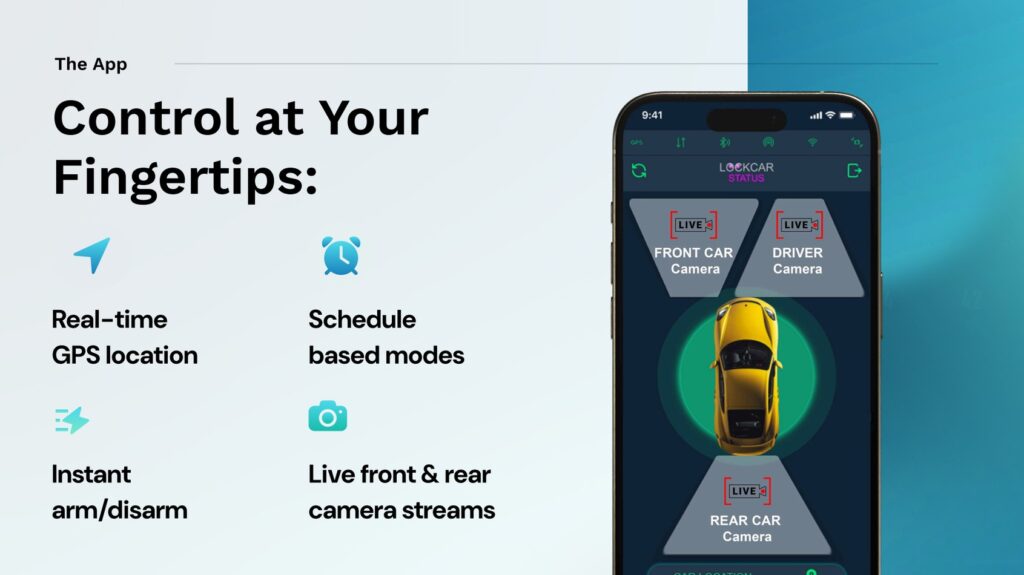
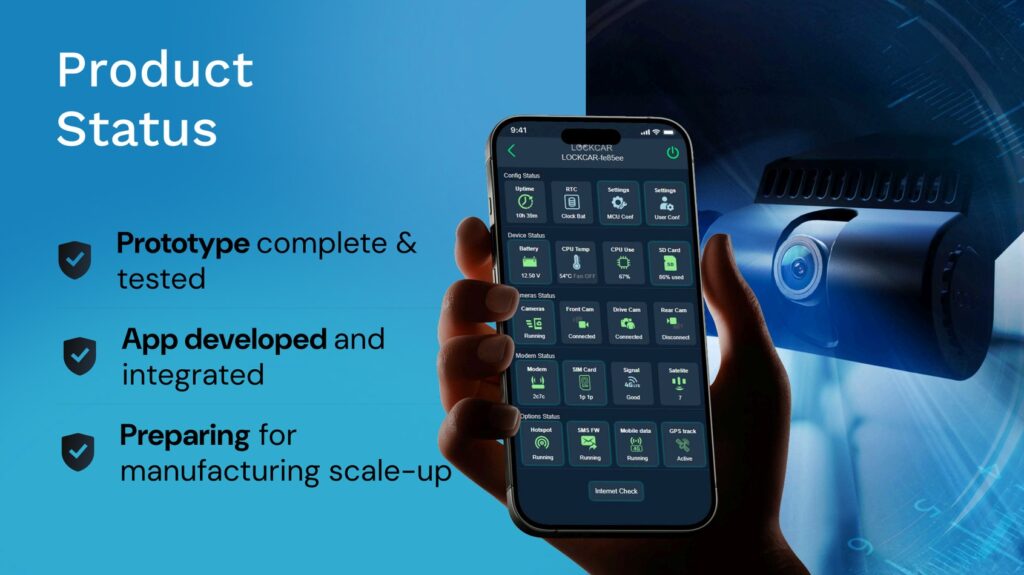
- See without visitingOn vehicles with a compatible 4G system, LFM opens a live camera view from the dashboard.
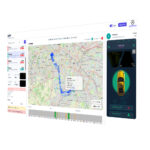
- Know where every vehicle isThe live map and exportable journey history cover the whole fleet.
- Coach with evidenceReports show which drivers brake harshly, accelerate hard, speed or leave the engine idling.
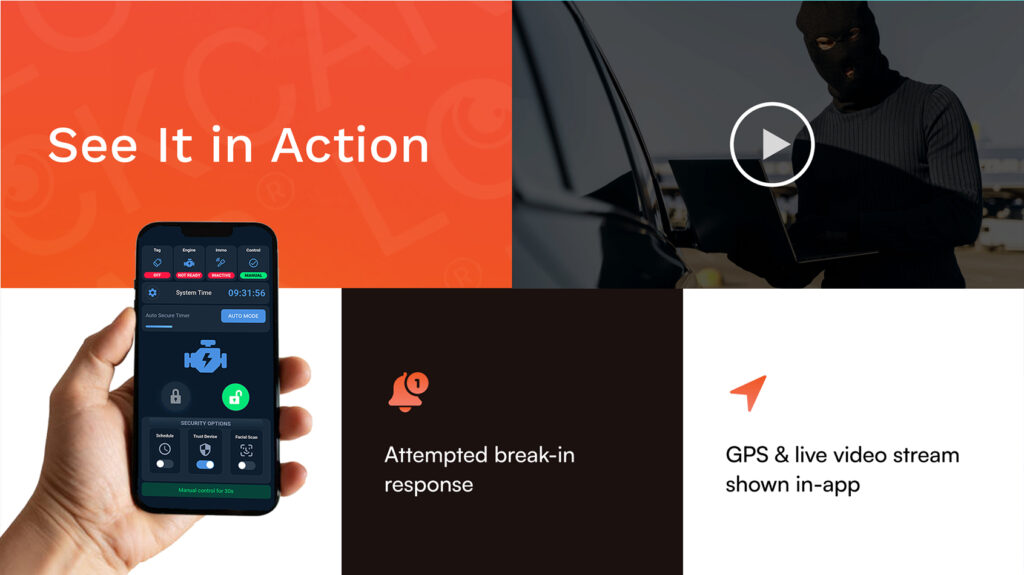
- Stop a stolen vehicleRemote immobilisation works on compatible LockCAR 4G systems.
Company car dashcam questions
Do we have to tell drivers about the cameras?
Yes. Employees must be told about vehicle monitoring, usually through a written policy that explains what is recorded and why.
Can we record the driver?
Only with a stronger justification than for a road-facing camera, such as passenger transport, high-risk driving roles or duty of care for vulnerable people.
Does the Duo record the road behind the car?
No. The Duo’s second camera faces the cabin. If you need a rear view, talk to us about what suits your vehicles.
How do we see footage without visiting every car?
On vehicles with a compatible LockCAR 4G system, LFM gives you a live camera view, the vehicle’s location and its journey history from one dashboard.
How long should we keep footage?
Only as long as you need it for the purpose set out in your policy, for example until a claim is settled. Set a retention period and stick to it.
Do the cameras protect the vehicle too?
Yes. Every LockCAR dashcam system includes an immobiliser that keeps the engine blocked after relay or key cloning theft.
How is pricing worked out for a fleet?
Hardware is priced per vehicle, including fitting, from £450 to £699. LFM is priced per fleet, on request.

Written by the LockCAR engineering team. We design and build CAN bus immobilisers, GPS trackers and 4G dashcams in the UK and fit them through our approved installers. Meet the engineers. Last updated .