

Vehicle security from
£199
Enter car's registration plate number to find the right LockCar security option
We could not pull the details automatically. Fill these in and we will carry on — it only takes a few seconds.
- Free, no obligation
- Fitted, not posted
- 12 months hardware warranty
Showing sample data – add your MOT History API credentials in the plugin settings to return real vehicles.
MOT history
Pick the level of protection
Every option is fitted by an approved installer. Choose one to see the exact devices.
Immobilisers only for
Hidden engine block. Nothing to see, nothing to record.
CAN BUS Immobiliser
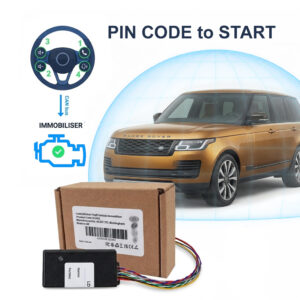
PIN CODE Car Immobiliser LockCar CAN-IMMO – Free Fitting
£299.00 £350.00
PIN CODE to START – NO PIN. NO START – LOCKCAR CAN-IMMO Immobiliser – Smart Advanced CAN Bus Vehicle Immobiliser – entering the PIN CODE each startup
App + Tag Immobiliser
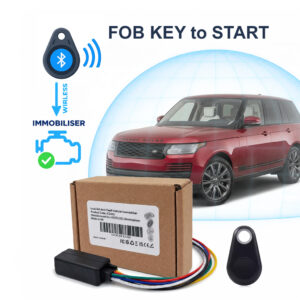
TAG FOB Car Immobiliser LockCar IC3262 TAG Immobiliser
£199.00 £250.00
TAG FOB KEY to START – NO FOB. NO START – LOCKCAR IC3262 Immobiliser – Smart Immobiliser – authorizes the car to start if it detects the fob…
Immobilisers + Dashcams for
Block the theft and record what happens around the car.
Dashcam + Immobiliser + App
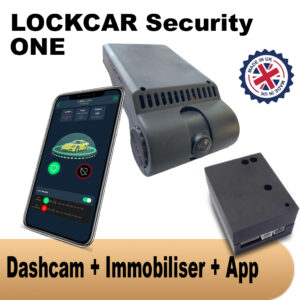
Dashcam + Immobiliser LockCar One – Free Fitting
£450.00 £550.00
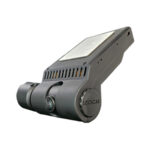
LockCar ONE is a professional dash camera with 24/7 monitoring, SD recording, and smart immobiliser integration. Built for security, durability, and total control in the UK.
Dashcam + Immobiliser + App
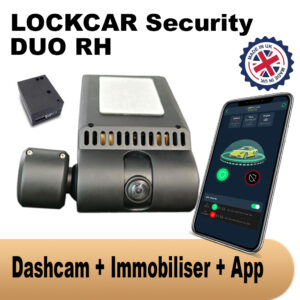
Dashcam + immobiliser Lockcar Duo Rh – Free Fitting
£550.00 £650.00
Local MCU system security. Power ON 24/7. Smart parking mode. Local car status, Immobilization, Local GPS Traking, Local Cameras Front + Driver. FREE UK INSTALLATION
4G Live Dashcams + Immobilisers for
Live view and alerts from anywhere, plus the engine block.
4G + Dashcam + Immobiliser + App
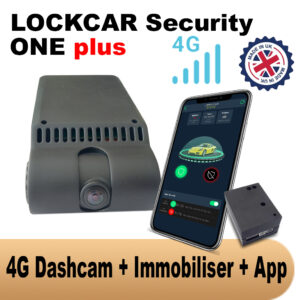
Dashcam + Immobiliser + Tracker LockCar One Plus 4G- Free Fitting
£499.00 £600.00
LockCar One Plus is 4G remote access and intelligent immobiliser. Designed for modern threats, this advanced anti-theft system allows you to monitor and control your car from anywhere,…
4G + Dashcam + Immobiliser + App
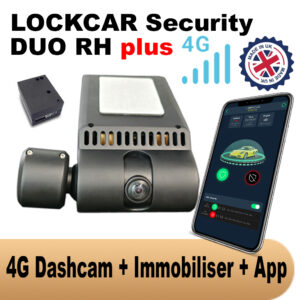
4G Daschcam + Immobiliser + Tracker Lockcar Duo Rh Plus 4G – Free Fitting
£699.00 £750.00
Remote access via 4g permanently. Power ON 24/7. Smart parking mode. Real-time car status, Immobilization, Real-time GPS Traking, Live Cameras Front + Driver. FREE UK INSTALLATION
Where should we fit it?
We come back with the theft method known for your model, what we would fit, the price with fitting, and the nearest slot to you. One message, no sales calls.
Got it – check your inbox
We have your registration and what you picked. We will come back to you shortly.
Message us on WhatsAppThatcham categories explained: what Category 1, Category 2, S5 and S7 actually mean
Insurers drop these labels into policy wording constantly and rarely explain them. Here is a plain-English breakdown of what each category actually tests for, and why the label is not the only thing that matters.
What Thatcham actually is
Thatcham Research is an independent UK organisation that tests and certifies vehicle security products against defined standards. When insurers ask for a “Thatcham-approved” device, they mean one that has passed one of these specific certification categories.
The categories exist to give insurers a consistent way to compare products from different manufacturers. They are a useful shorthand, not the entire picture of whether a device is genuinely effective.
The categories, broken down
Category 1: Alarm Plus Immobiliser
A combined system covering both deterrence, through an alarm, and prevention, through immobilisation. Generally considered one of the higher levels of certified protection.
Category 2: Immobiliser Only
Covers engine immobilisation without an audible alarm component. Many modern factory-fitted systems fall into this category as standard.
Category S5 and S7: Tracking Systems
S5 adds driver recognition, typically via a proximity tag checked at every start, to standard GPS tracking. S7 is tracking without that recognition layer.
Why the label is not the only thing that matters
Not every genuinely effective security product carries a Thatcham category. Some well-regarded PIN-based immobilisers on the UK market are certified instead by other bodies, or fall outside the current Thatcham certification structure entirely, simply because the technology does not map neatly onto categories that predate it. That does not automatically make a product weaker, it means the label and the actual protection are two separate questions.
If your policy names a specific Thatcham category as a condition, that is what you need to meet, and you should confirm with your insurer or installer whether a given product satisfies it. LockCar CAN-IMMO’s certification status for your specific policy should be confirmed directly with your installer or insurer rather than assumed from this page.
LockCar recommended for this page
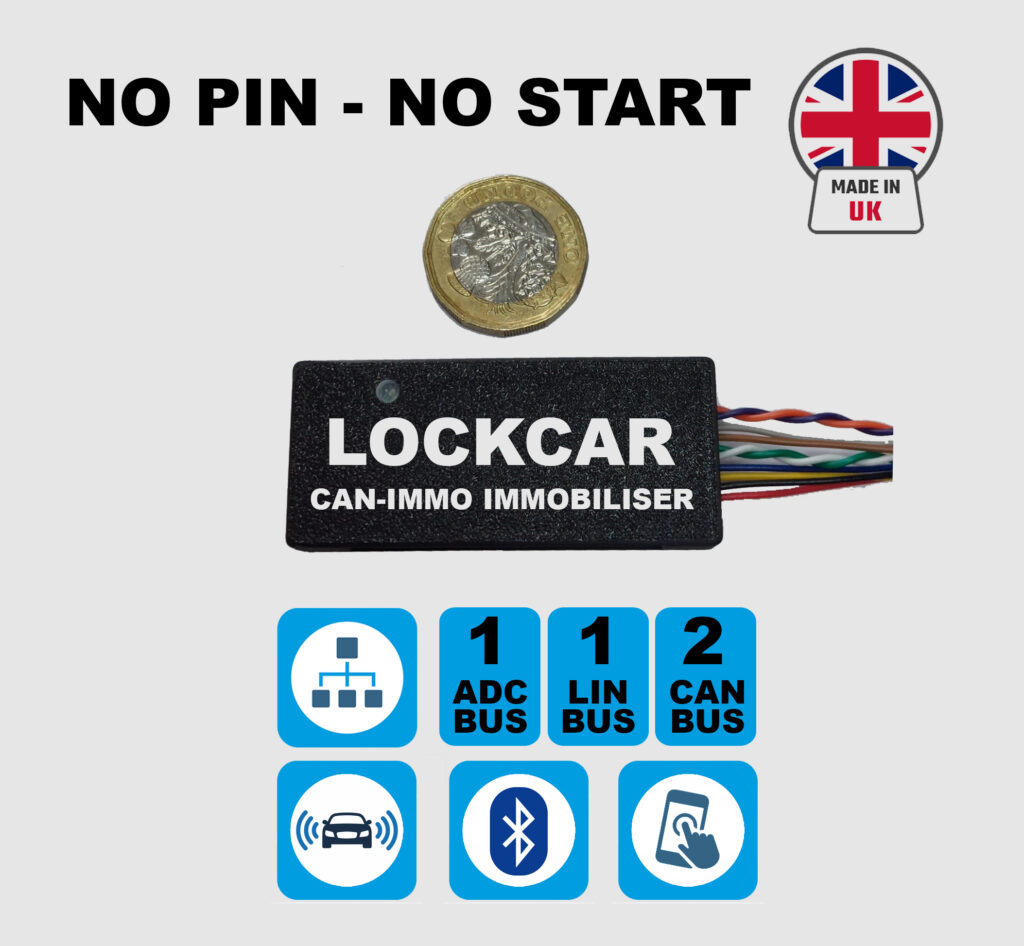
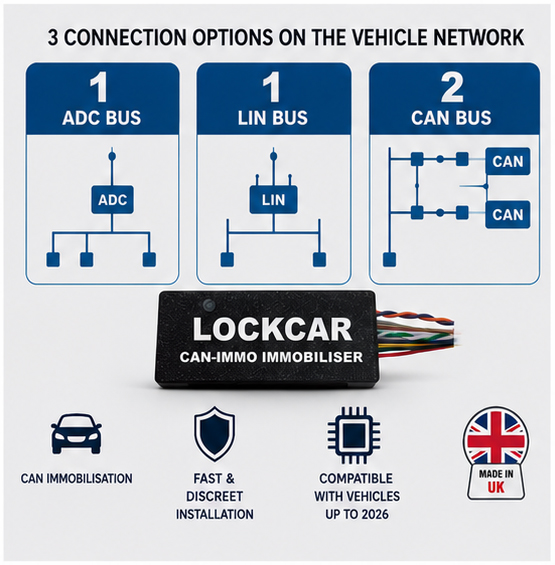
- CAN bus, LIN bus and ADC bus PIN immobiliser
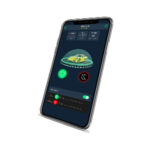
- Bluetooth app control, optional proximity TAG
- Anti-hijack protection, hidden installation
- Speak to your insurer about your own policy’s requirements
- Every model built on the same CAN-IMMO core
- Speak to an installer for the right fit
Frequently asked questions
Is LockCar CAN-IMMO Thatcham approved?
Please confirm current certification status directly with your installer before purchase if this is a requirement for your specific insurance policy, as certifications and category structures can change over time.
Does my insurer definitely require a Thatcham category?
Not necessarily. Requirements vary by insurer, vehicle value, and risk profile. Read your policy documents or contact your insurer to confirm what, if anything, is required for your specific vehicle.
What is the difference between Category 1 and Category 2?
Category 1 combines an alarm with an immobiliser. Category 2 covers immobilisation alone, without an audible alarm component.
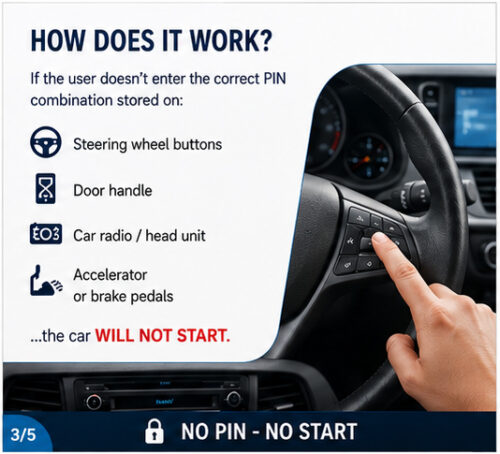
Ask us how CAN-IMMO fits your specific policy requirements
LockCar CAN-IMMO is fitted UK-wide, vehicle-specific programming included.