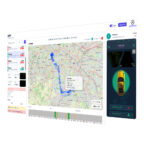


Vehicle security from
£199
Enter car's registration plate number to find the right LockCar security option
We could not pull the details automatically. Fill these in and we will carry on — it only takes a few seconds.
- Free, no obligation
- Fitted, not posted
- 12 months hardware warranty
Showing sample data – add your MOT History API credentials in the plugin settings to return real vehicles.
MOT history
Pick the level of protection
Every option is fitted by an approved installer. Choose one to see the exact devices.
Immobilisers only for
Hidden engine block. Nothing to see, nothing to record.
CAN BUS Immobiliser
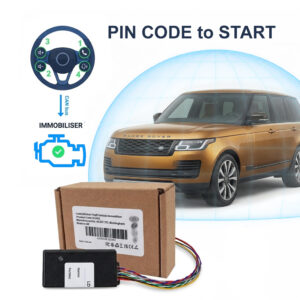
PIN CODE Car Immobiliser LockCar CAN-IMMO – Free Fitting
£299.00 £350.00
PIN CODE to START – NO PIN. NO START – LOCKCAR CAN-IMMO Immobiliser – Smart Advanced CAN Bus Vehicle Immobiliser – entering the PIN CODE each startup
App + Tag Immobiliser
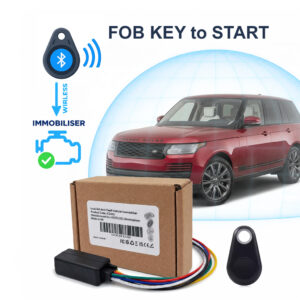
TAG FOB Car Immobiliser LockCar IC3262 TAG Immobiliser
£199.00 £250.00
TAG FOB KEY to START – NO FOB. NO START – LOCKCAR IC3262 Immobiliser – Smart Immobiliser – authorizes the car to start if it detects the fob…
Immobilisers + Dashcams for
Block the theft and record what happens around the car.
Dashcam + Immobiliser + App
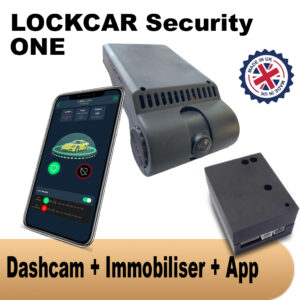
Dashcam + Immobiliser LockCar One – Free Fitting
£450.00 £550.00
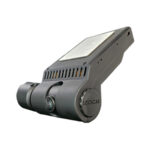
LockCar ONE is a professional dash camera with 24/7 monitoring, SD recording, and smart immobiliser integration. Built for security, durability, and total control in the UK.
Dashcam + Immobiliser + App
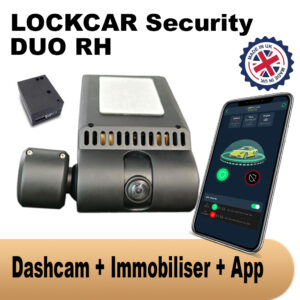
Dashcam + immobiliser Lockcar Duo Rh – Free Fitting
£550.00 £650.00
Local MCU system security. Power ON 24/7. Smart parking mode. Local car status, Immobilization, Local GPS Traking, Local Cameras Front + Driver. FREE UK INSTALLATION
4G Live Dashcams + Immobilisers for
Live view and alerts from anywhere, plus the engine block.
4G + Dashcam + Immobiliser + App
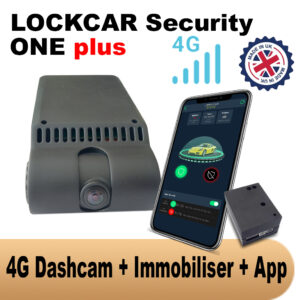
Dashcam + Immobiliser + Tracker LockCar One Plus 4G- Free Fitting
£499.00 £600.00
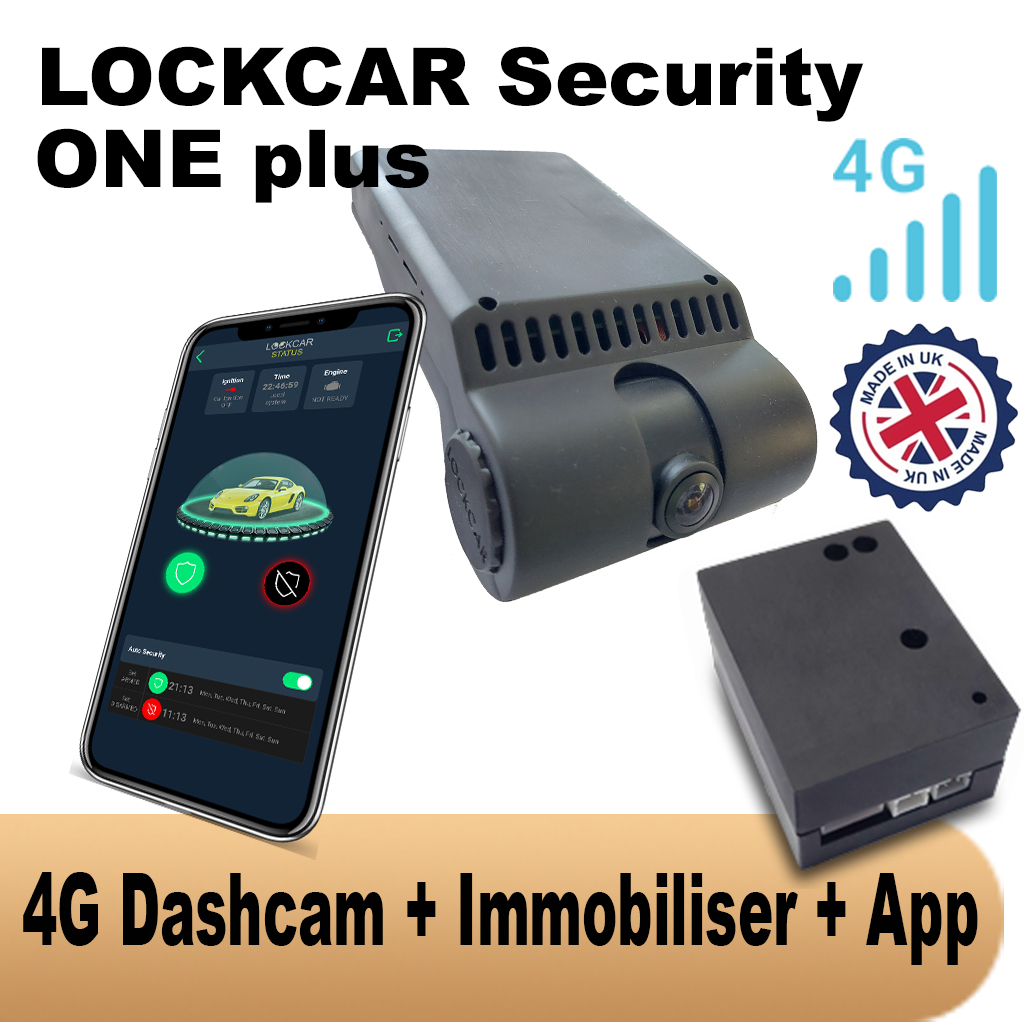
LockCar One Plus is 4G remote access and intelligent immobiliser. Designed for modern threats, this advanced anti-theft system allows you to monitor and control your car from anywhere,…
4G + Dashcam + Immobiliser + App
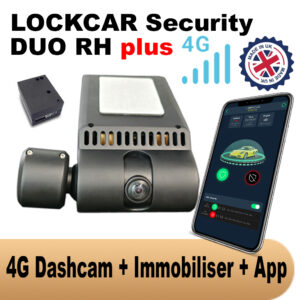
4G Daschcam + Immobiliser + Tracker Lockcar Duo Rh Plus 4G – Free Fitting
£699.00 £750.00
Remote access via 4g permanently. Power ON 24/7. Smart parking mode. Real-time car status, Immobilization, Real-time GPS Traking, Live Cameras Front + Driver. FREE UK INSTALLATION
Where should we fit it?
We come back with the theft method known for your model, what we would fit, the price with fitting, and the nearest slot to you. One message, no sales calls.
Got it – check your inbox
We have your registration and what you picked. We will come back to you shortly.
Message us on WhatsAppSignal jamming: the theft method where your car never actually locks
You press the lock button, hear the beep in your head, and walk away. Except a jammer nearby blocked the signal, and your car is still unlocked. This is one of the quietest and least understood forms of car theft in the UK.
How signal jamming actually works
Your key fob sends a lock signal to the car when you press the button. A jamming device nearby floods that same radio frequency with noise, so the signal never reaches the car. The doors stay unlocked, but you hear the same beep or see the same flash you always do, or you simply do not check.
You walk away believing the car is secure. It is not. A thief who was watching, or who placed the jammer specifically for that car park, can open the door and take whatever is inside, or in some cases plug into the OBD port to attempt a further attack.
Because there is no forced entry and no broken glass, this method can go completely unnoticed until the owner returns to a car that has clearly been accessed.
How it differs from a relay attack
Blocks, Does Not Copy
A relay attack captures and replays your key’s signal. A jammer simply stops your lock command from arriving. Different mechanism, same silent result.
Happens Away From Home
Relay attacks typically target a car on the owner’s driveway. Jamming is common in car parks, at petrol stations, or anywhere a thief can watch you walk away.
Needs a Human to Notice the Gap
A jammed lock only fails silently if you do not double check. Manually testing the door handle after locking closes this specific gap for free.
What actually defends against it
The free defence is habit: after locking, physically try the door handle before you walk away. It takes two seconds and defeats jamming outright, because you will know immediately if the car did not lock.
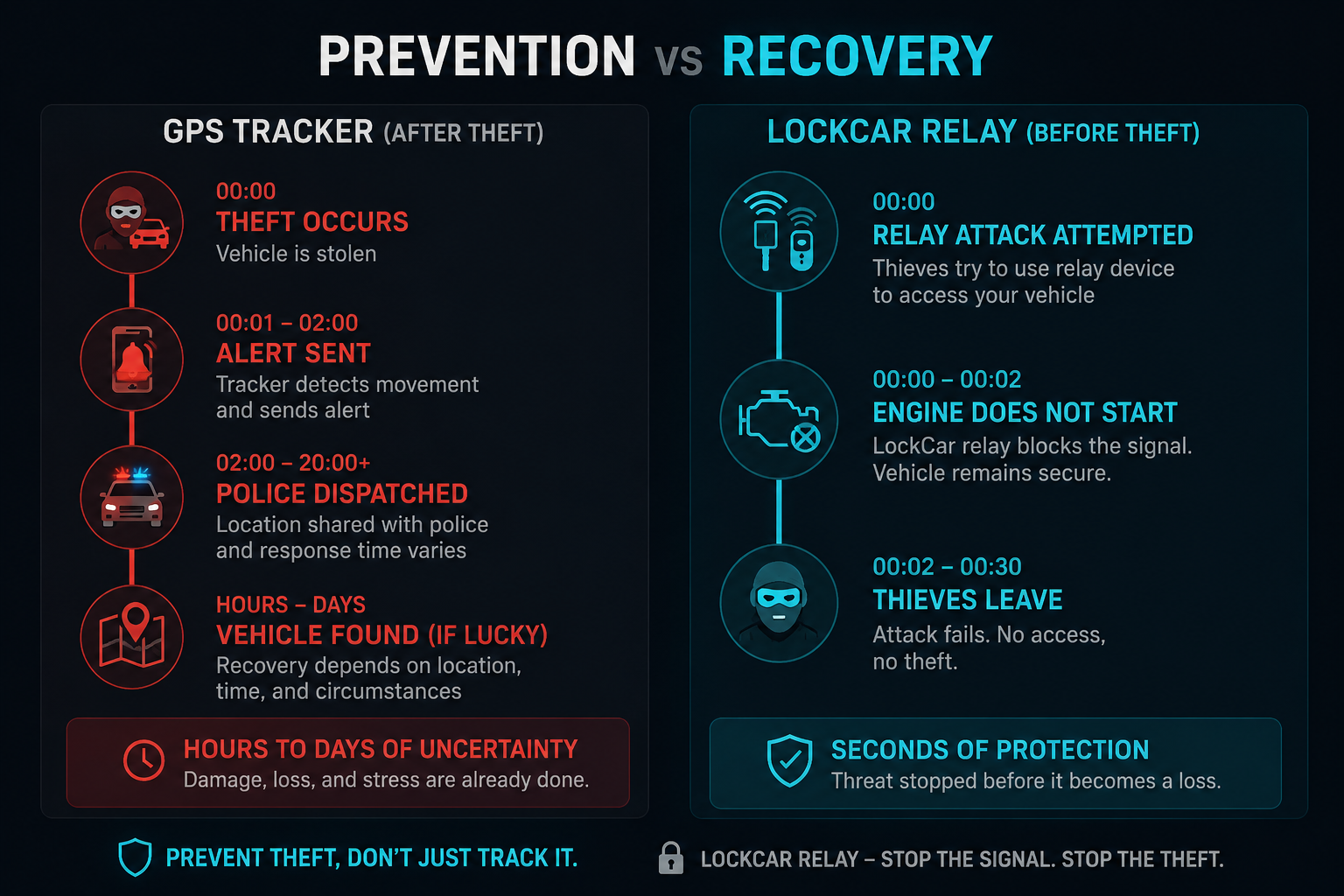
The layer that does not rely on remembering is a relay immobiliser. Even if a thief gets into an unlocked car after a successful jamming attempt, the engine still will not start without your paired phone or proximity tag. Jamming can open the door. It cannot authorise the engine to run.
The car door can be opened by jamming, relay attacks, or a smashed window. LockCar’s relay immobiliser guards the one door that actually matters for driving the vehicle away: the start circuit.
LockCar recommended for this page
- Guards the start circuit, not just the door lock
- Works regardless of how the door was opened
- From £150 fitted, full insurance certificate
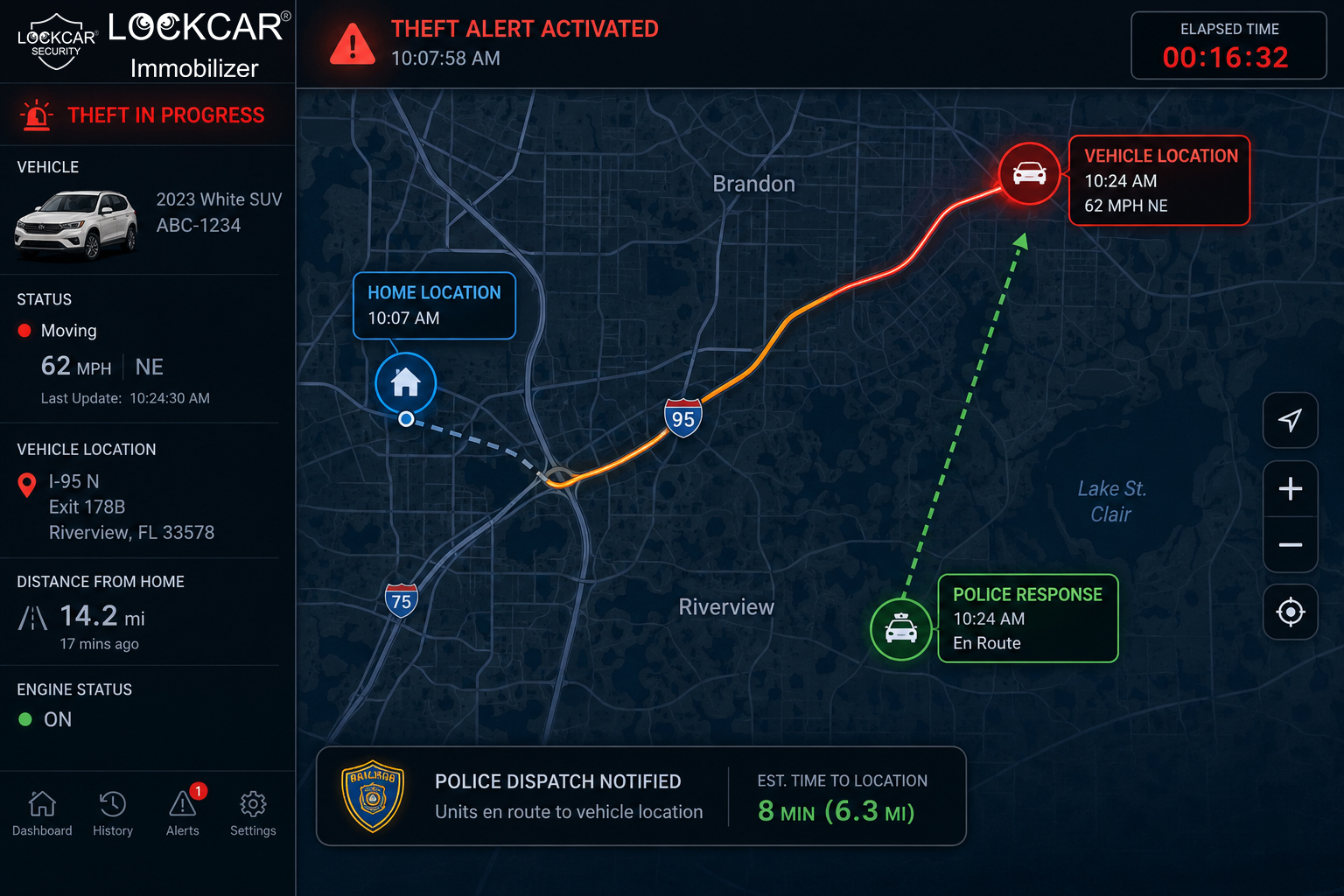
- Alerts you if the vehicle is accessed and moved
- Live camera stream to check what happened
- No mandatory monthly subscription
Frequently asked questions
How do I know if my car has been jammed rather than just forgotten to lock?
You usually cannot tell after the fact. That is exactly why the habit of physically testing the door handle after locking matters more than trying to diagnose it afterwards.
Can a jammer also stop a relay immobiliser from working?
A jammer targets the radio frequency your key fob uses to lock and unlock the doors. It does not defeat the separate relay break in the start circuit, which relies on your paired phone and proximity tag rather than the fob signal.
Is signal jamming illegal in the UK?
Using a jamming device to interfere with radio signals is illegal in the UK. That does not stop criminals from using them, which is why vehicle-side protection matters regardless of the law around the devices themselves.
Protect the door that actually matters
LockCar relay immobilisers guard the start circuit, whatever method got a thief through the door.