

YOUR CAR
CAN BE STOLEN
in under 60 seconds with no alarm triggered
Keyless car theft in the UK
Keyless car theft has exploded across the UK, with some areas seeing increases of over 350% since 2016. This article explains how relay attacks work, which vehicles are most at risk, and how to protect your car.
In this article
According to data from Tracker UK and the Office for National Statistics, keyless car theft has become one of the fastest-growing crimes in Britain. In 2023 alone, over 130,000 vehicles were stolen across England and Wales – a 45% increase from 2019. The West Midlands has the highest vehicle theft rate in the UK at 1,451 offences per 100,000 residents, significantly higher than Greater London’s 1,117.
UK keyless car theft statistics
The rise of keyless entry systems has created new opportunities for criminals. Tracker UK reports that 94% of vehicle theft recovery experts have seen an increase in keyless thefts, with 88% believing that manufacturers are losing the battle against vehicle crime. The total value of stolen vehicles in the UK reached approximately £1.3 billion in 2024.
The most targeted areas for vehicle theft are the West Midlands (1,451 per 100,000), Greater London (1,117 per 100,000), and West Yorkshire (897 per 100,000). These regions have seen organised theft rings using sophisticated relay equipment to bypass factory security systems.
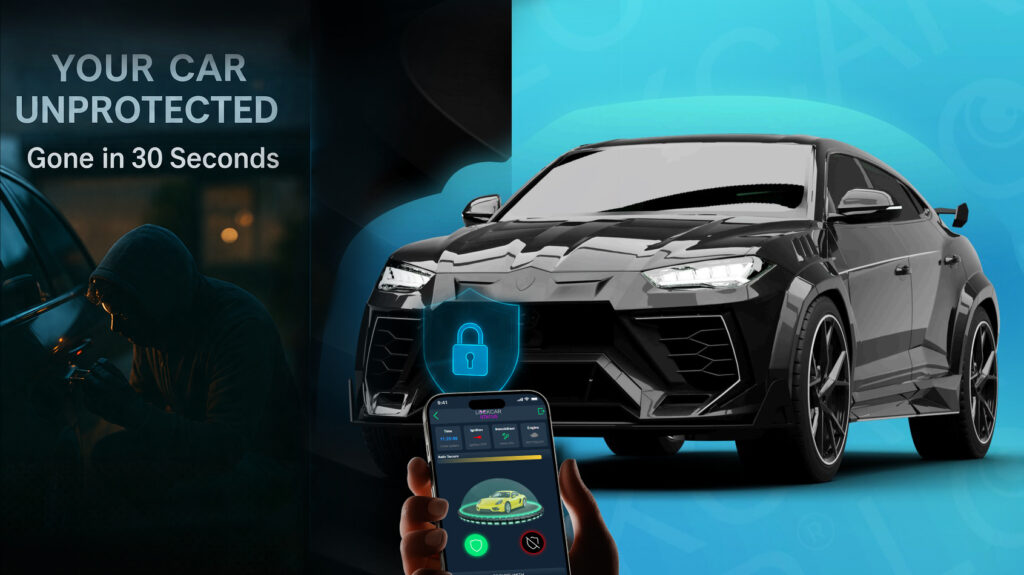
West Midlands Police report that relay equipment can be purchased online for under £100, making this tactic accessible to even low-level criminal gangs. The factory immobiliser in most keyless vehicles can be bypassed in under 60 seconds.
How relay attacks work
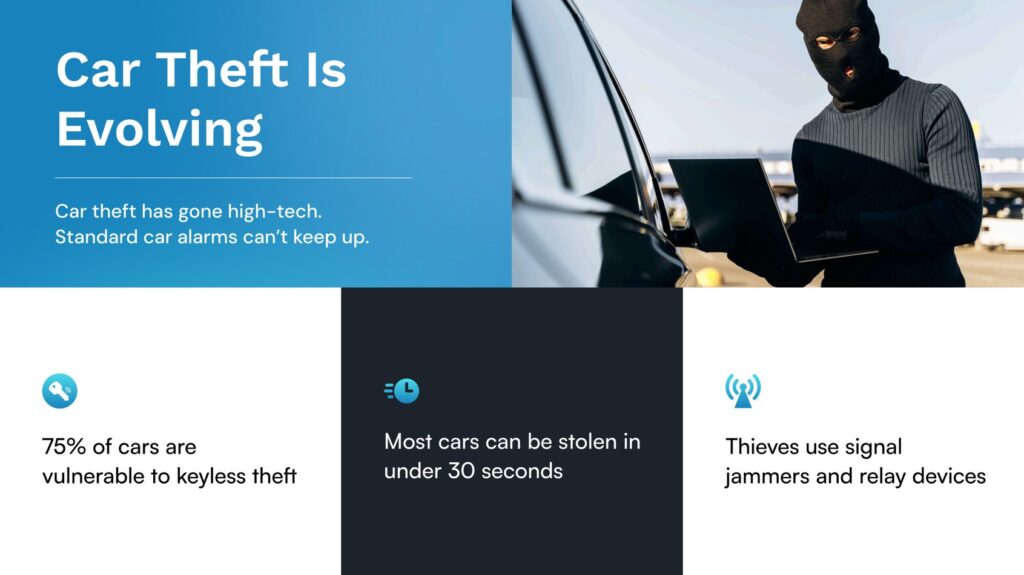
A relay attack exploits the keyless entry system found in most modern vehicles. Criminals work in pairs using two electronic devices: a relay amplifier and a relay transmitter. One criminal stands near the house or building where the key fob is located, using the amplifier to capture and boost the signal. The second criminal stands by the vehicle with the transmitter, which replicates the boosted signal. The car believes the key is present and unlocks or starts.
In a real incident documented by West Yorkshire Police in March 2025, a grey Mercedes AMG was stolen in under 10 minutes. CCTV showed two suspects wearing balaclavas approach the address, with one walking around the vehicle with arms raised – using a signal-boosting device to capture the key signal from inside the house. Within minutes, the vehicle lit up and the suspects drove away.
Most vulnerable vehicles
According to Tracker UK and DVLA data, the most stolen vehicles in 2024-2025 include:
Mercedes-Benz ranks as the 5th most stolen brand with 3,856 thefts in 2025. The C-Class, E-Class, and A-Class consistently appear in the top 15 most stolen models. Other highly targeted brands include Land Rover (4,959 thefts), Ford (3,898 thefts), and BMW (3,845 thefts).
The Range Rover, Mercedes C-Class, and BMW X5 are particularly vulnerable to relay attacks due to their keyless entry systems and high resale value on the black market.
How to protect your car
Merseyside Police and West Midlands Police urge drivers of keyless-entry vehicles to use a layered security approach:
1. Signal-blocking pouches (Faraday bags) – Store your keys in a Faraday bag when at home. This blocks the signal from being captured by relay amplifiers. However, pouches only protect when the key is stationary.
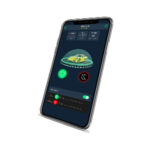
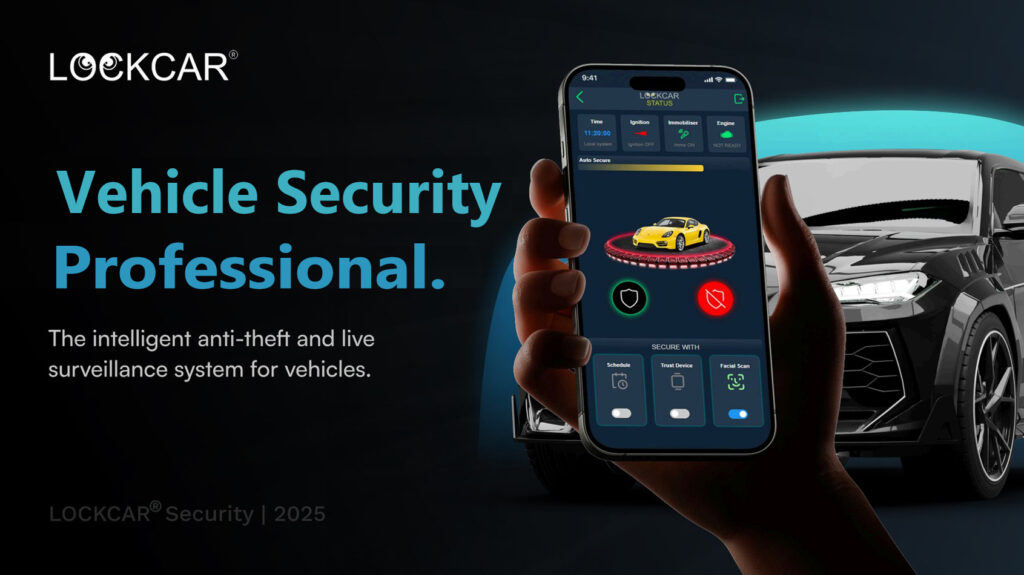
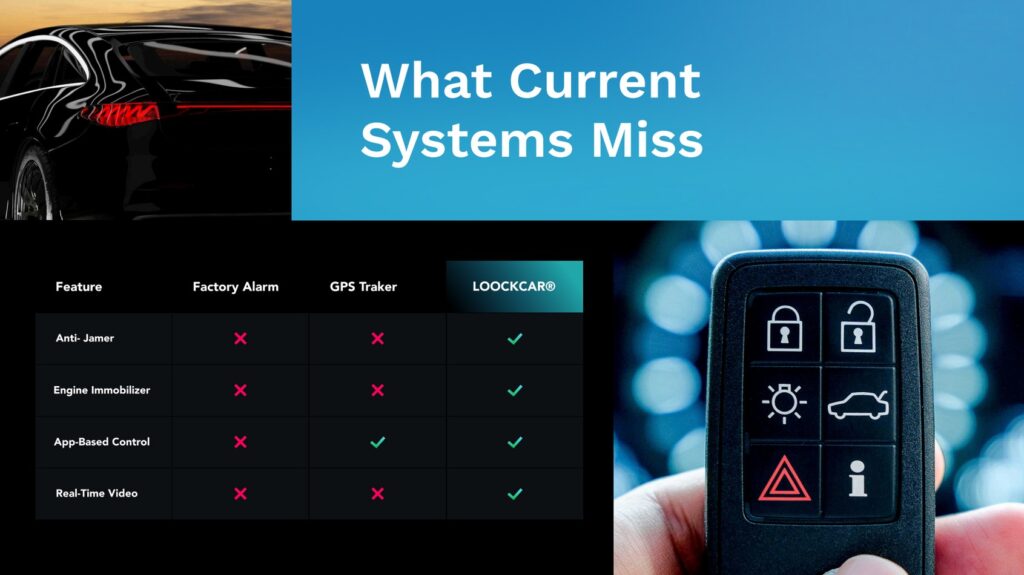
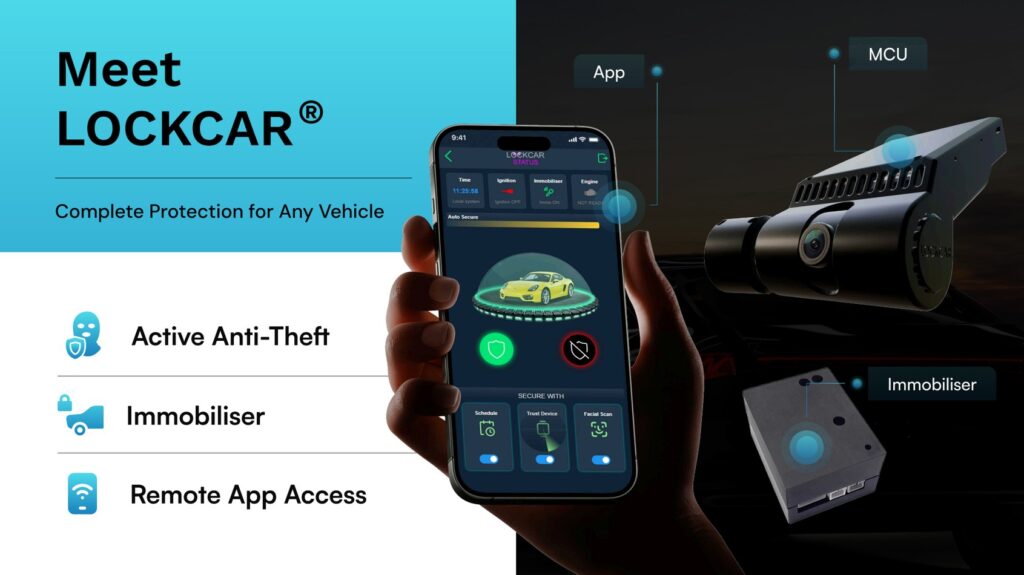
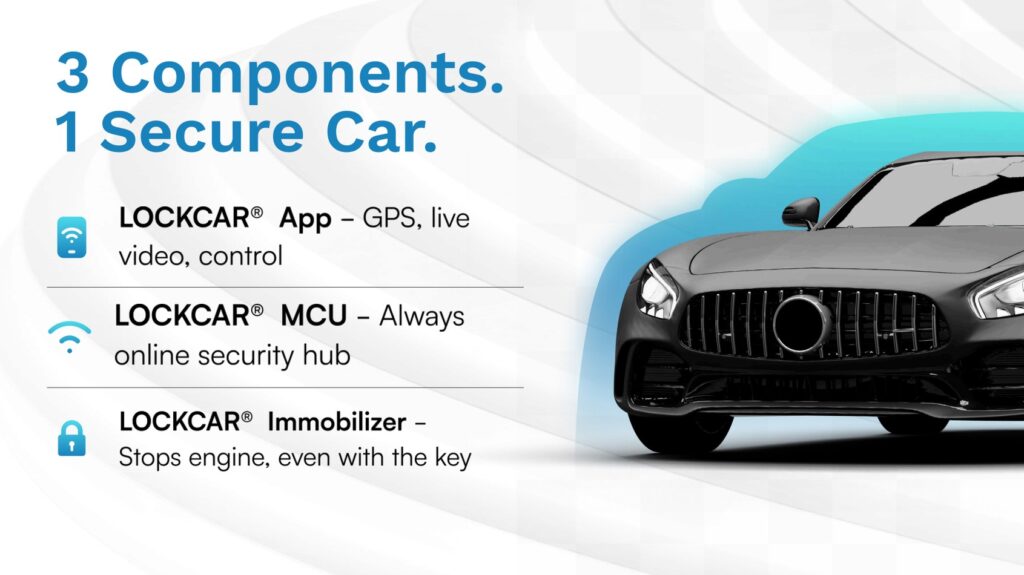
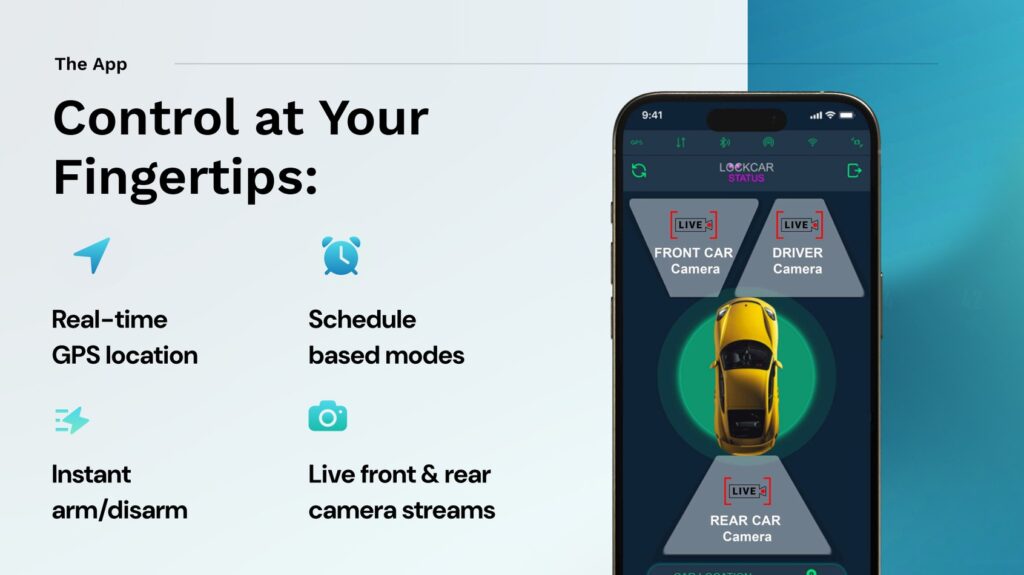
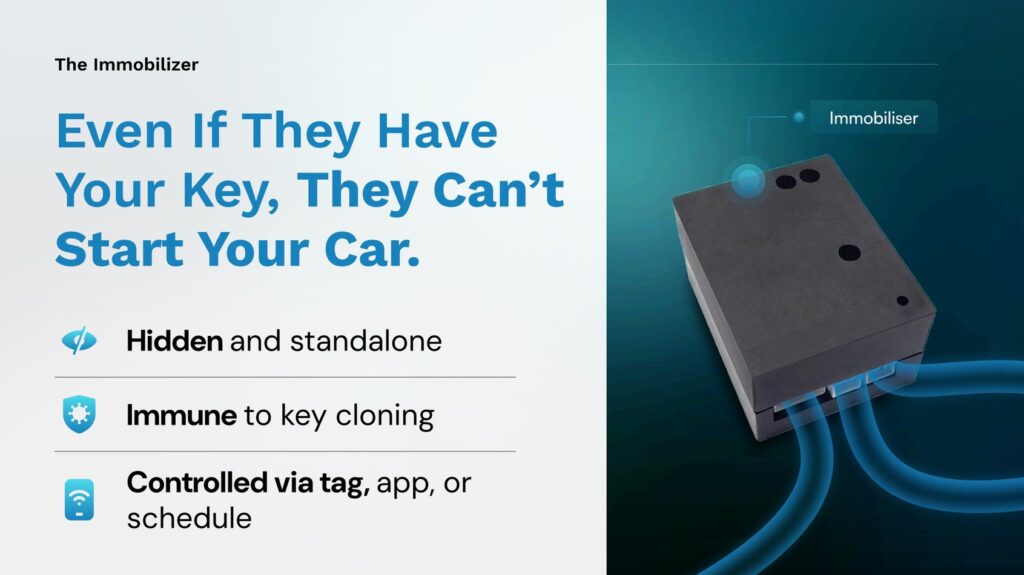
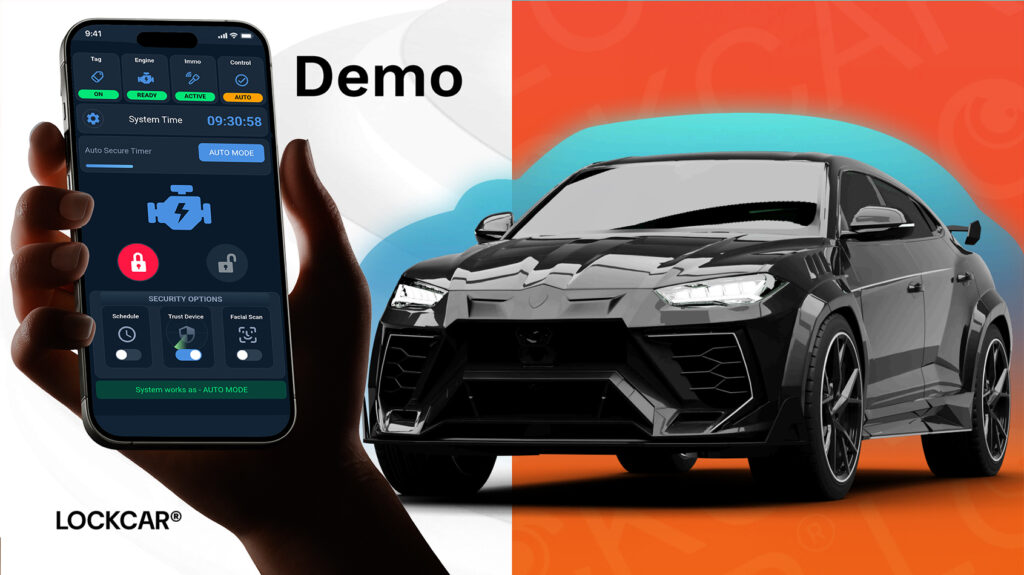
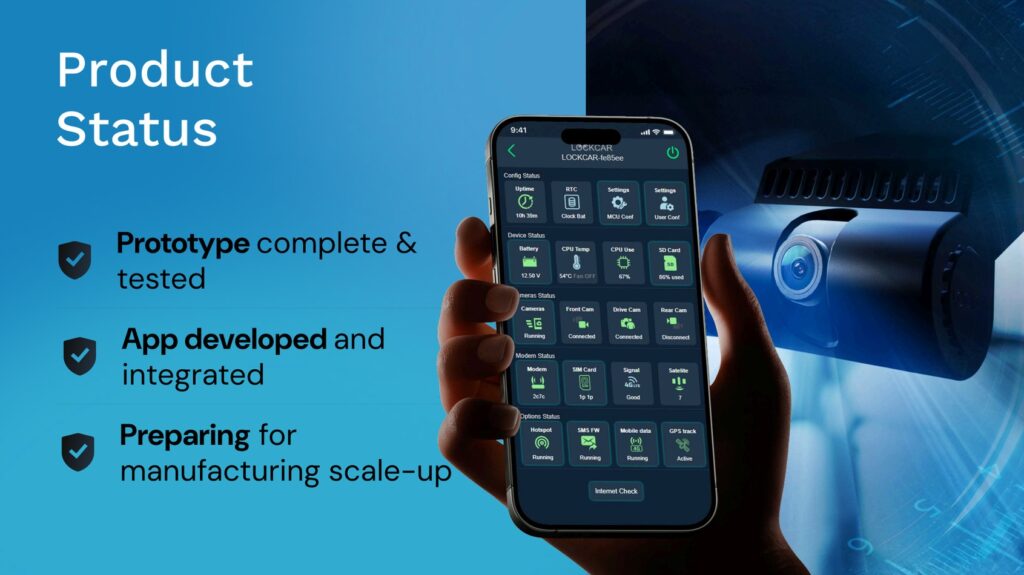
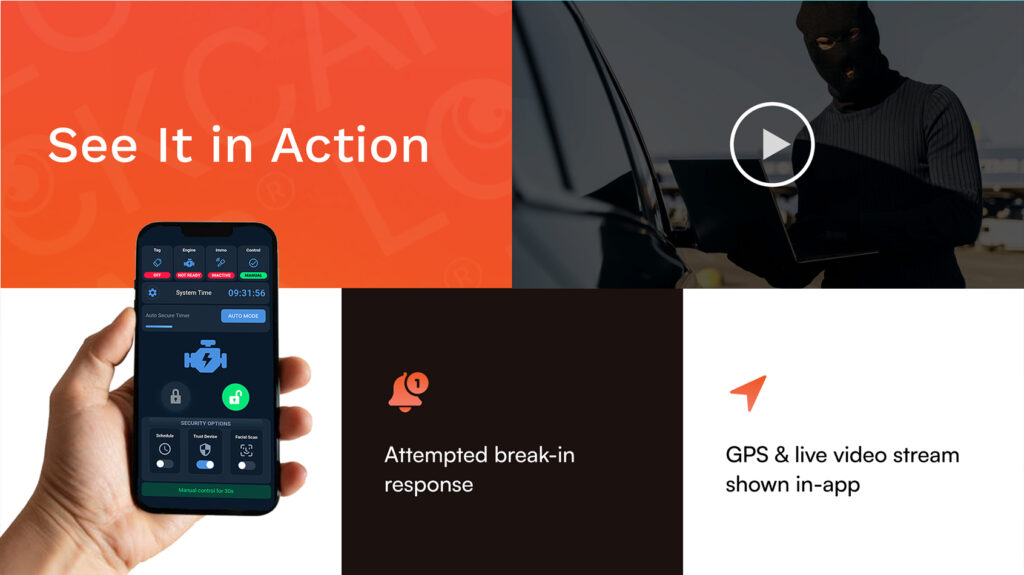
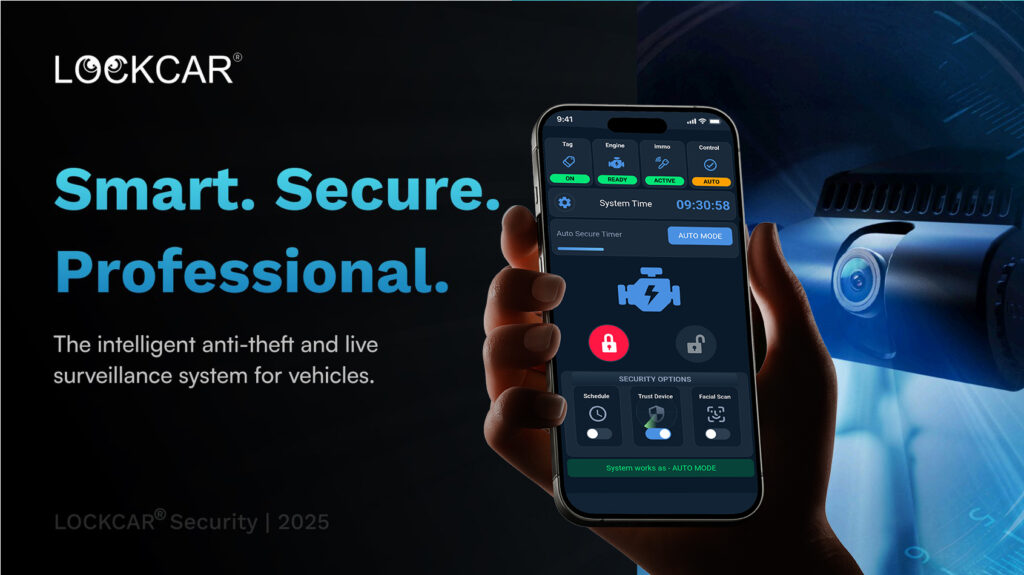
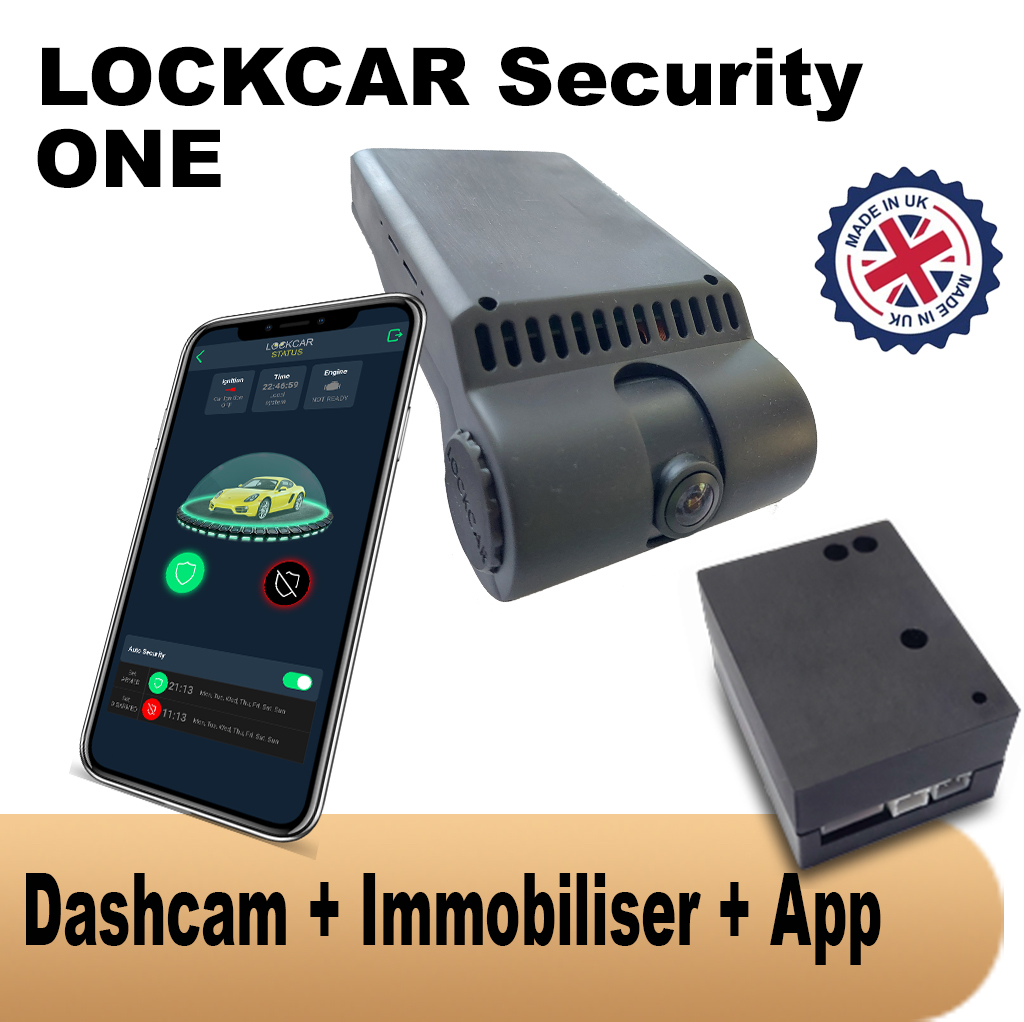
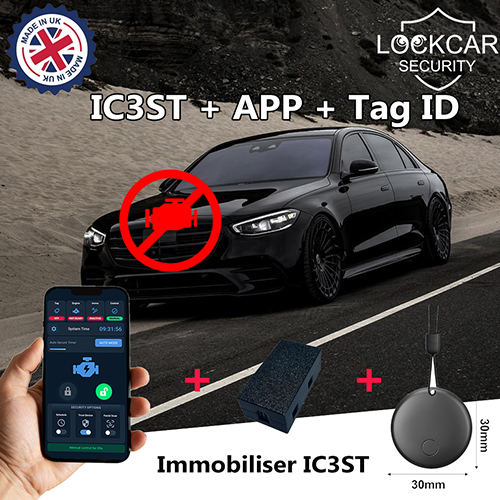
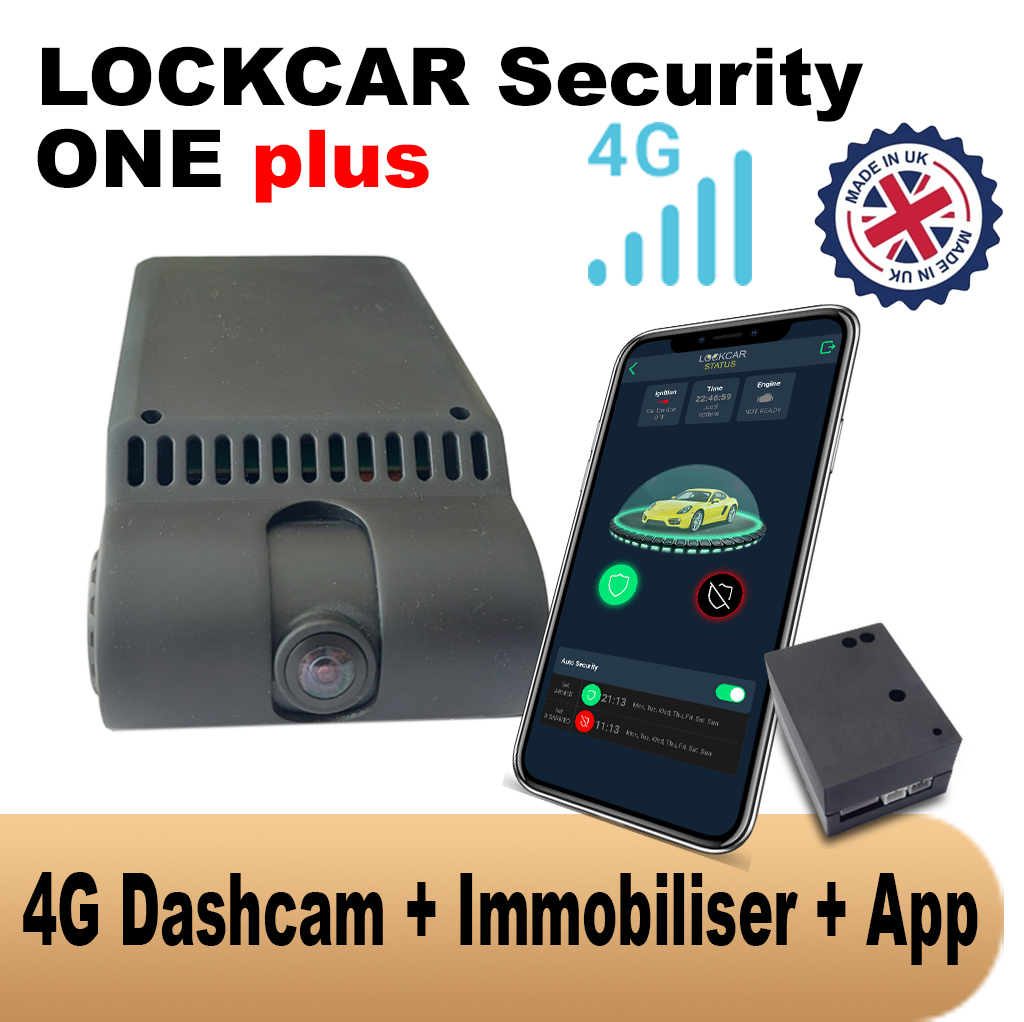
2. Physical relay immobiliser – A physical immobiliser like LockCar adds a relay break in the start circuit that requires separate encrypted authentication (proximity tag, Wi-Fi signal, or app). A relay amplifier cannot replicate this signal – the factory immobiliser and a physical immobiliser are fundamentally different in their vulnerability profile.
3. Steering wheel locks – Visible deterrents like Disklok can discourage thieves from attempting theft in the first place.
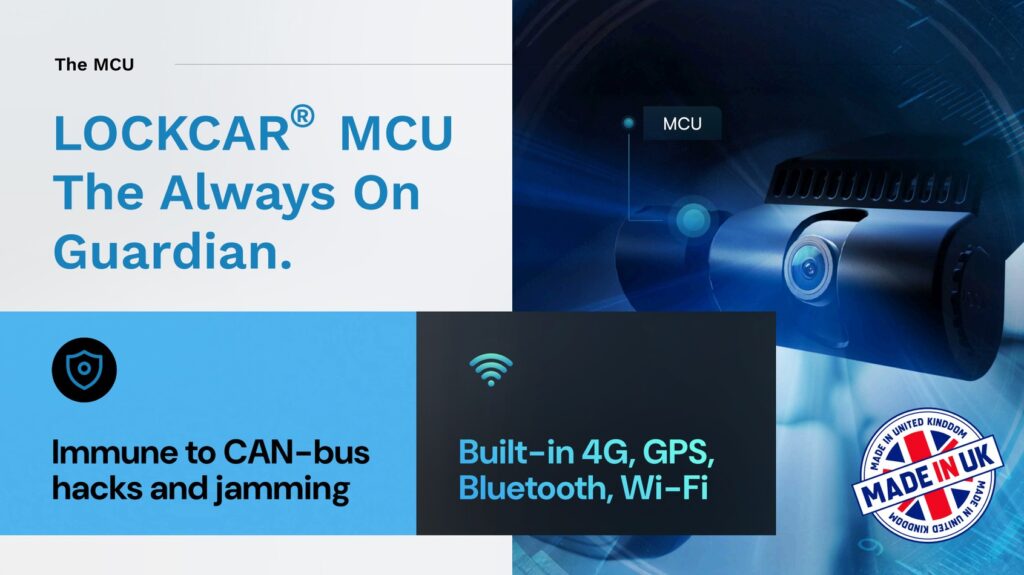
4. Tracking devices – GPS trackers (including 4G-enabled systems) can help recover vehicles if stolen.
5. CCTV and security lighting – Visible security measures around your driveway can deter criminals.
Recommended protection for your vehicle
Can a Faraday bag completely prevent relay theft?
Faraday bags block the signal from your key fob when the key is inside the bag and stationary. However, they offer no protection when you have your key on you but are briefly away from the vehicle – for example, at a petrol station, supermarket car park, or when warming up your car on a cold morning. This is why a physical immobiliser is also essential.
How does LockCar differ from a factory immobiliser?
A factory immobiliser communicates with the key fob via radio signal – it can be defeated by relay amplification. LockCar adds a physical relay break in the start circuit that requires separate encrypted authentication (proximity tag, Wi-Fi signal, or app). A relay amplifier cannot replicate this signal – the two systems are fundamentally different in their vulnerability profile.
Which UK regions have the highest car theft rates?
According to 2025 data, the West Midlands has the highest vehicle theft rate at 1,451 per 100,000 residents, followed by Greater London (1,117) and West Yorkshire (897). The West Midlands Police recorded 8,438 vehicle thefts in 2025 alone.
Get a professional immobiliser fitted
Mobile service across the UK · Same-day available
WhatsApp to book → Call usUK-wide