
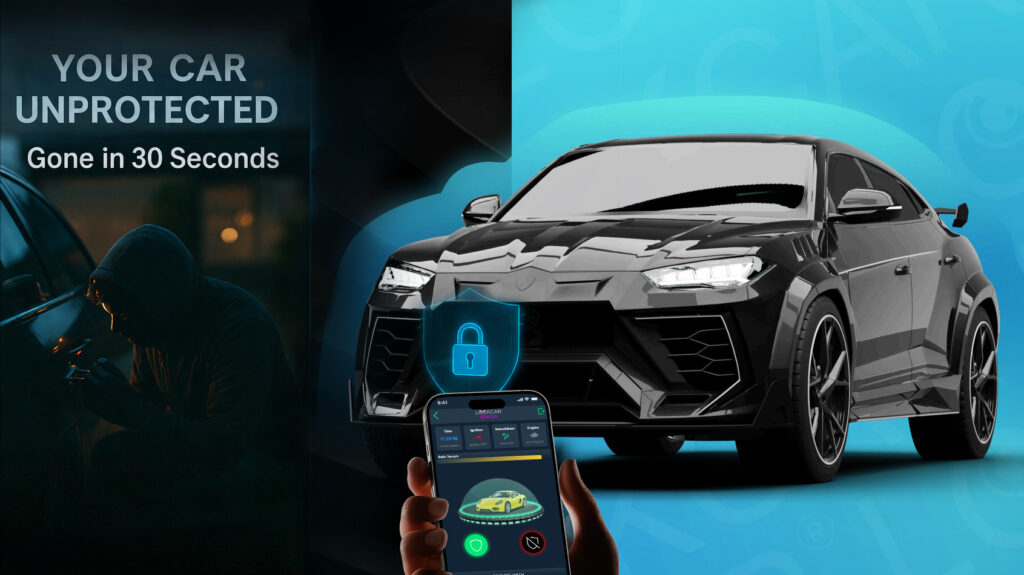
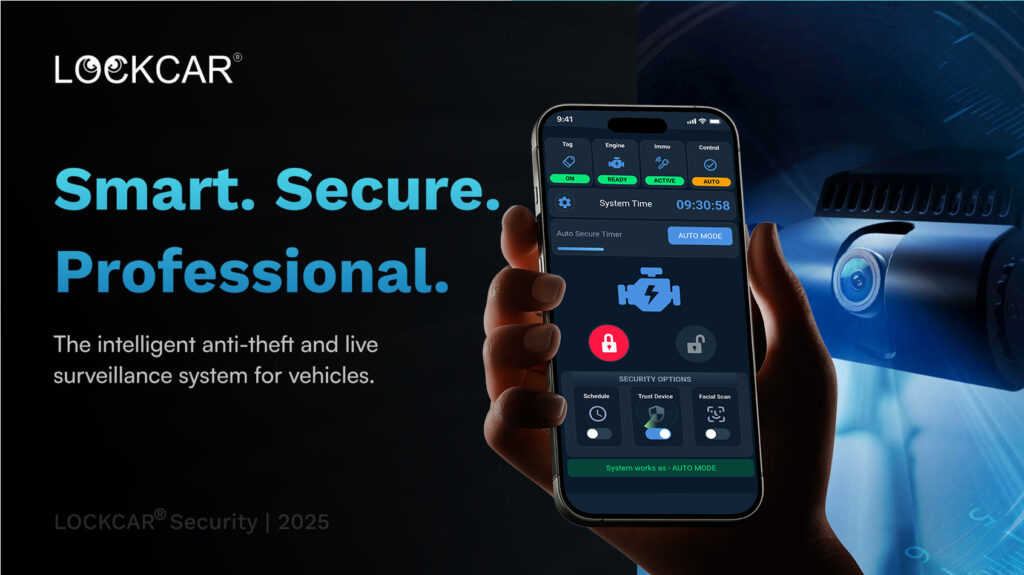
YOUR CAR
CAN BE STOLEN
in under 60 seconds with no alarm triggered
Security Car Tracking Devices: GPS trackers vs immobilisers
Security Car Tracking Devices help recover stolen vehicles, but they do not prevent theft. This guide explains the difference between trackers and immobilisers and why a layered security approach is essential for UK drivers.
In this guide
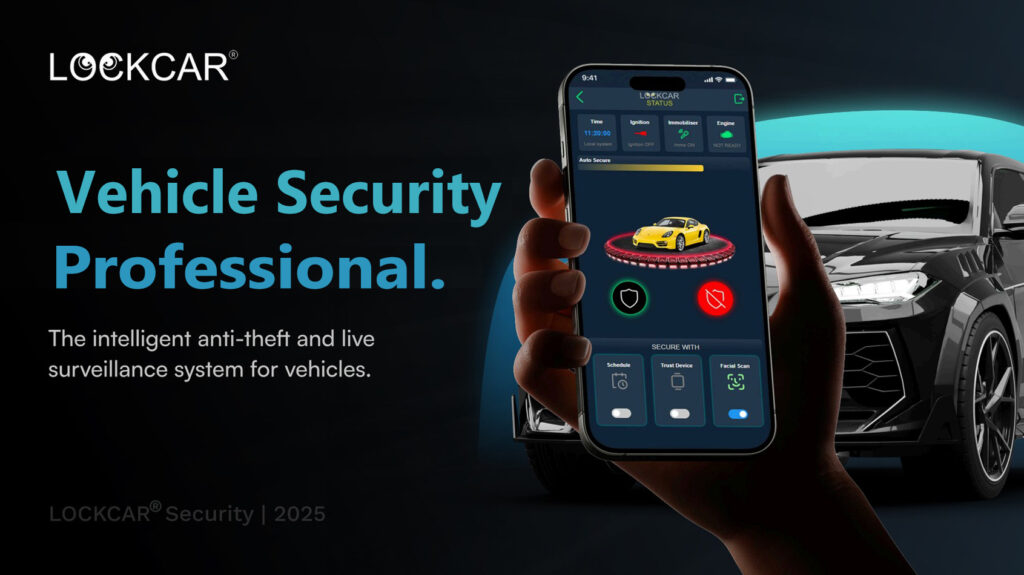
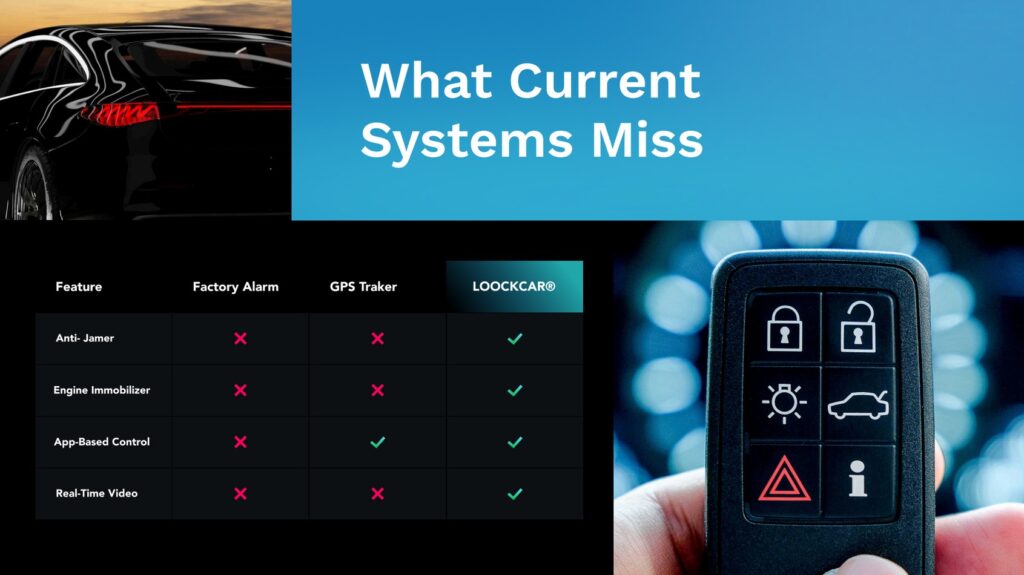
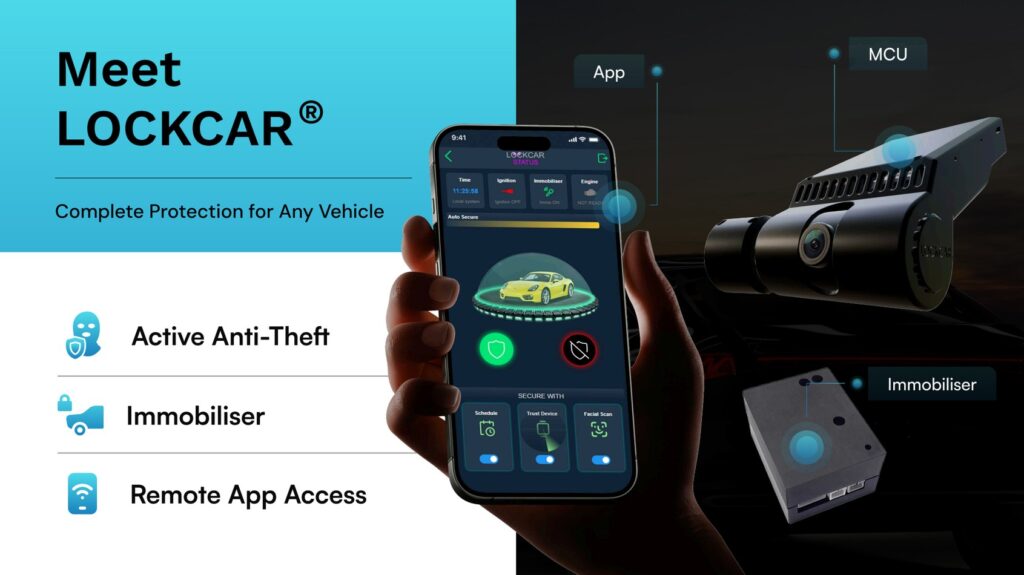
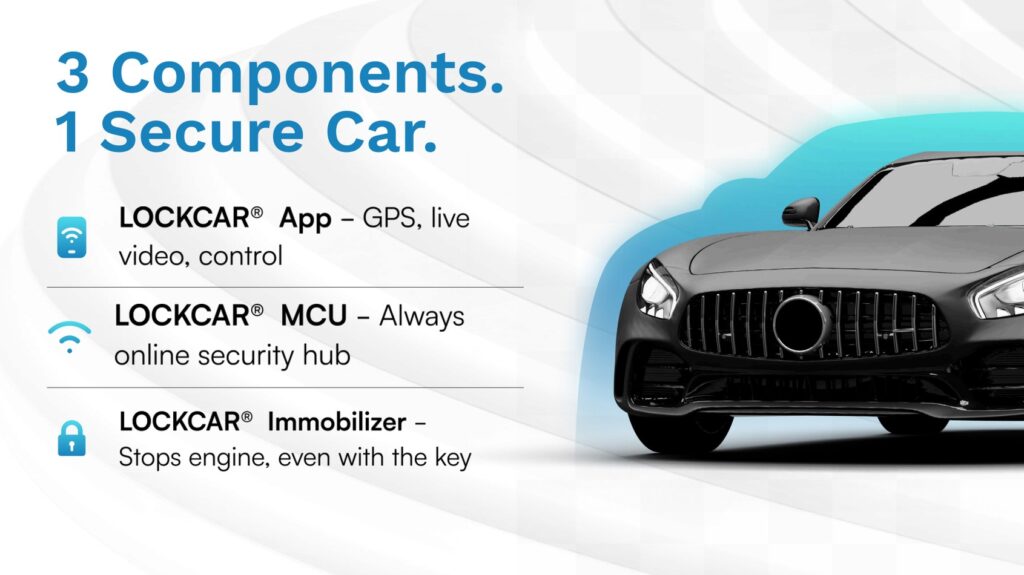
Many car owners confuse GPS trackers with immobilisers, but they serve fundamentally different purposes. Security Car Tracking Devices help you locate your vehicle after it has been stolen. An immobiliser prevents your vehicle from being stolen in the first place. The most effective setup combines both – a 4G GPS tracker with remote immobilisation capability, fitted in one visit and controlled from a single app.
Security Car Tracking Devices vs immobilisers: what’s the difference?
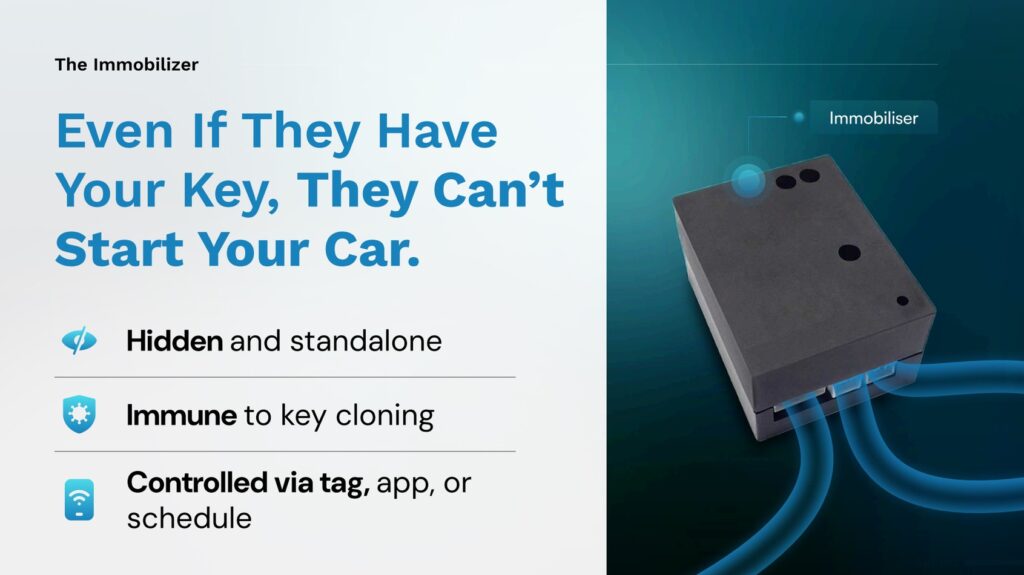
The two products sit next to each other on most comparison sites, but they do opposite jobs. A tracker is a recovery tool: it tells you where the vehicle is, live, over GPS and a mobile data connection. An immobiliser is a prevention tool: it stops the engine starting unless the driver presents a valid authorisation – a PIN, a proximity tag, or a phone over Bluetooth.
In practice, most UK owners we speak to start out looking for Security Car Tracking Devices because they have heard stories of stolen cars being recovered through GPS. That is a real benefit. But once you look at what actually happens on a driveway at 2am, you realise the part that matters most is stopping the car driving away in the first place. That is the immobiliser’s job, not the tracker’s.
A tracker on its own tells you where your car was taken after the fact. An immobiliser on its own stops the theft but leaves you with no live view if anything else goes wrong. Together, they cover both scenarios: the car resists being taken, and if it ever is, you know exactly where it is.
How Security Car Tracking Devices work
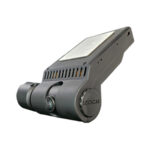
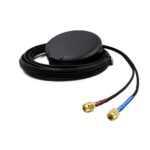
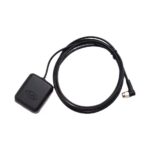
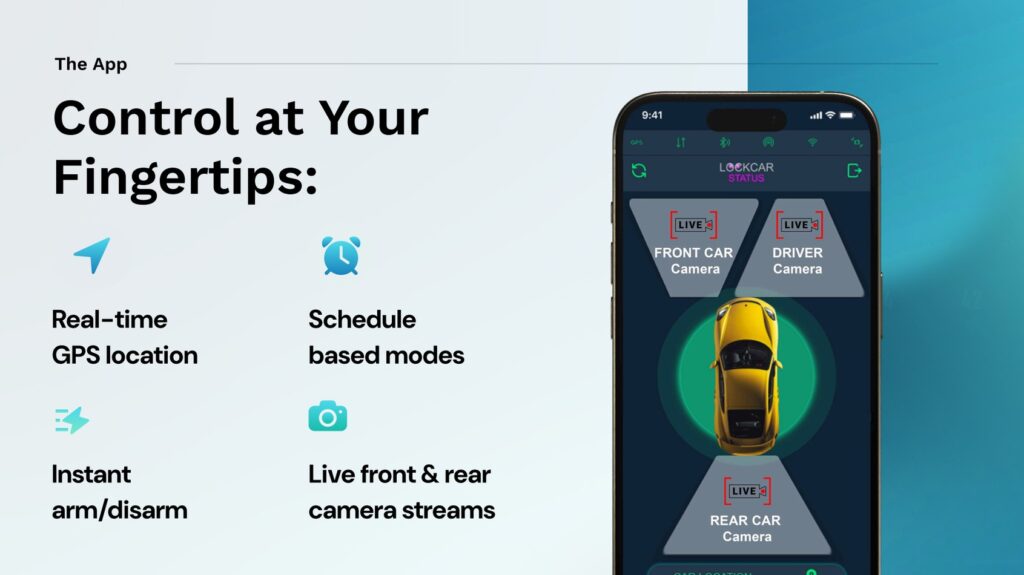
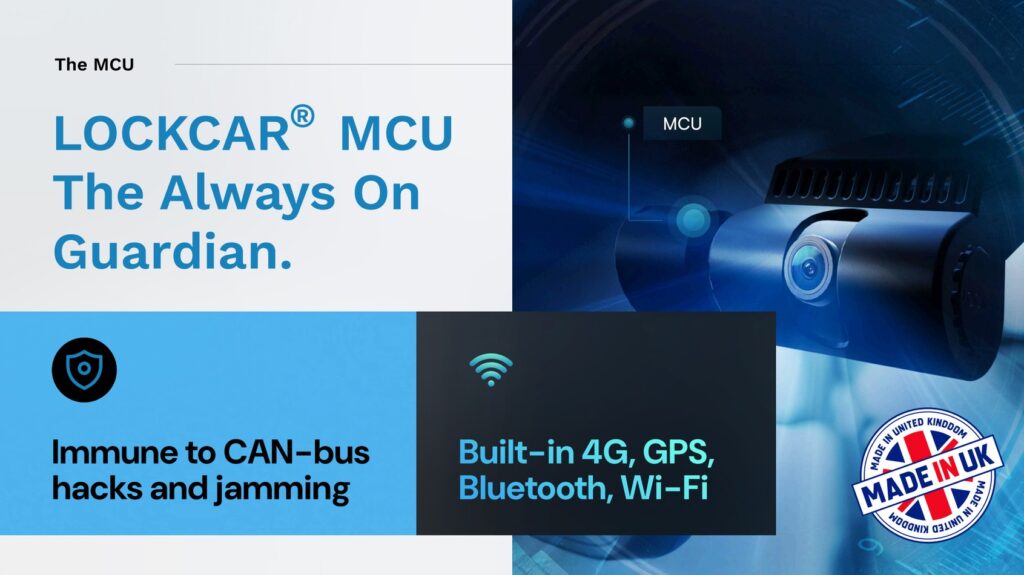
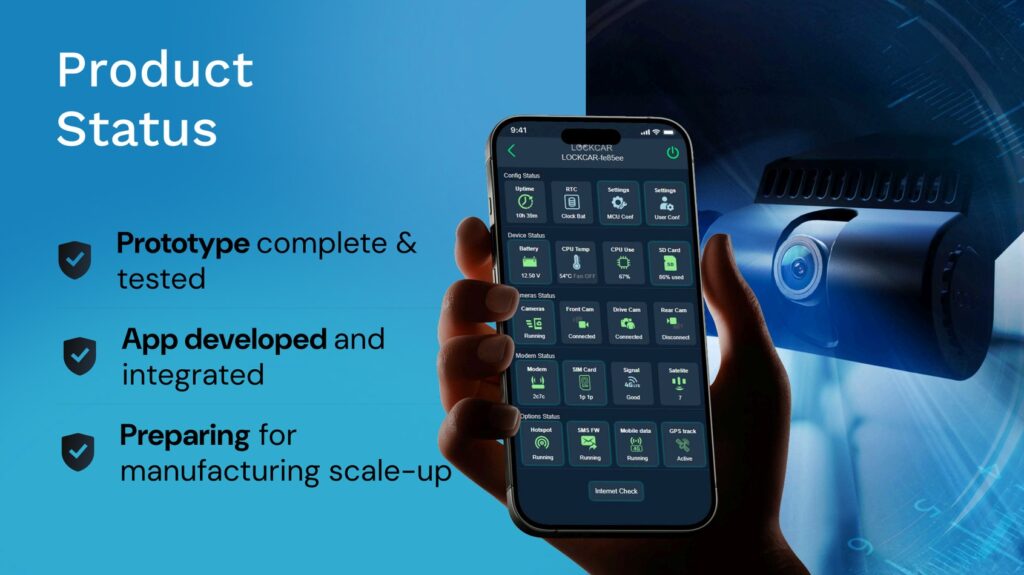
A modern car GPS tracker is a small module hidden somewhere in the vehicle, wired to a permanent 12V or 24V supply. It contains a GPS receiver, a mobile data modem, and a battery backup for short periods without vehicle power. Once fitted, it reports its position at intervals you can configure – every few seconds if you want live tracking, or once every few minutes for routine oversight.
4G trackers are the current standard for UK use. Older 2G devices are being phased out as the networks are retired, and 3G has been switched off by most UK operators already. A 4G unit gives you reliable coverage across the country, lower latency in reporting, and the bandwidth to support features that go beyond simple location – live camera, two-way audio, and remote engine control.
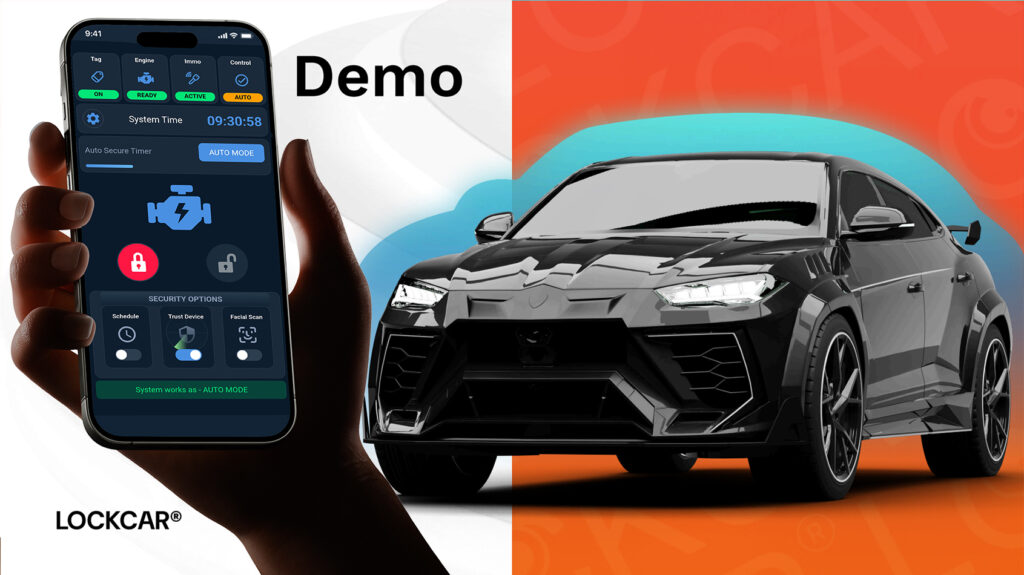
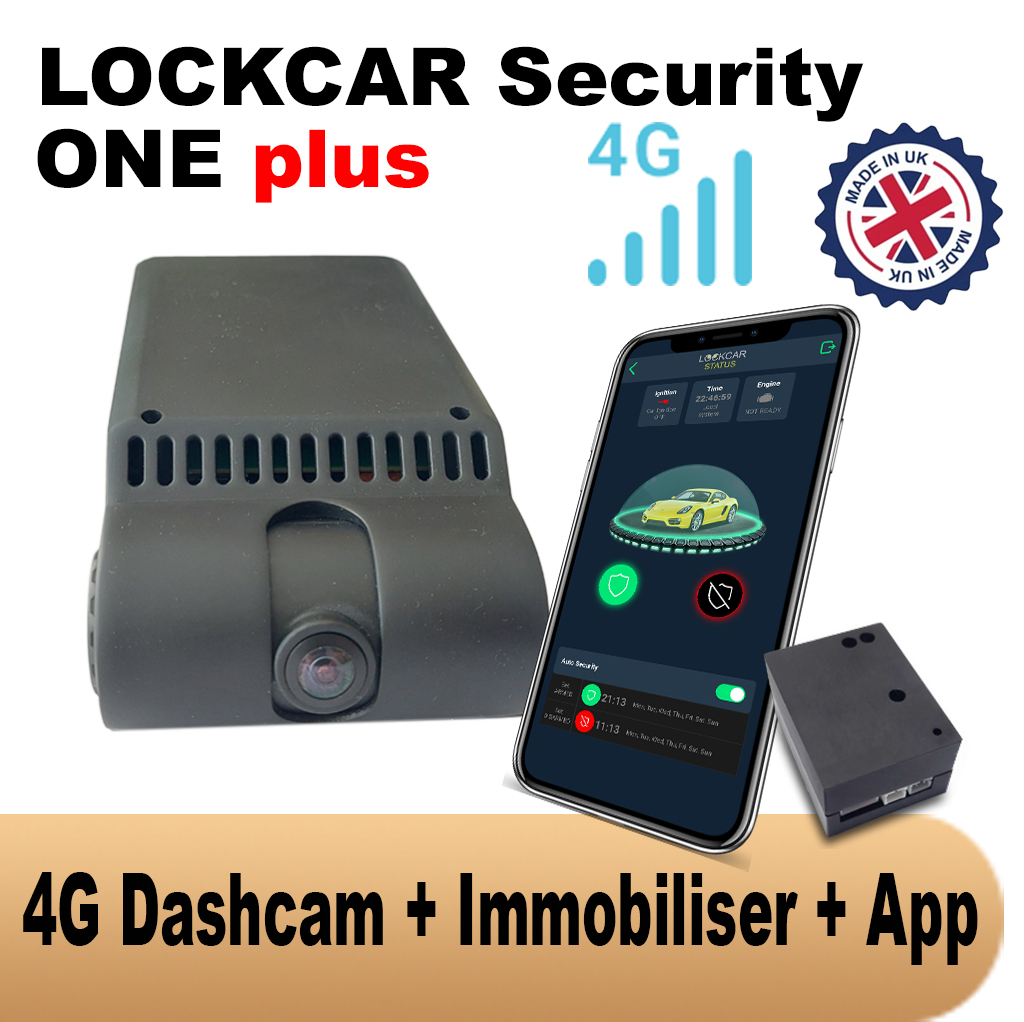
The better trackers include motion alerts, geofencing (tell me if the car moves outside a boundary I have set), and trip history. Combined with the immobiliser function on units like the LockCar One Plus, the same device that tracks the car can also cut the engine remotely if you need to intervene. That combination is what makes Security Car Tracking Devices genuinely useful for high-value vehicles rather than just a recovery aid.
Remote immobilisation explained
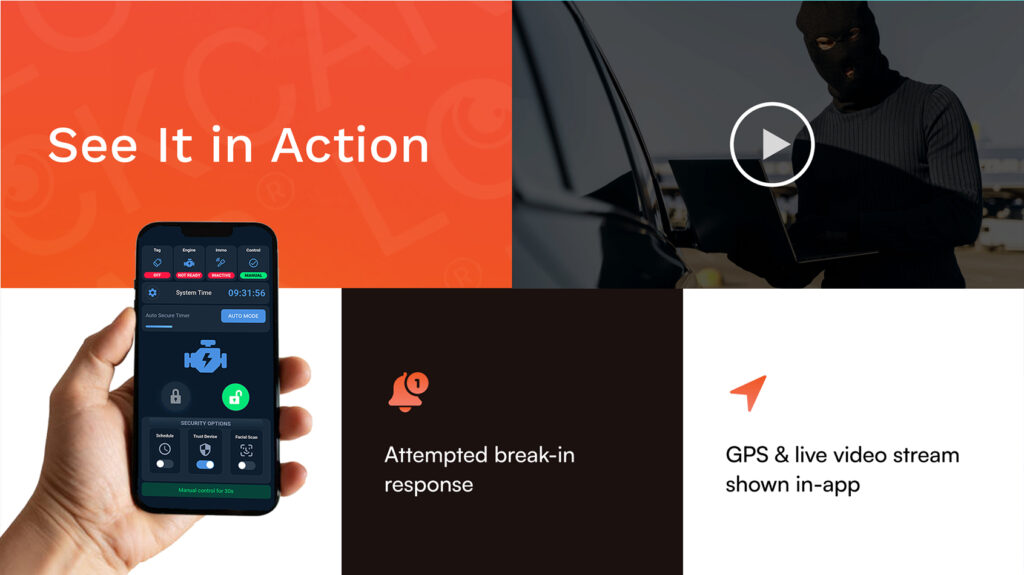
Remote immobilisation means you can stop the engine from the app, anywhere in the world, as long as the vehicle is connected. In a real theft scenario it is the last line of defence: if the car has already been taken, you can disable it safely once it is stationary, at which point it cannot be restarted and the police can recover it.
It is important to be clear about what it does and does not do. Remote immobilisation does not stop a vehicle in motion – no responsible manufacturer offers that, because it would be dangerous. It stops the engine from being restarted after the car has come to a stop. Used correctly, it turns a stolen car into an unusable one, sitting where the thief abandoned it, with its position still visible to you in the app.
That is why the industry-standard approach for high-value vehicles is a combined unit: local immobiliser to prevent the initial theft, GPS tracker for live location, and remote immobilisation as a fallback if the first two fail. Every LockCar unit that includes remote immobilisation works exactly on this principle.
Installation process step by step
All LockCar installations are carried out at your address by an approved mobile engineer. The process is the same whether you are having a tracker only, an immobiliser only, or a combined unit fitted:
- Vehicle check. We confirm make, model, year and trim so the unit is programmed against the correct profile before we arrive.
- Pre-installation assessment. The engineer inspects the vehicle, confirms the intended wiring points, and shows you where the unit will sit.
- Wiring and fitment. Soldered and sleeved into the vehicle loom, following manufacturer standards. No crimp connectors, no OBD-port devices.
- Concealed placement. The module goes behind trim, in a location that requires panels to be removed to reach.
- Pairing and testing. GPS lock confirmed, mobile data connection verified, immobiliser function tested through the full start cycle.
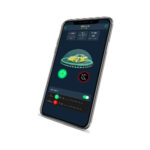
- Handover. The engineer shows you how to use the app, sets up alerts, and demonstrates any features you are unsure about.
Typical installation time is one to two hours, slightly longer for combined units that also include a dashcam or a second immobiliser. Documentation for your insurer is provided at handover, including device serial number, installation date, and a technical description of what has been fitted.
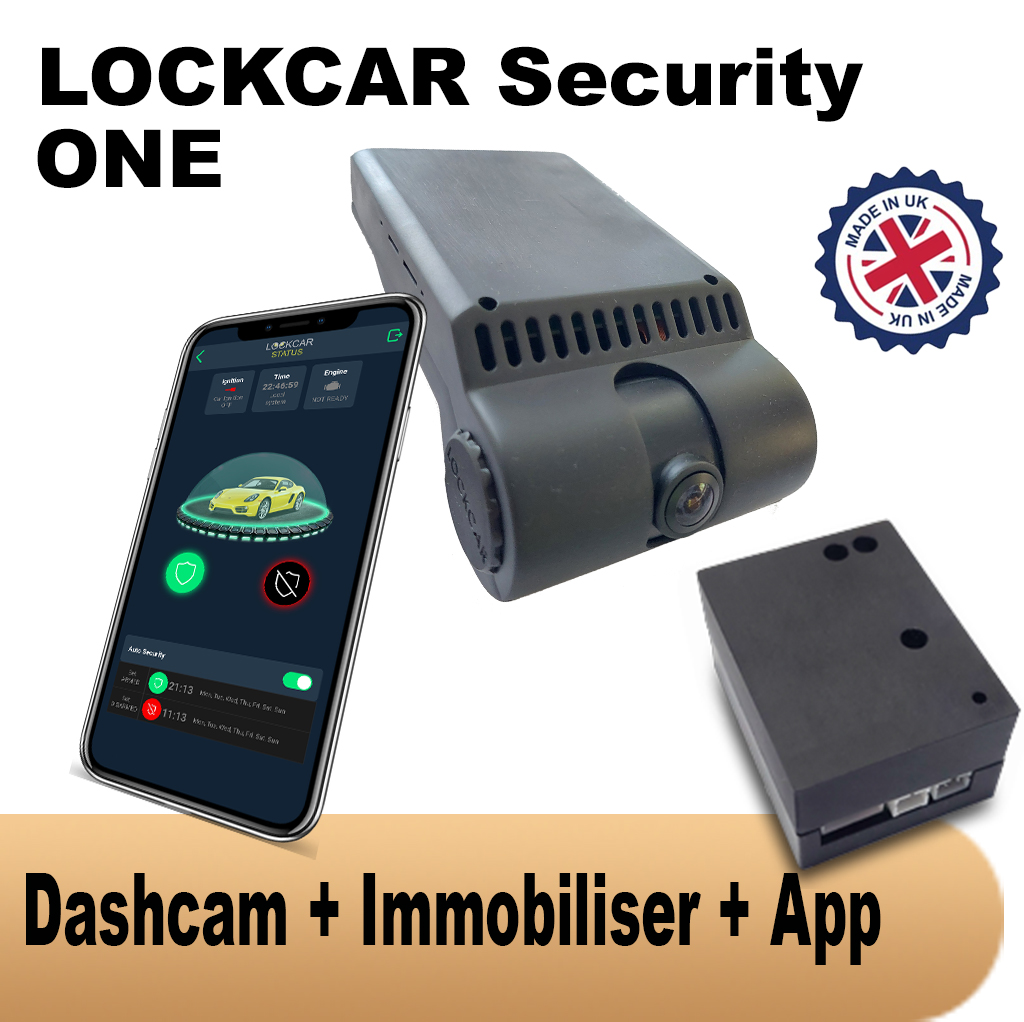
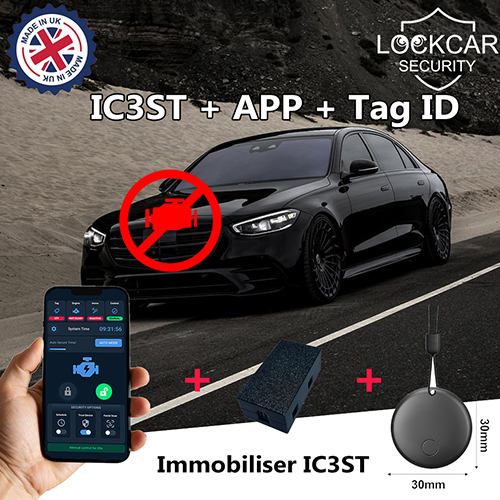
Security Car Tracking Devices: combined tracker + immobiliser
Where we fit Security Car Tracking Devices
Our mobile fitting service covers England, Scotland and Wales. Engineers operate across London and the Home Counties, Birmingham and the West Midlands, Manchester and the North West, Leeds and Yorkshire, Bristol and the South West, and the major Scottish cities. If you are unsure whether your postcode falls inside our standard range, message us on WhatsApp with your location and we will confirm coverage and the nearest fitting slot.
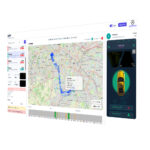
For fleet operators running multiple vehicles, LockCar offers a fleet monitoring dashboard so every unit you fit reports into one place. That is often the most cost-effective way to add Security Car Tracking Devices across a mixed fleet – cars, vans, and plant – using the same installation and support network.
Book professional installation
UK-wide mobile service · Same-day available
WhatsApp to book → Call usUK-wide
Does a GPS tracker prevent my car being stolen?
No. A tracker helps you locate the car after it has been taken, which is a recovery tool rather than a prevention one. If you want the car to resist being driven away in the first place, you need a physical immobiliser. The most effective configuration combines both on a single unit.
Are Security Car Tracking Devices worth the money in the UK?
For high-value or frequently targeted vehicles, yes. A tracker that only reports location can be useful but has clear limits – by the time a theft is reported, the vehicle may already be in a container or a chop shop. A tracker combined with an immobiliser covers both the prevention and recovery scenarios, which is why we recommend combined units for vehicles worth protecting.
Will a tracker drain my car battery?
A correctly installed tracker draws very little current – typically less than a car’s clock or alarm. Ours follow the vehicle’s sleep state, so they power down when the car is parked and idle. If a tracker flattens the battery, it has been wired to the wrong circuit and needs to be corrected by an installer.
Do trackers work if the car is put in a container or underground car park?
GPS needs a view of the sky, so a container or underground car park will block position reporting. 4G data may still transmit the last known position before signal was lost. This is one reason we recommend that trackers be paired with an immobiliser – if the car cannot be driven away in the first place, the container scenario rarely arises.
Can I fit a tracker and immobiliser to a leased or company car?
Yes. Our installations are fully reversible – nothing is cut, and the vehicle can be returned to standard specification at the end of the lease. For fleet operators, we offer a monitoring dashboard so every vehicle reports into one place.
What is the difference between a tracker with remote immobilisation and a standard tracker?
A standard tracker reports location only. A tracker with remote immobilisation, like the LockCar One Plus, also lets you disable the engine from the app once the vehicle is stationary – so a stolen car cannot be restarted and is easier for police to recover. That additional function is what makes combined units the recommended choice for high-value vehicles.