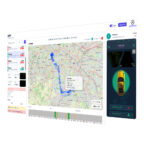


Vehicle security from
£199
Enter car's registration plate number to find the right LockCar security option
We could not pull the details automatically. Fill these in and we will carry on — it only takes a few seconds.
- Free, no obligation
- Fitted, not posted
- 12 months hardware warranty
Showing sample data – add your MOT History API credentials in the plugin settings to return real vehicles.
MOT history
Pick the level of protection
Every option is fitted by an approved installer. Choose one to see the exact devices.
Immobilisers only for
Hidden engine block. Nothing to see, nothing to record.
CAN BUS Immobiliser
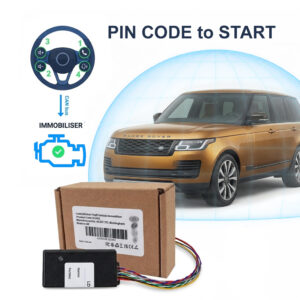
PIN CODE Car Immobiliser LockCar CAN-IMMO – Free Fitting
£299.00 £350.00
PIN CODE to START – NO PIN. NO START – LOCKCAR CAN-IMMO Immobiliser – Smart Advanced CAN Bus Vehicle Immobiliser – entering the PIN CODE each startup
App + Tag Immobiliser
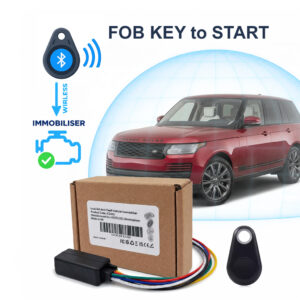
TAG FOB Car Immobiliser LockCar IC3262 TAG Immobiliser
£199.00 £250.00
TAG FOB KEY to START – NO FOB. NO START – LOCKCAR IC3262 Immobiliser – Smart Immobiliser – authorizes the car to start if it detects the fob…
Immobilisers + Dashcams for
Block the theft and record what happens around the car.
Dashcam + Immobiliser + App
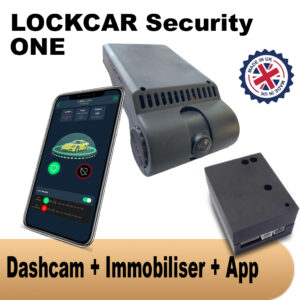
Dashcam + Immobiliser LockCar One – Free Fitting
£450.00 £550.00
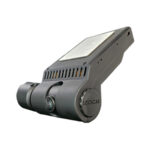
LockCar ONE is a professional dash camera with 24/7 monitoring, SD recording, and smart immobiliser integration. Built for security, durability, and total control in the UK.
Dashcam + Immobiliser + App
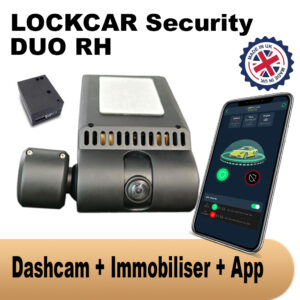
Dashcam + immobiliser Lockcar Duo Rh – Free Fitting
£550.00 £650.00
Local MCU system security. Power ON 24/7. Smart parking mode. Local car status, Immobilization, Local GPS Traking, Local Cameras Front + Driver. FREE UK INSTALLATION
4G Live Dashcams + Immobilisers for
Live view and alerts from anywhere, plus the engine block.
4G + Dashcam + Immobiliser + App
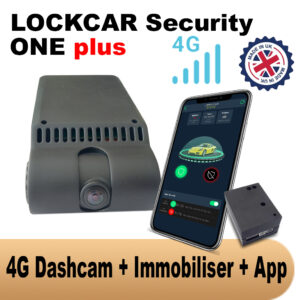
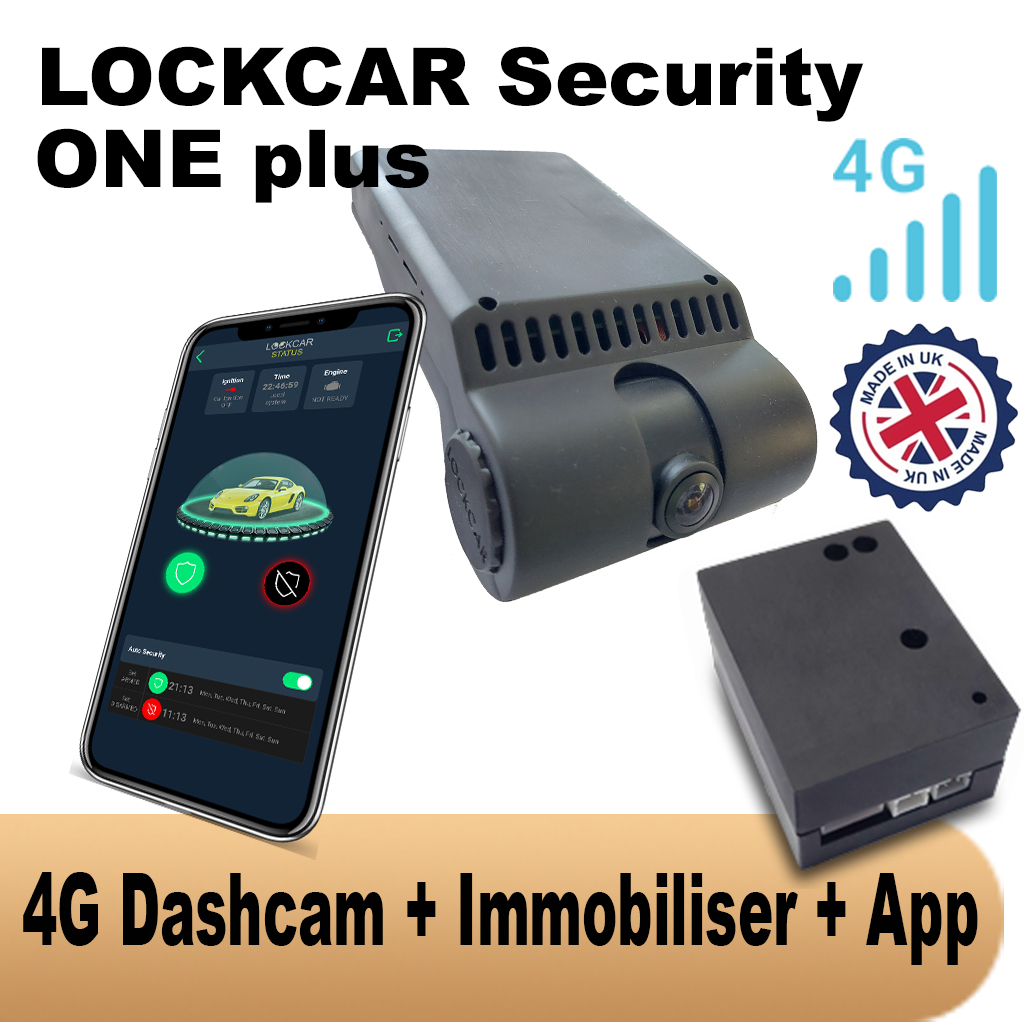
Dashcam + Immobiliser + Tracker LockCar One Plus 4G- Free Fitting
£499.00 £600.00
LockCar One Plus is 4G remote access and intelligent immobiliser. Designed for modern threats, this advanced anti-theft system allows you to monitor and control your car from anywhere,…
4G + Dashcam + Immobiliser + App
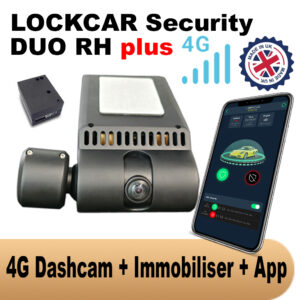
4G Daschcam + Immobiliser + Tracker Lockcar Duo Rh Plus 4G – Free Fitting
£699.00 £750.00
Remote access via 4g permanently. Power ON 24/7. Smart parking mode. Real-time car status, Immobilization, Real-time GPS Traking, Live Cameras Front + Driver. FREE UK INSTALLATION
Where should we fit it?
We come back with the theft method known for your model, what we would fit, the price with fitting, and the nearest slot to you. One message, no sales calls.
Got it – check your inbox
We have your registration and what you picked. We will come back to you shortly.
Message us on WhatsAppLockCar vs a traditional car alarm: which one actually stops your car being stolen?
A traditional alarm reacts to a theft already in progress with noise. LockCar’s relay immobiliser removes the ability to start the engine at all. They are not the same kind of protection, and the difference matters.
What a traditional car alarm actually does
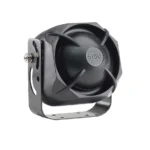
A traditional alarm watches for a trigger, an opened door, a broken window, movement inside the cabin, and responds with a siren and flashing lights. The idea is that noise draws attention and the thief gives up.
That works reasonably well against opportunistic theft, someone trying door handles on a street. It does very little against a relay attack, because the attacker never forces a door or window. The car simply unlocks for what it believes is the genuine key, so no alarm trigger ever fires.
Even when an alarm does trigger, its only tool is noise. It cannot stop the engine from starting, and in areas where car alarms are common, a siren going off at night is often ignored rather than investigated.
What LockCar does differently
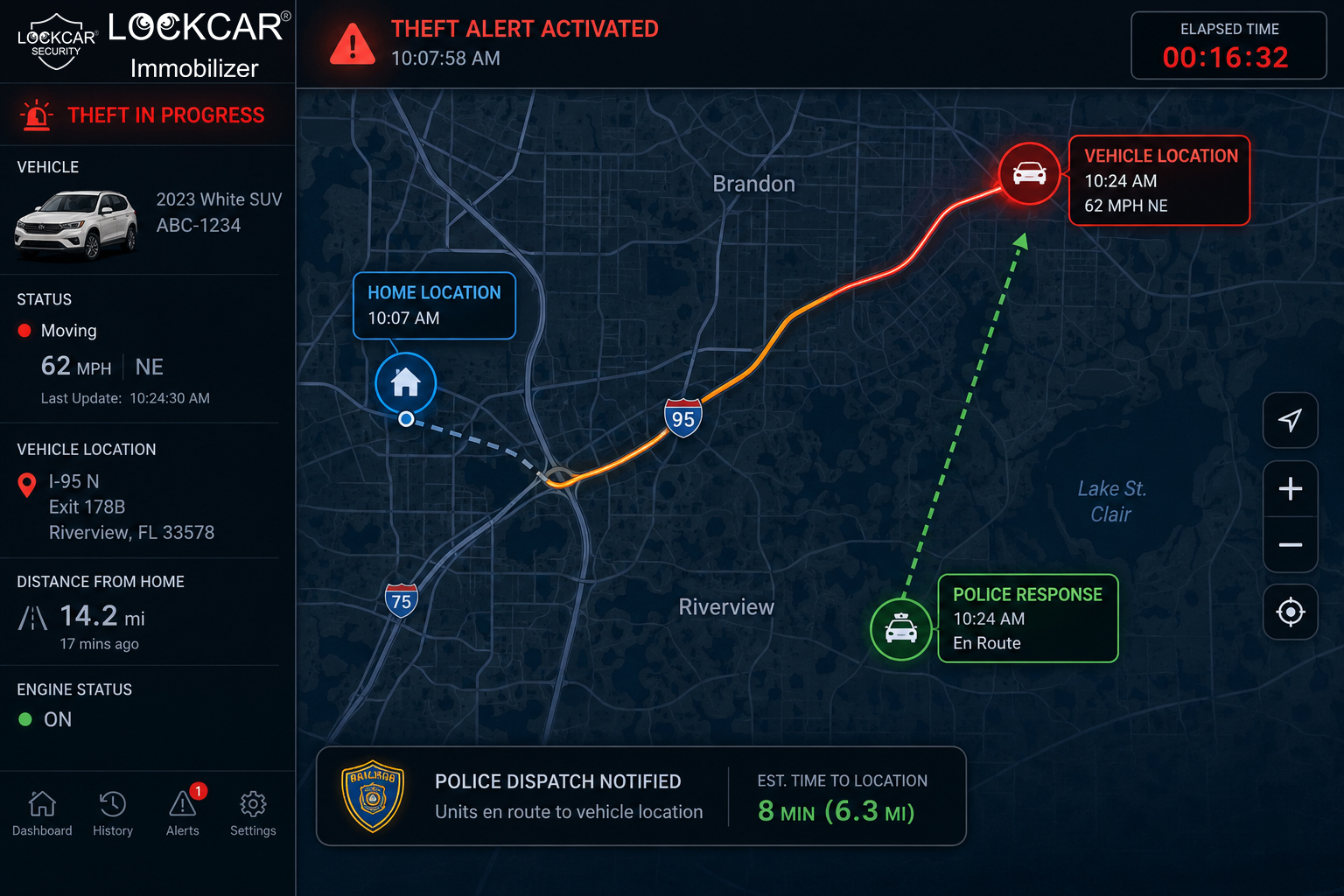
LockCar does not wait for a trigger to react to. Its relay immobiliser sits in the start circuit permanently, requiring authorisation from your paired phone and proximity tag before the engine can run. There is no window for a relay attack to exploit, because the check it needs to pass has nothing to do with the key fob signal.
Stops the Outcome, Not Just the Noise
The engine cannot start without authorisation, regardless of how convincing a relayed signal looks to the factory system.
Tells You, Not the Street
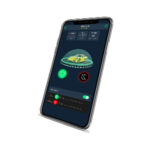
On One Plus and Duo RH Plus, you get a movement alert on your own phone, with a live camera view, instead of a siren that may or may not get anyone’s attention.
Covers Tow-Away Too
GPS on One Plus and Duo RH Plus tracks the vehicle if it is moved without being started, something a siren alarm has no way to do.
Feature by feature comparison
| Feature | Traditional siren alarm | LockCar |
|---|---|---|
| Stops the engine from starting | No | Yes, relay immobiliser |
| Effective against relay attacks | No, no door is forced | Yes, bypasses the relayed signal entirely |
| Alerts sent to your phone | Rarely | Yes, movement alerts in seconds* |
| Live camera view | No | Yes* |
| Tracks tow-away theft | No | Yes, 4G GPS* |
| Requires a monthly subscription | Sometimes | No, not mandatory |
| Professional UK installation | Varies | Yes, from £150 with insurance certificate |
*Movement alerts, camera and GPS tracking are available on LockCar One Plus and Duo RH Plus. LockCar IC3ST provides relay immobiliser protection only.
LockCar recommended for this page
- Blocks engine start even after a relay attack
- Movement alerts and live camera stream
- 4G GPS for tow-away recovery
- No mandatory monthly subscription
- Same relay break protection as One Plus
- For owners who already have a separate tracker
- From £150 fitted, full insurance certificate
Frequently asked questions
Should I remove my existing car alarm if I fit LockCar?
Not necessarily. A siren alarm can still deter opportunistic break-ins. LockCar addresses a different threat, relay attacks and unauthorised starts, so the two can work alongside each other.
Will LockCar make noise if someone tries to steal my car?
LockCar’s job is to stop the engine from starting rather than to make noise. On One Plus and Duo RH Plus, you are alerted through the app instead, with a live camera view, so you know what is happening in real time.
Does insurance recognise LockCar the same way as a Thatcham alarm?
LockCar provides an insurance certificate documenting the security fitted. Many UK insurers offer discounts for LockCar-equipped vehicles. Check with your specific insurer for how they treat aftermarket immobilisers.
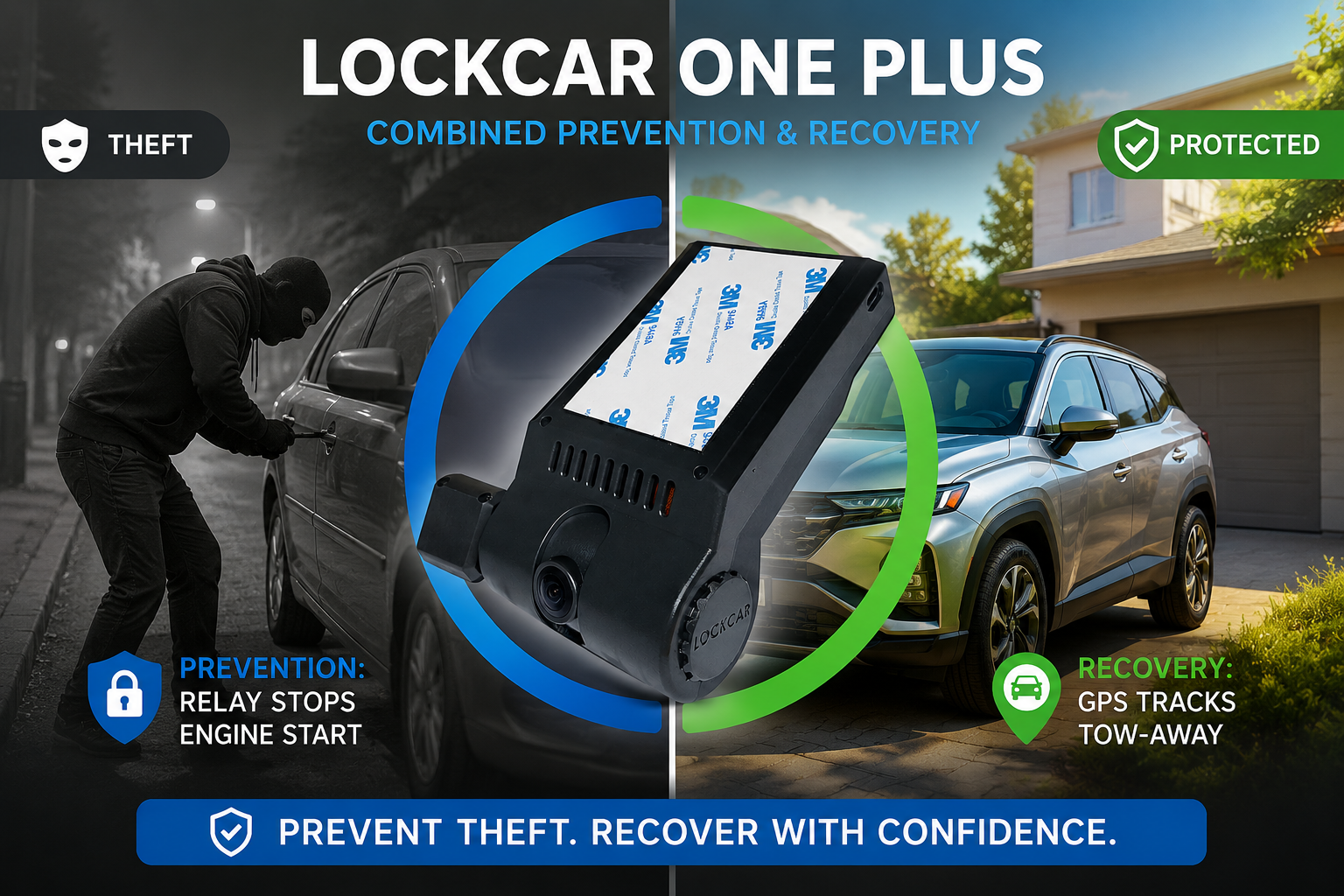
Stop the theft before it starts, not after
LockCar relay immobilisers are fitted UK-wide, with a full insurance certificate included.