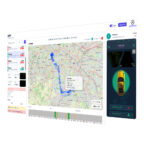


Vehicle security from
£199
Enter car's registration plate number to find the right LockCar security option
We could not pull the details automatically. Fill these in and we will carry on — it only takes a few seconds.
- Free, no obligation
- Fitted, not posted
- 12 months hardware warranty
Showing sample data – add your MOT History API credentials in the plugin settings to return real vehicles.
MOT history
Pick the level of protection
Every option is fitted by an approved installer. Choose one to see the exact devices.
Immobilisers only for
Hidden engine block. Nothing to see, nothing to record.
CAN BUS Immobiliser
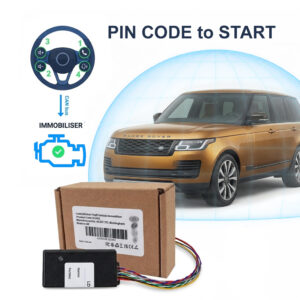
PIN CODE Car Immobiliser LockCar CAN-IMMO – Free Fitting
£299.00 £350.00
PIN CODE to START – NO PIN. NO START – LOCKCAR CAN-IMMO Immobiliser – Smart Advanced CAN Bus Vehicle Immobiliser – entering the PIN CODE each startup
App + Tag Immobiliser
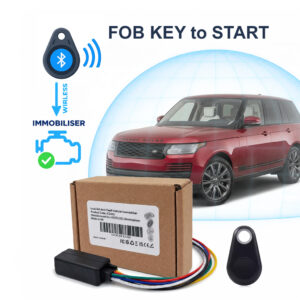
TAG FOB Car Immobiliser LockCar IC3262 TAG Immobiliser
£199.00 £250.00
TAG FOB KEY to START – NO FOB. NO START – LOCKCAR IC3262 Immobiliser – Smart Immobiliser – authorizes the car to start if it detects the fob…
Immobilisers + Dashcams for
Block the theft and record what happens around the car.
Dashcam + Immobiliser + App
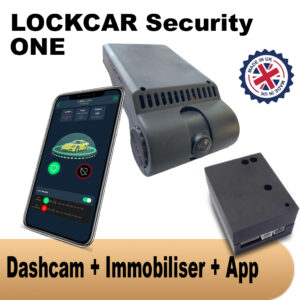
Dashcam + Immobiliser LockCar One – Free Fitting
£450.00 £550.00
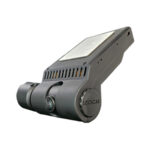
LockCar ONE is a professional dash camera with 24/7 monitoring, SD recording, and smart immobiliser integration. Built for security, durability, and total control in the UK.
Dashcam + Immobiliser + App
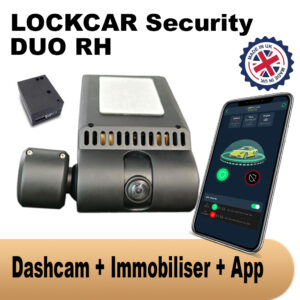
Dashcam + immobiliser Lockcar Duo Rh – Free Fitting
£550.00 £650.00
Local MCU system security. Power ON 24/7. Smart parking mode. Local car status, Immobilization, Local GPS Traking, Local Cameras Front + Driver. FREE UK INSTALLATION
4G Live Dashcams + Immobilisers for
Live view and alerts from anywhere, plus the engine block.
4G + Dashcam + Immobiliser + App
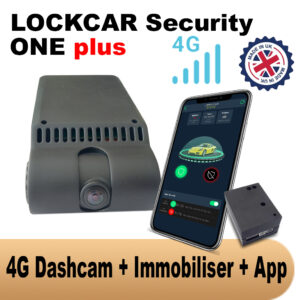
Dashcam + Immobiliser + Tracker LockCar One Plus 4G- Free Fitting
£499.00 £600.00
LockCar One Plus is 4G remote access and intelligent immobiliser. Designed for modern threats, this advanced anti-theft system allows you to monitor and control your car from anywhere,…
4G + Dashcam + Immobiliser + App
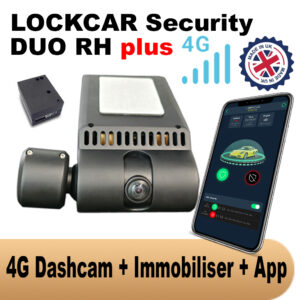
4G Daschcam + Immobiliser + Tracker Lockcar Duo Rh Plus 4G – Free Fitting
£699.00 £750.00
Remote access via 4g permanently. Power ON 24/7. Smart parking mode. Real-time car status, Immobilization, Real-time GPS Traking, Live Cameras Front + Driver. FREE UK INSTALLATION
Where should we fit it?
We come back with the theft method known for your model, what we would fit, the price with fitting, and the nearest slot to you. One message, no sales calls.
Got it – check your inbox
We have your registration and what you picked. We will come back to you shortly.
Message us on WhatsAppHow to protect a keyless car from theft, in 7 practical steps
No single step below is enough on its own. Together, they turn your car from an easy target into one that takes far too long and too much luck for a thief to bother with.
Steps 1 to 4: what you can do tonight, for little or no cost
1. Use a Faraday Pouch
Keep your key fob, and any spares, inside a signal blocking pouch when you are home. This stops a relay attack from ever picking up the signal in the first place.
2. Fit a Steering Wheel Lock
A visible, brightly coloured lock is a strong deterrent on its own and buys extra time even if a thief gets past the electronics.
3. Check Your Fob for Sleep Mode
Some manufacturers let you put the key fob into a sleep mode that stops it transmitting when not in use. Check your car’s manual.
4. Park Smart
Where possible, park in a garage or somewhere well lit and overlooked. Keep the car away from windows where a relay signal could be picked up from inside your home.
Steps 5 to 7: protection that does not rely on you remembering
5. Fit a relay immobiliser. A Faraday pouch only works if you remember to use it, every single night, for every key in the house. A relay immobiliser like LockCar IC3ST works whether you remember or not, because it does not depend on the key fob signal at all. Even if a relay attack succeeds in unlocking the car, the engine will not start without your paired phone or proximity tag.
6. Add GPS tracking for tow-away scenarios. A relay immobiliser stops the engine from starting, but it cannot stop a vehicle being physically loaded onto a truck. LockCar One Plus adds 4G GPS and movement alerts, so you find out within seconds if the vehicle moves without authorisation.
7. Keep proof of what you fitted. Save your installation certificate and any invoices somewhere you can find them quickly. This matters for insurance as much as for security.
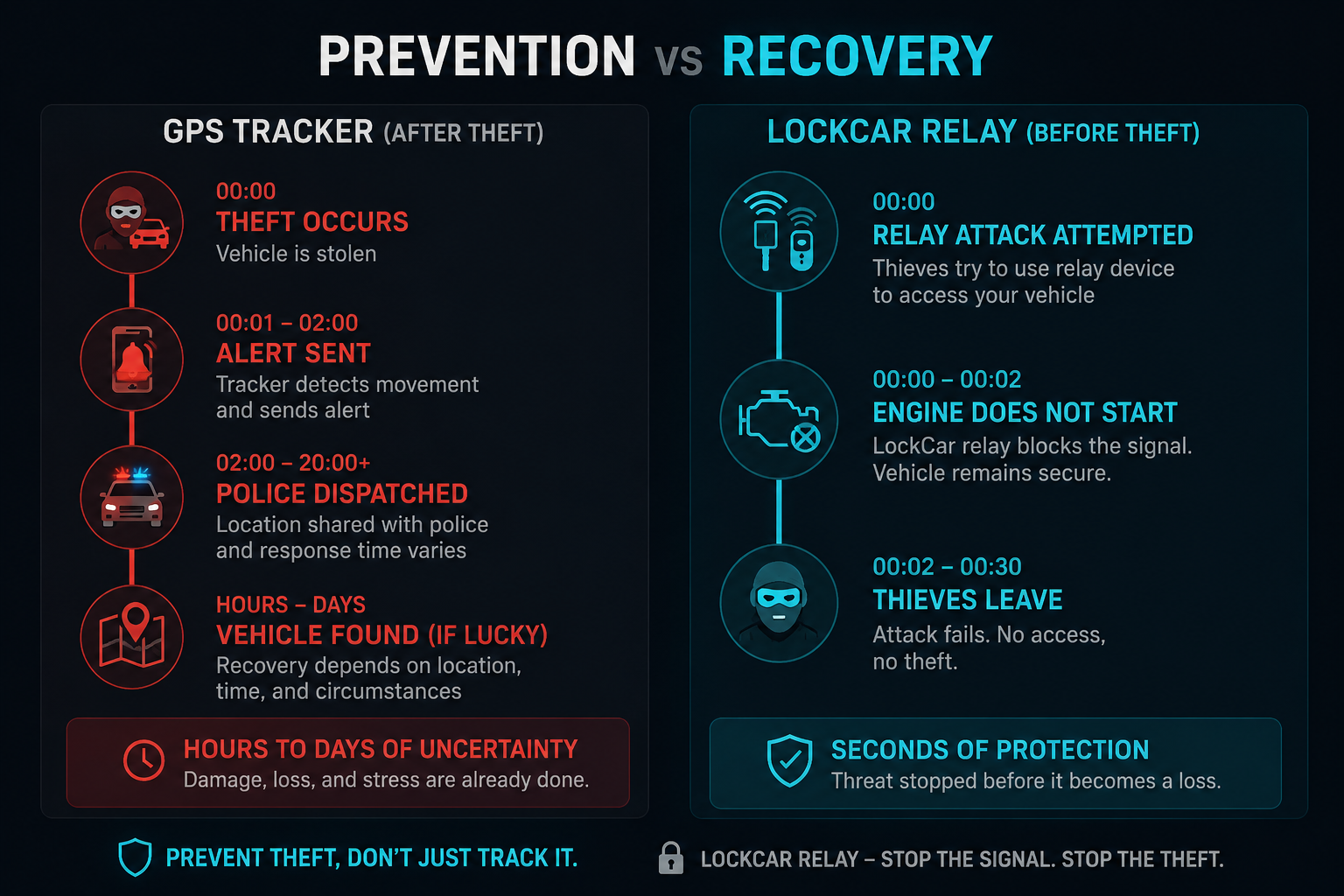
Why layering matters more than any single device
Thieves are opportunists, even the organised ones. Every extra layer of security adds time, uncertainty, and risk to their side of the equation. A Faraday pouch and a steering lock deter the easy attempts. A relay immobiliser removes the outcome even when those first layers fail, because it does not rely on the key fob at all. That combination, cheap habits plus one professionally fitted device, is what actually makes a car a bad target rather than a convenient one.
Every step above steps 5 to 7 relies on you doing something correctly, every day. A relay immobiliser is the one layer that protects your car even on the night you forget the pouch.
LockCar recommended for this page
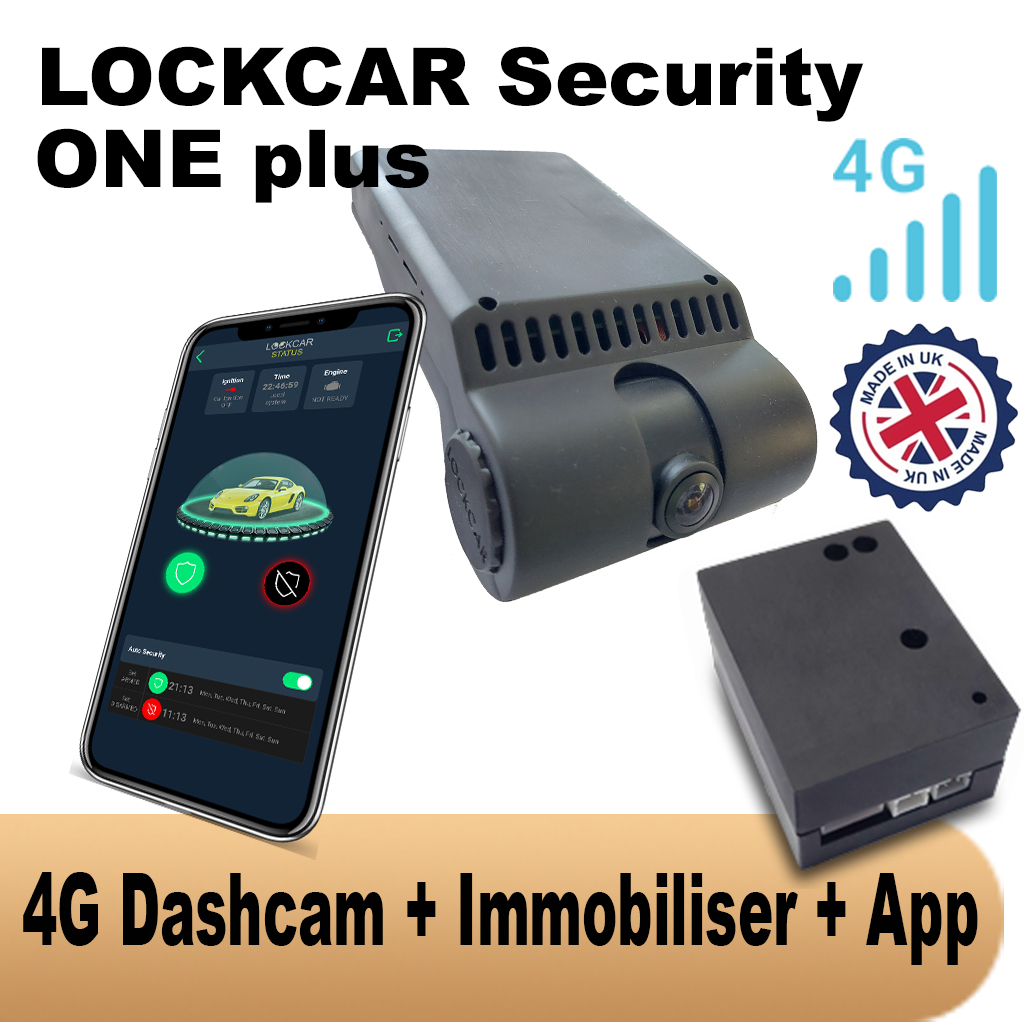
- Blocks engine start regardless of relay success
- Movement alerts within seconds if towed
- Live camera stream and remote immobilisation
- No mandatory monthly subscription
- Works with or without a Faraday pouch
- For owners who already have a separate tracker
- From £150 fitted, full insurance certificate
Frequently asked questions
Is a Faraday pouch enough on its own?
It significantly reduces risk, but only when used consistently. Forget it once, and the protection is gone for that night. A relay immobiliser does not depend on remembering anything.
Do I need all 7 steps, or can I pick a few?
Any combination helps. Steps 1 to 4 are free or cheap and worth doing regardless. Steps 5 and 6 add protection that does not rely on daily habits, which is why they matter most for genuinely reducing risk.
Does a relay immobiliser replace the need for a Faraday pouch?
You can use both. The pouch prevents the relay signal from being captured at all. The immobiliser is the backup for the nights the pouch is forgotten or a different attack method is used.
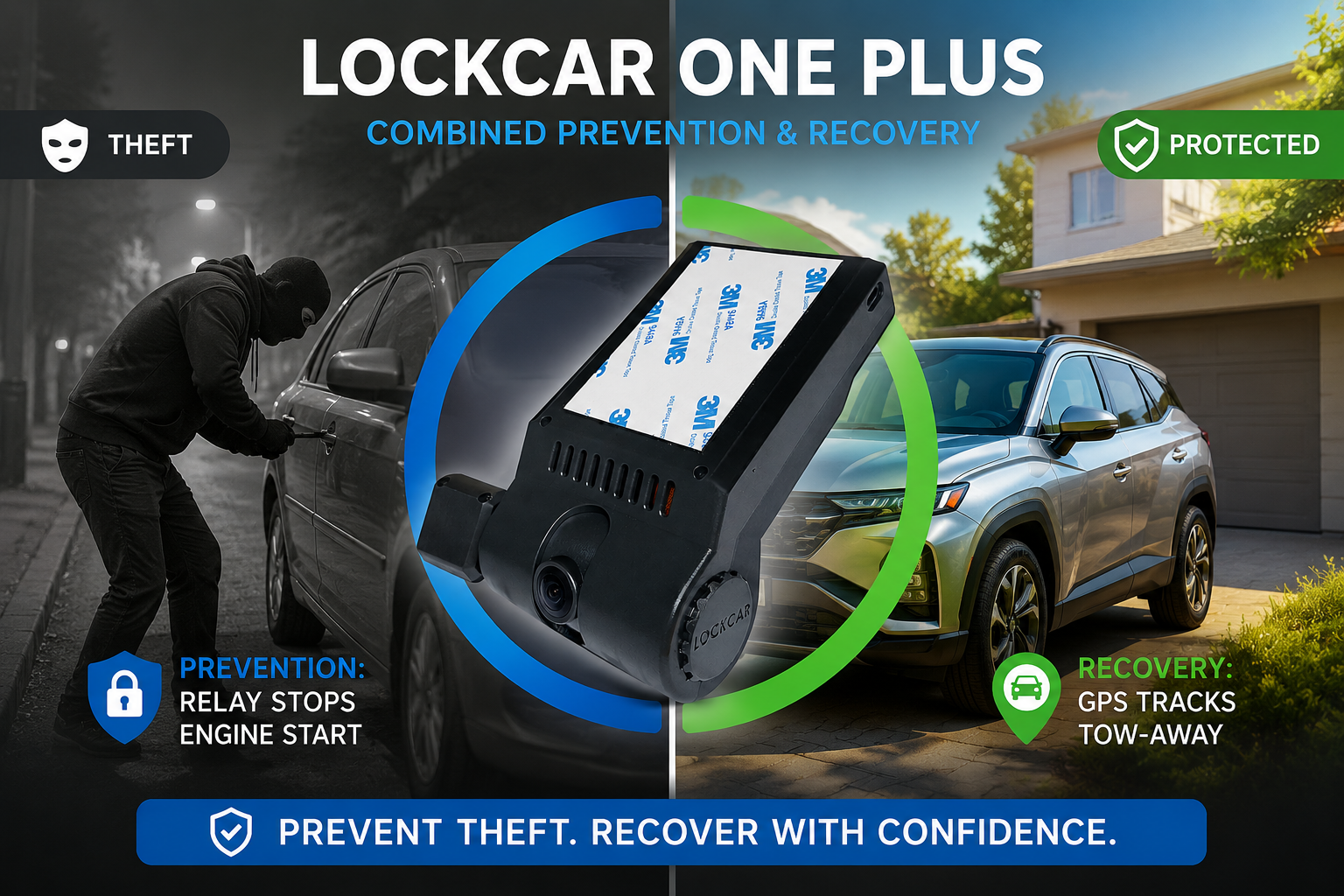
Add the one layer that does not depend on you
LockCar relay immobilisers are fitted UK-wide, with a full insurance certificate included.