

YOUR CAR
CAN BE STOLEN
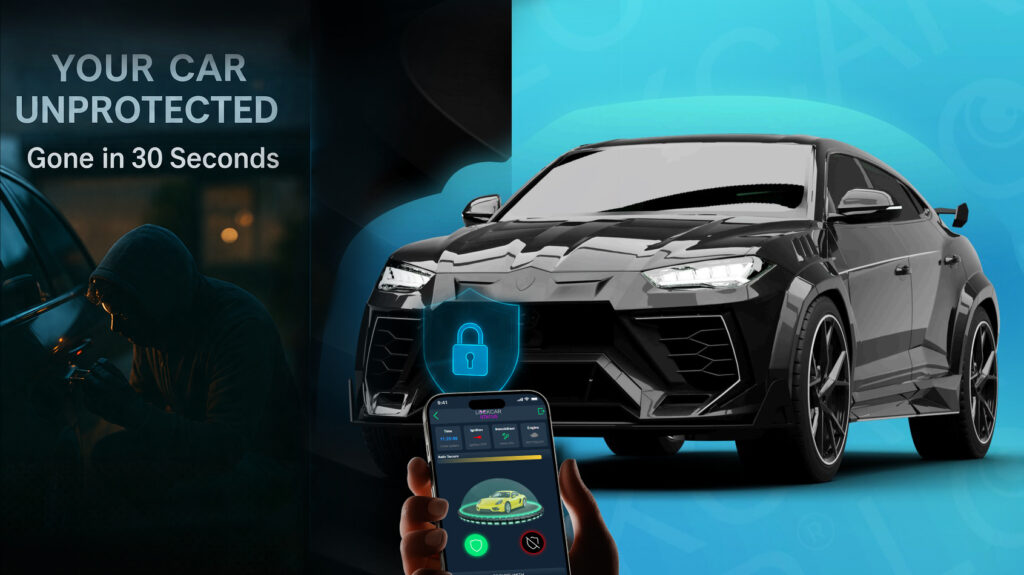
in under 60 seconds with no alarm triggered
GPS tracker vs immobiliser – prevention or recovery?
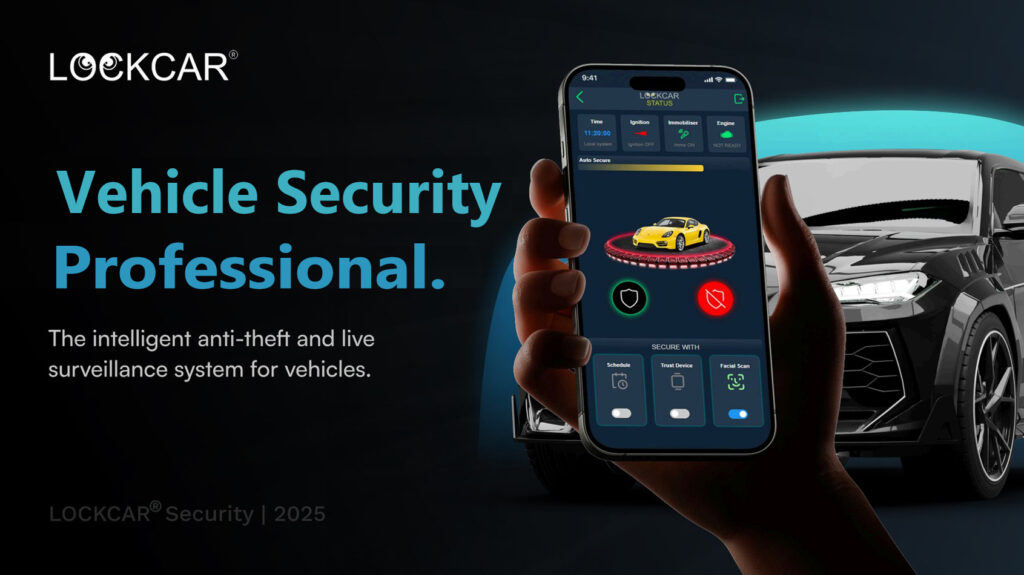
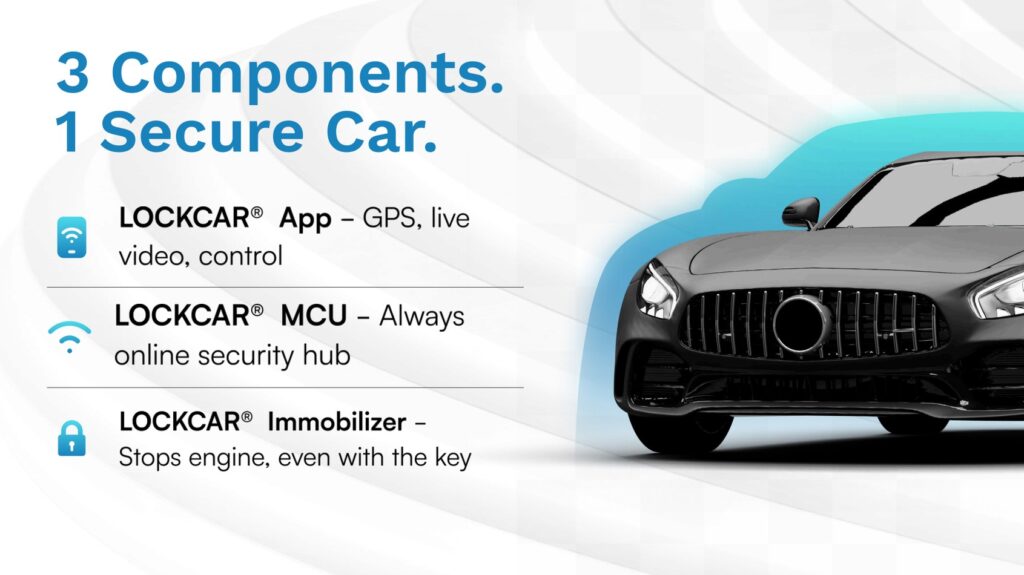
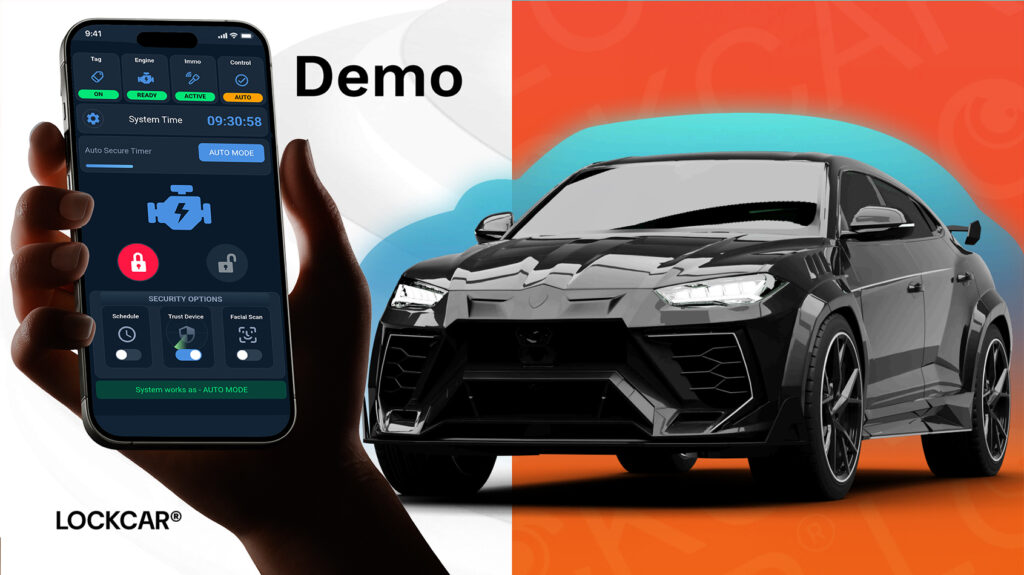
Think of a GPS tracker as a find-my-car device. Think of an immobiliser as a no-start device. One helps after the fact. The other stops the act entirely. This guide walks through what each technology actually delivers, why they serve different purposes, and how LockCar builds both into a single UK-made system – combining a hardwired immobiliser with optional 4G GPS tracking.
On this page
Walk into any Halfords or browse online and you will see a bewildering array of vehicle security gadgets. Trackers. Immobilisers. Alarms. Diskloks. Faraday pouches. Each has a job. But most people do not fully grasp what a tracker can and cannot do – or why an immobiliser tackles a completely different stage of the theft process. LockCar builds hardwired immobilisers right here in the UK that physically block engine start. On our premium models, we add 4G GPS tracking. That gives you both a barrier against theft and a way to locate the vehicle if something goes wrong.
What a GPS tracker actually does
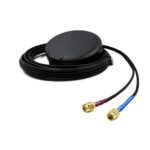
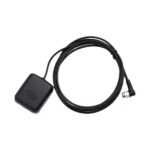
A GPS tracker is essentially a location broadcaster. It sits somewhere in your vehicle, listens for satellite positioning signals, and sends that position over a mobile network to a server you can access. If a thief drives away in your car, you open an app and see exactly where the vehicle is moving in near real time. In ideal conditions, you pass that location to police and recovery happens within hours.
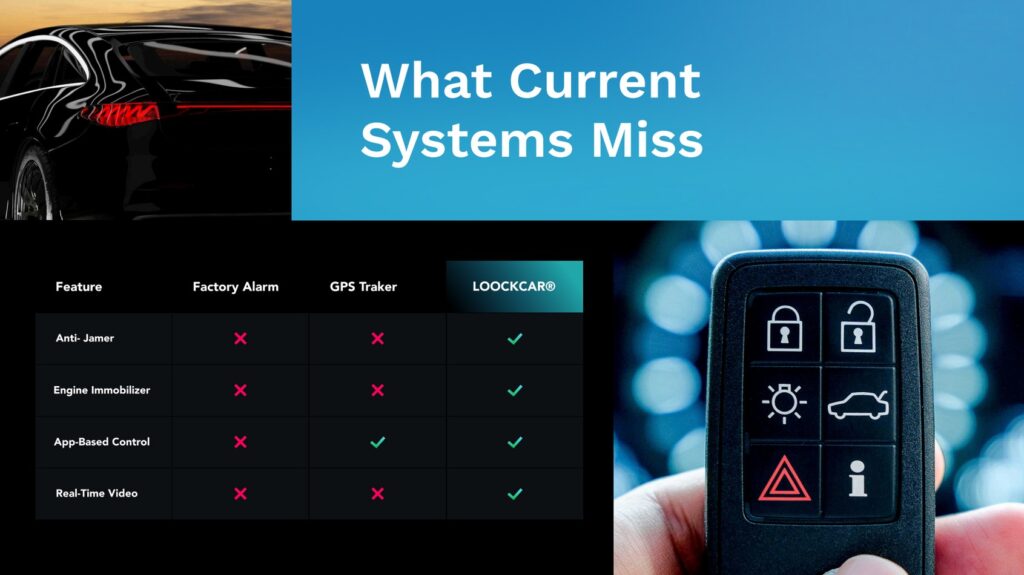
But note what the tracker does not do. It does not block anything. It does not interrupt any circuit. It does not prevent the engine from turning over. Relay attacks, CAN bus injections, key cloning – none of these are affected by the presence of a GPS tracker. The thief can execute a full, successful theft exactly as if the tracker were not there. The tracker only becomes relevant after the vehicle has already left your driveway.
Recovery also depends on factors outside your control. Police must have available units. The tracker must remain undiscovered and unjammed. The vehicle must not already be inside a shipping container or stripped at a chop shop. Trackers improve your odds considerably compared to having nothing – but they are not a guarantee, and they do nothing to prevent the stress and disruption of the theft itself.
What an immobiliser actually does
An immobiliser attacks the problem at the point of action. It says: you cannot start this engine. Your Land Rover has a factory immobiliser already. That one listens for the correct radio signal from your key fob. The problem, as documented extensively by police and insurance data, is that relay amplifiers trick that factory system into thinking the key is right next to the car when it is actually inside your house, twenty metres away.
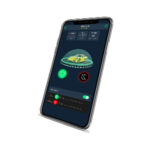
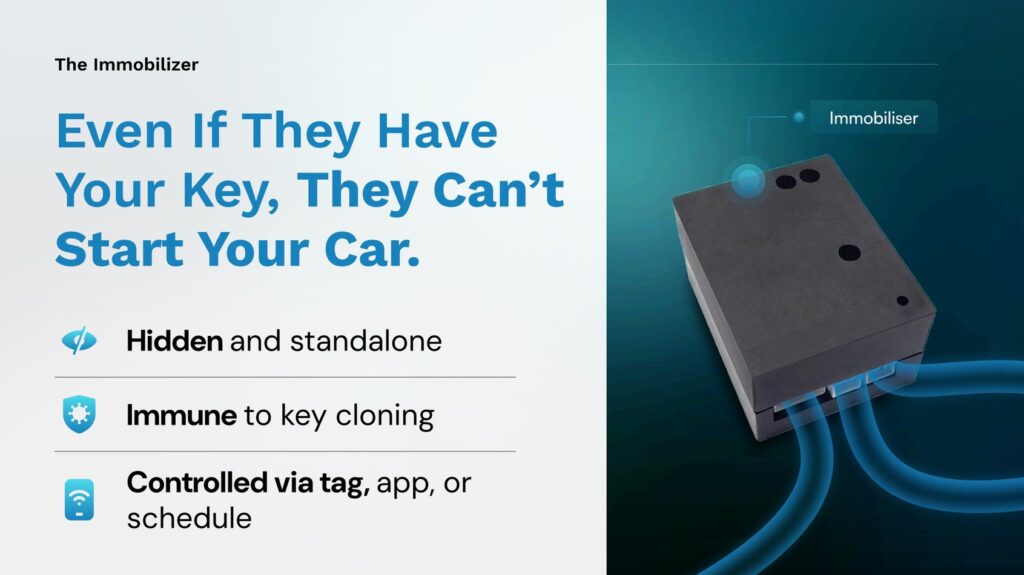
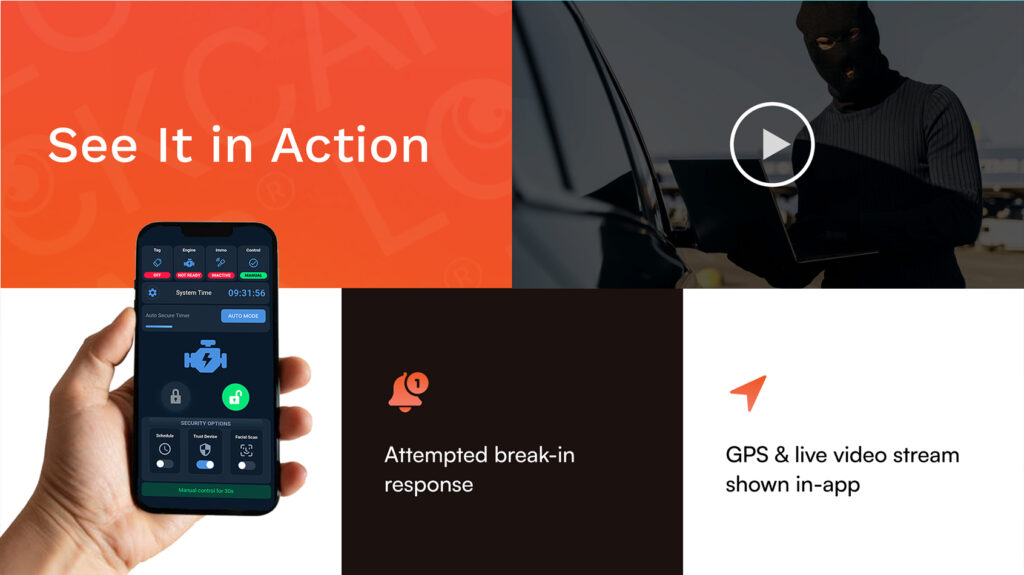
A LockCar aftermarket immobiliser works differently. We cut into a critical starting circuit – fuel pump, starter motor, or ECU power – and insert a physical relay. That relay stays open unless it receives a second, independent authentication event. That could be a proximity tag you keep on your keychain. It could be a button sequence in the LockCar app. Crucially, the relay does not care about the key fob signal at all. A relay amplifier cannot close it. A CAN bus injector cannot close it. Only your specific tag or app can.
That is prevention. The thief tries to start the car. The car does not start. The thief walks away. No police call. No insurance claim. No vehicle gone. The theft stops at your driveway.
The fundamental difference
Here is the simplest way to hold these two products in your head: a tracker helps you after a theft. An immobiliser helps you before a theft. One is reactive. One is proactive. For most drivers, the proactive option delivers a vastly better outcome. You keep your car. You keep your tools if they were in the boot. You do not spend days on the phone with insurers. You do not explain to your employer why you cannot get to work.
If a budget forces a choice between the two, an immobiliser prevents more types of harm. A tracker’s value is contingent – it depends on successful police recovery, on the tracker not being discovered, on the vehicle not being destroyed. An immobiliser’s value is certain. If the relay does not close, the vehicle does not move. No conditions. No contingencies.
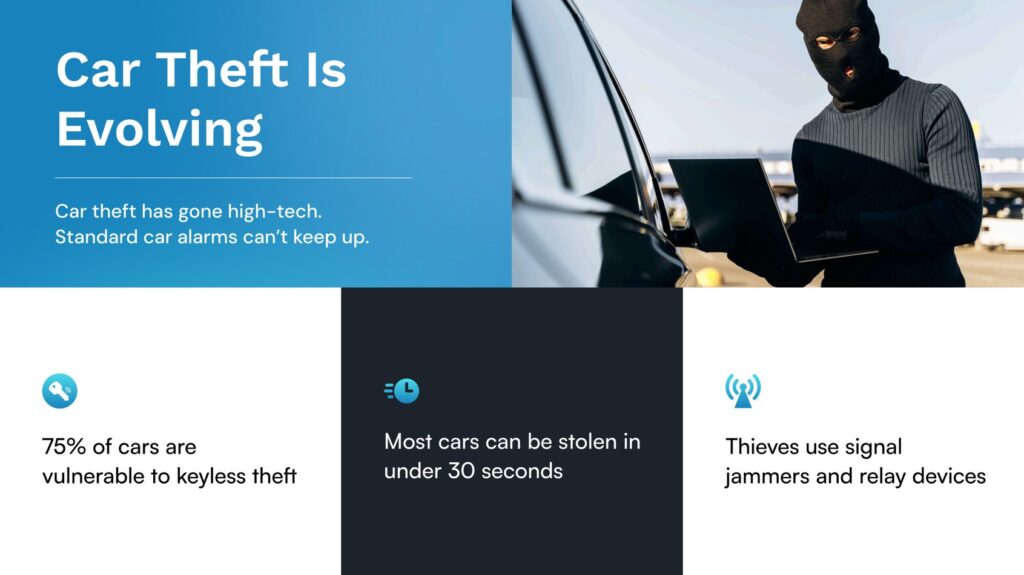
Organised theft gangs routinely scan for GPS tracker signals before moving a stolen vehicle. Cheap jammers are widely available. If a tracker is detected and disabled in the first five minutes after theft, your recovery capability disappears entirely. An immobiliser has no detectable signal to scan for – it is silent until the moment someone tries to start the engine.
Limits of GPS trackers in 2025
GPS technology has improved, but the operational limits remain real. First: detection. Criminals buy tracker detectors online for a few hundred pounds. A detector sweep takes less than a minute. If they find your tracker, they rip it out or wrap it in a Faraday bag. Your live location feed goes dead.
Second: police response. Even with a perfect live location, you need police to act. In many parts of the UK, response times for stolen vehicle recovery are measured in hours, not minutes. A stolen Land Rover on the M1 can cover fifty miles in forty minutes. By the time police mobilise, the vehicle may already be inside a lock-up.
Third: chop shop reality. Sophisticated operations strip vehicles for parts within two to three hours of arrival. A tracker that leads police to that address may lead them to a shell – doors gone, seats gone, engine gone, VIN ground off. The financial outcome is often a write-off payout, similar to the vehicle never being recovered at all.
Why the best solution uses both
An immobiliser is your main line of defence. It handles the most common attack methods – relay, CAN injection, key cloning. But one scenario remains where even the best immobiliser cannot help: the tow-away. If a thief arrives with a flatbed truck, they do not need to start your engine. They just winch the vehicle onto the bed and drive away with it.
Tow-away thefts are rarer than relay thefts, but they happen, especially for high-value Land Rovers and Mercedes vans. Sophisticated gangs use them when they suspect an immobiliser is fitted. The vehicle is taken to a quiet location where they can work on bypassing the immobiliser without time pressure.
This is where a GPS tracker earns its place. Even if the vehicle is towed away without ever starting, the tracker continues broadcasting its location. You see exactly where the flatbed takes it. You provide that information to police. The vehicle is recovered before the gang has time to defeat the immobiliser. Prevention plus recovery – the complete package.
LockCar – immobiliser plus optional 4G GPS
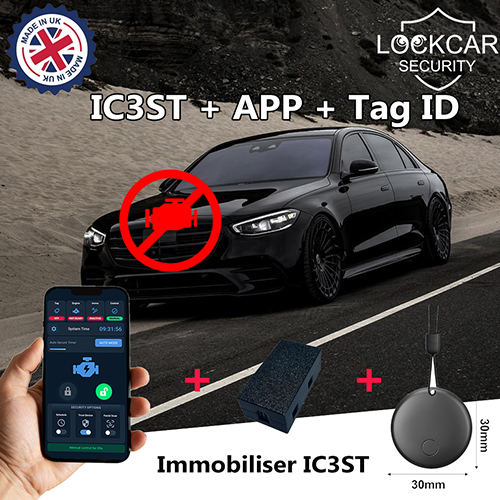
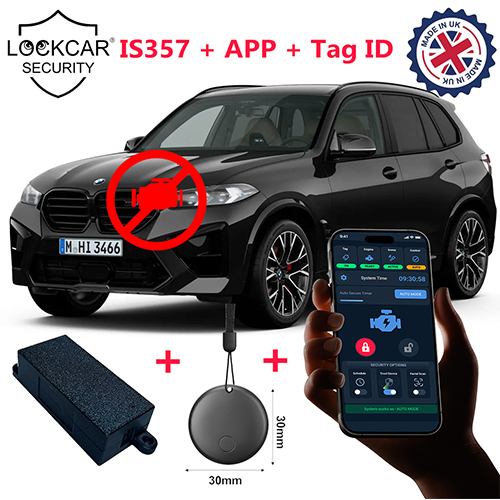
LockCar manufactures two categories of product. The standalone immobilisers – IC3ST, IS357, i226, ic326 – focus entirely on prevention. They give you the strongest possible physical barrier against engine start, at competitive prices, with no ongoing subscription fees. These are for owners who want the best possible defence and are comfortable that tow-away risk is low for their vehicle and parking situation.
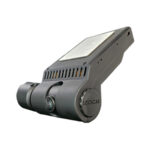
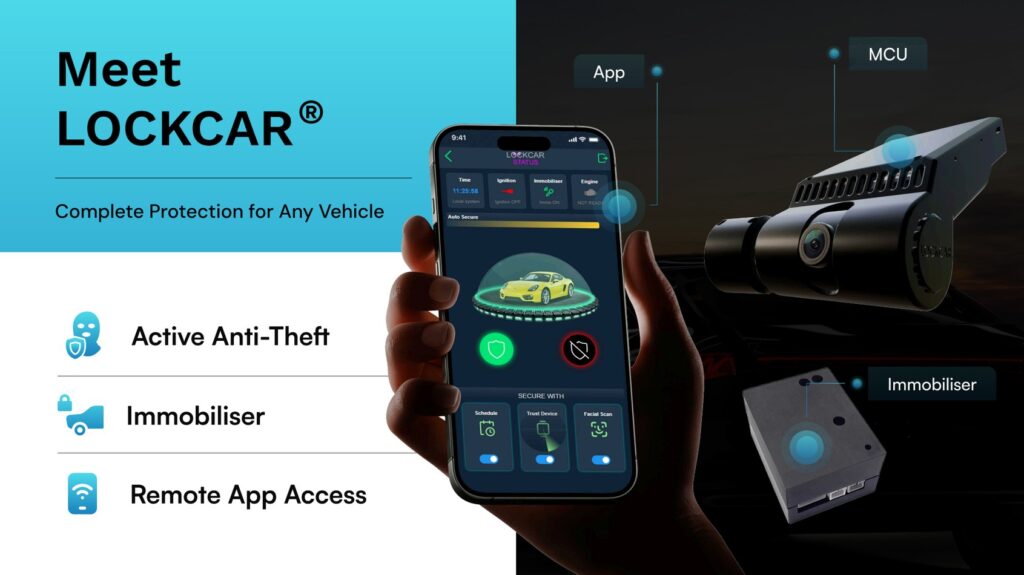
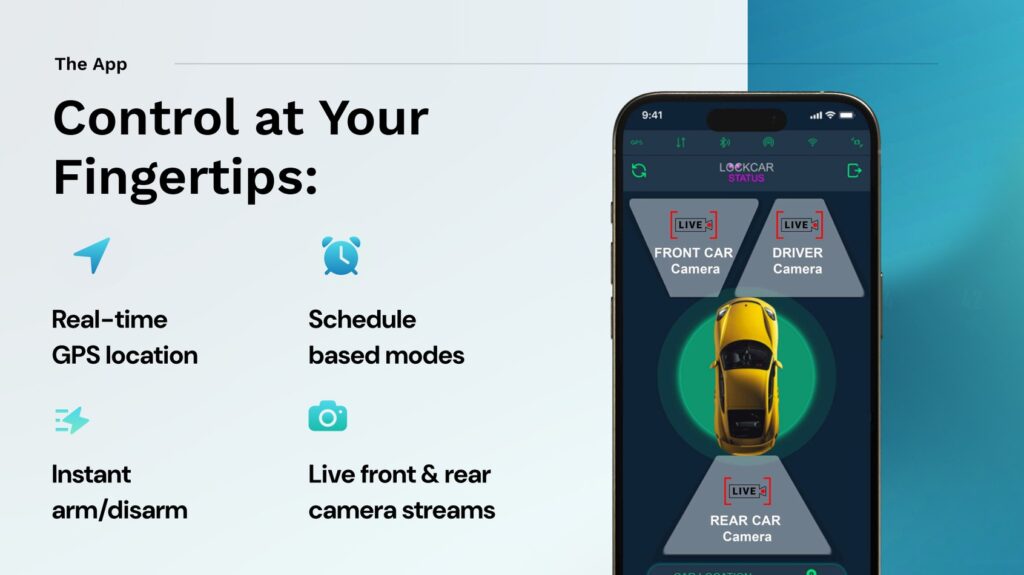
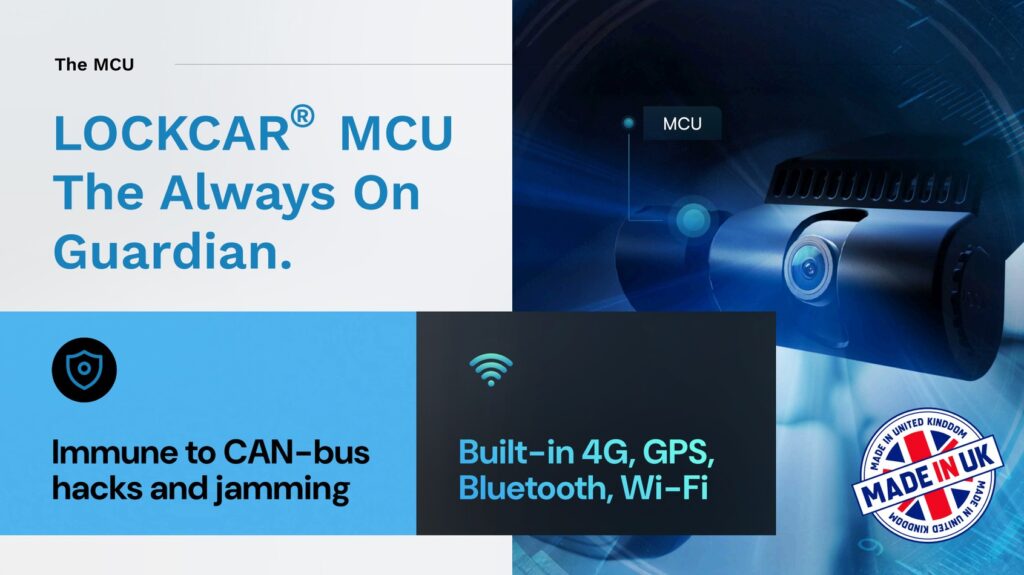
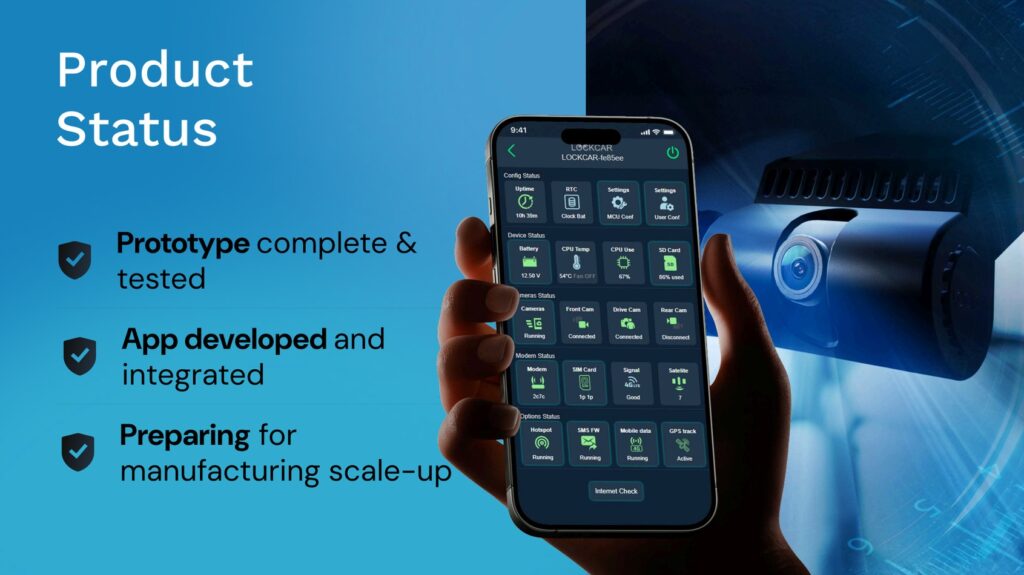
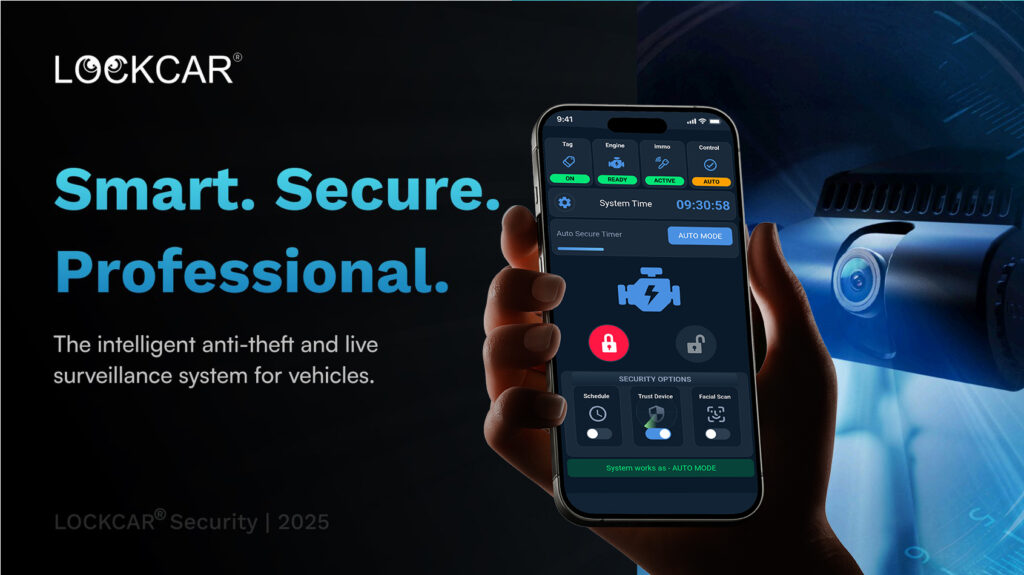
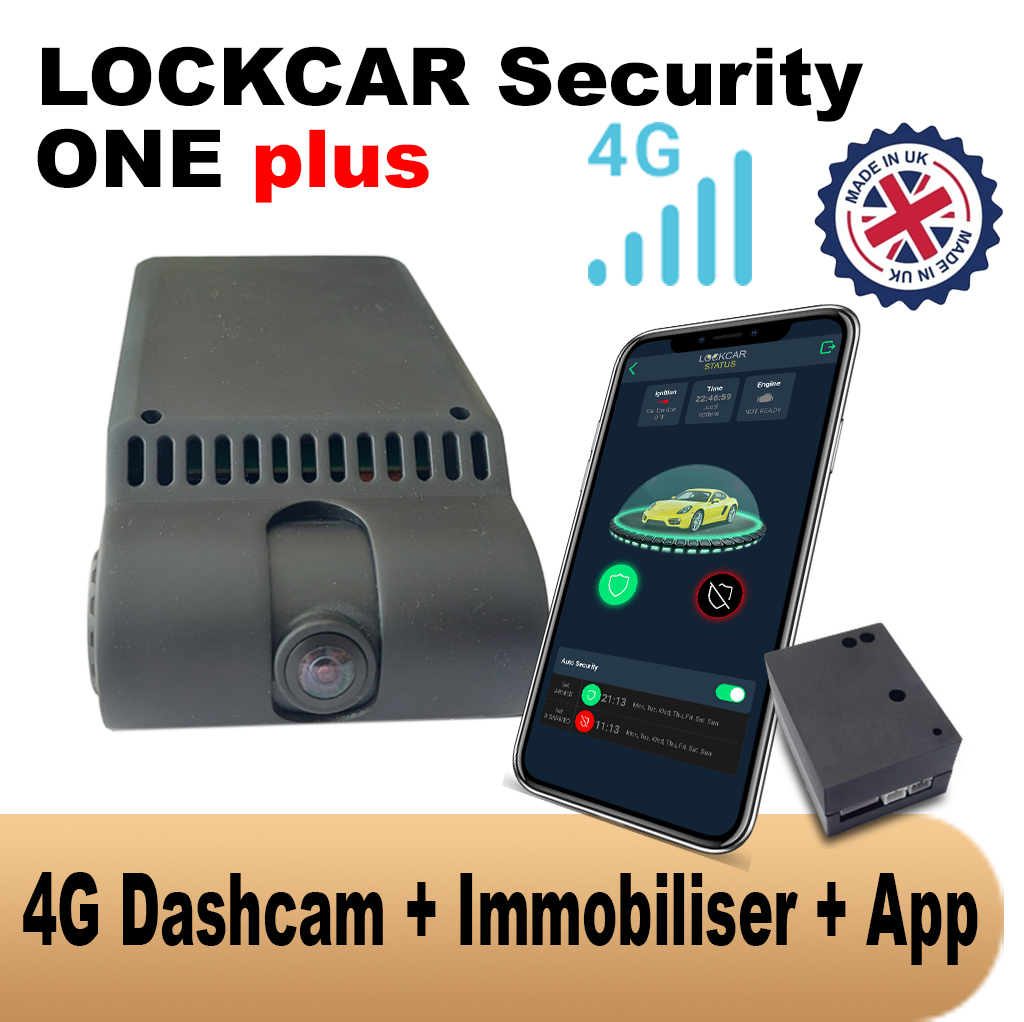
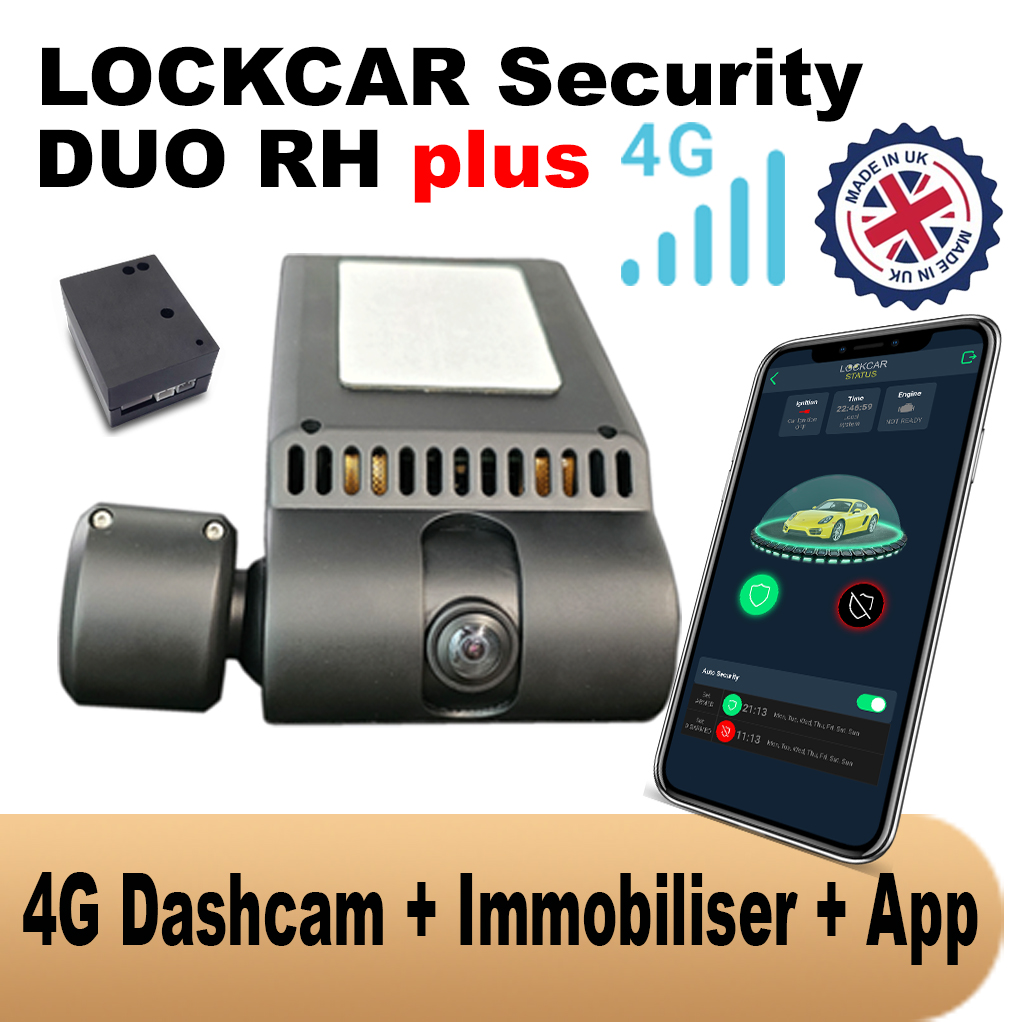
The combined systems – One Plus, Duo RH Plus, Duo LH Plus – add 4G GPS tracking and live camera views. These give you full visibility of where your vehicle is at all times, plus immediate alerts if movement is detected. Remote immobilisation is available through the app. These are for owners who want the complete security picture – prevention and recovery – from a single device.
Every LockCar product is designed and manufactured in the United Kingdom. Mobile installation is available nationwide. Most areas offer same-day or next-day appointments. Full insurance-grade documentation is provided with every installation.
Does a Thatcham-approved GPS tracker give me enough protection?
Thatcham approval means the tracker meets certain insurance industry standards for recovery capability. Insurers often require it for high-value vehicles. But approval does not turn a tracker into a prevention device. It still finds your car after it is gone. A LockCar immobiliser stops it from leaving in the first place. The two complement each other – they do not replace each other.
Can thieves detect and disable the LockCar immobiliser?
LockCar units are installed without external lights or branding. The location is chosen to be non-obvious. The wiring architecture means that cutting or bridging wires typically keeps the circuit open rather than closing it. Physical defeat requires extensive time with the vehicle interior partially dismantled – not something a thief has on your driveway at 2am. Compared to a GPS tracker which broadcasts a detectable radio signal, the immobiliser is effectively invisible.
Does the LockCar One Plus GPS track in real time or with a delay?
Real time. The app shows position updates as frequently as every few seconds. Historical trip logs are stored and accessible. Movement triggers immediate push notifications. You do not wait for a delayed report while your vehicle is already moving away.
Get the complete protection package
All vehicles · Mobile installation · UK-wide · Same-day available
WhatsApp to book → Call usUK-wide