


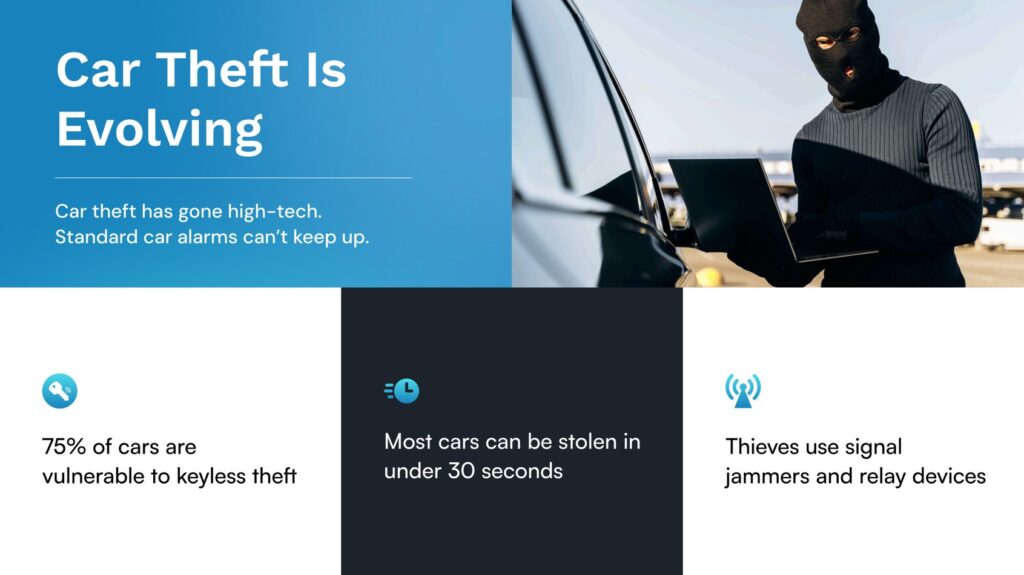
YOUR CAR
CAN BE STOLEN
in under 60 seconds with no alarm triggered
GPS tracker vs immobiliser – prevention or recovery?
A GPS tracker is a recovery tool. An immobiliser is a prevention tool. They solve different problems, and the most protected vehicles use both. This guide explains the difference, what each product actually does for your vehicle’s security, and how LockCar combines hardwired immobilisation with optional 4G GPS tracking in a single UK-manufactured system.
On this page
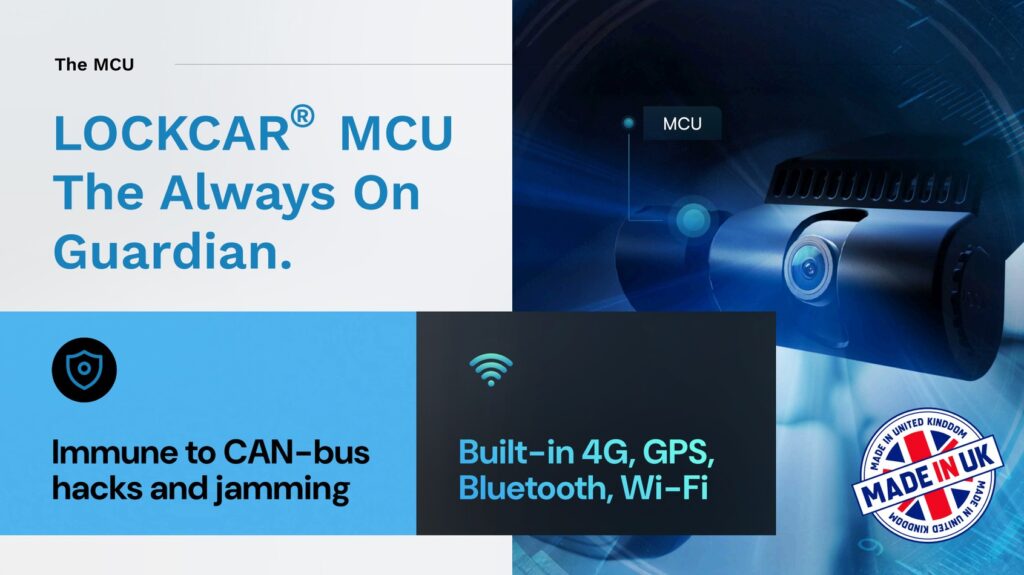
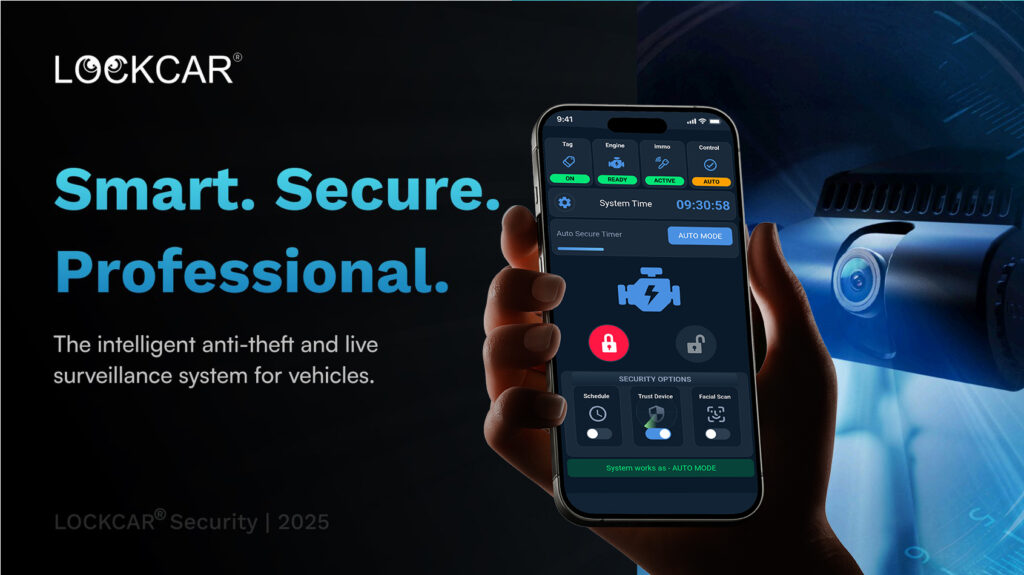
The UK market is full of vehicle security products, and the terminology is often confusing. GPS trackers, immobilisers, alarms, Faraday pouches, steering wheel locks – each addresses a different aspect of vehicle theft, and understanding what each product actually does is the only way to make an informed security decision. LockCar manufactures hardwired immobilisers in the UK that physically prevent engine start, and offers 4G GPS tracking integration on premium models – giving you prevention and recovery capability from a single device.
What a GPS tracker actually does
A GPS tracker is a device fitted to your vehicle that reports its location continuously via a mobile data connection. If your vehicle is stolen, you – or a monitoring company – can see its real-time location on a map and provide that information to police. In theory, this leads to faster recovery. In practice, many trackers are effective at locating vehicles in the hours immediately following theft, before the vehicle reaches a chop shop or secure compound.
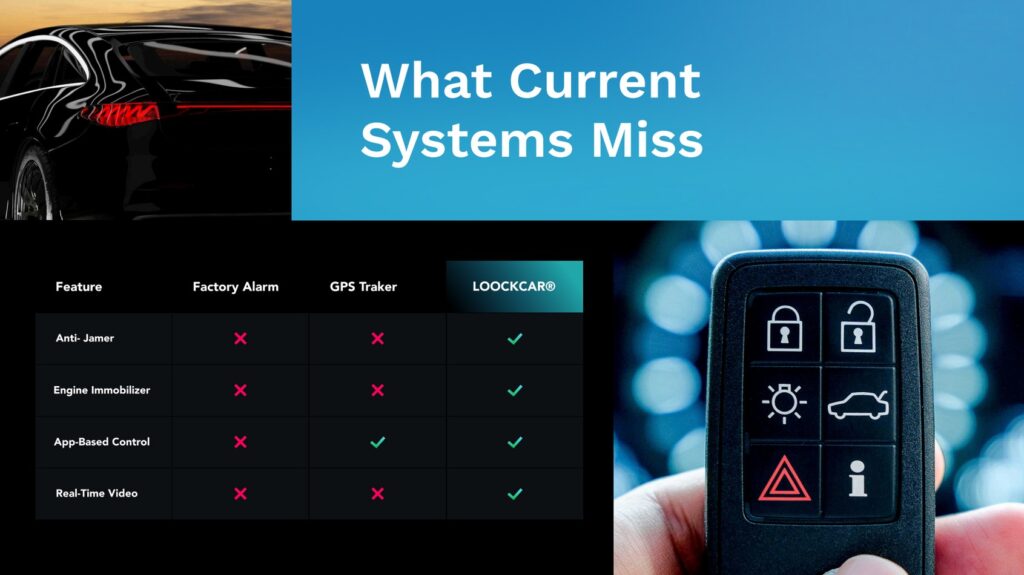
GPS trackers do not prevent theft. They have no effect on whether a relay attack succeeds, whether a CAN bus attack succeeds, or whether a vehicle can be started and driven away. A tracker records where the vehicle goes after it has been stolen – it plays no role in the events that lead up to that point. The thief does not know or care whether your vehicle has a tracker until after the theft is completed.
Tracker-based recovery also depends on police availability and response speed. Even with a live GPS location, recovery is not guaranteed. In high-theft areas, police resources are stretched, and vehicles may be at a chop shop or inside a container before a response is mounted. Recovery rates for tracked vehicles are significantly better than untracked ones – but they are not 100%, and recovery does not mean the vehicle is undamaged.
What an immobiliser actually does
An immobiliser physically prevents the engine from starting. The factory-fitted OEM immobiliser does this by requiring a valid signal from the key fob before allowing the ECU to authorise start. As detailed extensively in vehicle theft research, relay attacks bypass the OEM immobiliser by amplifying the key fob signal – the ECU receives a valid signal and start is authorised, despite the real key being 20 metres away inside your house.
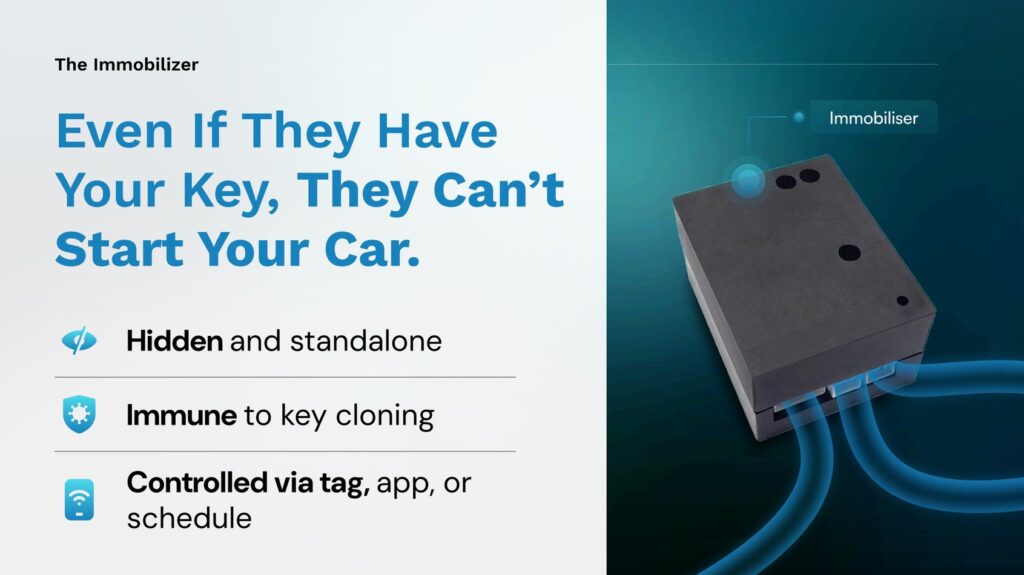
An aftermarket hardwired immobiliser like LockCar operates on a different principle. It installs a physical relay break in the start circuit – a break that is independent of the key fob signal and the ECU. Even if the ECU has been satisfied by a relay attack or CAN bus injection, the engine will not start because the physical relay in LockCar’s circuit is open. Closing that relay requires a second, independent encrypted authentication event that relay equipment cannot replicate.
An immobiliser is a prevention device. It stops the theft from completing. The criminal approaches the vehicle, attempts to start it, and cannot. The vehicle remains where it was parked. No police response is needed. No insurance claim is filed. No tools are lost. The theft simply does not happen.
The fundamental difference
The key distinction is prevention versus recovery. A GPS tracker helps you recover your vehicle after it has been stolen. An immobiliser prevents your vehicle from being stolen in the first place. For the vast majority of vehicle owners, prevention is a significantly better outcome than recovery – especially when considering the secondary costs of theft including tool loss, work disruption, insurance excess, and the time cost of dealing with the aftermath.
If you had to choose only one product, an immobiliser prevents a far wider range of harm than a tracker. The tracker’s value is conditional on successful police recovery in good condition – a series of events that is not guaranteed. The immobiliser’s value is unconditional – if the relay cannot close, the vehicle cannot be moved, regardless of how sophisticated the theft attempt.
Experienced vehicle theft gangs use GPS tracker detection equipment before stripping or shipping stolen vehicles. A tracker that is detected and disabled removes the recovery benefit entirely. An immobiliser cannot be “detected and disabled” at the vehicle’s perimeter – it requires physical access to specific, hidden wiring to attempt any bypass.
Limits of GPS trackers in 2025
GPS tracker technology has improved substantially, but several limitations remain relevant for UK vehicle owners. First, tracker detection: the aftermarket exists for jamming and detection equipment, and organised theft gangs have access to it. A Faraday bag large enough to block a tracker’s signal during transport is available for under £20. A vehicle inside a Faraday container will not broadcast its location regardless of tracker quality.
Second, response lag: even a real-time GPS tracker requires a human response – police dispatch, pursuit, interception – before recovery is possible. At typical motorway speeds, a stolen vehicle can reach a chop shop 50 miles away within 40 minutes of the theft. Police response in high-theft areas may not occur within this window.
Third, chop shop destruction: highly organised operations dismantle vehicles within hours of arrival. A vehicle that is tracked to a chop shop address may be recovered as a stripped shell. The practical financial outcome – having to replace a vehicle – may be similar to non-recovery. A total write-off pays out differently under most policies than a recovered-but-stripped vehicle.
Why the best solution uses both
An immobiliser is the primary defence – it prevents the theft. A GPS tracker is the secondary defence – it provides recovery capability in the event that a theft does occur through means the immobiliser cannot address, such as a tow-away (where the vehicle is physically lifted onto a flatbed and transported without being started).
Tow-away attacks are used by sophisticated criminals when they suspect a vehicle has an aftermarket immobiliser. The vehicle is towed to a secure location where they have time to work on defeating the immobiliser’s wiring without time pressure. A GPS tracker provides a crucial layer of protection against this scenario – it means the vehicle’s location is known even if it is not being driven.
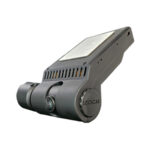
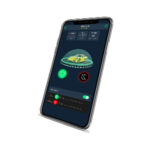
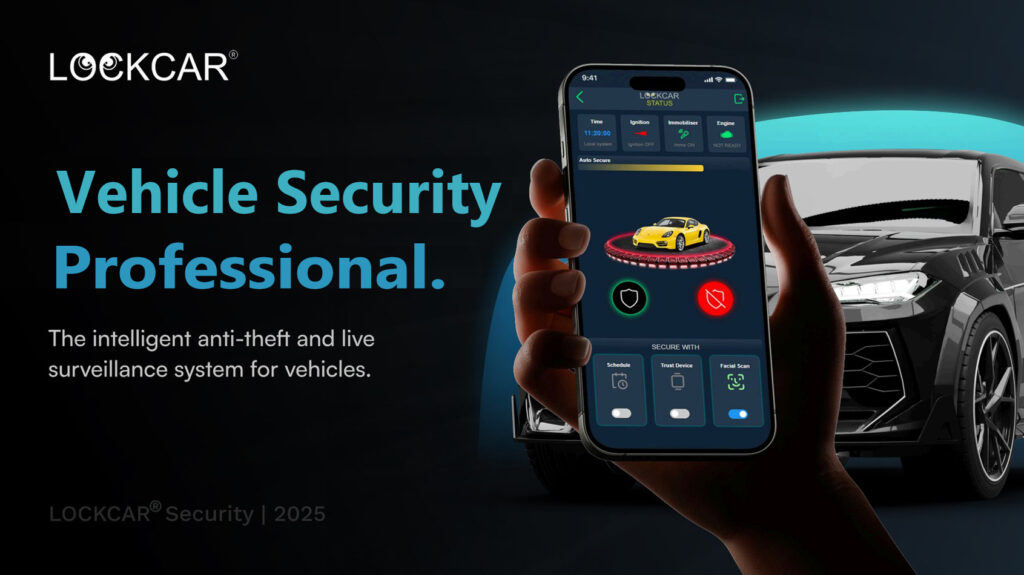
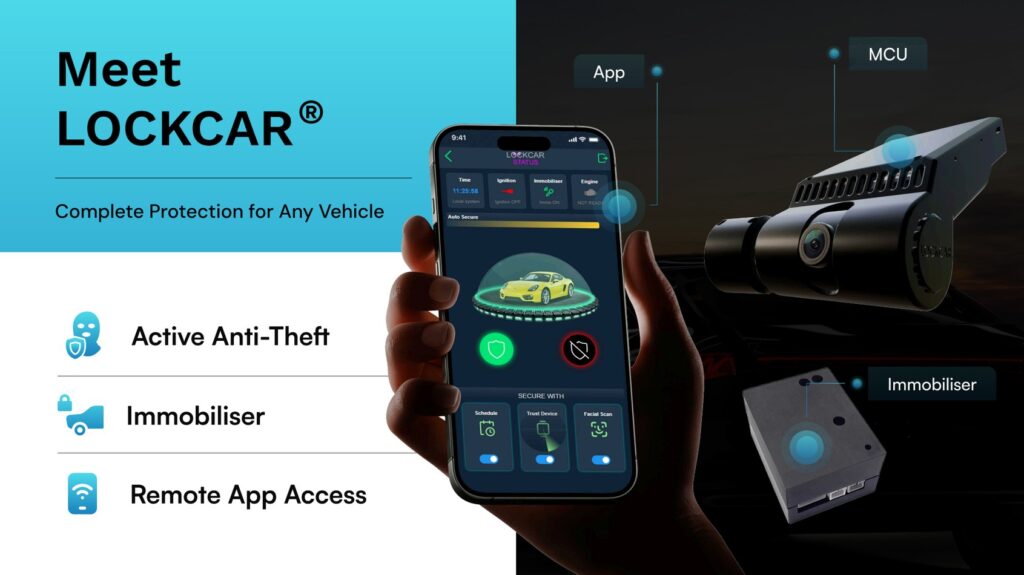
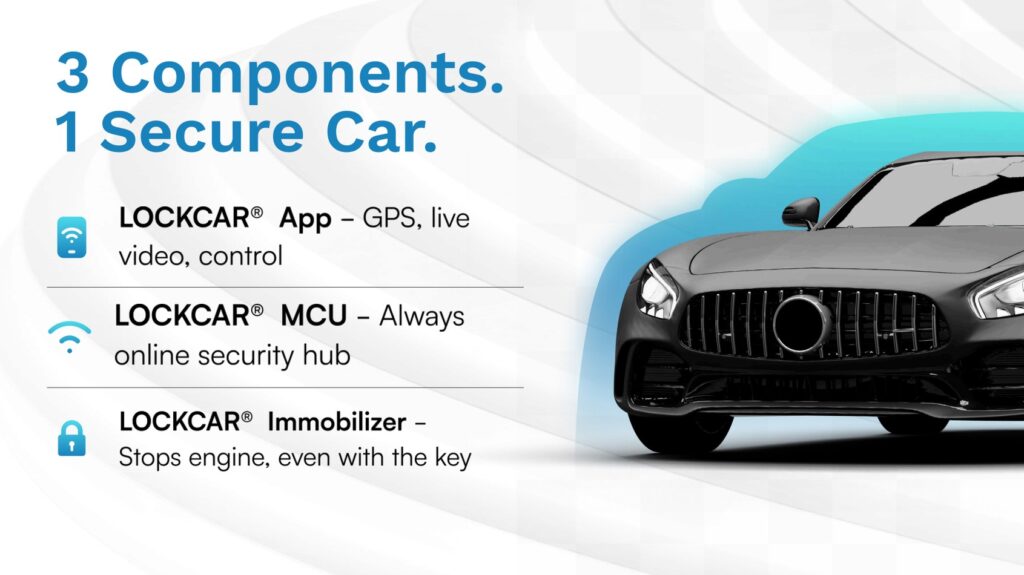
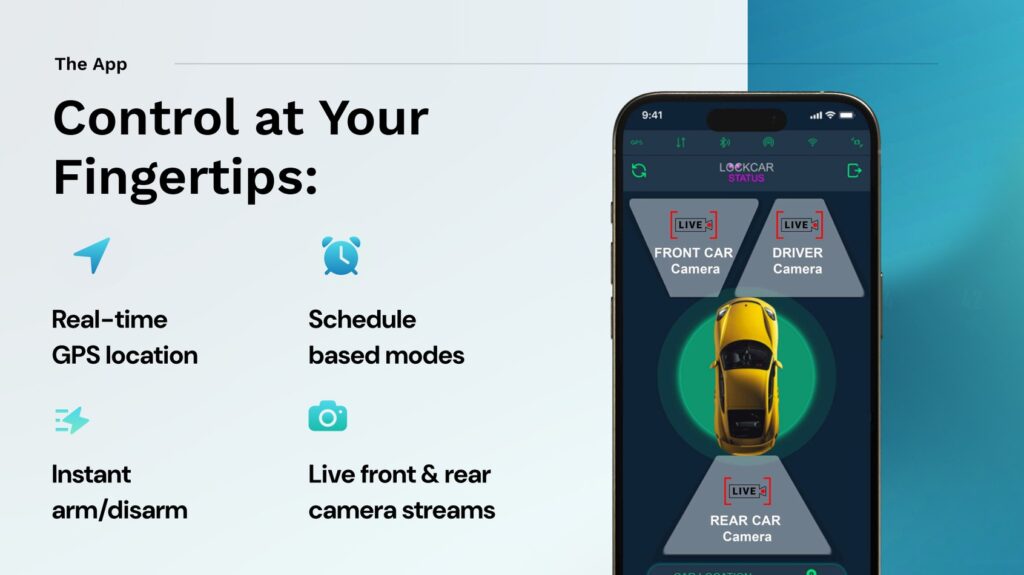
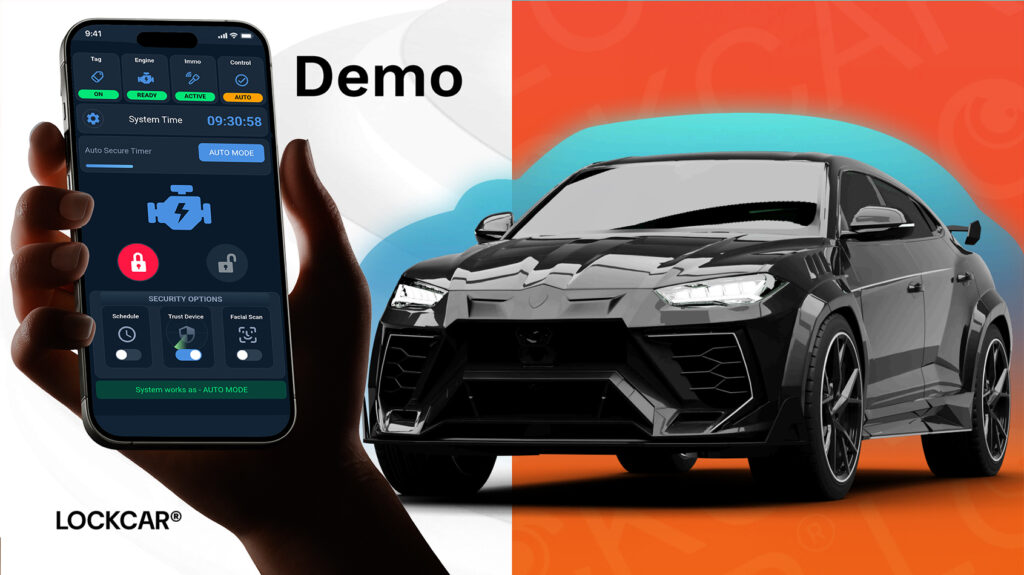
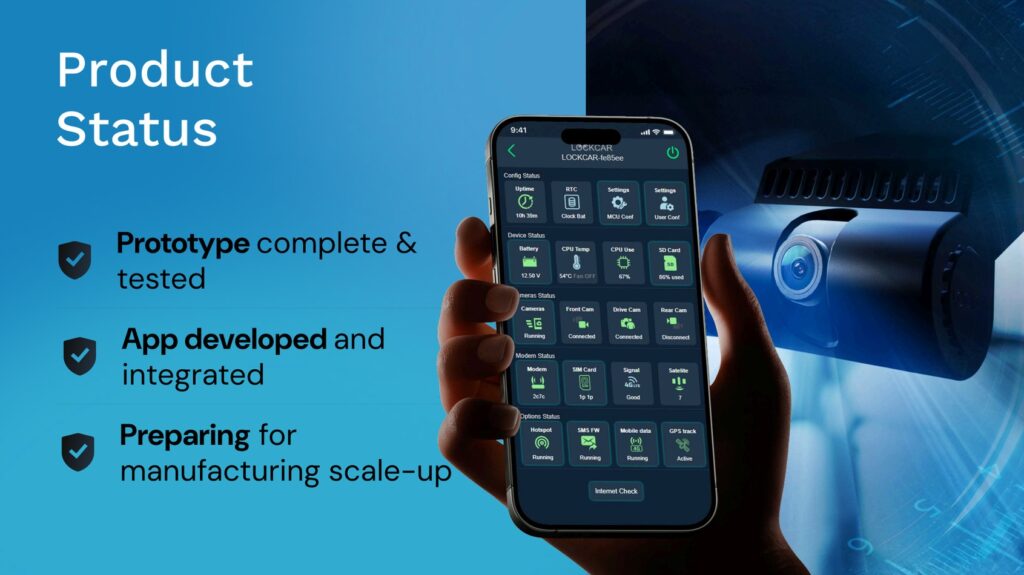
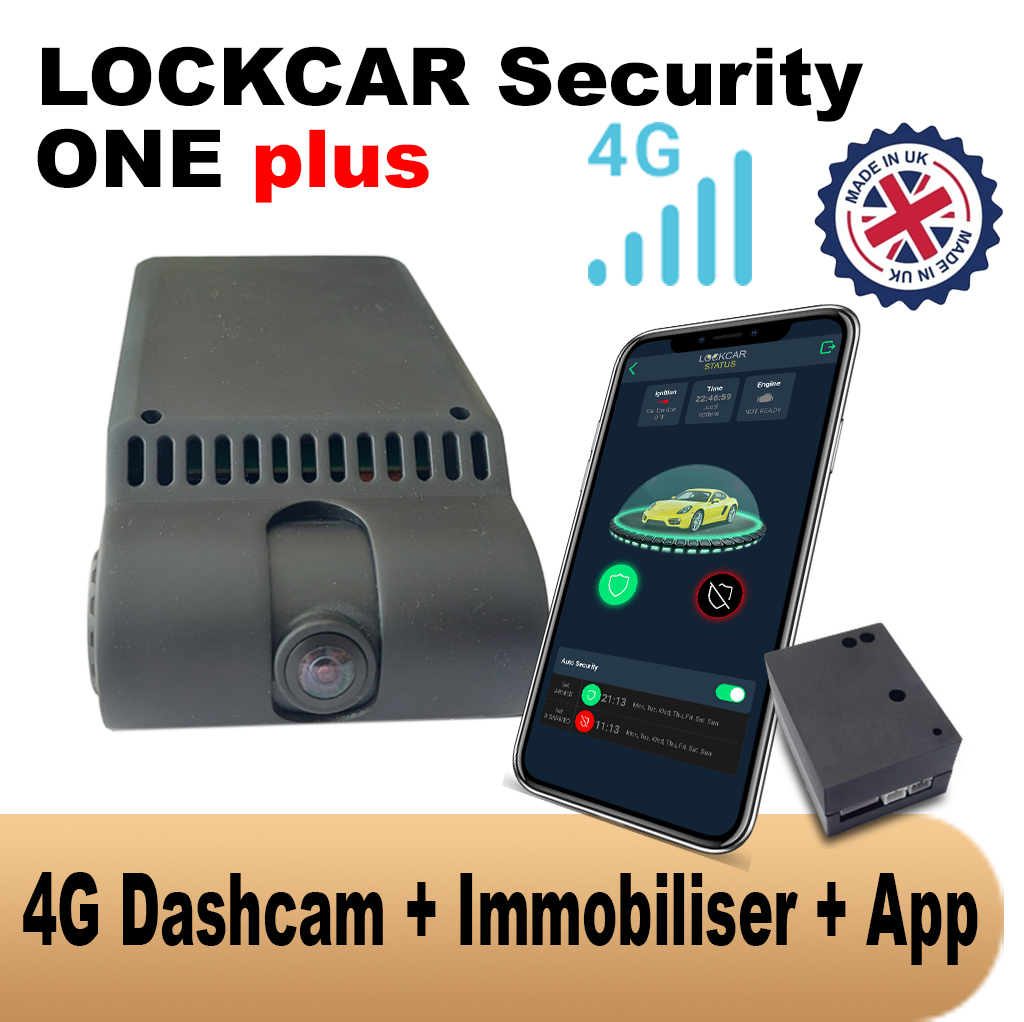
LockCar’s One Plus model combines a hardwired relay immobiliser with a 4G GPS module in a single system. This gives you both prevention and recovery capability from one device, controlled from one app, with one installation appointment. It is the most complete single-device vehicle security solution available in the UK market.
LockCar – immobiliser plus optional 4G GPS
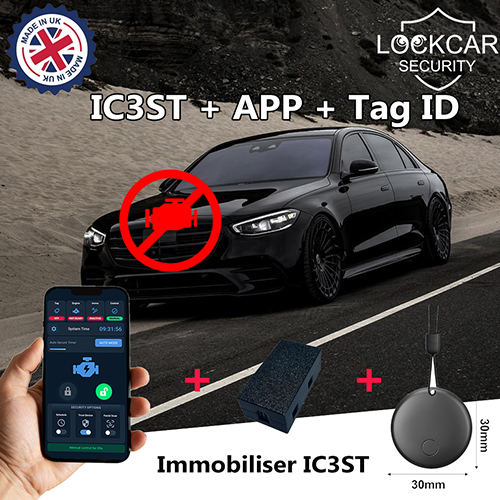
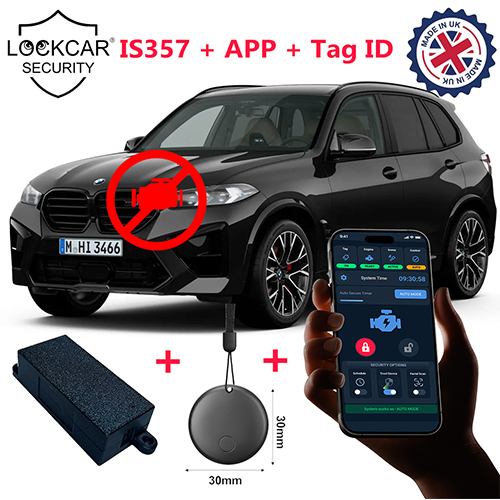
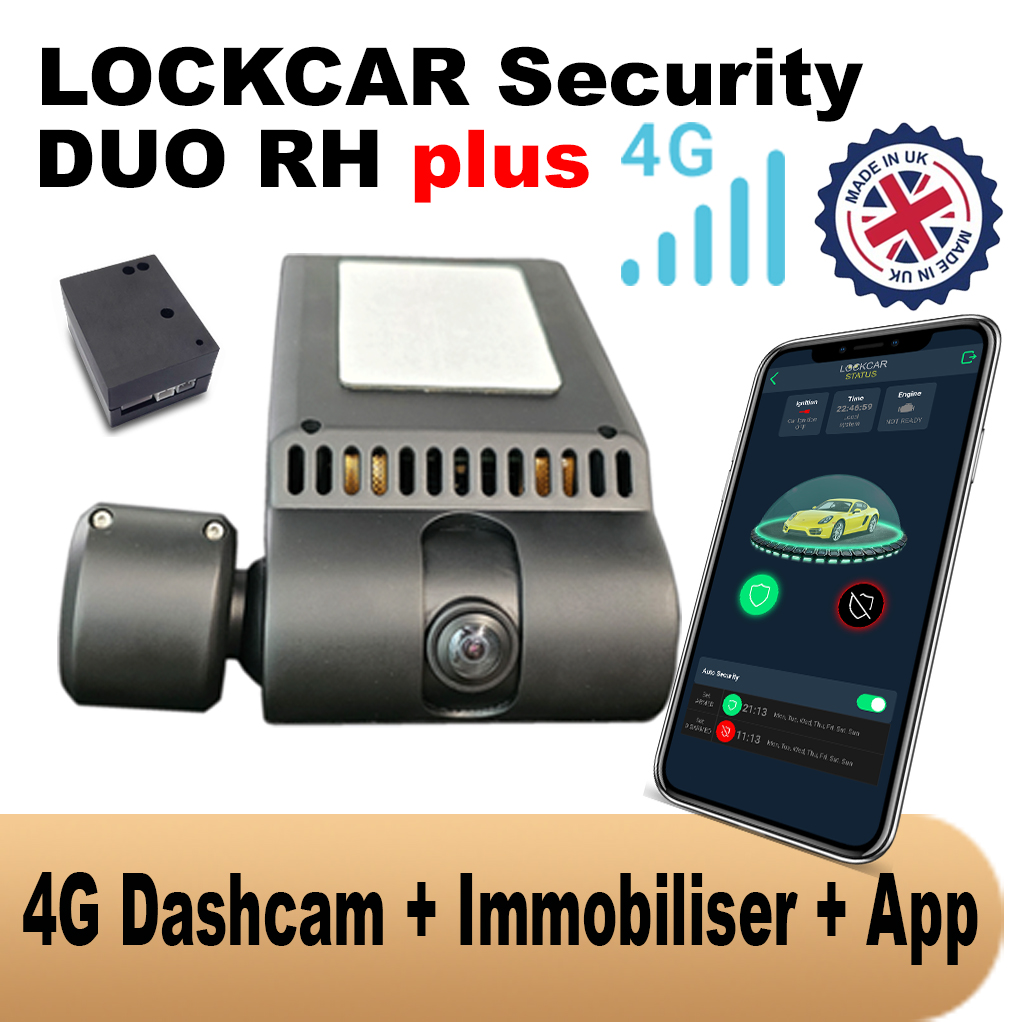
LockCar manufactures both standalone immobilisers (IC3ST, IS357, i226, ic326) and combined immobiliser-plus-4G-GPS systems (One Plus, Duo RH Plus, Duo LH Plus). The standalone immobilisers provide the strongest possible prevention capability at competitive price points. The combined systems add real-time GPS tracking, live camera, and remote immobilisation for owners who want full visibility as well as physical protection.
All LockCar products are designed and manufactured in the United Kingdom. Mobile installation is available across the entire UK, with same-day appointments available in most areas. Every installation comes with full documentation for insurance purposes.
Does a Thatcham-approved GPS tracker give me enough protection?
Thatcham-approved trackers are excellent recovery tools and many insurers require them for high-value vehicles. However, they do not prevent theft – they locate the vehicle after it has been taken. A LockCar immobiliser prevents the theft from completing. The two products address different risks and work best in combination.
Can thieves detect and disable the LockCar immobiliser?
LockCar immobilisers are installed without visible indicators, in locations chosen to be discreet. The isolated wiring architecture means that even if a criminal locates the unit, cutting or bridging wires maintains the blocked state rather than allowing bypass. Physical defeat requires detailed knowledge of the specific installation – significantly more difficult than detecting a GPS tracker’s signal.
Does the LockCar One Plus GPS track in real time or with a delay?
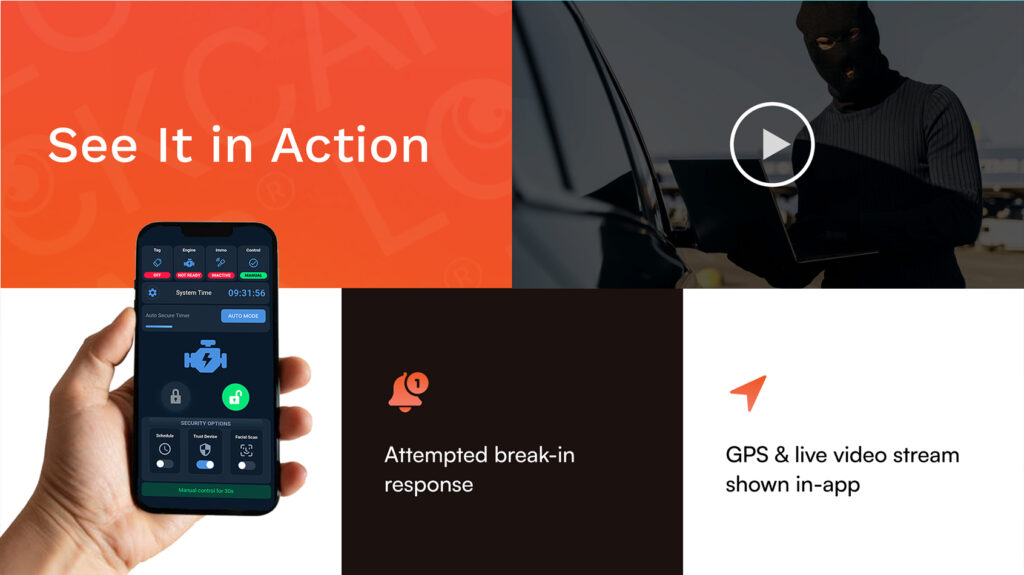
The LockCar One Plus provides real-time GPS tracking with updates visible in the app as frequently as every few seconds. Position history is logged and accessible for review. Movement alerts are sent as push notifications immediately when detected.
Get the complete protection package
All vehicles · Mobile installation · UK-wide · Same-day available
WhatsApp to book → Call usUK-wide