


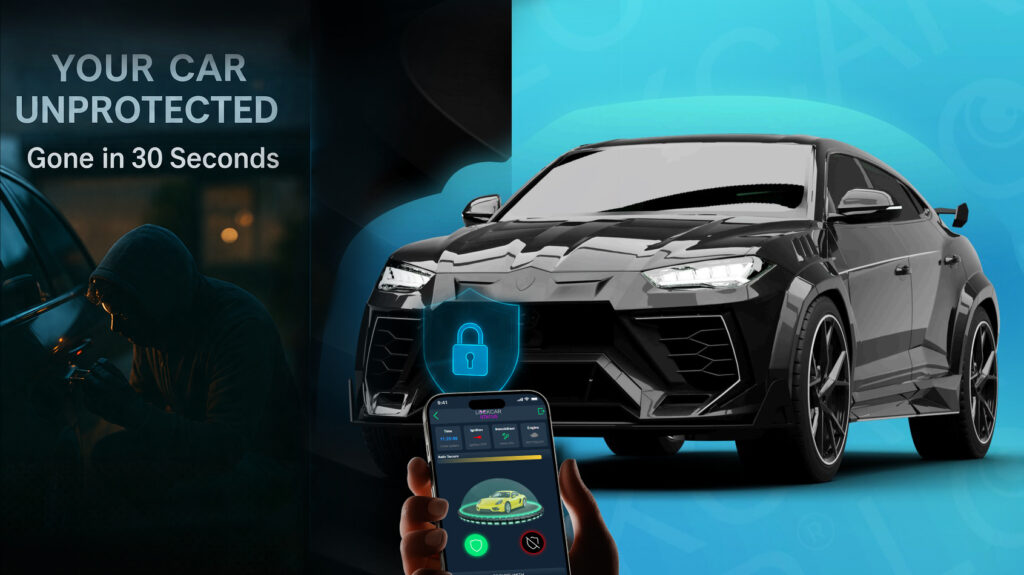


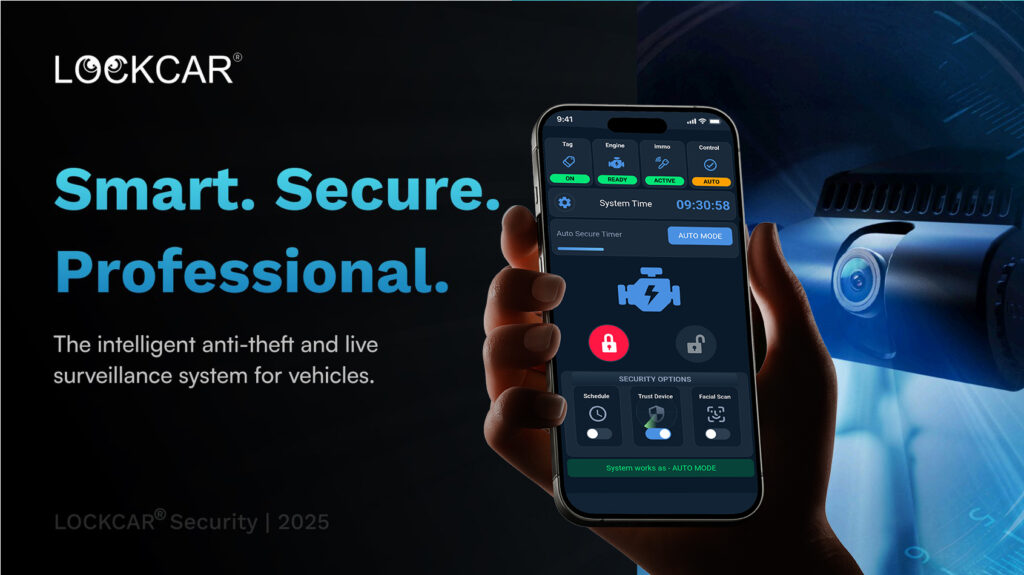
YOUR CAR
CAN BE STOLEN
in under 60 seconds with no alarm triggered
A hidden immobiliser is only as good as the person who fits it
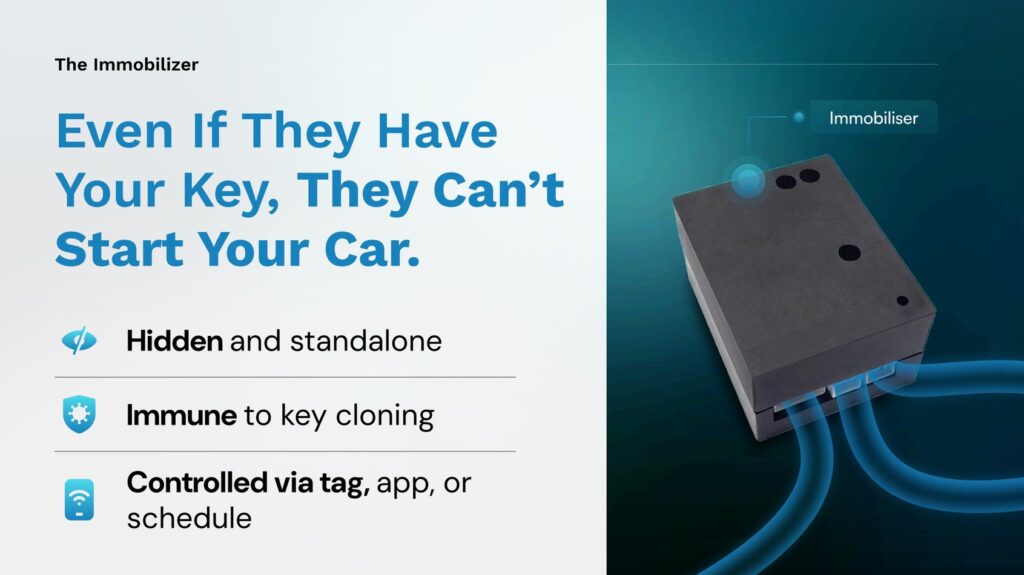
Ghost style immobilisers connect directly into a vehicle’s CAN bus network, which means the quality of the fitting matters as much as the device itself. Here is what a proper installation actually involves, and what to check before booking one.
Wiring into the CAN bus is not something to get wrong
A CAN bus immobiliser communicates directly with the network that runs a modern car’s electronics. Done correctly, that connection is non-invasive and reversible. Done incorrectly, it can create warning lights, communication errors, or a starting fault that is hard to trace back to its actual cause.
This is why manufacturers of these devices generally require professional fitting, and why the fitter’s experience with your specific make and model is a real factor, not just paperwork. Vehicle-specific installation guides exist because the same principle applies differently from one car to the next.
A properly fitted immobiliser also stays reversible: it can typically be removed, or reprogrammed for a different vehicle, without leaving a permanent mark on the car’s original wiring.
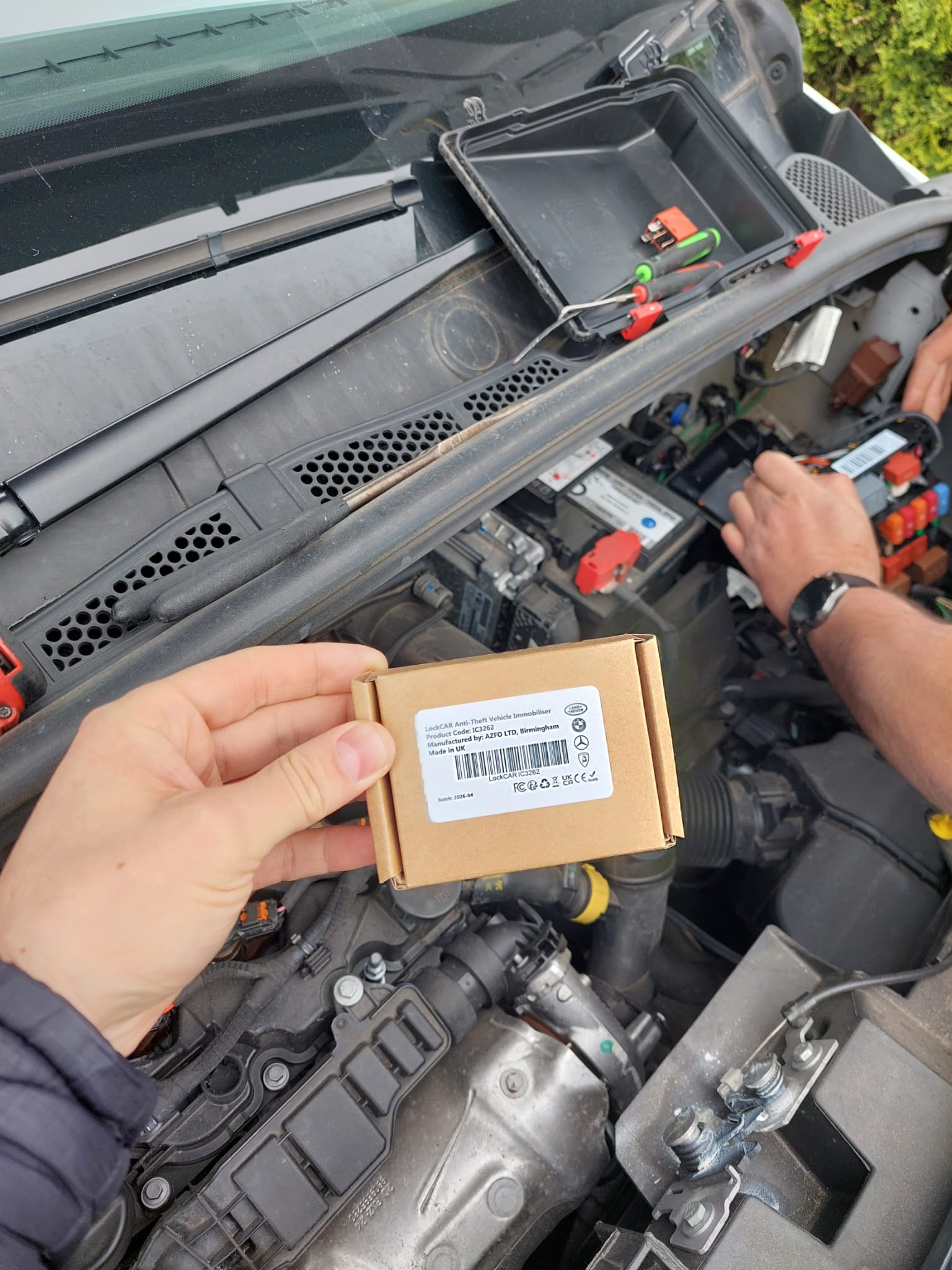
What a proper fitting actually looks like
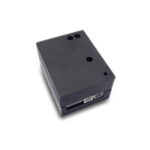
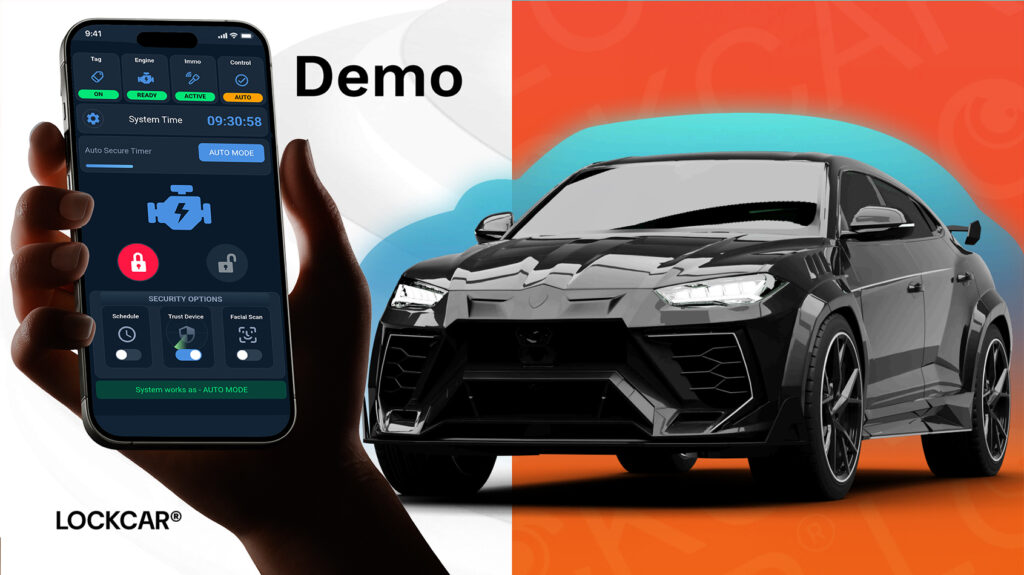
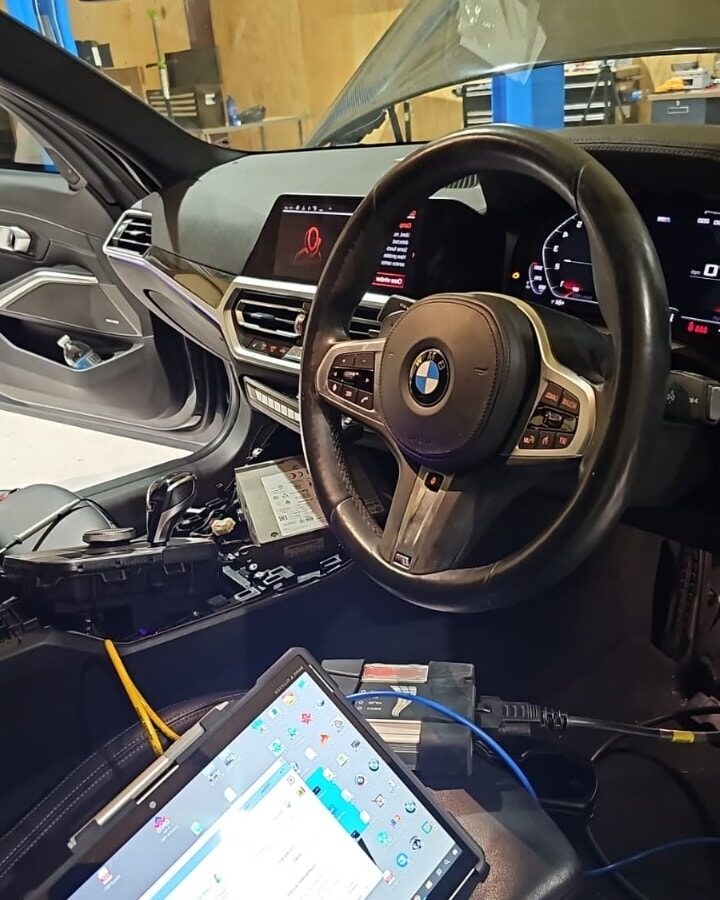
A typical fitting starts with identifying the correct connection points for that specific vehicle, then wiring the module in, usually a handful of connections for a system like CAN-IMMO, rather than cutting or splicing the car’s original loom. The technician then programs the device for that vehicle and, where the system supports it, pairs it with the smartphone app or TAG.
Before handing the car back, a good installer walks you through how to actually use the system day to day, what to do if something does not respond as expected, and how to put it into service or valet mode if the car is going in for other work.
A non-invasive fitting, a clear handover, and a vehicle-specific setup are what separate a proper installation from one that just gets a device physically connected.
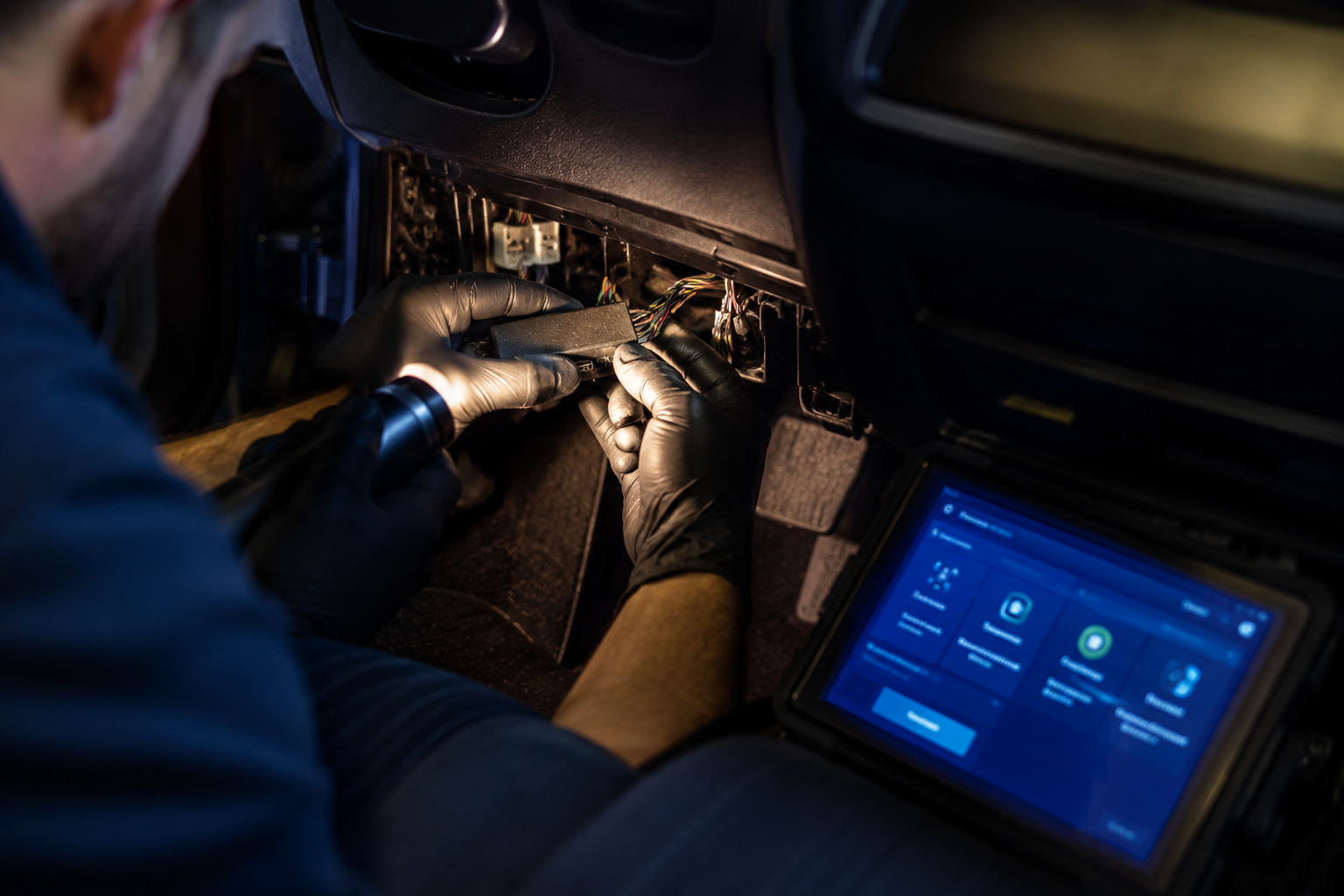
Three things worth asking any installer
Experience with your vehicle
Ask whether they have fitted this type of immobiliser to your specific make and model before.
Warranty terms
Confirm what warranty applies to the device and the fitting, and what would void it.
Mobile fitting availability
Many installers, including LockCar, will fit the system at your home or workplace rather than requiring a workshop visit.
LockCar recommended for this page
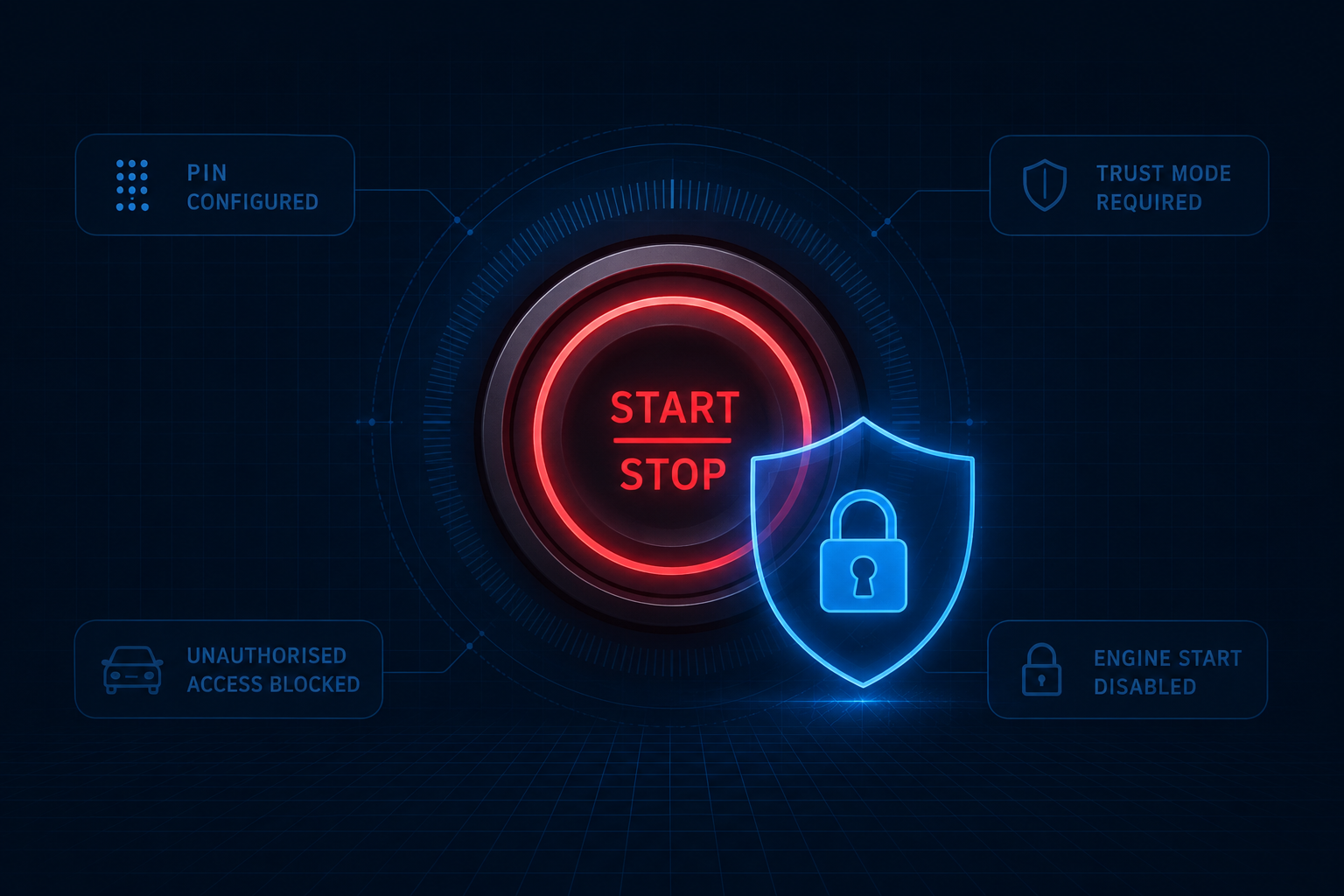
- Typically around 6 connections, varies by vehicle
- Vehicle-specific installation guide and programming number supplied
- 12 months warranty, made in the UK
- Reprogrammable for another vehicle
- Multiple immobiliser types
- UK made, professionally installed
- Vehicle-specific setups available
Frequently asked questions
Can I install CAN-IMMO myself?
Installation requires soldering skills, and professional installation is recommended.
Does fitting an immobiliser affect my car’s warranty?
A correctly fitted, non-invasive immobiliser is designed not to interfere with your vehicle’s original wiring. If you have concerns, check with your dealer or manufacturer.
How long does a typical fitting take?
This varies by vehicle. Ask your installer for a time estimate specific to your make and model.
Can the immobiliser be moved to a new car later?
Yes, CAN-IMMO is reprogrammable for another vehicle.
A fitting you do not have to think twice about
Book a vehicle-specific CAN-IMMO installation with LockCar.