

Vehicle security from
£199
Enter car's registration plate number to find the right LockCar security option
- Free, no obligation
- Fitted, not posted
- 12 months hardware warranty
Do I Need a CAN Bus Immobiliser 2
Do I need a CAN Bus immobiliser 2 is the question this page exists to answer — and it is the second LockCar self-check page, built because the first one filled up with readers asking the same follow-up questions. Not every car and every driver carries the same level of risk. Answer these six questions honestly and you will have a clear, personal read on whether a CAN Bus immobiliser belongs on your car.
Do I need a CAN Bus immobiliser 2 — the short answer
The honest answer is: probably, and the fact you are asking at all is meaningful. In our experience, drivers who land on this question usually fall into one of three groups — keyless car owners who have read about relay theft, high-mileage or work-vehicle drivers who depend on their car daily, and owners whose insurers are tightening conditions on their cover. Each of those three groups tends to have a different reason for being here, but they arrive at the same conclusion.
The first group is the largest. Someone buys a two- or three-year-old car with keyless entry, reads a news story about a vehicle being taken off a driveway in under a minute, and starts wondering how real the risk actually is where they live. The second group is smaller but more urgent — a tradesperson or long-distance commuter for whom the vehicle is not a possession but the thing that gets them paid. The third group is growing fastest as insurers tighten conditions on high-theft postcodes and specific model ranges.
A CAN Bus immobiliser is worth fitting when the cost of losing your vehicle — in money, time, work and disruption — is greater than the cost of the device. For most drivers in the UK in 2026, that bar is lower than they think. If you drive a keyless vehicle, park it outside your home, and would struggle without it for two weeks, the device pays for itself the first time it prevents a theft, and a theft is a one-time event that either happens or it does not.
The six questions below are what we use when a customer asks us this over WhatsApp, and the structure is the same whether you are in Birmingham, Manchester or a rural postcode. They are deliberately blunt. There is no scoring system, no marketing threshold, and no attempt to push you toward one answer. If your situation genuinely does not warrant the device, the questions below will tell you that as clearly as they will tell you the opposite.
This page is built as the practical sequel to our original self-check. Where the first page explained the theory and the attack methods, this one assumes you already know the basics and just want a straight decision. If you answer yes to any of the six questions below, the question itself stops being a question and becomes a yes — and one honest yes is usually reason enough on its own.
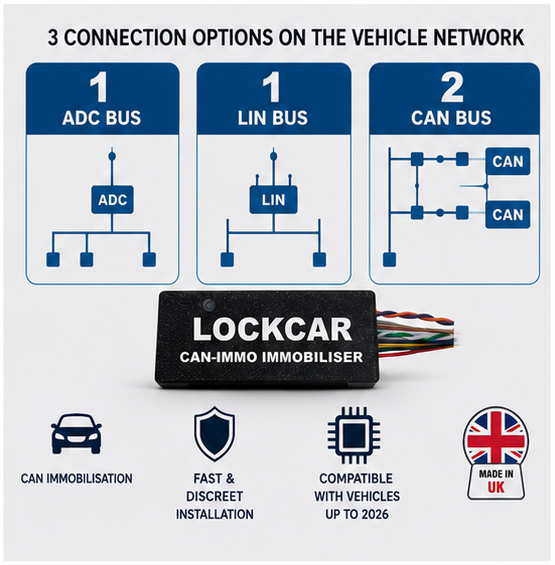
Questions 1 to 3: your car and where it lives
1. Does your car have keyless entry?
If you can unlock or start the car with the key still in your pocket or bag, the answer is yes, and the core weakness this article series covers applies to you. Keyless entry was designed for convenience, not security — and the tradeoff has been accepted by nearly every manufacturer for the last decade.
2. Do you park on a driveway or street?
Many signal-based attacks specifically target vehicles parked close to a home, where a key fob signal can be picked up from inside. The closer your car is to your front door, and the thinner your front wall, the easier that signal is to capture and relay.
3. Do you regularly use public car parks?
Opportunistic access and signal-based attacks are more common in car parks, petrol stations, and other locations away from home. Multi-storey car parks are a particular favourite because thieves can work unobserved between parked vehicles.
Questions 4 to 6: your habits and your insurance policy
4. Do you consistently use a Faraday pouch, every single night, for every key? Be honest. Most owners who mean to do this eventually forget, and it only takes one missed night for a signal-based attack to work. The pouch is a good habit, but habits fail — usually on the night you get home late, or when a second key was left on the hall table by someone else in the house.
5. Does your insurer require a specific security device for cover? Check your policy documents. Some insurers attach conditions for higher risk vehicles, and not meeting them can put a future claim at risk. This has become noticeably more common in the last two years, particularly for keyless SUVs and pickups in high-theft postcodes.
6. Would losing your car for a few weeks genuinely disrupt your life or business? Commuting, school runs, and work vehicles all carry a cost beyond the car’s value if they suddenly disappear. A courtesy car covers a fraction of the real disruption — and it never covers the lost jobs, the missed appointments, or the weeks spent chasing an insurance claim.
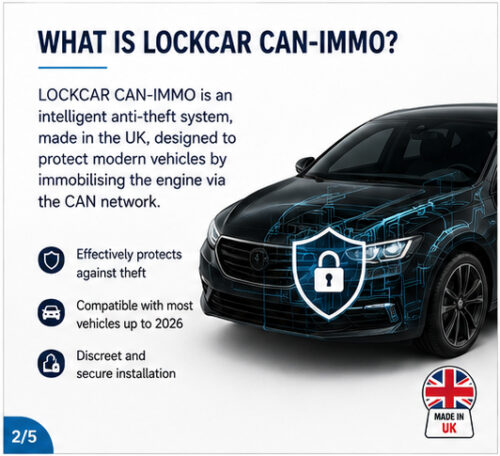
Reading your answers
If you answered yes to question 1, your car has the underlying weakness that makes this whole topic relevant, regardless of anything else. Yes answers to questions 2 or 3 describe common circumstances that specific theft methods are built around. A no to question 4 is worth being honest with yourself about, since it is the most common way owners end up unprotected despite meaning well. A yes to question 5 turns this from a preference into a policy requirement. A yes to question 6 is really the question that matters most: what would it actually cost you if this happened.
The important thing to understand is that these questions are not cumulative in the way a quiz would suggest. You do not need three or four yes answers to justify fitting a device. In practice, a single honest yes — particularly to question 1, question 4, or question 6 — is usually enough on its own. Everything else is secondary.
You do not need to tick every box for a CAN Bus immobiliser to make sense. A single honest yes, particularly to questions 1, 4, or 6, is usually reason enough on its own — and it is the reason we built this self-check around real answers rather than a marketing score.
LockCar recommended for this page
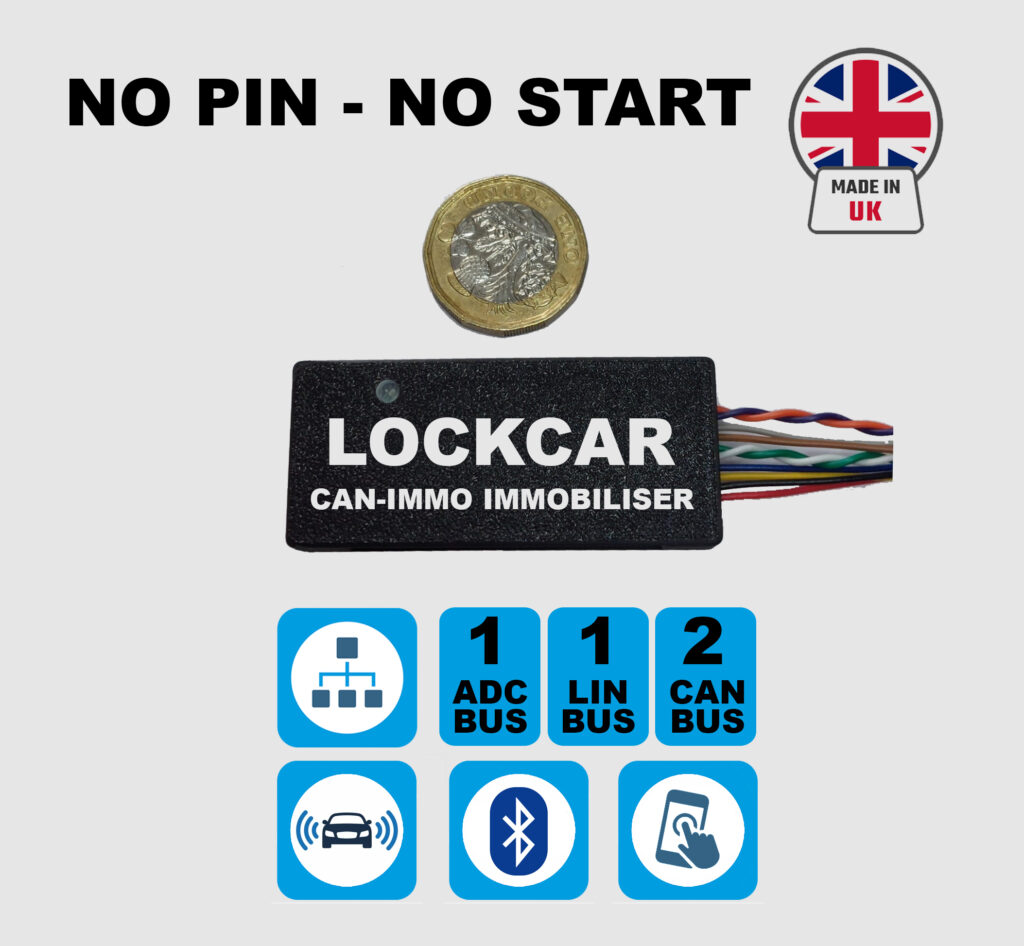
- Bluetooth app control, optional proximity TAG
- Anti-hijack protection, hidden installation
- Vehicle-specific programming, 12 months warranty
- Every model built on the same CAN-IMMO core
- Speak to an installer for the right fit
Frequently asked questions
I answered no to most of these, should I still consider it?
Fewer risk factors mean lower relative exposure, but keyless entry alone remains the core vulnerability. Many owners choose to fit a CAN Bus immobiliser regardless, simply for the peace of mind of removing the question entirely. If your gut says you are exposed, that instinct is worth listening to even when the checklist agrees with you less than you expected.
Can I get a proper opinion on my specific car and situation?
Yes, send your make, model, and location over WhatsApp and we will talk you through what makes sense for your circumstances. Whether the answer turns out to be yes or no for your car, we will tell you straight — including when the honest answer is that you do not need one.
Is this checklist a substitute for reading my insurance policy?
No. This is general guidance to help you think through your own risk. Always check your specific policy documents for any security requirements your insurer has attached to your cover — including any requirement that a specific device be professionally fitted and certified.
Talk to us about your specific car and situation
Send your make, model, and city over WhatsApp for a straight answer, no obligation.