

Vehicle security from
£199
Enter car's registration plate number to find the right LockCar security option
We could not pull the details automatically. Fill these in and we will carry on — it only takes a few seconds.
- Free, no obligation
- Fitted, not posted
- 12 months hardware warranty
Showing sample data – add your MOT History API credentials in the plugin settings to return real vehicles.
MOT history
Pick the level of protection
Every option is fitted by an approved installer. Choose one to see the exact devices.
Immobilisers only for
Hidden engine block. Nothing to see, nothing to record.
CAN BUS Immobiliser
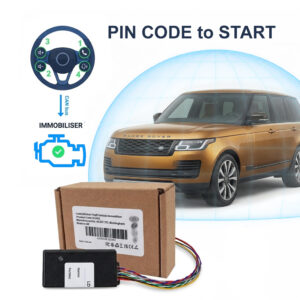
PIN CODE Car Immobiliser LockCar CAN-IMMO – Free Fitting
£299.00 £350.00
PIN CODE to START – NO PIN. NO START – LOCKCAR CAN-IMMO Immobiliser – Smart Advanced CAN Bus Vehicle Immobiliser – entering the PIN CODE each startup
App + Tag Immobiliser
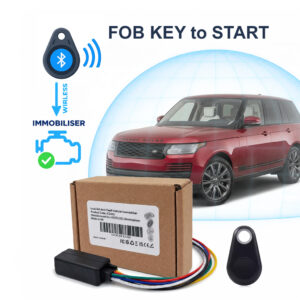
TAG FOB Car Immobiliser LockCar IC3262 TAG Immobiliser
£249.00 £299.00
TAG FOB KEY to START – NO FOB. NO START – LOCKCAR IC3262 Immobiliser – Smart Immobiliser – authorizes the car to start if it detects the fob…
Immobilisers + Dashcams for
Block the theft and record what happens around the car.
Dashcam + Immobiliser + App
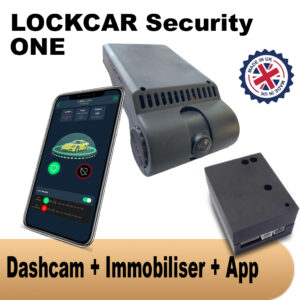
Dashcam + Immobiliser LockCar One – Free Fitting
£450.00 £550.00
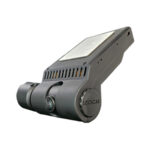
LockCar ONE is a professional dash camera with 24/7 monitoring, SD recording, and smart immobiliser integration. Built for security, durability, and total control in the UK.
Dashcam + Immobiliser + App
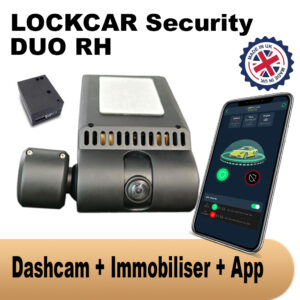
Dashcam + immobiliser Lockcar Duo Rh – Free Fitting
£550.00 £650.00
Local MCU system security. Power ON 24/7. Smart parking mode. Local car status, Immobilization, Local GPS Traking, Local Cameras Front + Driver. FREE UK INSTALLATION
4G Live Dashcams + Immobilisers for
Live view and alerts from anywhere, plus the engine block.
4G + Dashcam + Immobiliser + App
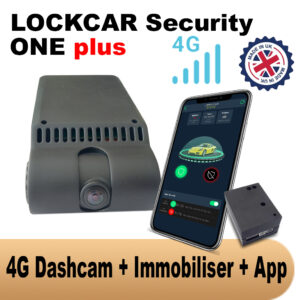
Dashcam + Immobiliser + Tracker LockCar One Plus 4G- Free Fitting
£499.00 £600.00
LockCar One Plus is 4G remote access and intelligent immobiliser. Designed for modern threats, this advanced anti-theft system allows you to monitor and control your car from anywhere,…
4G + Dashcam + Immobiliser + App
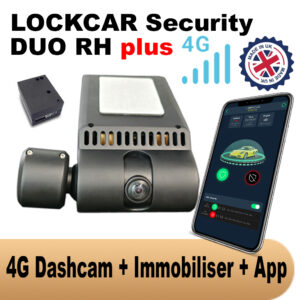
4G Daschcam + Immobiliser + Tracker Lockcar Duo Rh Plus 4G – Free Fitting
£699.00 £750.00
Remote access via 4g permanently. Power ON 24/7. Smart parking mode. Real-time car status, Immobilization, Real-time GPS Traking, Live Cameras Front + Driver. FREE UK INSTALLATION
Where should we fit it?
We come back with the theft method known for your model, what we would fit, the price with fitting, and the nearest slot to you. One message, no sales calls.
Got it – check your inbox
We have your registration and what you picked. We will come back to you shortly.
Message us on WhatsAppA CAN bus label does not automatically mean it will fit your car
CAN bus gets most of the attention when people talk about vehicle immobilisers, but it is not the only network carrying signals inside a modern car. Some ignition-related circuits run over LIN bus or a simple analogue ADC line instead, and an immobiliser that only speaks CAN can miss them entirely.
Modern cars run on more than one kind of network
CAN bus is the network most people picture when they hear about vehicle electronics, and it is genuinely the backbone for a lot of what a car’s modules say to each other. But CAN bus is not used for everything. Simpler components in a vehicle, things like certain switches, sensors and smaller control modules, often communicate over LIN bus, a lighter and cheaper network designed for exactly that kind of low-complexity signal.
Some circuits are simpler still, and are read as a straightforward analogue voltage rather than a digital bus message at all, which is what an ADC, or analogue-to-digital converter, line is for.
An immobiliser built to talk to CAN bus only is reading part of the car’s electronics, not all of it. On some vehicles that is enough to fully control engine start. On others, the exact signal needed sits on LIN bus or comes through as an analogue line, and a CAN-only device simply cannot see it.
One device, three networks
CAN bus PIN immobiliser
Reads and acts on the vehicle’s main communication network, where most modern ignition and engine management signals live.
LIN bus PIN immobiliser
Covers the lighter network used for simpler switches and modules that do not sit on the main CAN line.
ADC bus PIN immobiliser
Reads straightforward analogue signals directly, for circuits that are not digital bus messages at all.
This is a fitment question, not just a spec sheet detail
When you are comparing immobilisers, “CAN bus” on its own tells you the device can read one specific network. It does not tell you whether that is the network your particular vehicle actually uses for the signal the immobiliser needs to intercept.
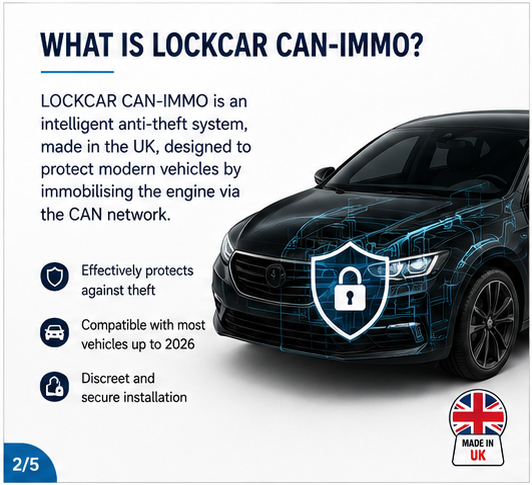
CAN-IMMO is built to support CAN bus, LIN bus and ADC bus, which is what allows it to describe itself as universal fitment rather than being limited to vehicles where the relevant circuit happens to sit on CAN. Installation is still vehicle-specific, typically around six connections depending on the car, with a fitting guide and programming number supplied for the exact vehicle it is going into.
Ask what buses an immobiliser actually supports, not just whether it mentions CAN bus. That is what determines whether it can reach the specific circuit your car needs it to.
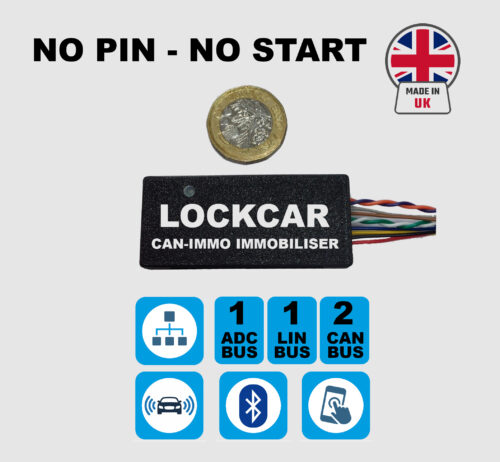
LockCar recommended for this page
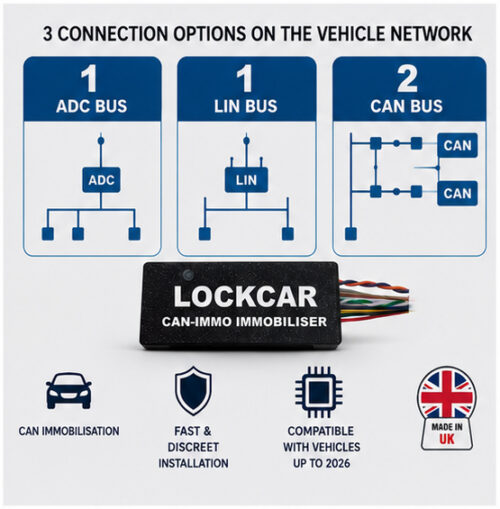
- Supports CAN bus, LIN bus and ADC bus vehicles
- Universal fitment, DC 12 to 24V
- Vehicle-specific installation guide and programming number supplied
- 12 months warranty, made in the UK
- Multiple immobiliser types
- UK made, professionally installed
- Vehicle-specific setups available
Frequently asked questions
Does CAN-IMMO work on any car?
It is designed for universal fitment across CAN bus, LIN bus and ADC bus vehicles. Installation is still vehicle-specific, and a fitting guide and programming number are supplied for your exact vehicle.
How many connections does fitting typically involve?
Typically around six connections, though this can vary depending on the vehicle.
Can I install it myself?
Installation requires soldering skills, and professional installation is recommended.
Can the device be moved to another car later?
Yes, CAN-IMMO is reprogrammable for another vehicle.
Ask what your car actually needs, not just what bus it has
Talk to LockCar about fitting CAN-IMMO to your specific make and model.