

Vehicle security from
£199
Enter car's registration plate number to find the right LockCar security option
We could not pull the details automatically. Fill these in and we will carry on — it only takes a few seconds.
- Free, no obligation
- Fitted, not posted
- 12 months hardware warranty
Showing sample data – add your MOT History API credentials in the plugin settings to return real vehicles.
MOT history
Pick the level of protection
Every option is fitted by an approved installer. Choose one to see the exact devices.
Immobilisers only for
Hidden engine block. Nothing to see, nothing to record.
CAN BUS Immobiliser
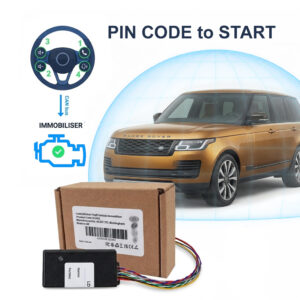
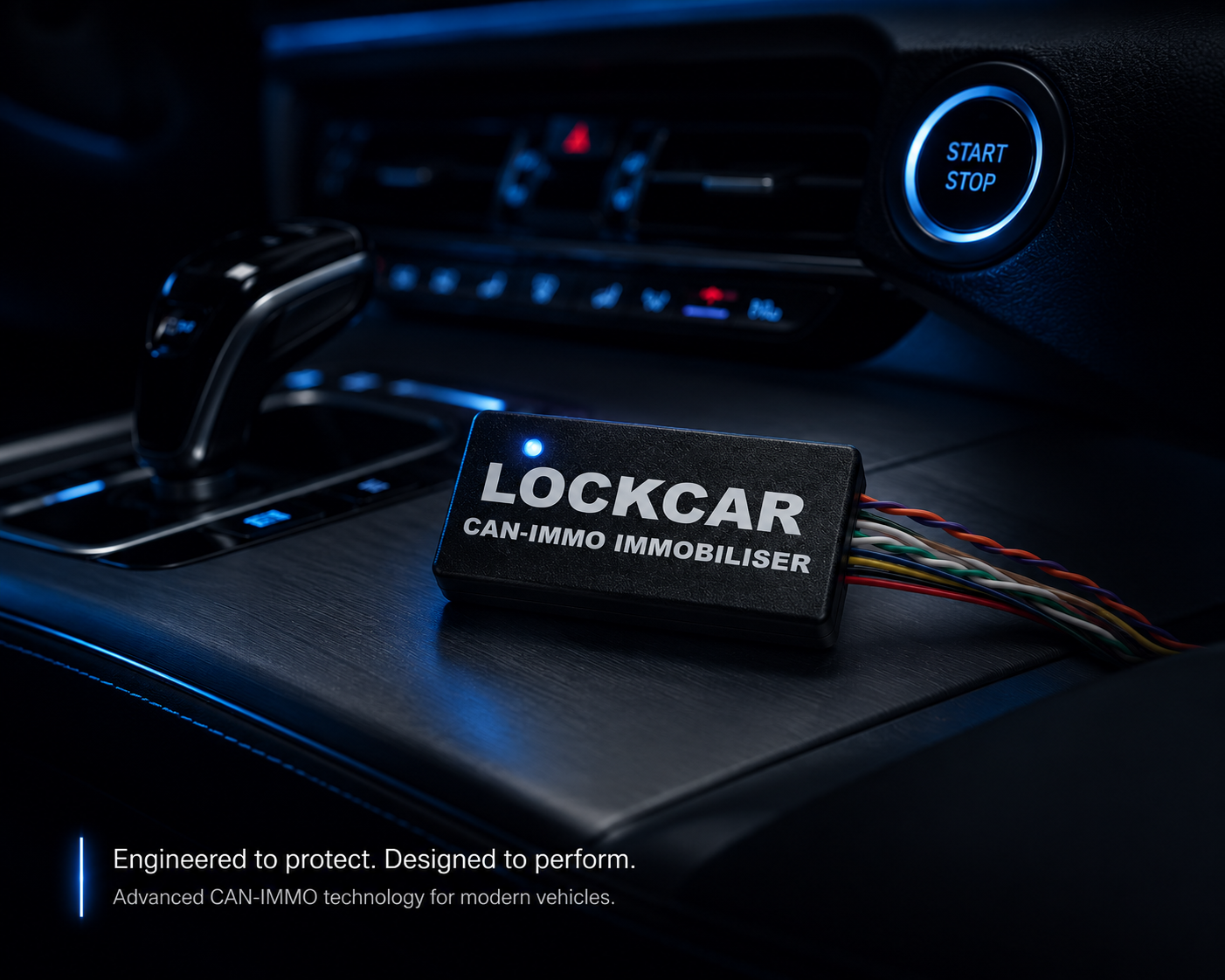
PIN CODE Car Immobiliser LockCar CAN-IMMO – Free Fitting
£299.00 £350.00
PIN CODE to START – NO PIN. NO START – LOCKCAR CAN-IMMO Immobiliser – Smart Advanced CAN Bus Vehicle Immobiliser – entering the PIN CODE each startup
App + Tag Immobiliser
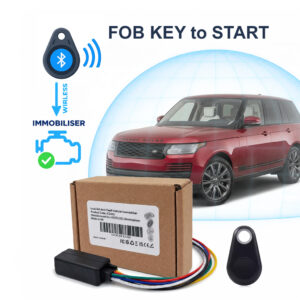
TAG FOB Car Immobiliser LockCar IC3262 TAG Immobiliser
£199.00 £250.00
TAG FOB KEY to START – NO FOB. NO START – LOCKCAR IC3262 Immobiliser – Smart Immobiliser – authorizes the car to start if it detects the fob…
Immobilisers + Dashcams for
Block the theft and record what happens around the car.
Dashcam + Immobiliser + App
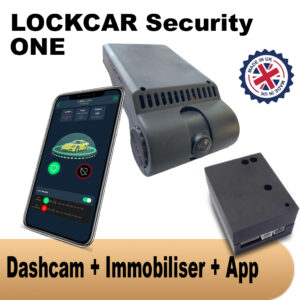
Dashcam + Immobiliser LockCar One – Free Fitting
£450.00 £550.00
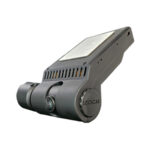
LockCar ONE is a professional dash camera with 24/7 monitoring, SD recording, and smart immobiliser integration. Built for security, durability, and total control in the UK.
Dashcam + Immobiliser + App
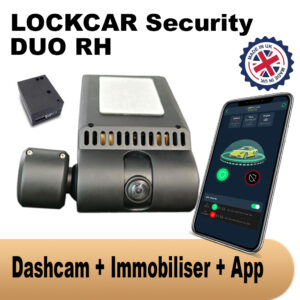
Dashcam + immobiliser Lockcar Duo Rh – Free Fitting
£550.00 £650.00
Local MCU system security. Power ON 24/7. Smart parking mode. Local car status, Immobilization, Local GPS Traking, Local Cameras Front + Driver. FREE UK INSTALLATION
4G Live Dashcams + Immobilisers for
Live view and alerts from anywhere, plus the engine block.
4G + Dashcam + Immobiliser + App
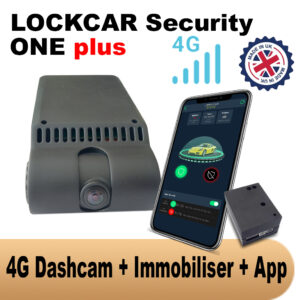
Dashcam + Immobiliser + Tracker LockCar One Plus 4G- Free Fitting
£499.00 £600.00
LockCar One Plus is 4G remote access and intelligent immobiliser. Designed for modern threats, this advanced anti-theft system allows you to monitor and control your car from anywhere,…
4G + Dashcam + Immobiliser + App
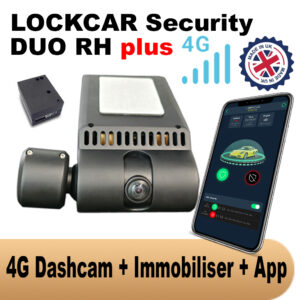
4G Daschcam + Immobiliser + Tracker Lockcar Duo Rh Plus 4G – Free Fitting
£699.00 £750.00
Remote access via 4g permanently. Power ON 24/7. Smart parking mode. Real-time car status, Immobilization, Real-time GPS Traking, Live Cameras Front + Driver. FREE UK INSTALLATION
Where should we fit it?
We come back with the theft method known for your model, what we would fit, the price with fitting, and the nearest slot to you. One message, no sales calls.
Got it – check your inbox
We have your registration and what you picked. We will come back to you shortly.
Message us on WhatsAppA PIN your car’s own key has never heard of is the whole point
CAN bus PIN immobilisers add a second layer of authentication that has nothing to do with your key fob at all. That is what makes them effective against relay attacks and key cloning, and it is worth understanding how the category works before choosing one.
One category, the same core idea
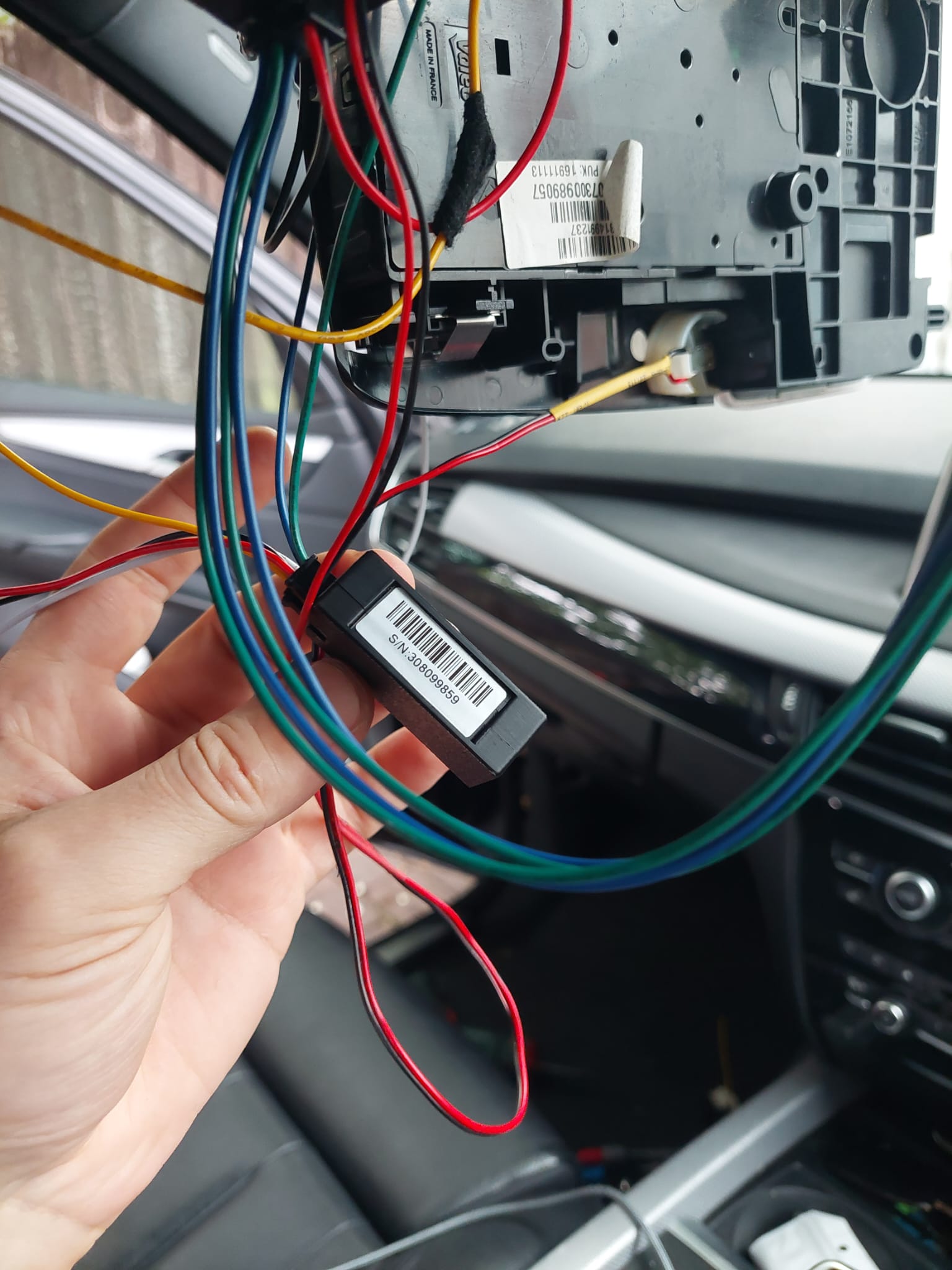
A CAN bus PIN immobiliser connects into a vehicle’s CAN bus network and blocks the engine from starting until a personal PIN or authentication step is completed. This is the category that popularised the idea of a hidden immobiliser with no visible keypad or fob, and several manufacturers now build products in this space.
What they share is the core principle: authentication that is completely separate from the vehicle’s key. Whether the code is entered through existing buttons, through a phone app, or confirmed by a Bluetooth TAG, the engine will not start without it, regardless of what key is present.
Where products in this category differ is in exactly how that second layer is delivered day to day, and how widely the underlying hardware can reach into a given vehicle’s electronics.
Relay attacks trick the key check, not the second one
A relay attack works by tricking the car into believing its own key is nearby, even when it is sitting inside the owner’s home. Key cloning copies the signal directly. In both cases, the vehicle’s factory system genuinely believes the correct key is present, because that check only ever looks at the key.
A CAN bus PIN immobiliser is not fooled by either method, because it is not checking the key at all. It is checking for a separate piece of authentication that a relay or a cloned signal simply does not carry. The engine stays blocked regardless of what the factory system believes about the key.
The reason this category works against modern theft methods is not cleverness in the key check itself, it is that the immobiliser deliberately ignores the key and checks for something else entirely.
Three things worth checking on any CAN bus immobiliser
What networks it actually reads
Some vehicle circuits sit on LIN bus or an analogue line rather than CAN bus alone, so broader support matters for fitment.
How it is disarmed daily
A button sequence, an app, or a proximity TAG each change what driving the car feels like every single day.
Who installs it
A CAN bus connection should be fitted by someone experienced with your specific vehicle to avoid electronic faults.
LockCar recommended for this page
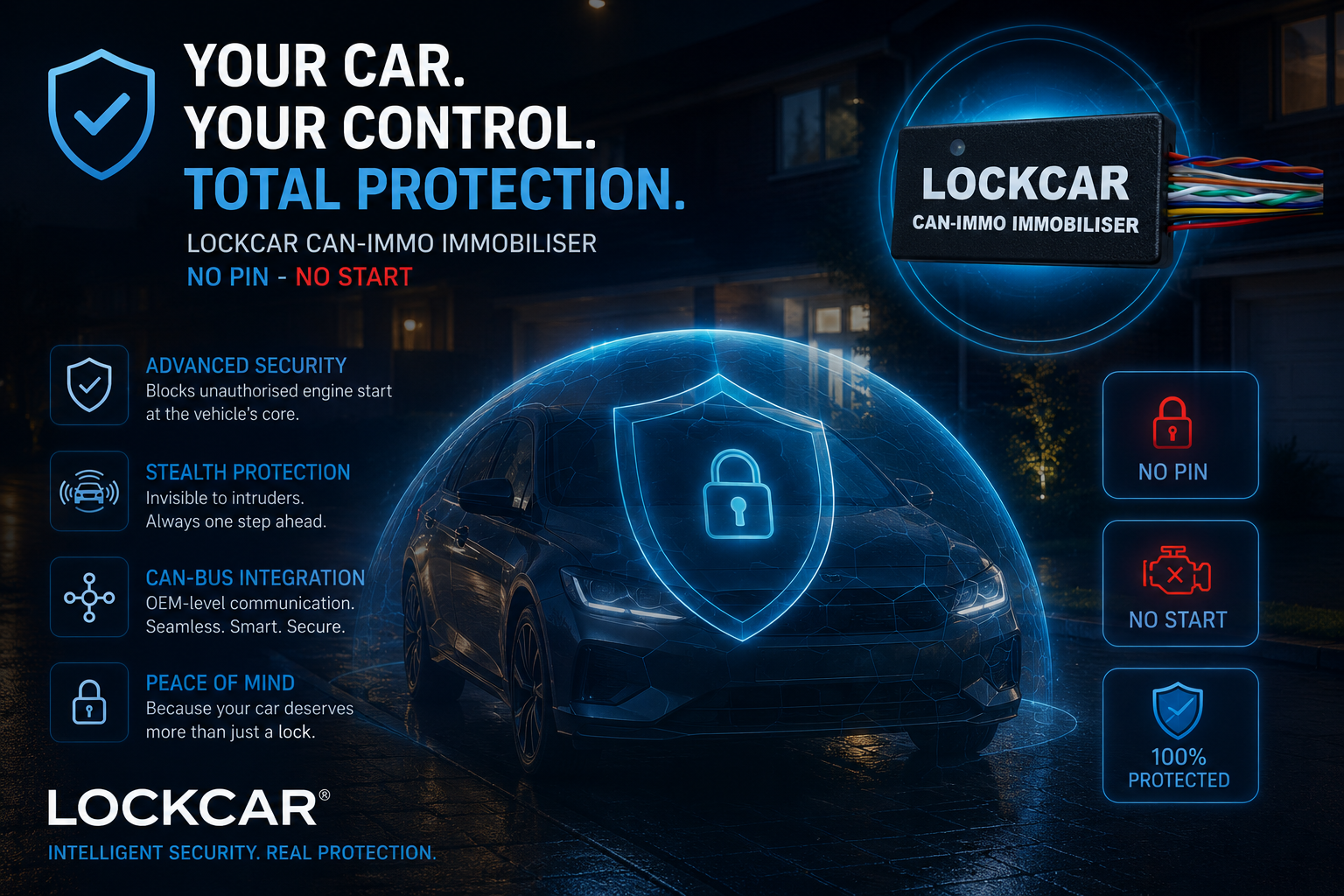
- Supports CAN bus, LIN bus and ADC bus vehicles
- Smartphone app control, optional Bluetooth TAG
- Hidden installation, no LEDs, no keypad
- 12 months warranty, made in the UK
- Multiple immobiliser types
- UK made, professionally installed
- Vehicle-specific setups available
Frequently asked questions
Are all CAN bus immobilisers the same?
They share the same core principle, but differ in which networks they support, how they are disarmed day to day, and how they are installed. It is worth comparing these details rather than assuming any two products are equivalent.
Does CAN-IMMO use a button sequence like some other CAN bus immobilisers?
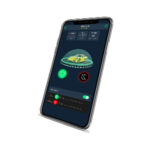
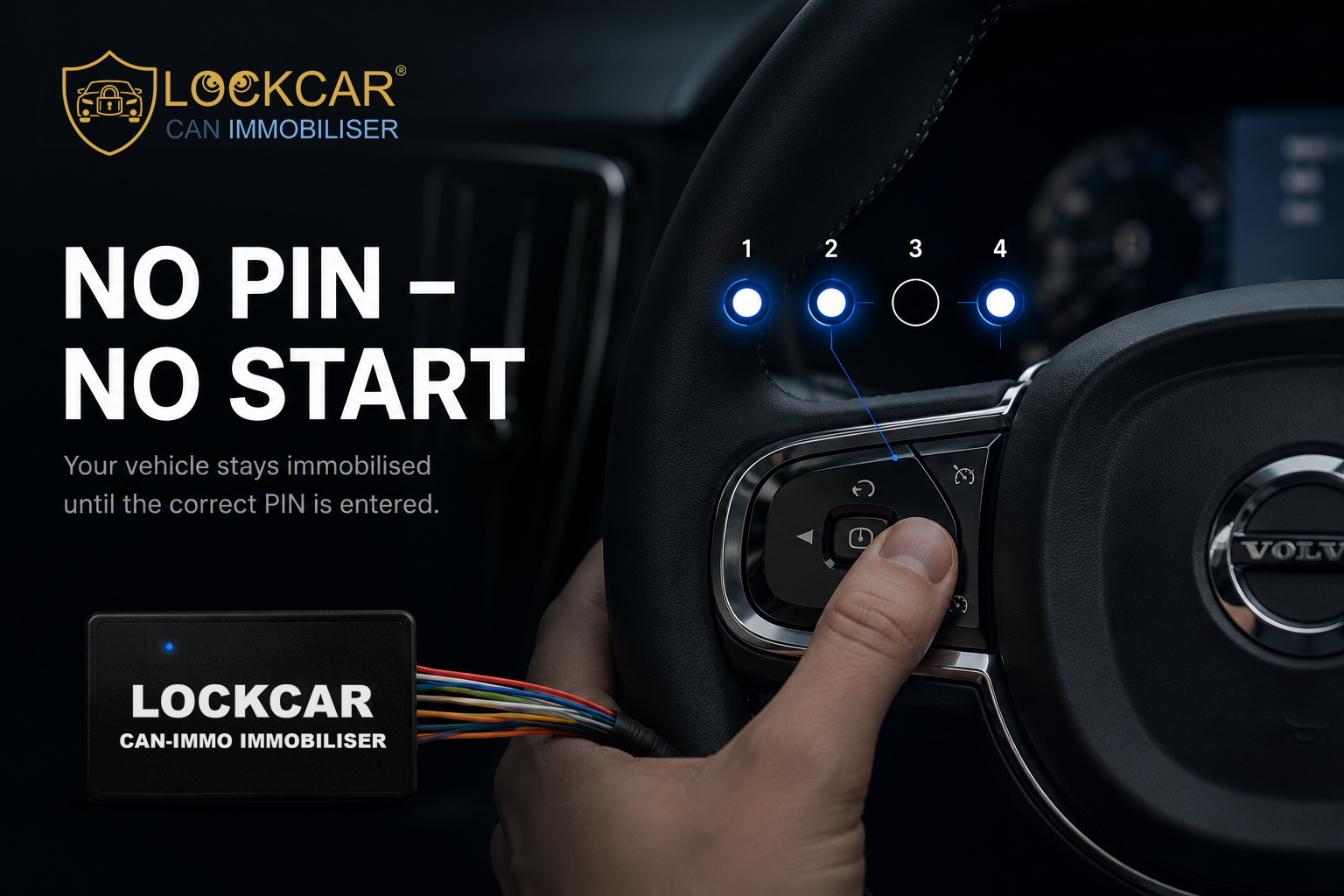
No. CAN-IMMO is controlled through a smartphone app over Bluetooth, with an optional proximity TAG for hands-free disarming, rather than a button sequence.
Can this type of immobiliser be detected with an OBD scanner?
CAN-IMMO does not emit a signal that identifies its presence, and installation is hidden with no visible components.
Will insurers recognise this type of device?
Recognition varies by insurer. Check with your own provider about how they treat aftermarket immobilisers.
A second layer your car’s key was never given
Talk to LockCar about fitting CAN-IMMO on your vehicle.