

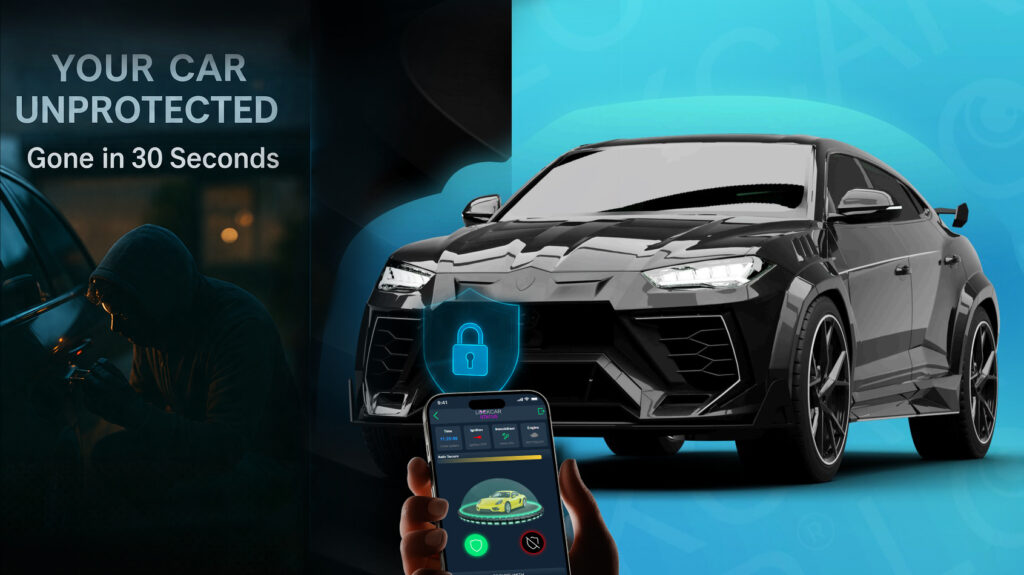
YOUR CAR
CAN BE STOLEN
in under 60 seconds with no alarm triggered
Best immobiliser for Land Rover UK 2025
Land Rover and Range Rover models are the most stolen vehicles in the UK, with 32 thefts per 1,000 registered vehicles across the West Midlands alone. A Faraday pouch is not enough. This guide explains why, and which LockCar immobiliser gives your Land Rover the strongest possible protection against relay and CAN bus attack.
On this page
- Why Land Rovers are stolen so frequently
- Which Land Rover models are most at risk?
- The problem with Land Rover’s factory immobiliser
- What actually works — and what doesn’t
- LockCar for Land Rover — the complete solution
- Recommended LockCar models for Land Rover
- Land Rover insurance and aftermarket immobilisers
- Questions & answers
- Book Land Rover installation
If you own a Land Rover, Range Rover, Defender, or Discovery in the UK, your vehicle is statistically among the most targeted by organised vehicle theft gangs. The combination of high resale value, strong parts demand, and widespread keyless entry technology makes every Land Rover model a priority target. LockCar manufactures and installs relay immobilisers specifically designed to protect high-value vehicles including the full Land Rover range — at your home, your workplace, or any location across the UK.
Why Land Rovers are stolen so frequently
Land Rover consistently tops UK vehicle theft statistics across every police force area that publishes data. West Midlands Police and Crime Commissioner data for 2024 recorded 32 Land Rover thefts per 1,000 registered vehicles in the region — a rate that, while representing a 31% decline from the prior year, remains far higher than any other mainstream vehicle brand. Despite the decline, Land Rovers accounted for a disproportionate share of total vehicle crime across Birmingham, Coventry, Wolverhampton, and the wider Black Country.
The reasons are straightforward. A standard Range Rover Sport or Discovery 5 commands £30,000 to £80,000 on the used market. In stripped parts, the same vehicle can yield similar or greater value through a chop shop network — individual components including doors, engines, gearboxes, dashboards, and alloy wheels are sold separately to body shops and private buyers, often through online marketplaces. Law enforcement has consistently found that organised theft rings operating across the UK’s major cities have ready buyers for Land Rover parts before the theft even takes place.
Beyond parts value, complete Land Rovers are also stolen for export. Containerised vehicles are shipped through UK ports to buyers in West Africa, Eastern Europe, and the Middle East, where right-hand-drive Land Rovers command significant premiums. The combination of domestic chop shop demand and export demand makes Land Rover the most consistently profitable vehicle for UK theft gangs.
Which Land Rover models are most at risk?
All keyless-entry Land Rover models are at risk, but theft statistics show clear patterns in which variants attract the most attention from organised gangs. The Range Rover and Range Rover Sport are the primary targets due to their high value and prestige. The Defender — particularly the newer L663 platform introduced in 2020 — has seen rising theft rates as the keyless entry system became standard across the range. The Discovery 5 and Discovery Sport are also regularly targeted.
Older Land Rover models without keyless entry — including pre-2010 Defenders and older Freelanders — are less vulnerable to relay attack but may be targeted via physical key cloning or mechanical methods. For all keyless models from approximately 2015 onwards, relay attack is the dominant threat. The 2020 and later Defender in particular appears frequently in police reports, as the vehicle’s premium positioning and strong community demand have made it a favourite for stolen-to-order operations.
West Midlands Police confirmed in 2025 that thieves are using ever more sophisticated methods to circumvent car security features, and that some Land Rover models are still capable of being stolen in seconds. The PCC specifically called on manufacturers to enhance anti-theft technology while urging consumers to adopt additional protective measures beyond the factory system.
The problem with Land Rover’s factory immobiliser
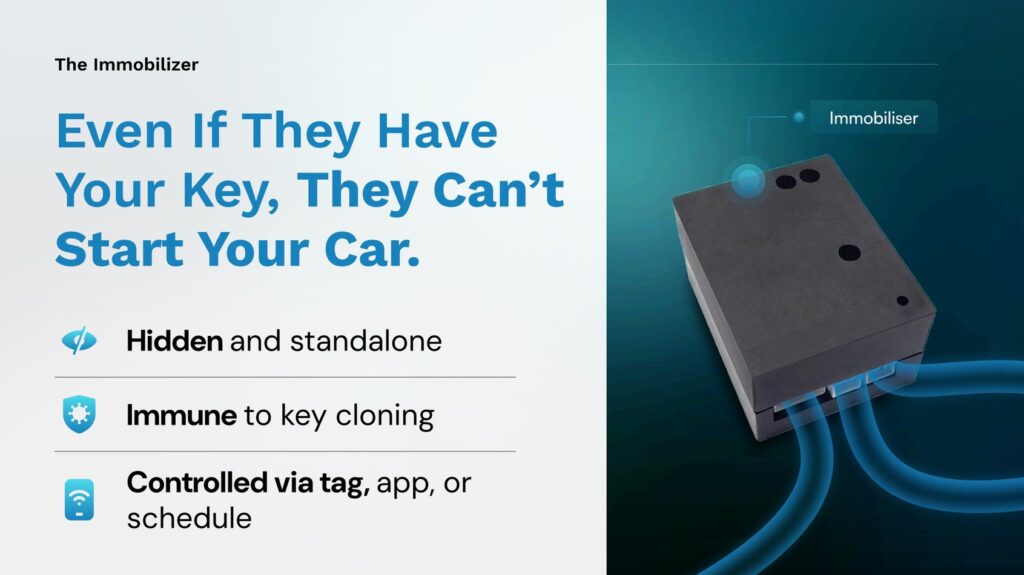
Land Rover vehicles are fitted with a factory immobiliser as standard — a system that prevents the engine from starting unless the ECU recognises the signal from a valid key fob. In isolation, this system provides adequate protection against simple key duplication or hot-wiring. But against relay attack, it provides none.
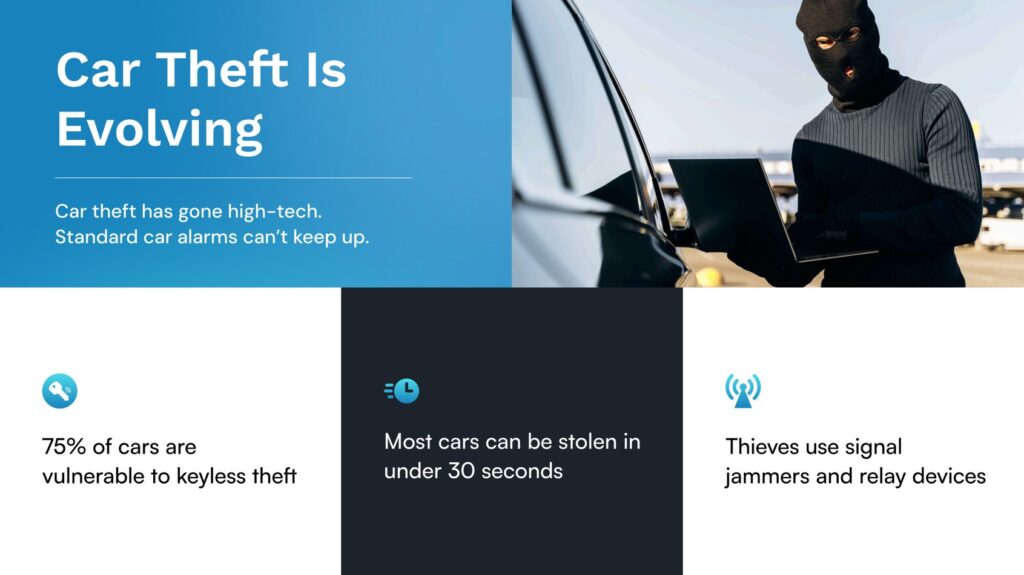
The factory immobiliser works by receiving and validating a radio signal from the key fob. When a relay attack is performed, the key fob’s signal is amplified and retransmitted to the vehicle — the ECU receives a signal that is, for all technical purposes, identical to the signal from the genuine key. The factory immobiliser is satisfied. The engine starts. The vehicle is stolen. The OEM system was designed to prevent theft from a distance; it was never designed to account for criminals who can artificially reduce that distance to zero.
Land Rover has acknowledged the vulnerability in technical service information and has made incremental improvements to newer models, but the fundamental architecture of passive keyless entry remains vulnerable. No firmware update can change the fact that the key fob broadcasts a real signal that can be amplified — the physics of radio frequency transmission are not patchable.
What actually works — and what doesn’t
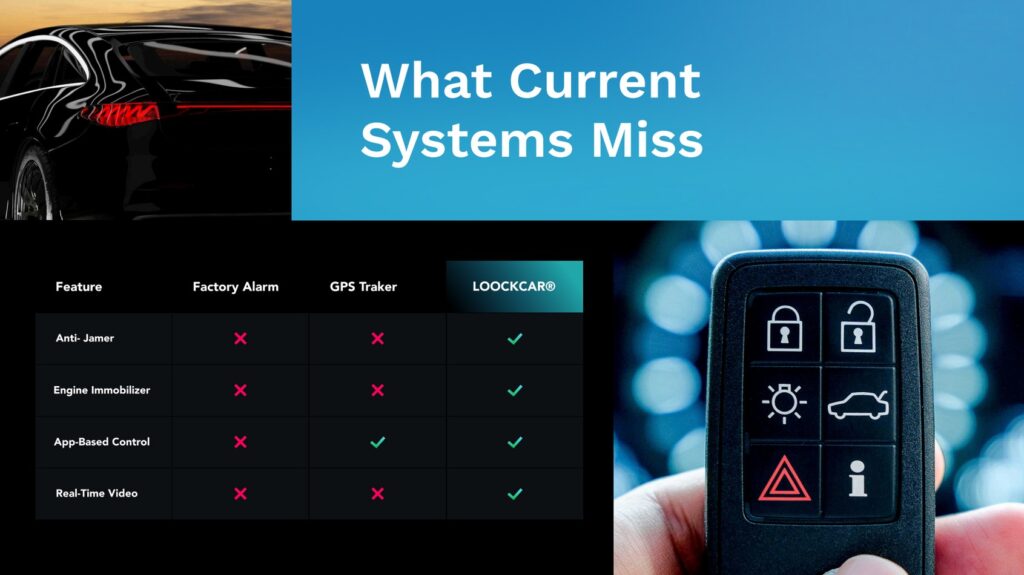
The Land Rover owner community has tested and discussed numerous security products extensively. Several approaches have limited effectiveness. Faraday pouches block the key fob signal when stored but provide no protection when the key is on your person. Steering wheel locks and handbrake clamps are visible deterrents but can be removed in minutes by determined gangs carrying specialist tools. GPS trackers help police recover stolen vehicles but do not prevent the theft.
Ghost immobilisers are a popular aftermarket option that uses the CAN bus to create a PIN sequence that must be entered before the engine will start. They have proven effective against basic relay attacks — a relay attack will unlock the car but the CAN bus ghost will prevent the engine from starting. However, advanced CAN bus injection equipment can potentially override CAN bus-based immobilisers on some platforms. The strongest protection combines a hardwired relay break — which operates entirely outside the CAN bus — with encrypted secondary authentication.
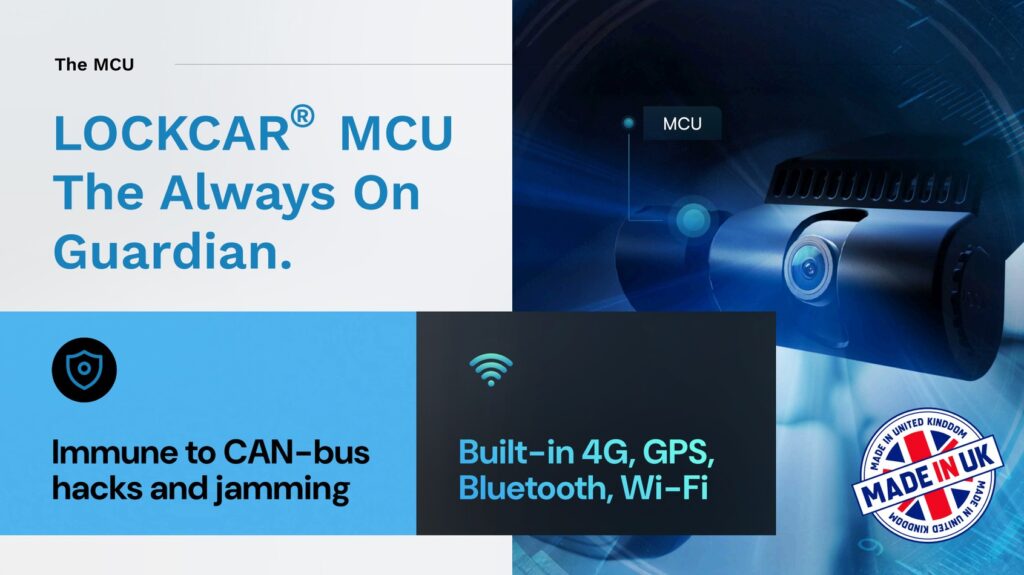
A hardwired relay break in the physical start circuit, controlled by independent encrypted authentication, defeats both relay attacks and most CAN bus attacks. This is the architecture LockCar uses. The relay break is physical — it cannot be overridden by any electronic command sent via the CAN bus, because it is not a CAN bus device.
LockCar for Land Rover — the complete solution
LockCar designs and manufactures its immobiliser range in the UK. Every product in the range is compatible with all Land Rover and Range Rover models, including the full Range Rover L460, Range Rover Sport L461, Defender L663, Discovery 5 L462, and Discovery Sport L550. Installation is performed by a mobile engineer who comes to your home or workplace — no need to leave your vehicle at a workshop.
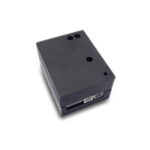
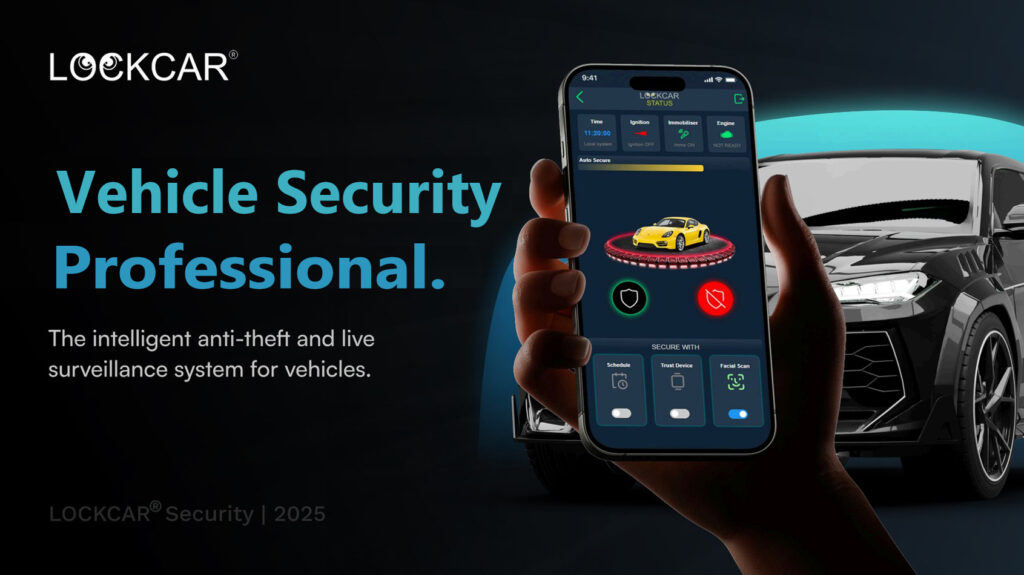
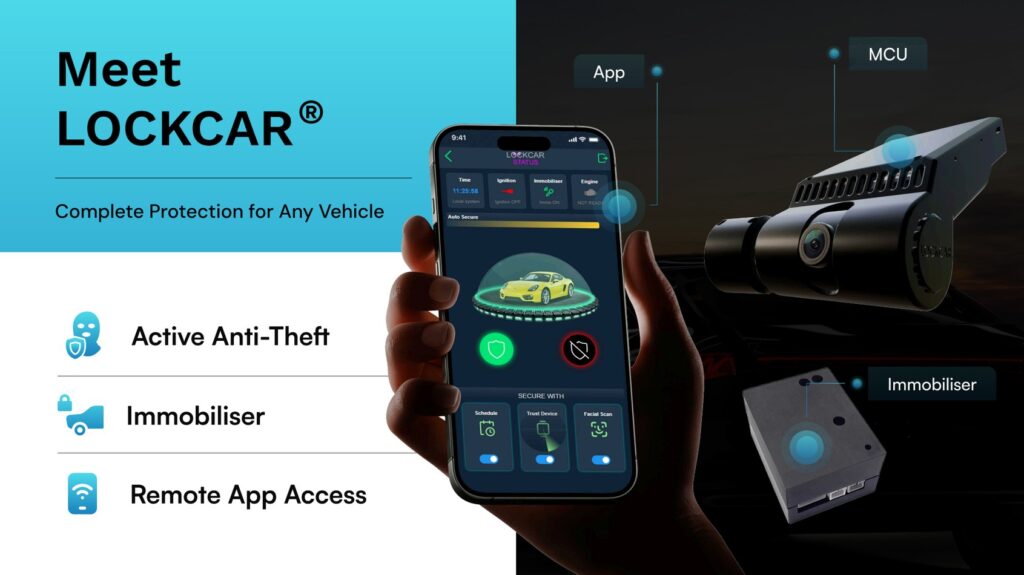
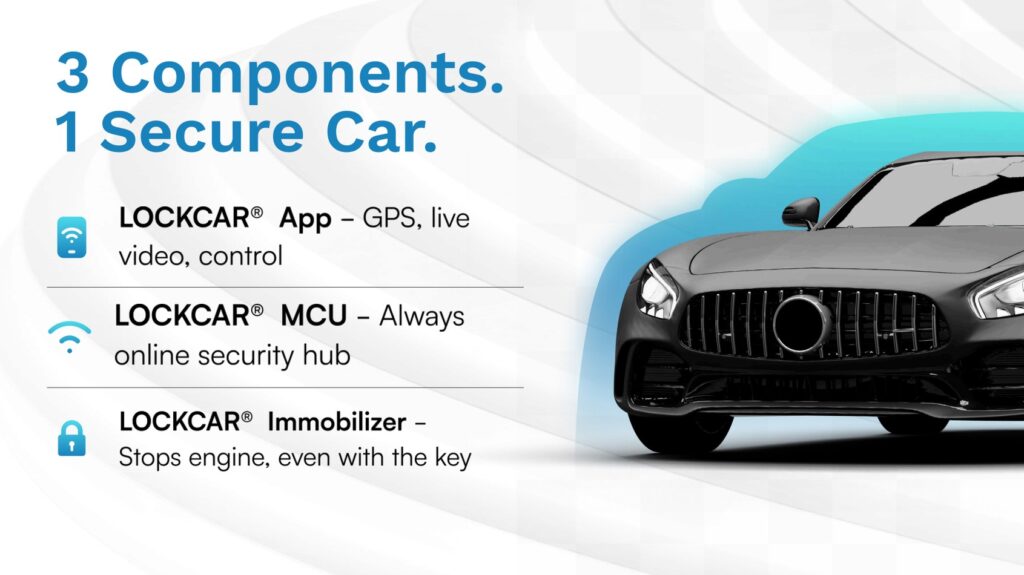
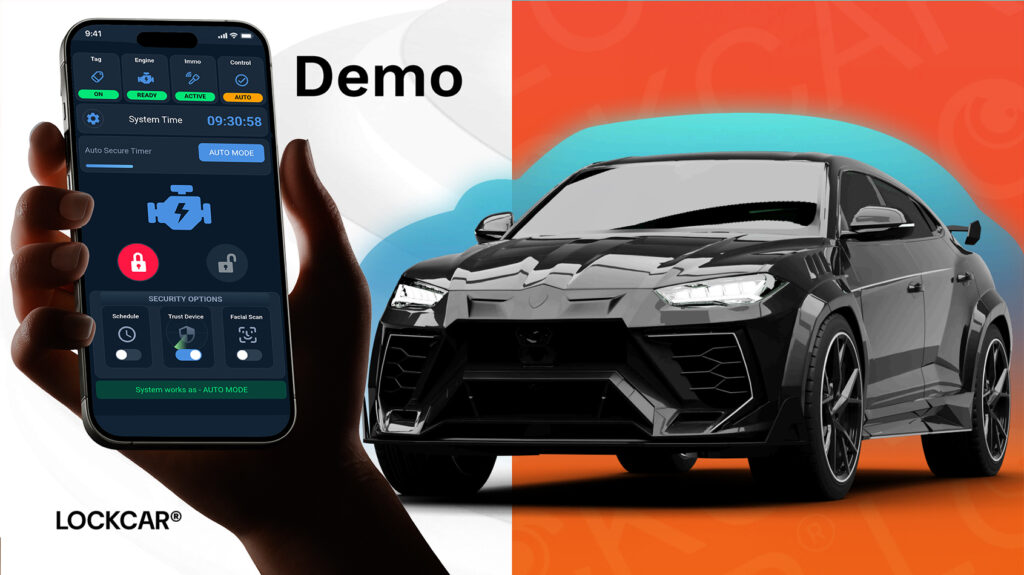
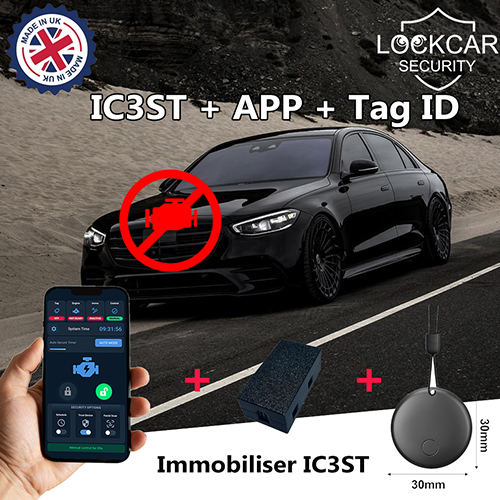
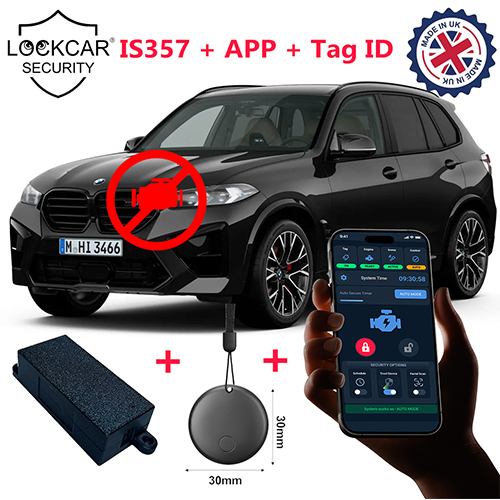
The LockCar IC3ST is our most recommended standalone option for Land Rover owners. It combines an encrypted 2.4GHz proximity tag with mobile app authentication, creating a dual-factor lock on the start circuit that has no dependency on the key fob signal or the CAN bus. When you approach your Land Rover with your IC3ST tag in your pocket, the immobiliser disarms automatically. Walk away, and it re-arms within seconds. No button presses, no PINs — just transparent, invisible protection.
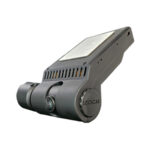
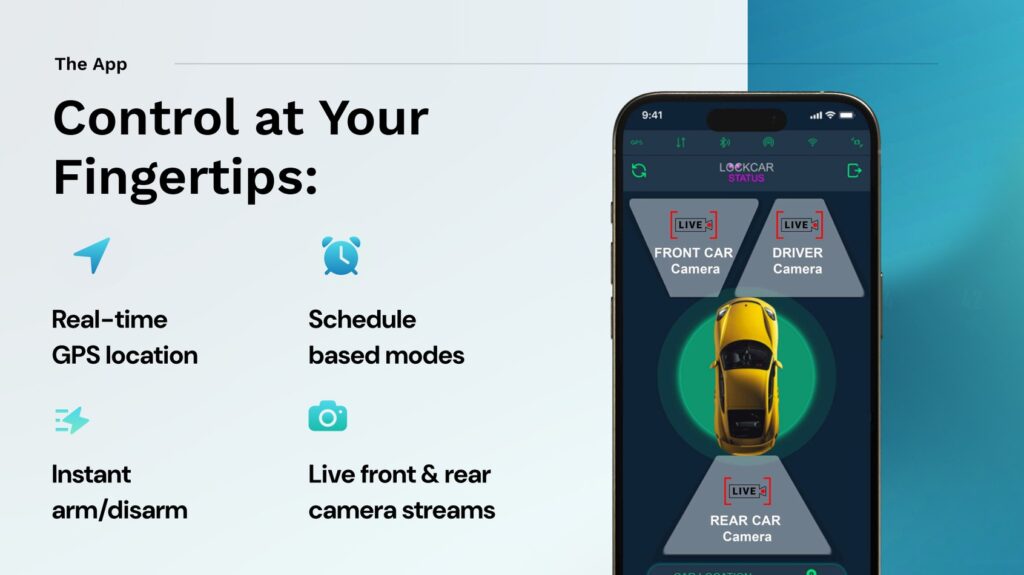
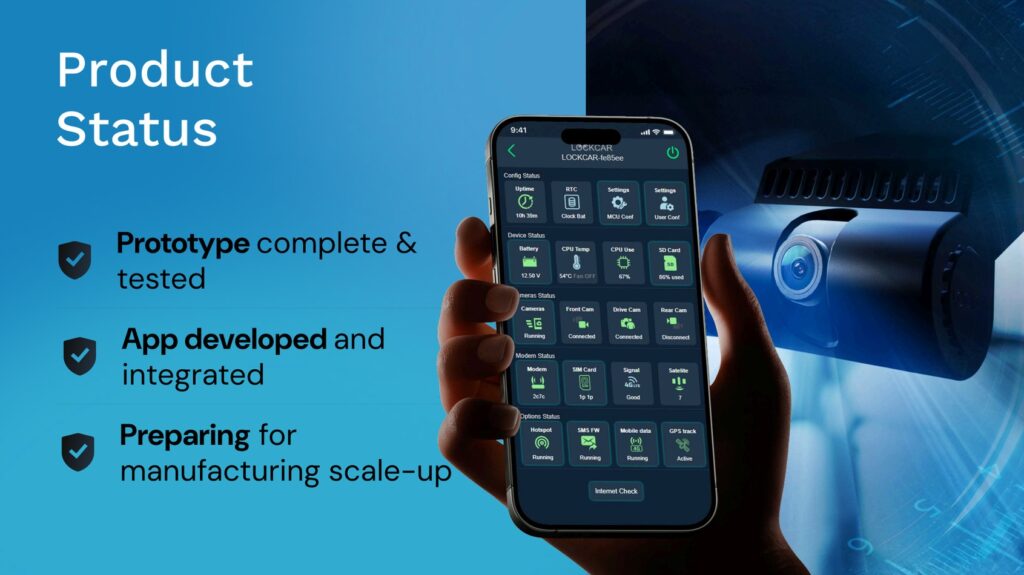
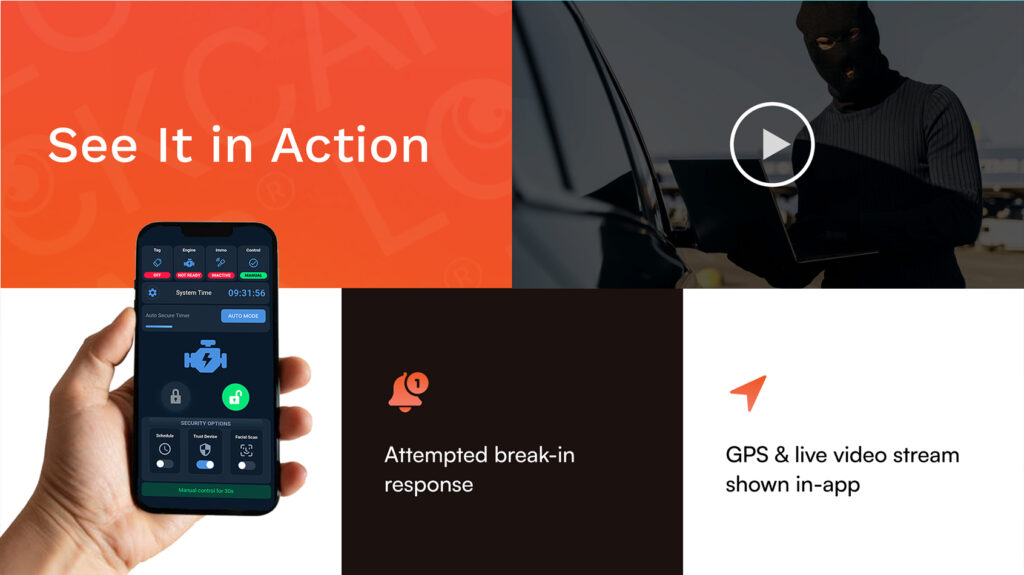
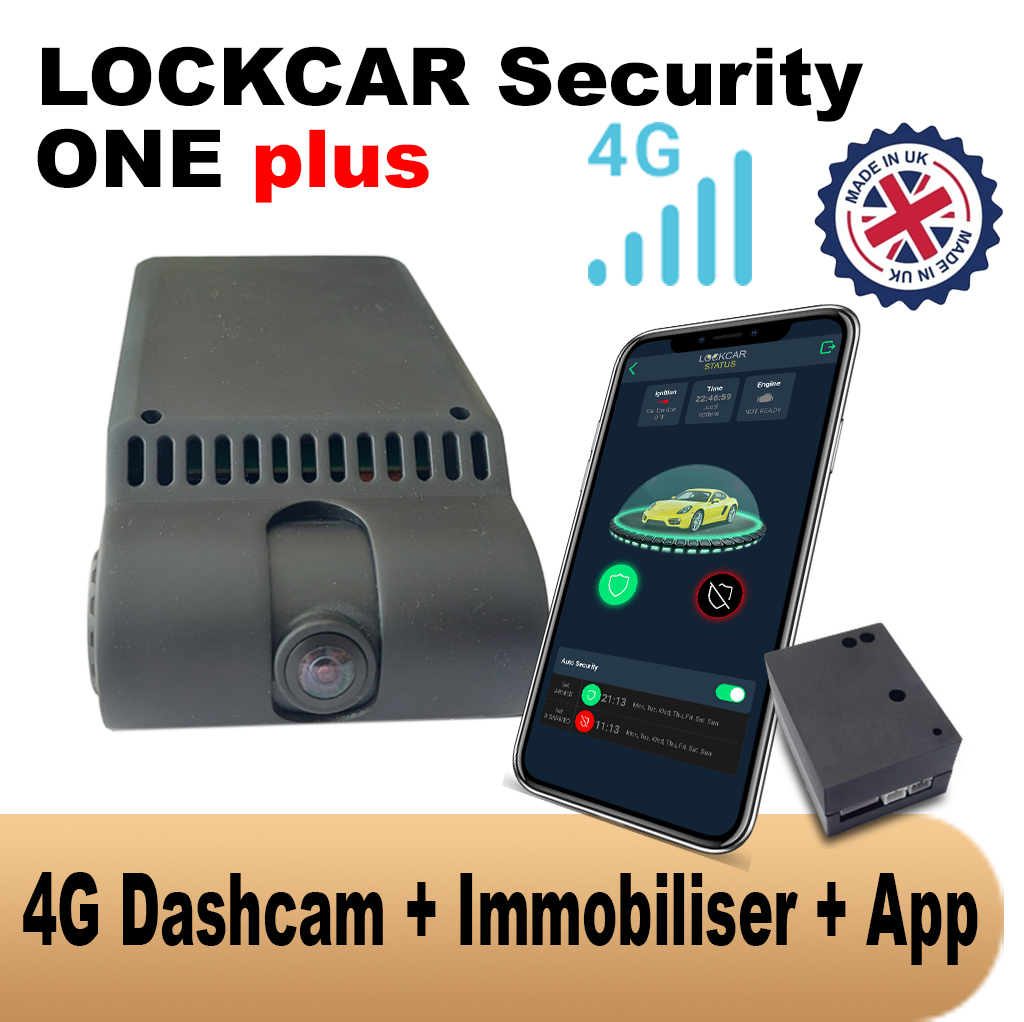
For Land Rover owners who also want 4G tracking, live camera, and remote immobilisation, the LockCar One Plus is the premium choice. It provides everything the IC3ST offers, plus a 4G GPS module, a live camera feed accessible from the LockCar mobile app, and the ability to remotely immobilise your Land Rover from anywhere in the UK if you believe it is in the process of being stolen.
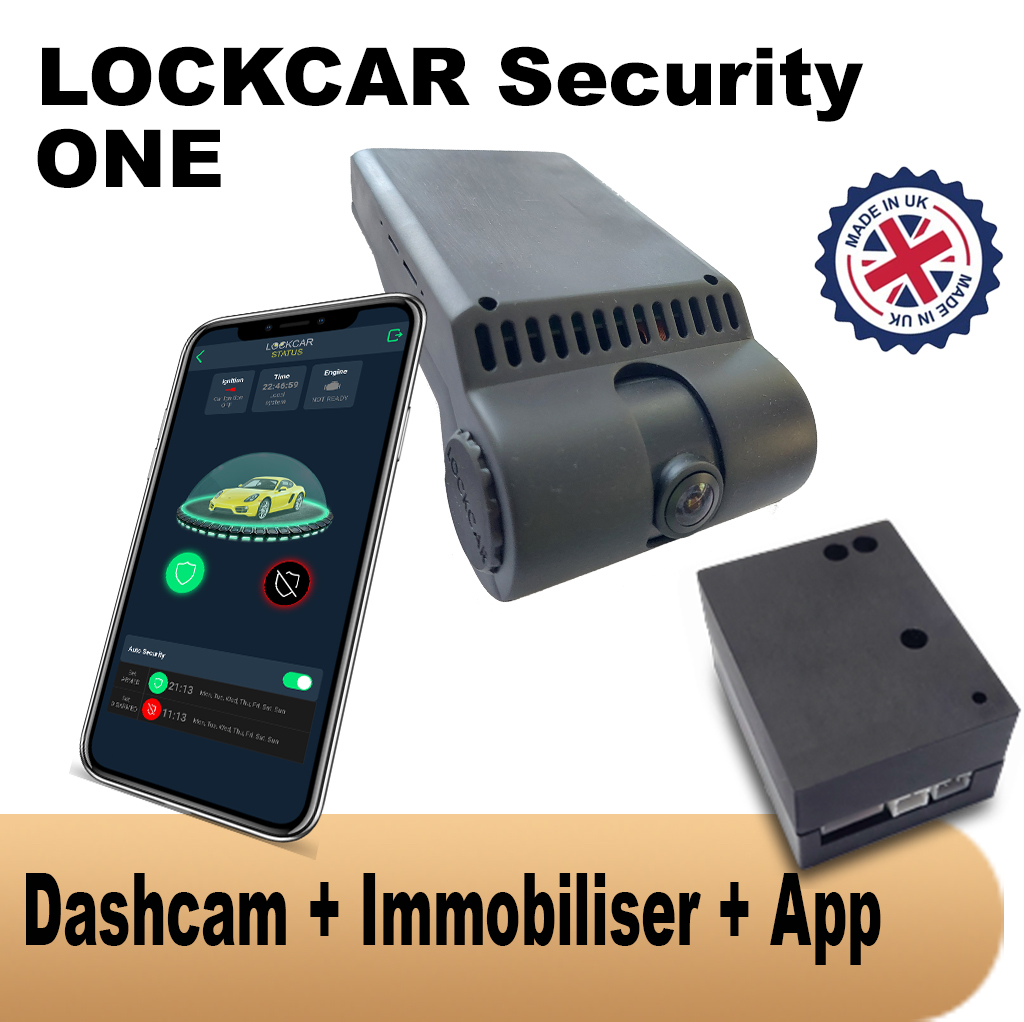
Recommended LockCar models for Land Rover
Land Rover insurance and aftermarket immobilisers
Many UK insurers have updated their policies to reflect the elevated theft risk on Land Rover and Range Rover models. Some insurers now require evidence of aftermarket immobiliser installation as a condition of cover on high-value Land Rover models. Others offer meaningful premium reductions — in some cases 10–25% — for policyholders who can demonstrate that a Thatcham-assessed or independently certified immobiliser has been fitted.
LockCar can provide full installation documentation including wiring records, device serial numbers, and engineer certification on request. If your insurer requests evidence of immobiliser installation, contact us directly and we will provide the documentation required to support your policy application or renewal.
Will a LockCar immobiliser affect my Land Rover’s factory warranty?
LockCar engineers use reversible, non-destructive installation methods. Under UK consumer rights legislation, aftermarket modifications do not void manufacturer warranties for unrelated components. Our installation does not touch or modify any Land Rover ECU, software, or factory wiring beyond the start circuit connection point.
My Range Rover already has a Ghost immobiliser — do I need LockCar as well?
A Ghost immobiliser operates via the CAN bus and provides strong protection against basic relay attacks. However, advanced CAN bus injection attacks can potentially bypass CAN bus-based immobilisers. LockCar’s hardwired relay break operates entirely outside the CAN bus and provides a physical lock that CAN bus commands cannot override. The two systems complement each other well.
Does the LockCar proximity tag need charging or battery replacement?
The proximity tag uses a standard CR2032 coin cell battery with a typical lifespan of 12 to 18 months depending on use. Replacement batteries are widely available. The LockCar app will alert you when tag battery levels are low.
How quickly can my Land Rover be fitted with a LockCar immobiliser?
Our mobile engineers cover the whole of the UK. In most areas, same-day or next-day installation is available. Installation typically takes 60 to 90 minutes at your home, workplace, or any convenient location. WhatsApp us to confirm availability in your area.
Book Land Rover installation today
Range Rover · Defender · Discovery · Sport · All models · Mobile fitting
WhatsApp to book → Call VictorUK-wide