

How to choose the right vehicle immobiliser a complete UK buyer’s guide for 2025
The UK aftermarket immobiliser market contains products that operate on completely different principles with significantly different protection levels. This guide explains the key types, what questions to ask before buying, and how to match the right product to your vehicle’s specific risk profile.
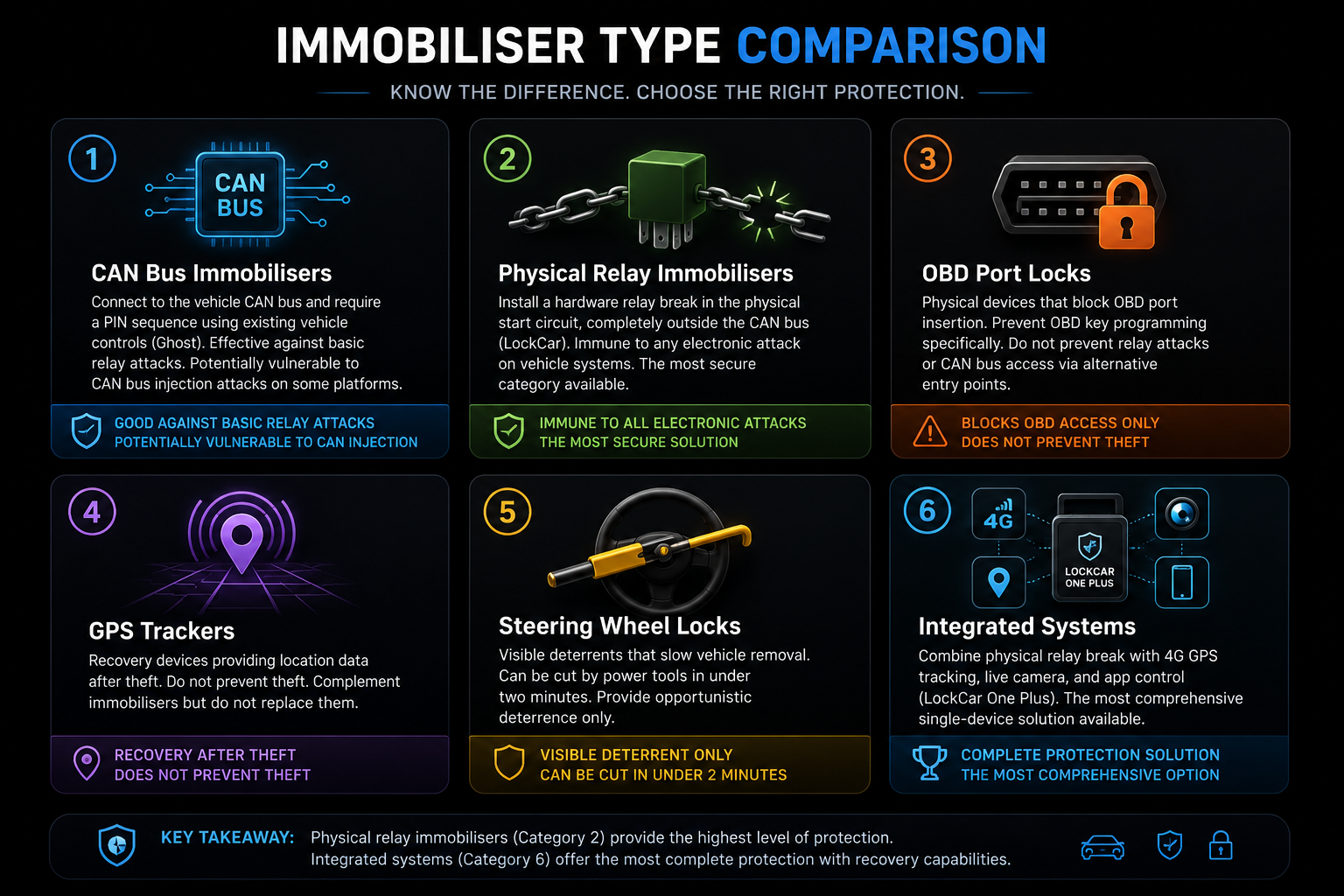
The UK aftermarket immobiliser market six categories explained
The UK aftermarket immobiliser market contains products that operate on fundamentally different principles. Understanding these differences is essential for making an informed purchase decision that actually addresses the specific threats your vehicle faces.
CAN Bus Immobilisers
Connect to the vehicle CAN bus and require a PIN sequence using existing vehicle controls. Effective against basic relay attacks. Potentially vulnerable to CAN bus injection attacks on some platforms.
Physical Relay Immobilisers
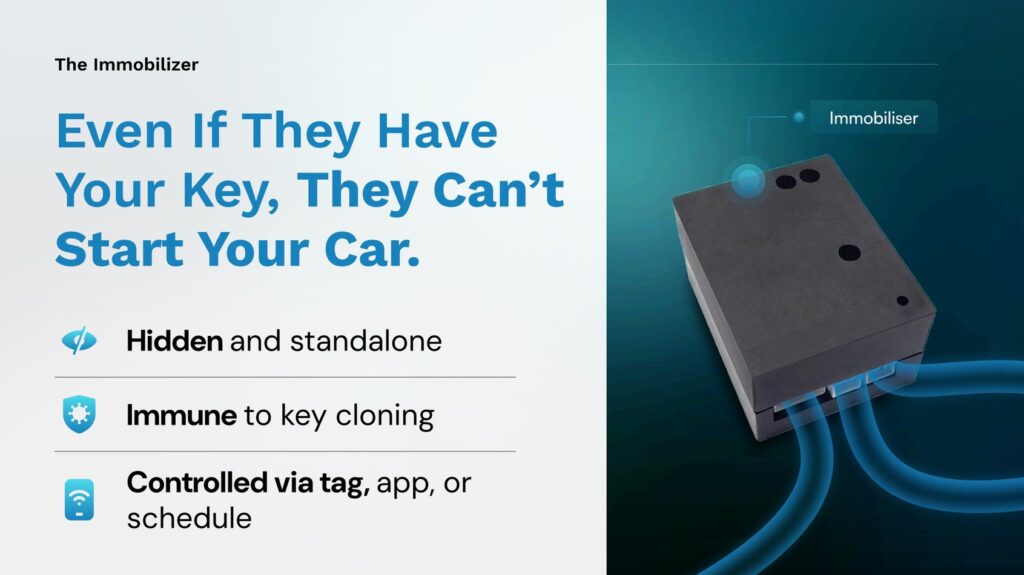
Install a hardware relay break in the physical start circuit, completely outside the CAN bus (LockCar). Immune to any electronic attack on vehicle systems. The most secure category available.
OBD Port Locks
Physical devices that block OBD port insertion. Prevent OBD key programming specifically. Do not prevent relay attacks or CAN bus access via alternative entry points.
GPS Trackers
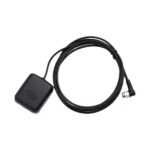
Recovery devices providing location data after theft. Do not prevent theft. Complement immobilisers but do not replace them.
Steering Wheel Locks
Visible deterrents that slow vehicle removal. Can be cut by power tools in under two minutes. Provide opportunistic deterrence only.
Integrated Systems
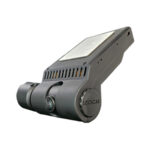
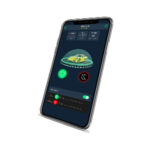
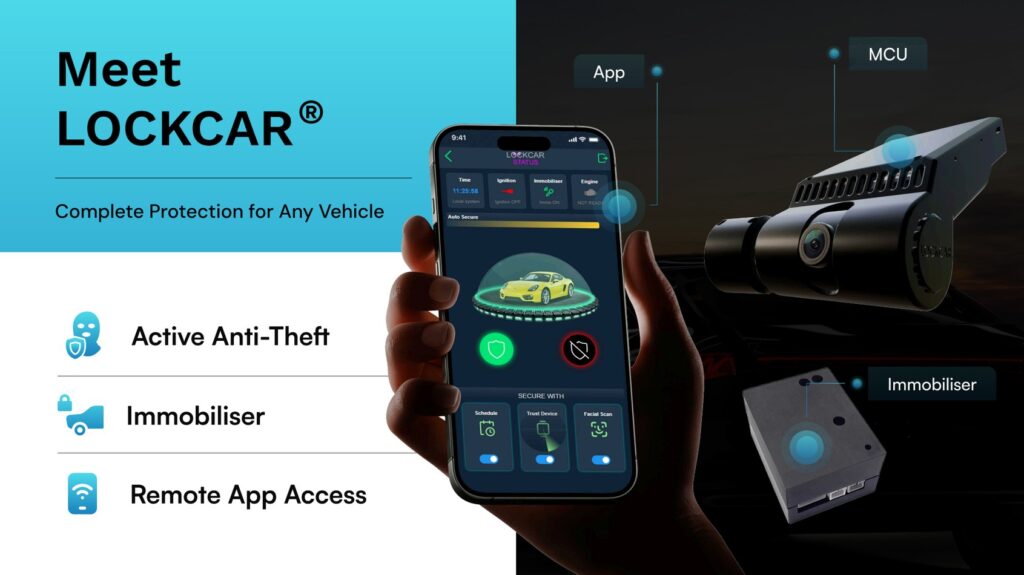
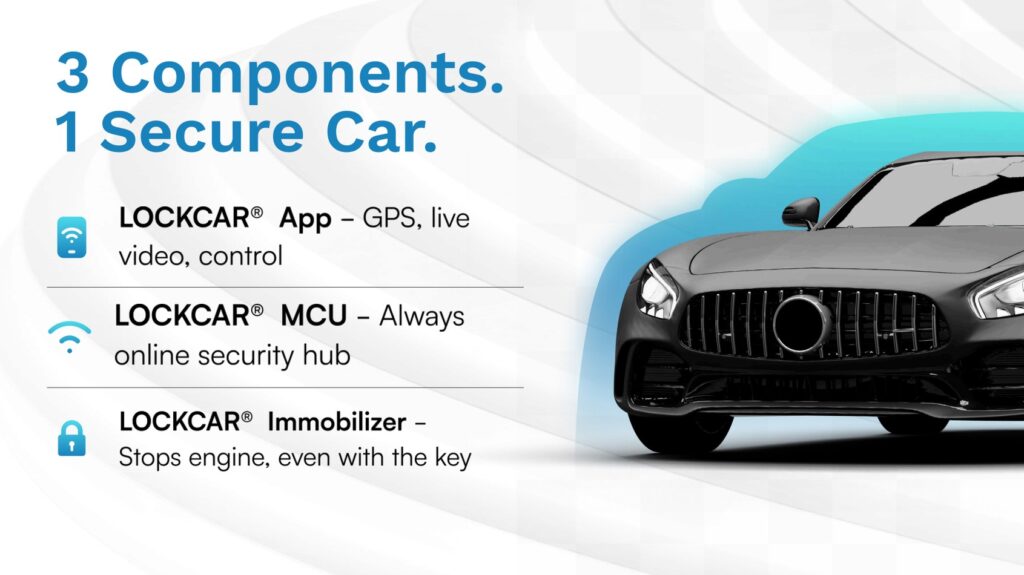
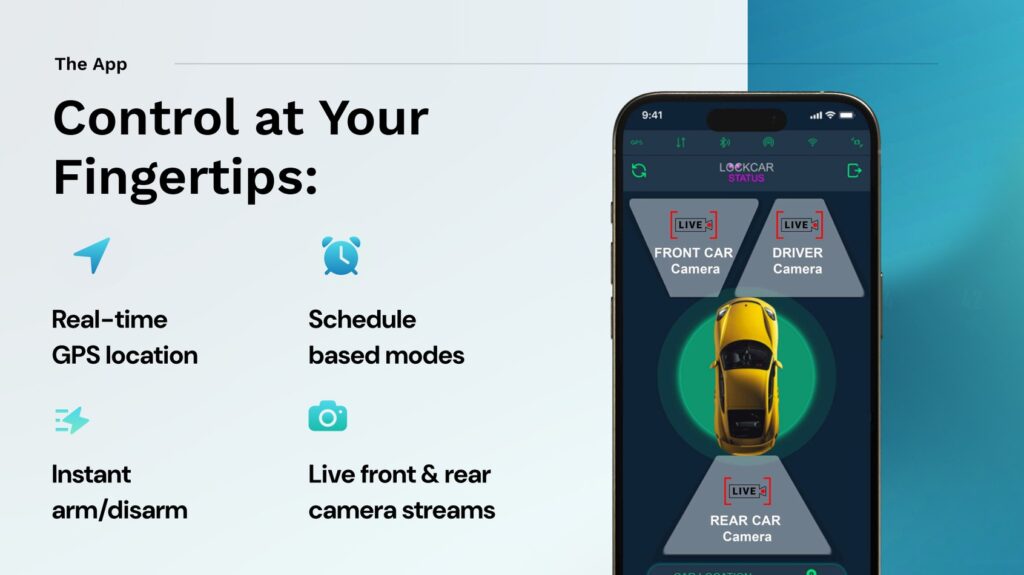
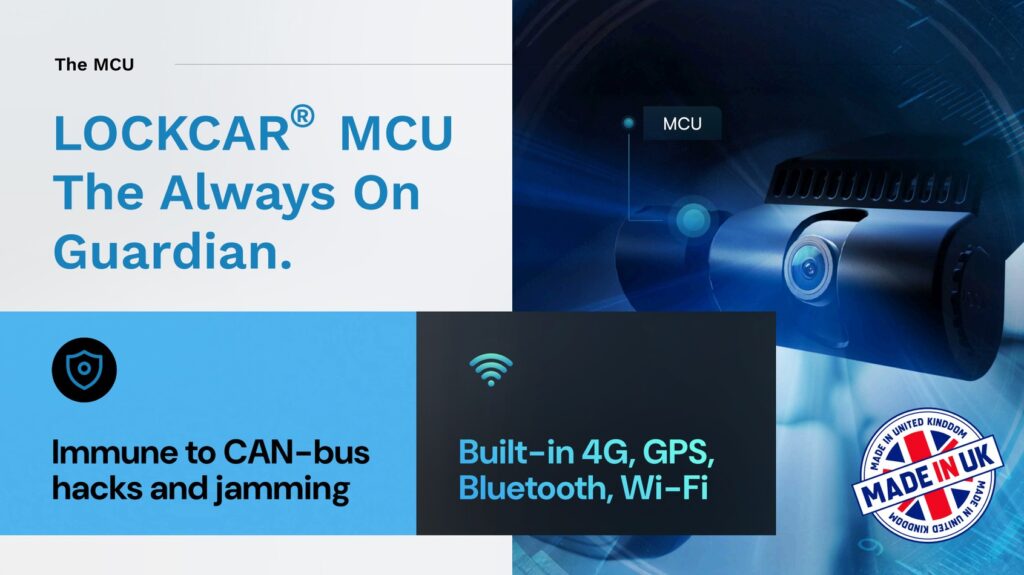
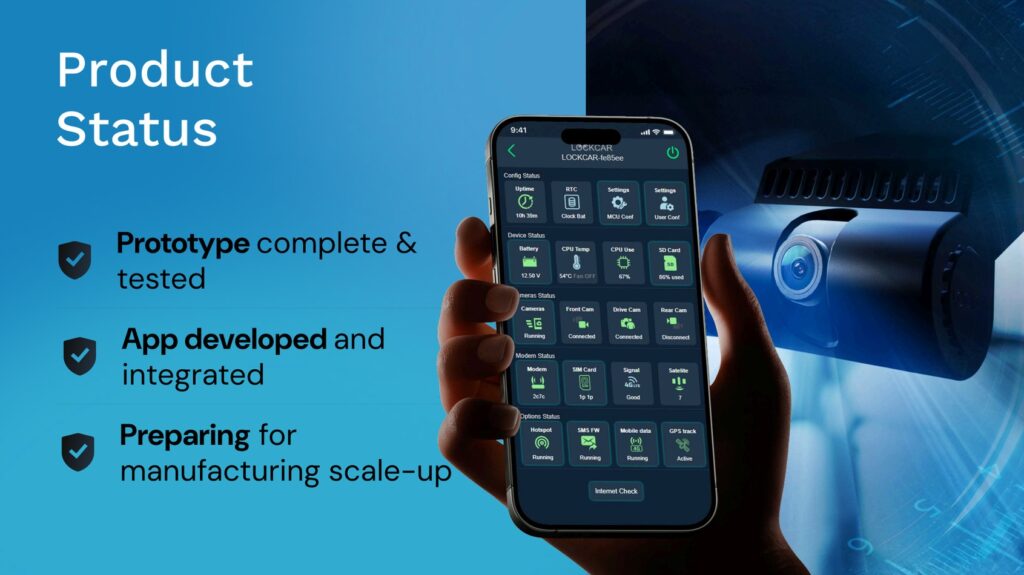
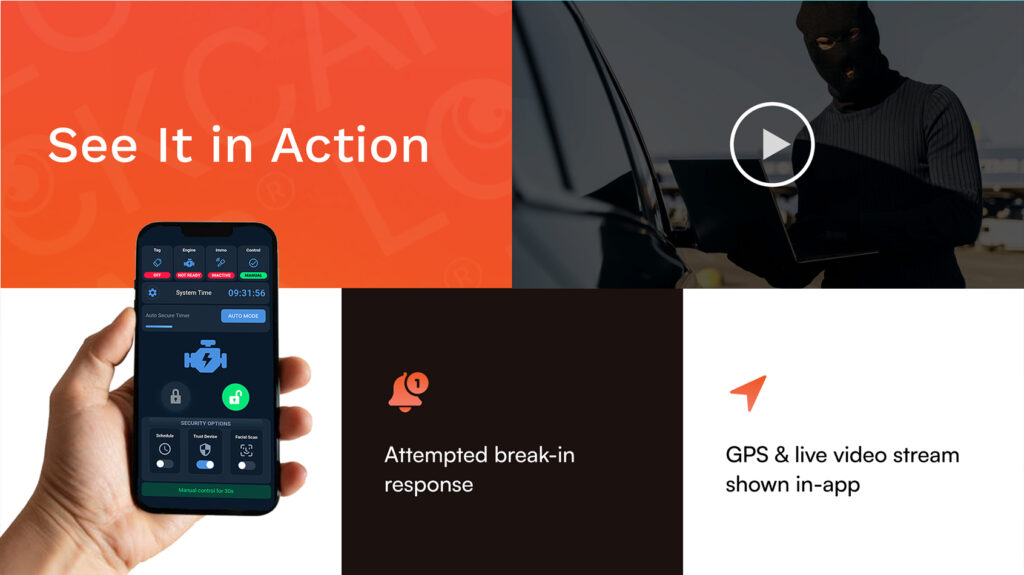
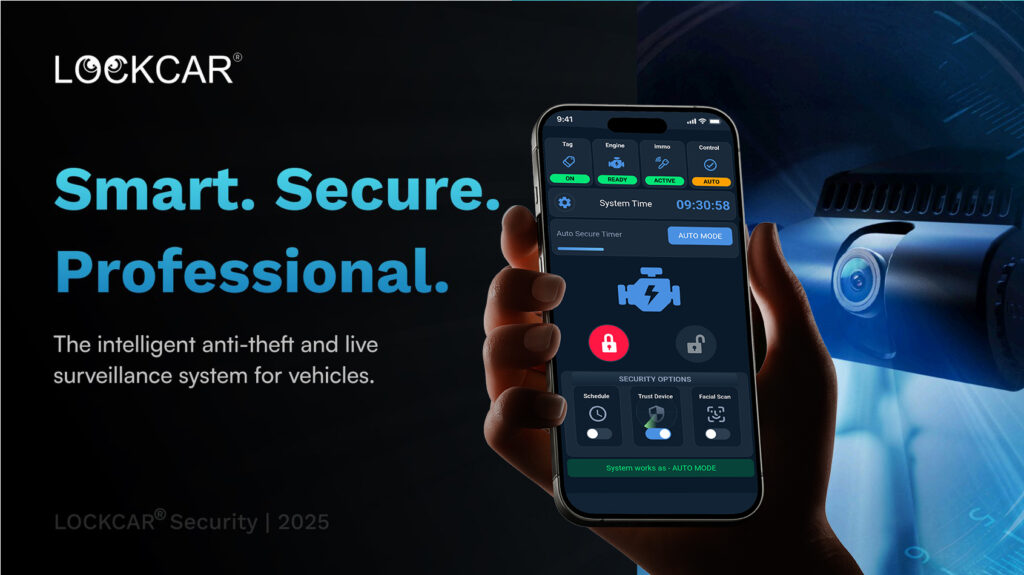
Combine physical relay break with 4G GPS tracking, live camera, and app control (LockCar One Plus). The most comprehensive single-device solution available.
Questions to ask before buying an aftermarket immobiliser
The vehicle model and its specific theft risk profile is the most important starting point. Land Rover, BMW, and Toyota models in high-risk postcodes require a more comprehensive solution than a low-risk vehicle in a rural area. Reviewing your postcode’s theft rate and your specific model’s appearance in theft statistics helps calibrate the required level of protection.
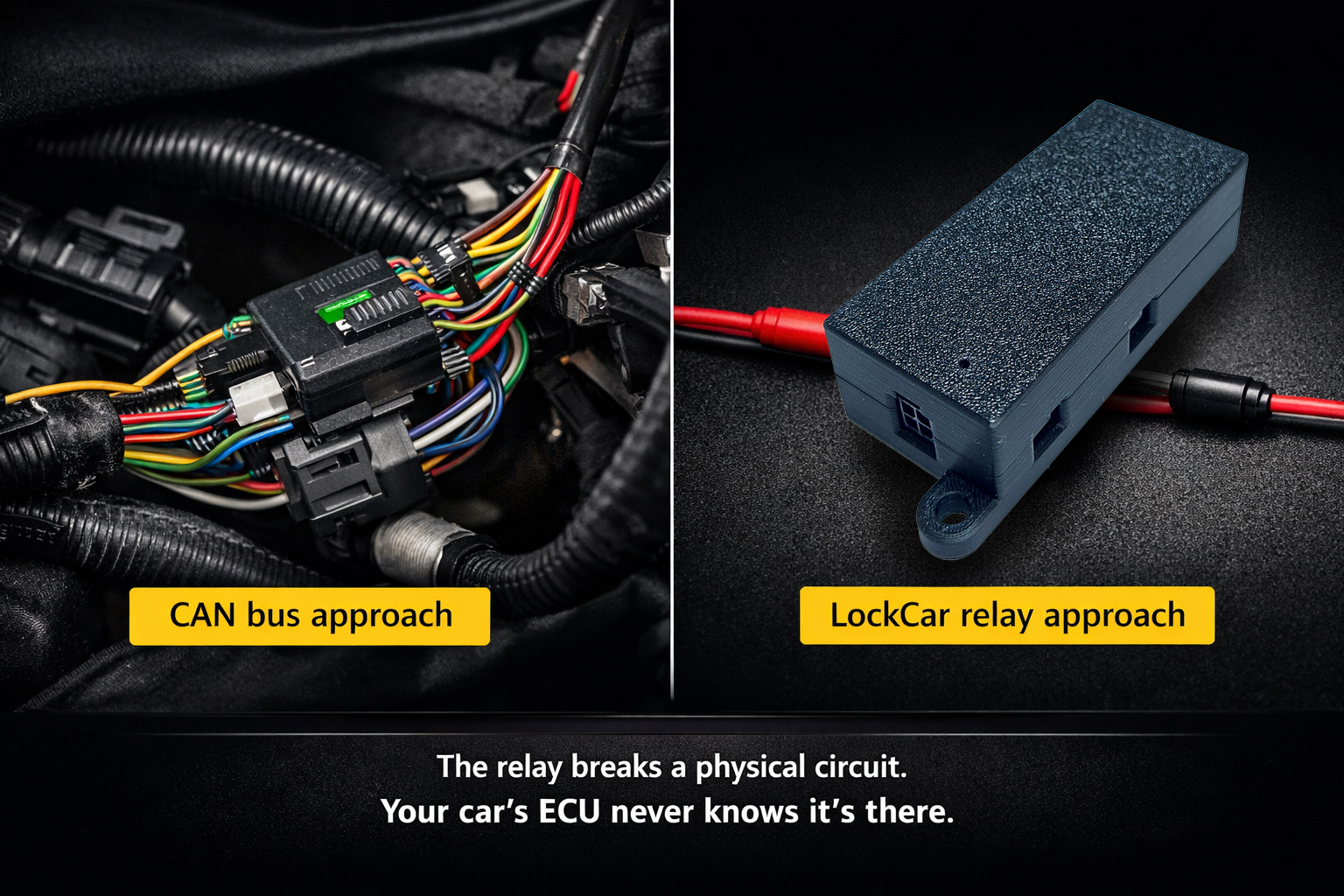
The attack methods most relevant to your vehicle should determine which type of immobiliser you prioritise. Relay attack is the most common method for keyless vehicles. CAN bus injection is a growing secondary method on specific high-value platforms. OBD key programming targets vehicles where criminals can gain interior access. A physical relay break outside the CAN bus addresses all three categories simultaneously.
Installation quality matters significantly. A poorly installed immobiliser can introduce vehicle reliability issues or false triggering. Professional mobile installation by trained engineers who follow vehicle-specific procedures is the appropriate standard for any immobiliser intended to protect a high-value vehicle.
Insurance documentation is a practical requirement for most aftermarket immobiliser installations. An immobiliser certificate providing device serial number, installation date, vehicle registration, and technical specification of the relay break mechanism is accepted by the majority of UK insurers.
Every LockCar model and which is right for your vehicle
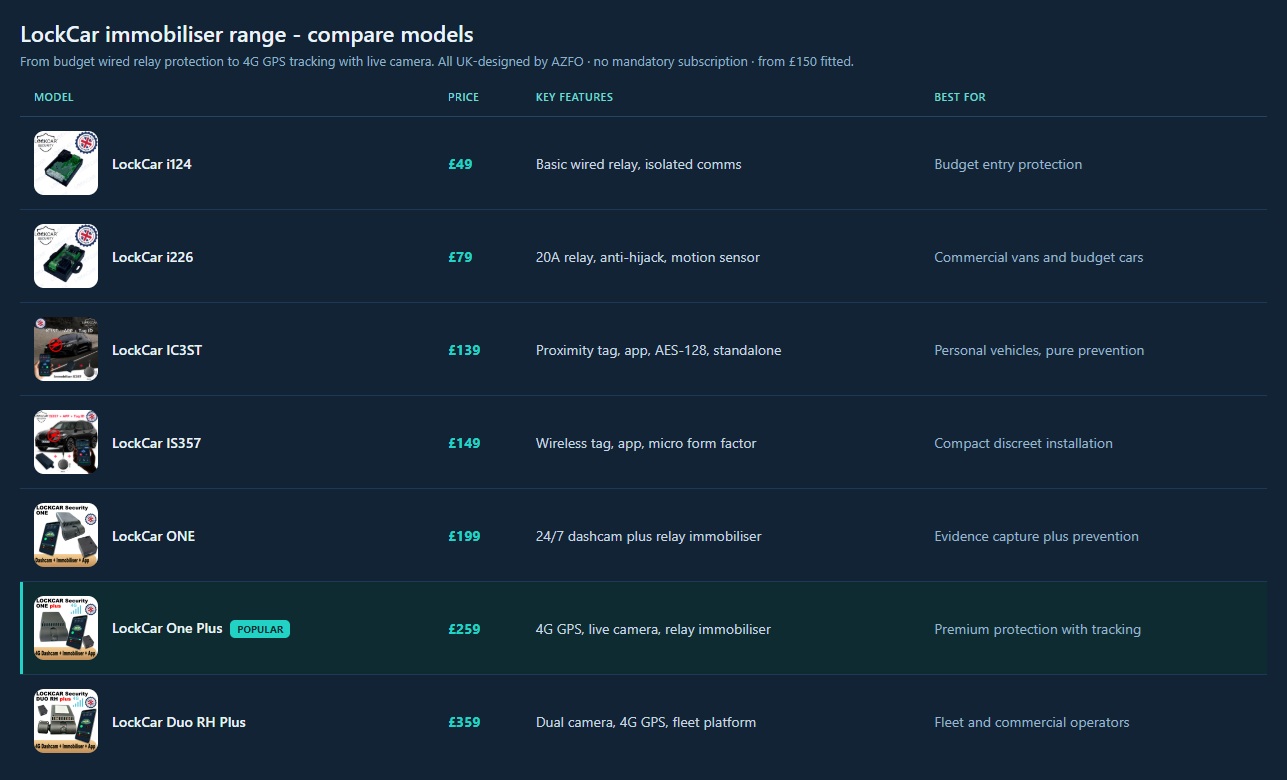
LockCar’s range covers every price point from a basic wired relay at £49 to a fully integrated 4G dashcam, GPS tracker, and relay immobiliser at £359. Each model uses the same underlying relay break principle, with additional capabilities layered on top.
| Model | Price | Key features | Best for |
|---|---|---|---|
| LockCar i124 | £49 | Basic wired relay, isolated comms | Budget entry protection |
| LockCar i226 | £79 | 20A relay, anti-hijack, motion sensor | Commercial vans and budget cars |
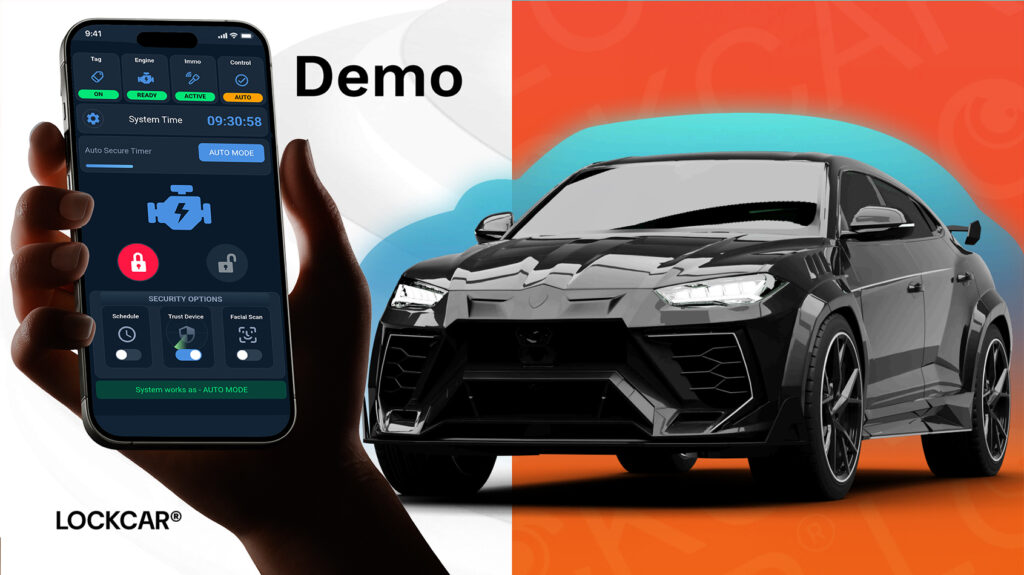
| LockCar IC3ST | £139 | Proximity tag, app, AES-128, standalone | Personal vehicles, pure prevention |
| LockCar IS357 | £149 | Wireless tag, app, micro form factor | Compact discreet installation |
| LockCar ONE | £199 | 24/7 dashcam plus relay immobiliser | Evidence capture plus prevention |
| LockCar One Plus | £259 | 4G GPS, live camera, relay immobiliser | Premium protection with tracking |
| LockCar Duo RH Plus | £359 | Dual camera, 4G GPS, fleet platform | Fleet and commercial operators |
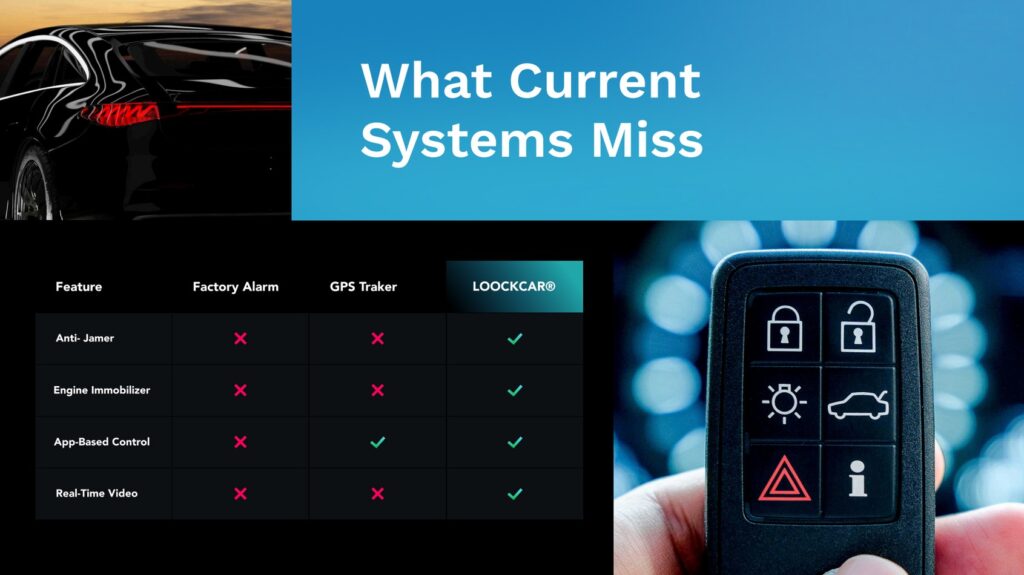
All LockCar models use the same core principle: a physical relay break in the start circuit that operates independently of the vehicle’s CAN bus, OBD port, and factory immobiliser. The choice between models depends on whether you also want GPS tracking, live camera streaming, and fleet management capability.
LockCar recommended for this page
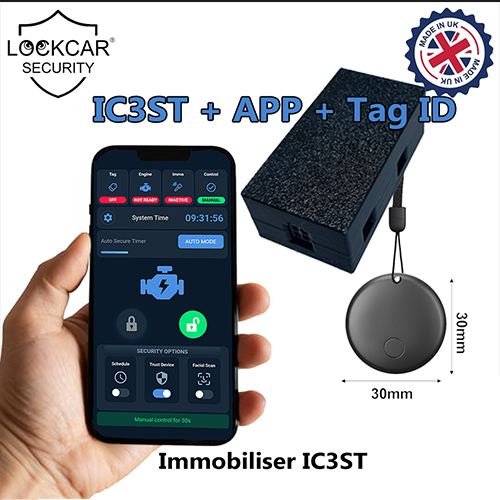
- Encrypted 2.4GHz proximity tag authentication
- AES-128 encryption, vehicle-specific key
- Hands-free, auto-disarms on approach
- Independent of CAN bus and OBD port
- No subscription required
- Full insurance certificate provided
- Compatible with all vehicle types
- Relay break plus GPS tracking plus camera
- No mandatory monthly subscription
- Remote immobilisation from app
- 20A commercial relay, anti-hijack mode
- 12V and 24V compatible
- From £150 fitted UK-wide
Frequently asked questions
What is the difference between a CAN bus immobiliser and a relay immobiliser?
A CAN bus immobiliser connects to the vehicle’s electronic communication network and requires a PIN or code. A relay immobiliser installs a physical switch in the start circuit that operates completely outside the CAN bus. LockCar’s relay immobilisers cannot be influenced by any command sent over the CAN bus, making them immune to electronic attacks targeting the vehicle’s software systems.
Do I need an immobiliser if my vehicle already has a factory one?
Yes, for any keyless vehicle in a medium to high-risk theft category. Factory immobilisers are part of the keyless entry system and are satisfied by relay attack. An aftermarket relay immobiliser outside the factory system adds an independent layer that relay attack equipment cannot satisfy.
How does the proximity tag work day to day?
The encrypted proximity tag is typically carried in your pocket or on your keyring. When you approach the vehicle, the tag communicates with the LockCar device over a 2.4GHz encrypted channel, disarming the relay automatically. When you walk away, the relay re-arms. No button pressing, no PIN entry, no additional steps. Completely transparent in daily use.
What happens if I lose the proximity tag?
The LockCar app on your smartphone provides backup authentication. You can disarm the relay break using the app if the tag is unavailable. Contact LockCar to obtain a replacement tag. The vehicle cannot be started by anyone who does not have either the valid tag or the authenticated app.
Choose your LockCar immobiliser
Every LockCar model uses the same proven relay break principle. Professional mobile installation at your location across the UK.
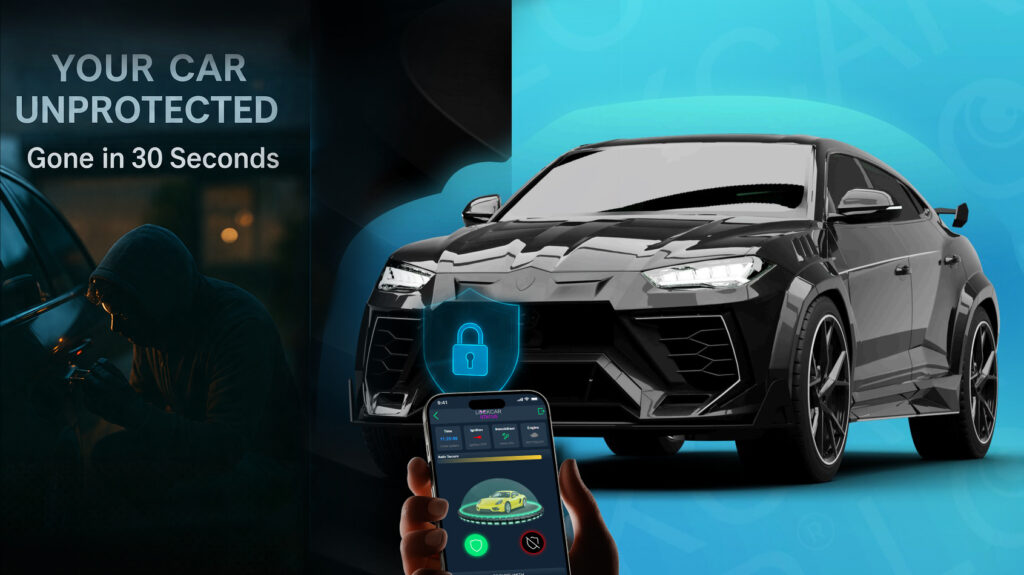
YOUR CAR
CAN BE STOLEN
in under 60 seconds with no alarm triggered