

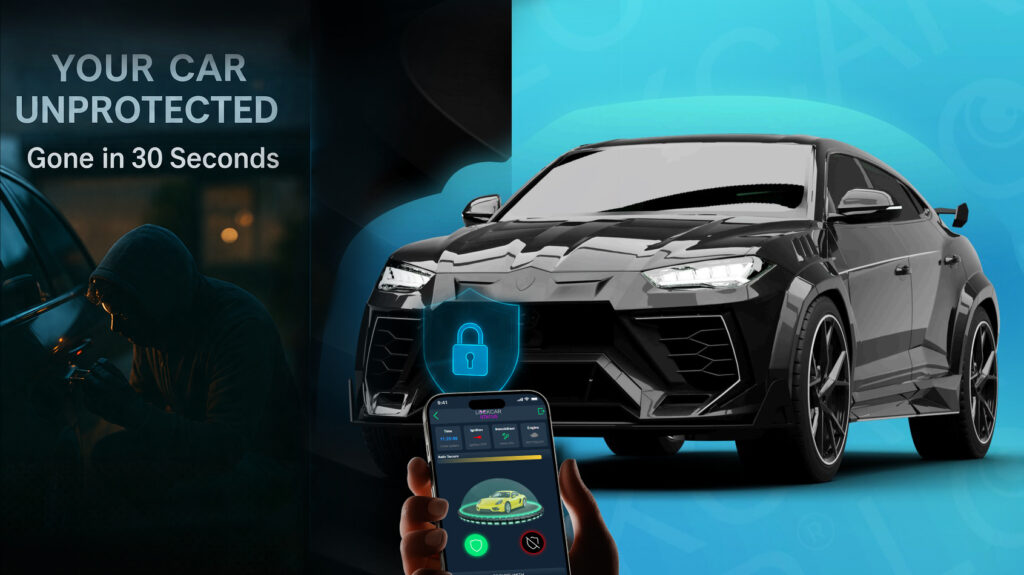
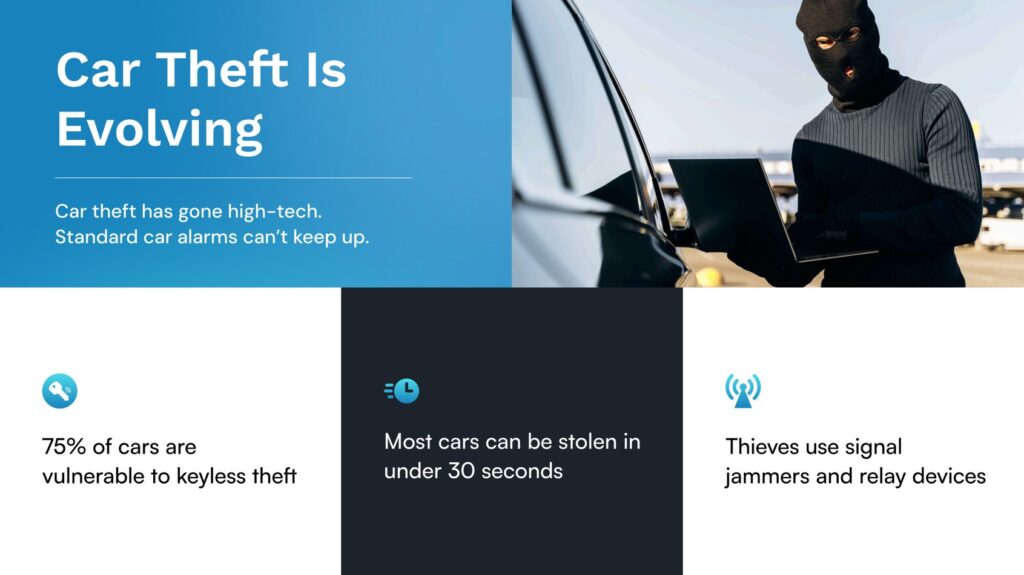
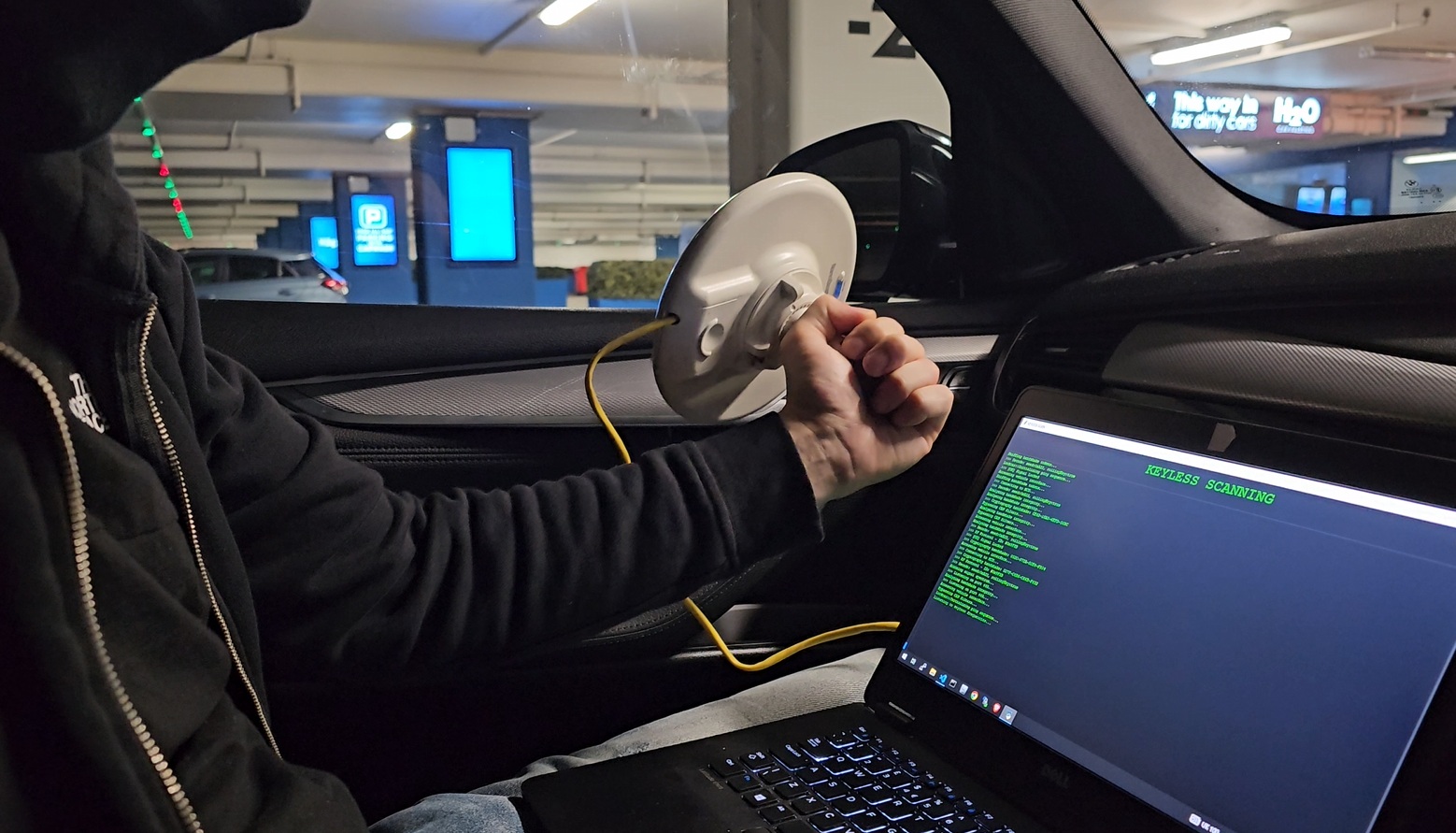
YOUR CAR
CAN BE STOLEN
in under 60 seconds with no alarm triggered
Ghost immobilisers made hidden security mainstream, here is how they actually work
If you have researched aftermarket immobilisers, you have almost certainly come across the name Ghost. It is one of the products that popularised the idea of a hidden, button-sequence immobiliser. Understanding how it works also makes it easier to see where CAN-IMMO takes a different approach.
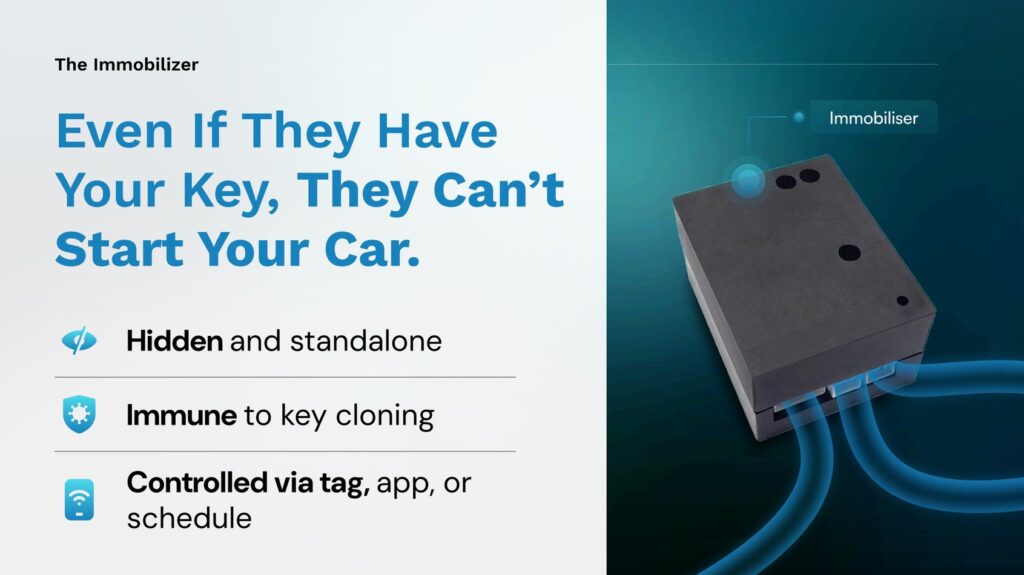
A hidden immobiliser that a thief does not know is even there
A Ghost immobiliser connects to a vehicle’s CAN bus network and blocks the engine from starting until a personal disarm sequence is entered. That sequence is created using buttons already fitted to the car, such as steering wheel controls or window switches, so there is no separate fob and no visible keypad added to the dashboard.
Because the system does not transmit a radio signal and adds no visible components, it cannot be scanned for or spotted by inspecting the car. That is the whole idea behind the name: a layer of protection that stays invisible until it is needed.
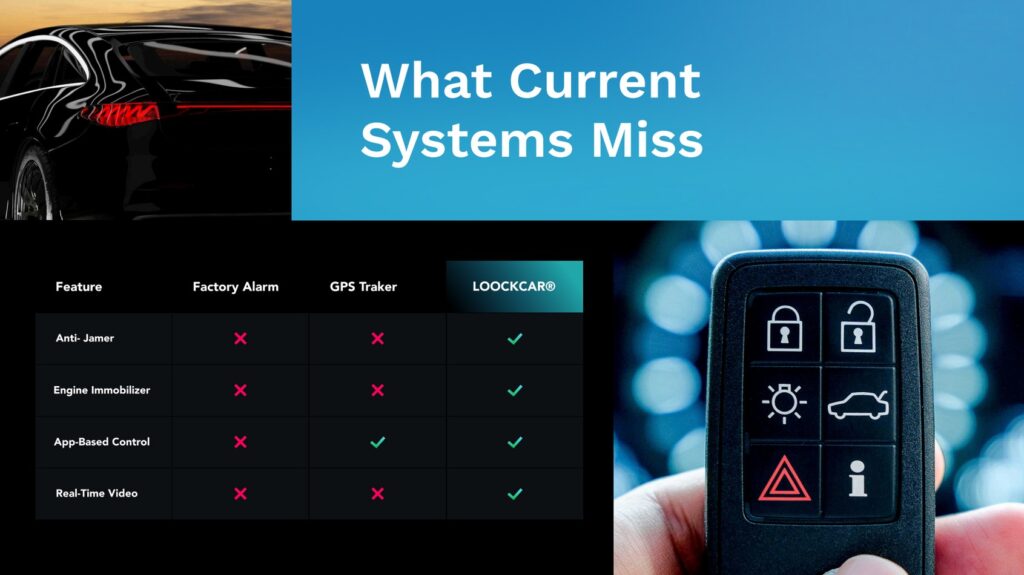
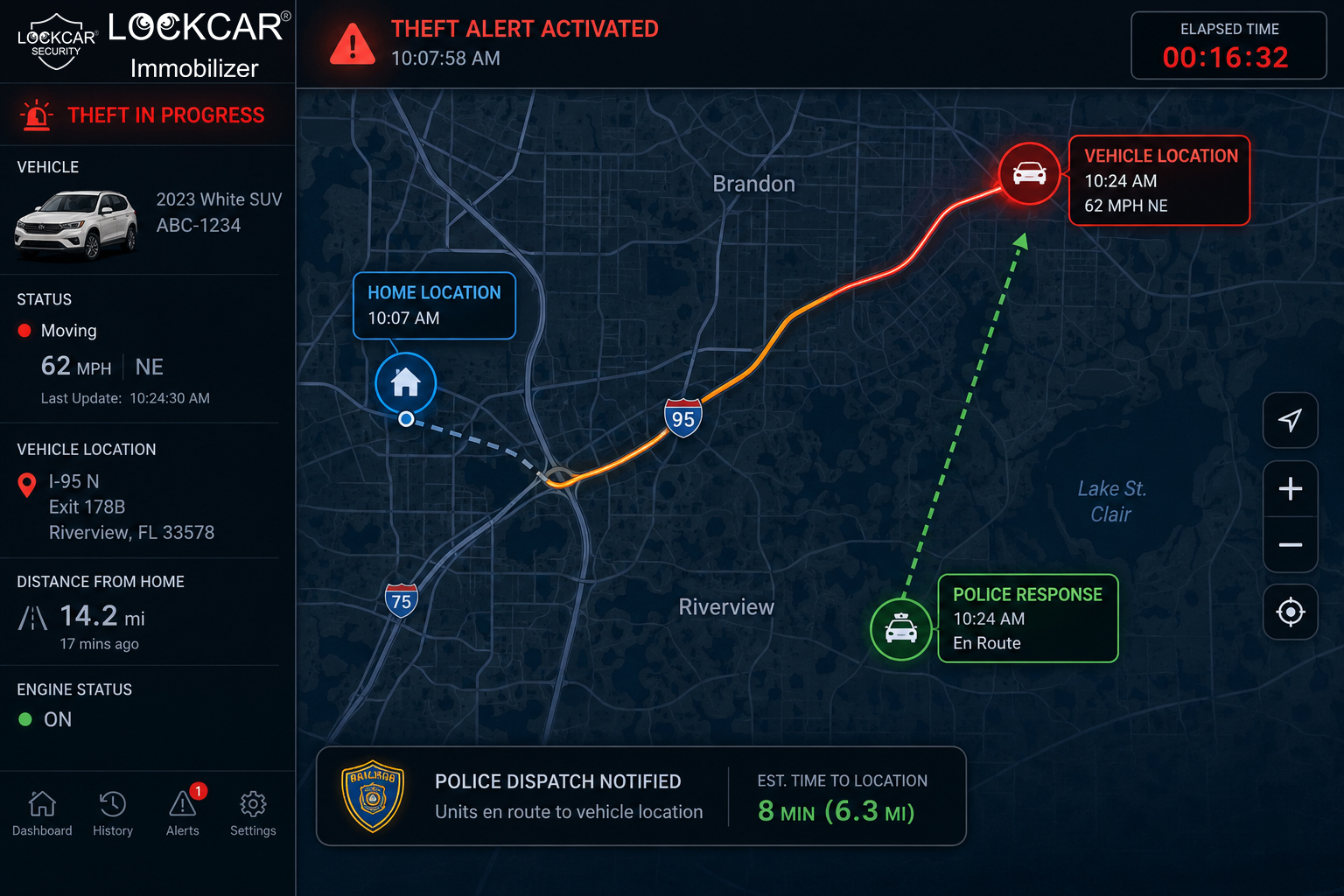
This blocks the two most common modern theft methods head on. Relay attacks and key cloning both work by tricking the car into thinking a valid key is present. A Ghost style immobiliser does not care whether the key is genuine, cloned, or amplified, because it checks for a separate code that has nothing to do with the key at all.
The strength of the concept is also its daily cost
A button sequence has to be entered correctly, in order, every time the car is started. In good conditions that becomes second nature. In a hurry, in the dark, or when a passenger is watching, it is one more thing that can go wrong before the engine will even turn over.
There is also the question of who else needs to know the sequence: a partner, an adult child, anyone who might occasionally need to drive the car. Sharing it means it now lives in more than one person’s memory, and changing it later means retraining everyone who uses it.
A hidden immobiliser closes the gap that relay attacks and key cloning exploit. How that immobiliser is disarmed day to day is a separate design decision, and not every approach solves it the same way.
CAN-IMMO keeps the hidden layer, changes how you disarm it
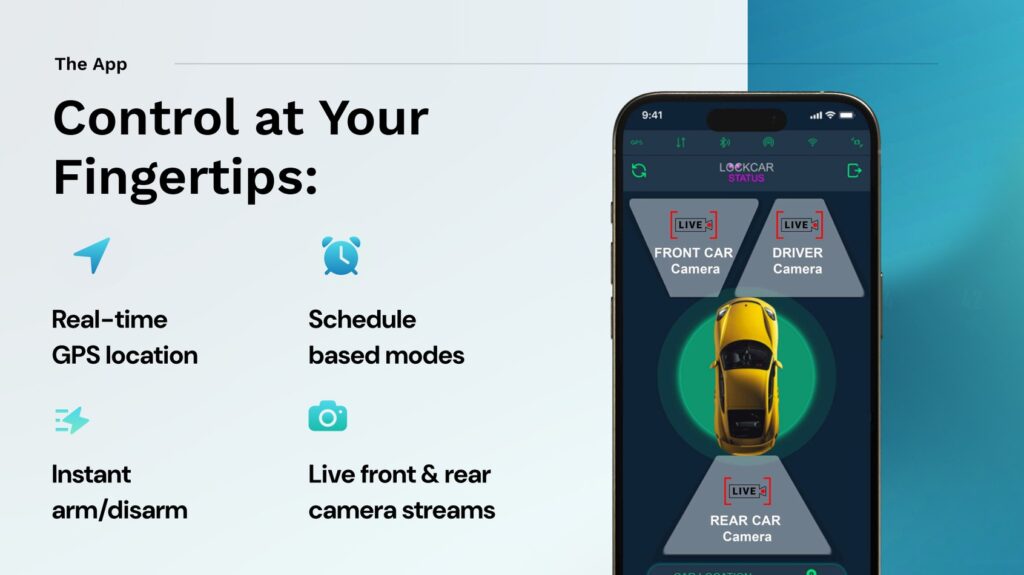
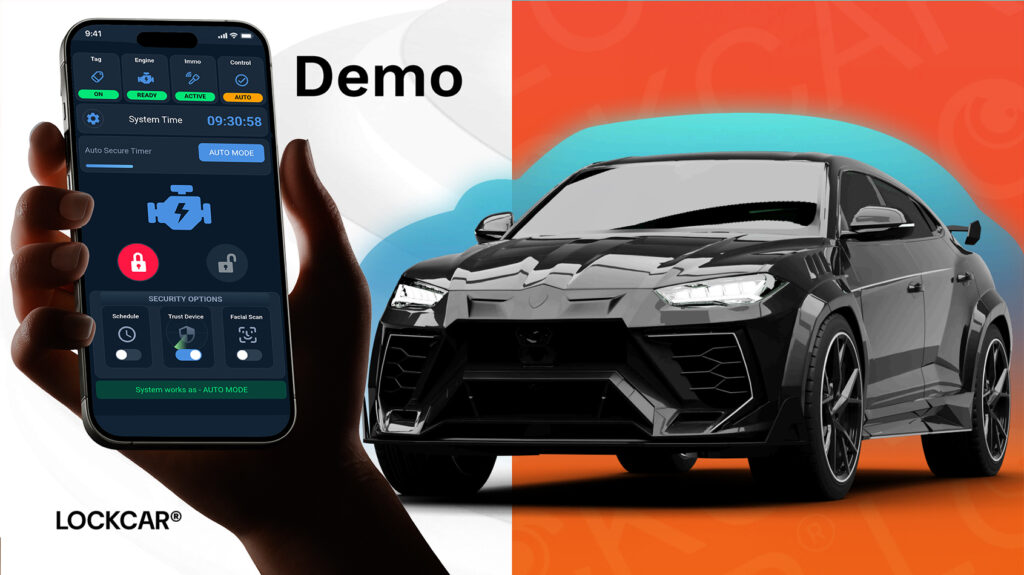
App control, not buttons
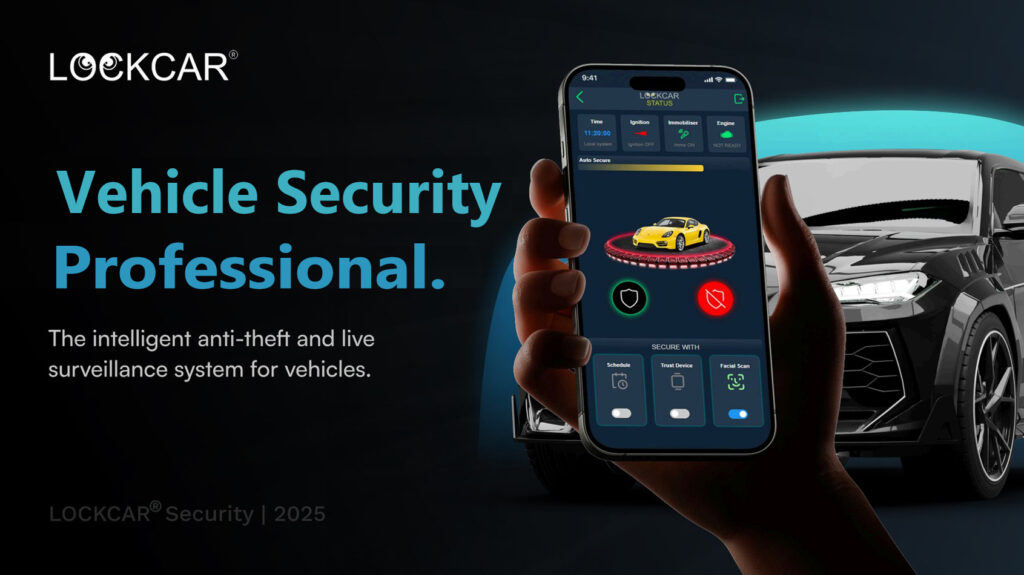
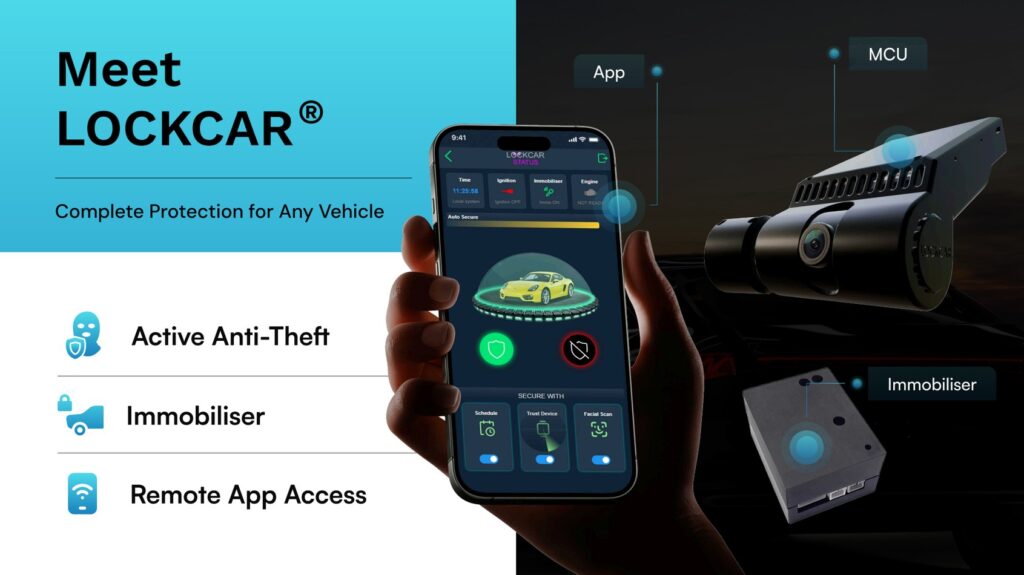
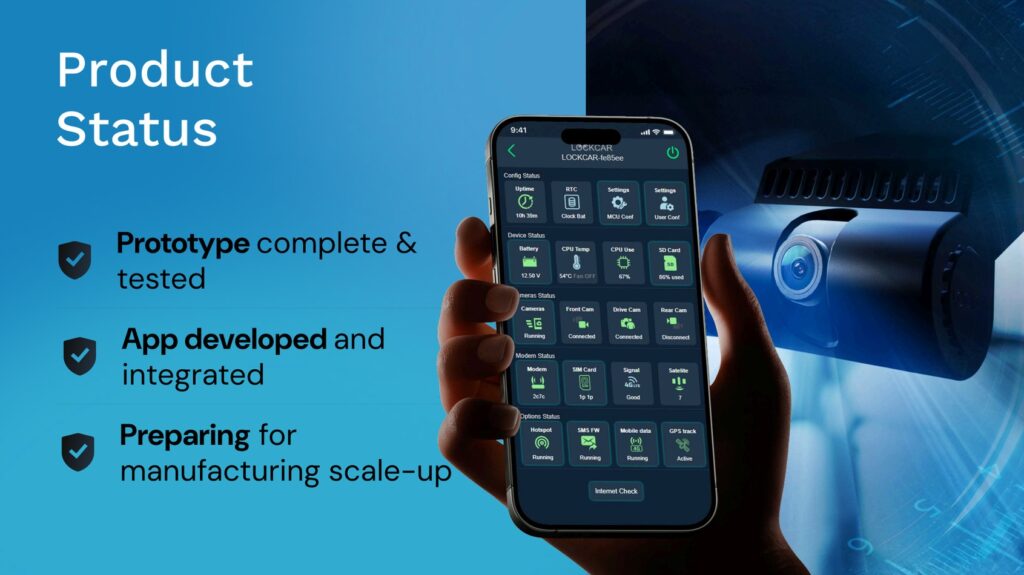
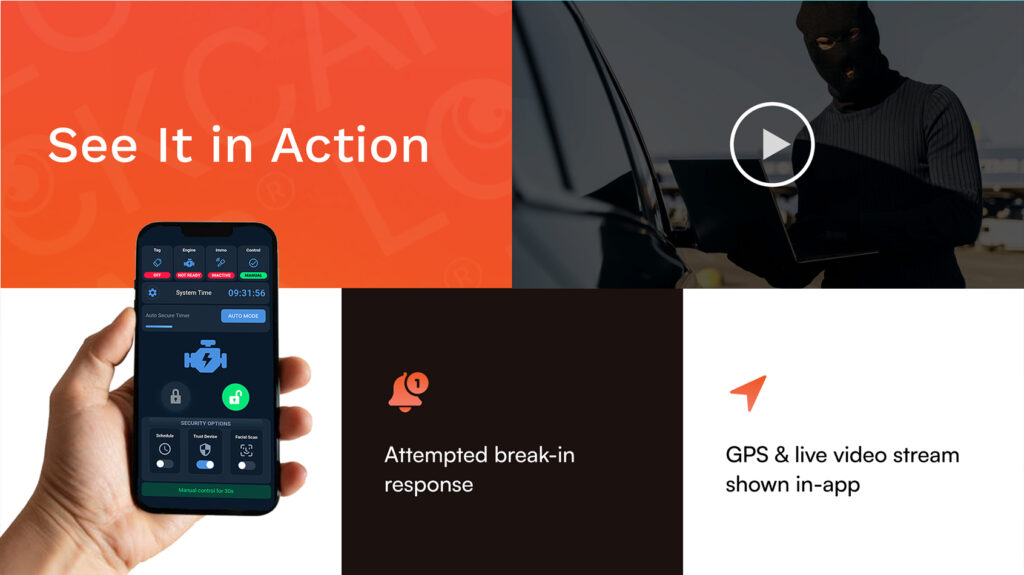
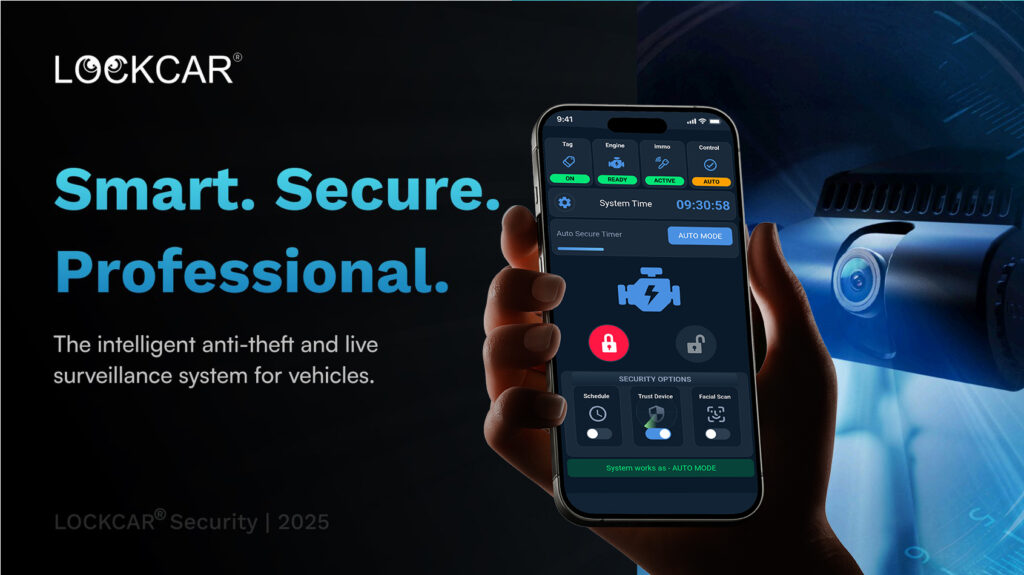
CAN-IMMO is controlled from a smartphone app on Android or iPhone over Bluetooth, with no button sequence to remember.
Optional hands-free TAG
Add the Bluetooth proximity TAG and the car disarms automatically as you approach, with no PIN entry needed.
Still no LEDs, no keypad
Installation is hidden with nothing visible in the cabin, the same discretion a Ghost style device offers.
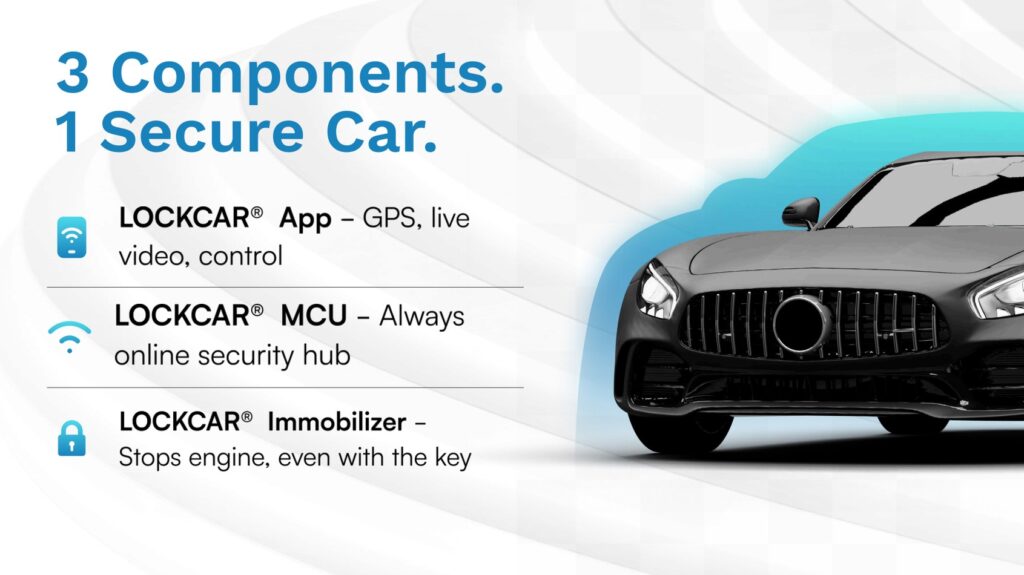
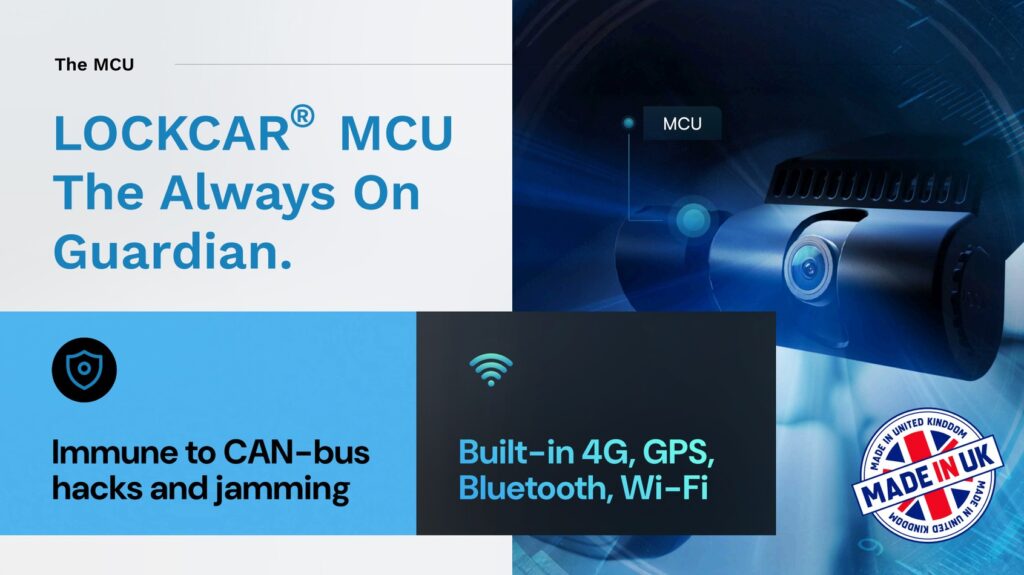
LockCar recommended for this page
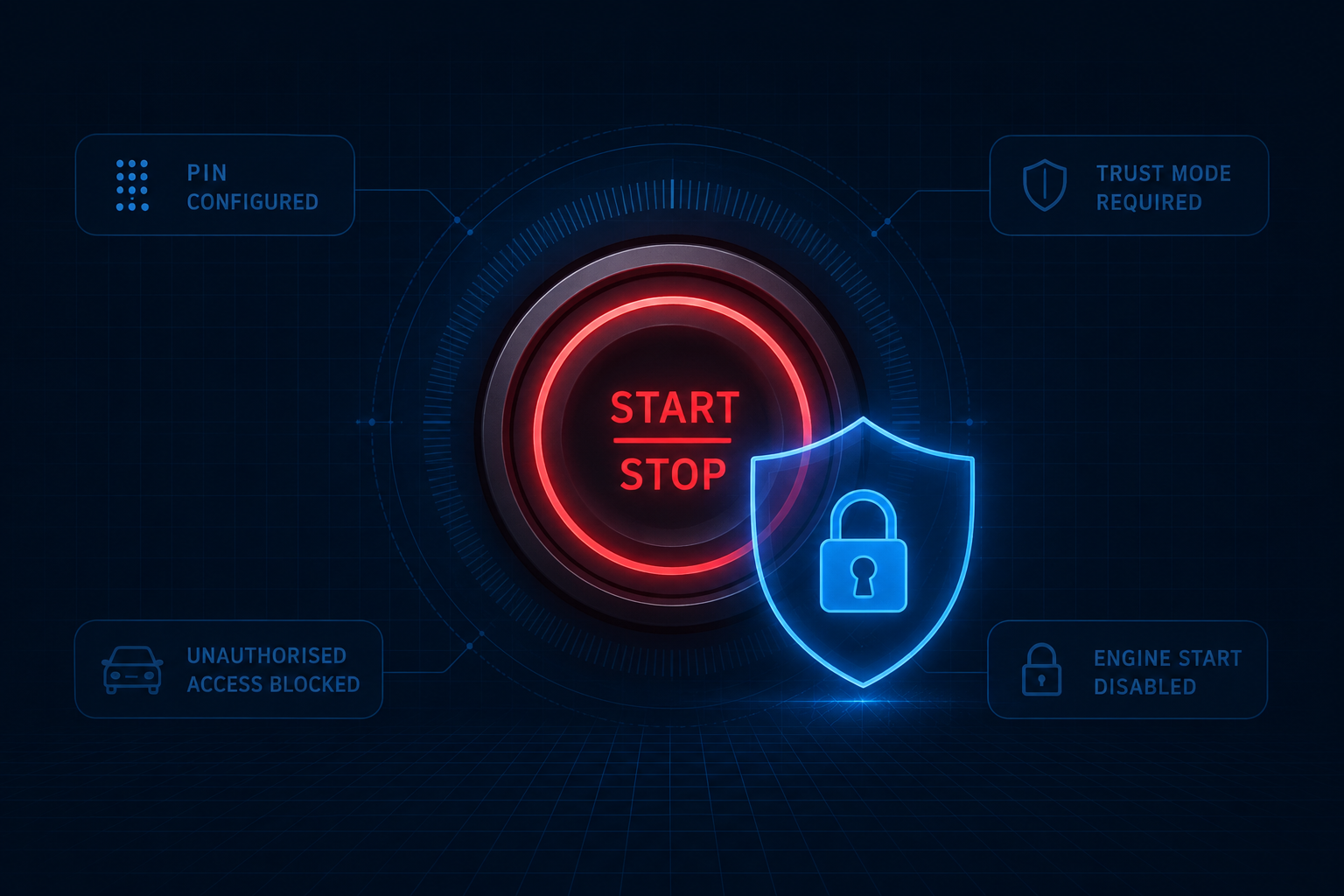
- CAN bus, LIN bus and ADC bus PIN immobiliser
- Optional Bluetooth proximity TAG, hands-free disarming
- Hidden installation, no LEDs, no keypad
- Vehicle-specific programming, reprogrammable for another vehicle
- Multiple immobiliser types
- UK made, professionally installed
- Vehicle-specific setups available
Frequently asked questions
Is a Ghost immobiliser the same brand as LockCar?
No. Ghost is a separate brand. Both are hidden, CAN bus based immobilisers, but they use different disarm methods and are made by different companies.
Does CAN-IMMO block relay attacks the same way?
Yes. Like a Ghost style device, CAN-IMMO requires authentication that is separate from the vehicle’s key signal, so a cloned or relayed key on its own cannot start the engine.
Can I still get an emergency override if something goes wrong?
Speak to your installer about the override options available for your configuration.
Will fitting either type of immobiliser affect my insurance?
Some insurers recognise aftermarket immobilisers as a security improvement, but this varies by provider. Check with your insurer or broker directly.
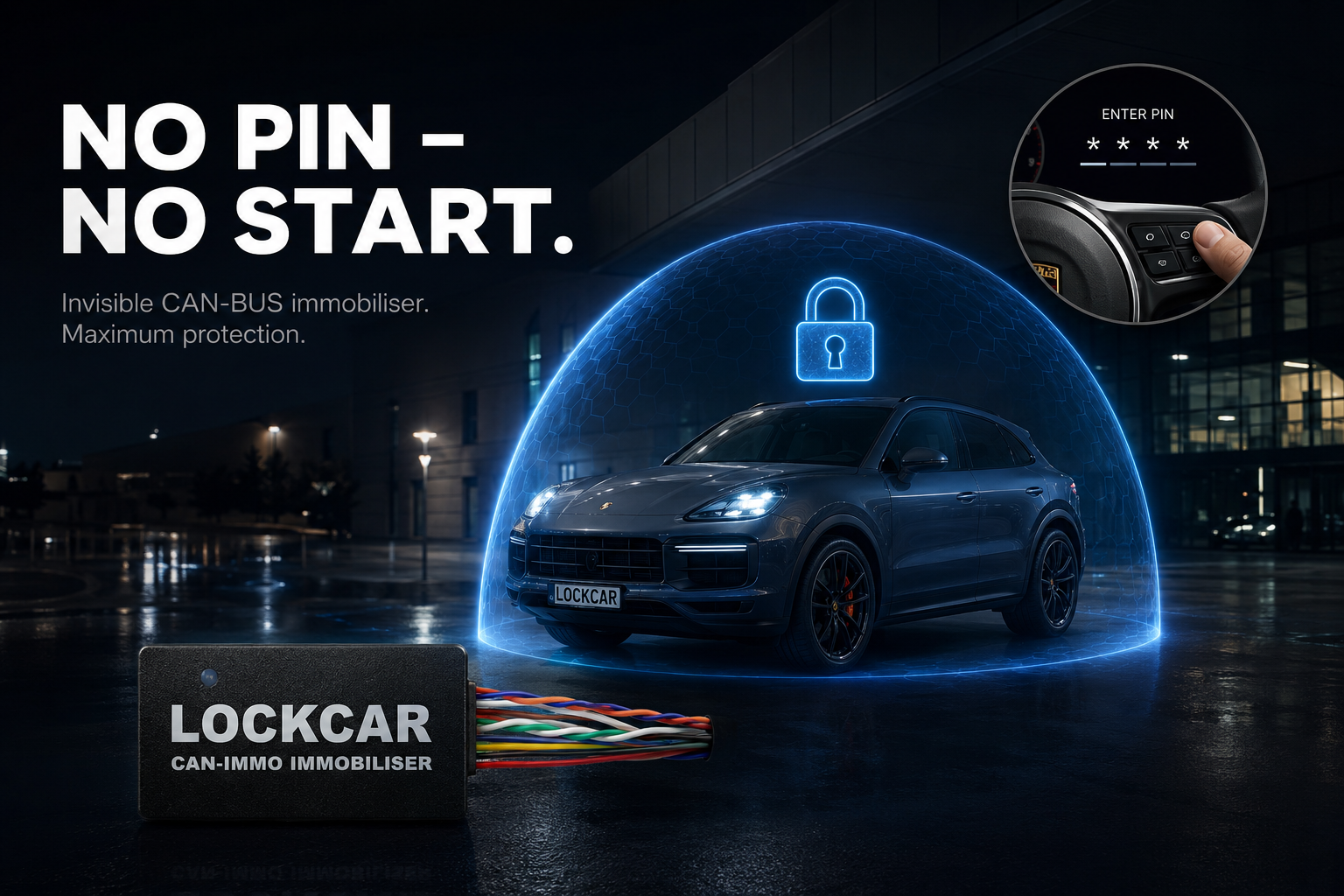
Hidden protection, without a sequence to memorise
Talk to LockCar about fitting CAN-IMMO on your vehicle.