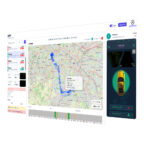


Vehicle security from
£199
Enter car's registration plate number to find the right LockCar security option
We could not pull the details automatically. Fill these in and we will carry on — it only takes a few seconds.
- Free, no obligation
- Fitted, not posted
- 12 months hardware warranty
1 Vehicle found
Showing sample data – add your MOT History API credentials in the plugin settings to return real vehicles.
Status and history
MOT history
2 Protection level
Pick the level of protection for your
Every option is fitted by an approved installer. Choose one to see the exact devices.
3 Choose the device
Immobilisers only for
2 devices fit this level. Pick one, or skip this and we will recommend the right one for your car.
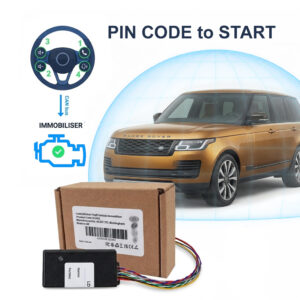
CAN BUS Immobiliser
PIN CODE Car Immobiliser LockCar CAN-IMMO – Fitted
- PIN to start
- Optional tag
- Bluetooth app
PIN CODE to START – NO PIN. NO START – LOCKCAR CAN-IMMO Immobiliser – Smart Advanced CAN Bus Vehicle Immobiliser – entering the PIN CODE each startup
£299.00 £350.00
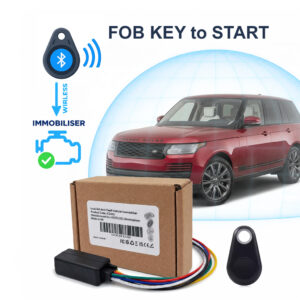
App + Tag Immobiliser
TAG FOB Car Immobiliser LockCar IC3262 TAG Immobiliser
- Hands-free tag
- Mobile app
- Anti-hijack
TAG FOB KEY to START – NO FOB. NO START – LOCKCAR IC3262 Immobiliser – Smart Immobiliser – authorizes the car to start if it detects the fob…
£249.00 £299.00
3 Choose the device
Immobilisers + Dashcams for
2 devices fit this level. Pick one, or skip this and we will recommend the right one for your car.
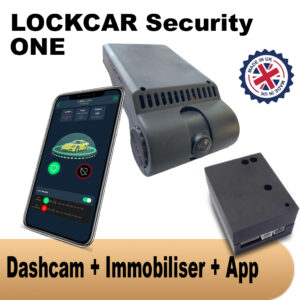
Dashcam + Immobiliser + App
Dashcam + Immobiliser LockCar One – Free Fitting
- Immobiliser
- Dashcam
- 24/7 recording
- App
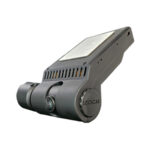
LockCar ONE is a professional dash camera with 24/7 monitoring, SD recording, and smart immobiliser integration. Built for security, durability, and total control in the UK.
£450.00 £550.00
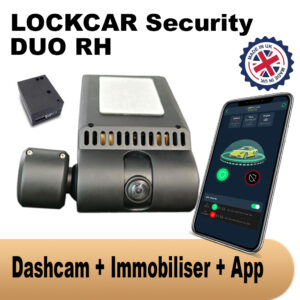
Dashcam + Immobiliser + App
Dashcam + immobiliser Lockcar Duo Rh – Free Fitting
- Immobiliser
- Dual camera
- GPS
- App
Local MCU system security. Power ON 24/7. Smart parking mode. Local car status, Immobilization, Local GPS Traking, Local Cameras Front + Driver. FREE UK INSTALLATION
£550.00 £650.00
3 Choose the device
4G Live Dashcams + Immobilisers for
2 devices fit this level. Pick one, or skip this and we will recommend the right one for your car.
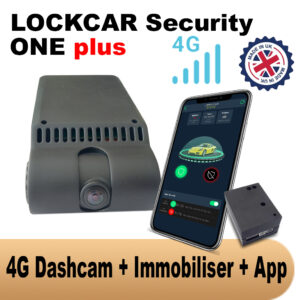
4G + Dashcam + Immobiliser + App
Dashcam + Immobiliser + Tracker LockCar One Plus 4G- Free Fitting
- Immobiliser
- Dashcam
- 4G live view
- GPS tracker
LockCar One Plus is 4G remote access and intelligent immobiliser. Designed for modern threats, this advanced anti-theft system allows you to monitor and control your car from anywhere,…
£499.00 £600.00
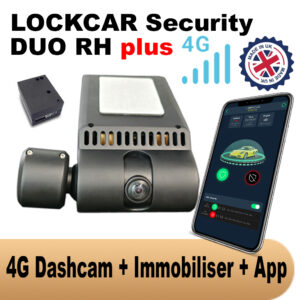
4G + Dashcam + Immobiliser + App
4G Daschcam + Immobiliser + Tracker Lockcar Duo Rh Plus 4G – Free Fitting
- Immobiliser
- Dual camera
- 4G live view
- GPS
Remote access via 4g permanently. Power ON 24/7. Smart parking mode. Real-time car status, Immobilization, Real-time GPS Traking, Live Cameras Front + Driver. FREE UK INSTALLATION
£699.00 £750.00
4 Fitting
Where should we fit it?
We come back with the theft method known for your model, what we would fit, the price with fitting, and the nearest slot to you. One message, no sales calls.
Got it – check your inbox
We have your registration and what you picked. We will come back to you shortly.
Message us on WhatsAppCAN Bus Immobiliser UK: how CAN bus security works, and why it stops keyless theft
A CAN Bus Immobiliser UK joins the network your car already uses to pass messages between its modules, and holds the engine start blocked until it recognises you. The key alone stops being enough. This page explains how that works in plain English, what the installer actually connects to, and what it costs to have one fitted at your address.
What the CAN bus actually is
CAN stands for Controller Area Network. It is the two-wire data bus that every module in a modern car uses to talk to the others: engine management, gearbox, ABS, body control, instrument cluster, door modules and steering wheel controls. Rather than each device having its own dedicated wire, they all share the same pair of conductors and pass short messages between themselves.
That shared design is what makes a CAN Bus Immobiliser UK possible. Any device that can join the bus can read what is being said and, if it is programmed correctly, add its own condition to the conversation. The factory immobiliser works on a different principle. It checks that a recognised key is present, then releases the engine. The CAN bus is where that release command travels.
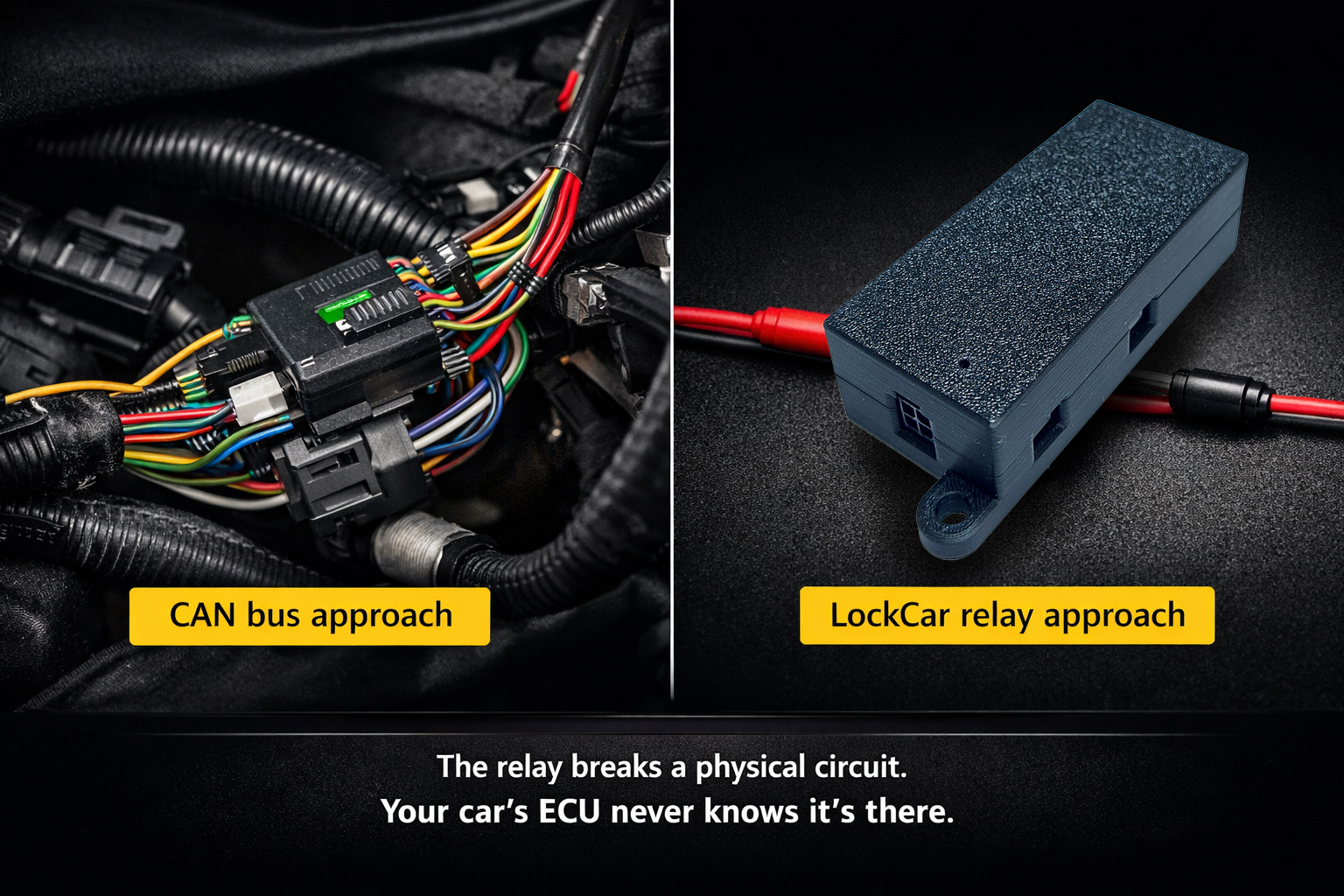
Because the check happens on a shared network rather than inside a locked box, a second security layer can be added without cutting wires, splicing into the loom or leaving anything visible in the cabin. That is what makes the install reversible.
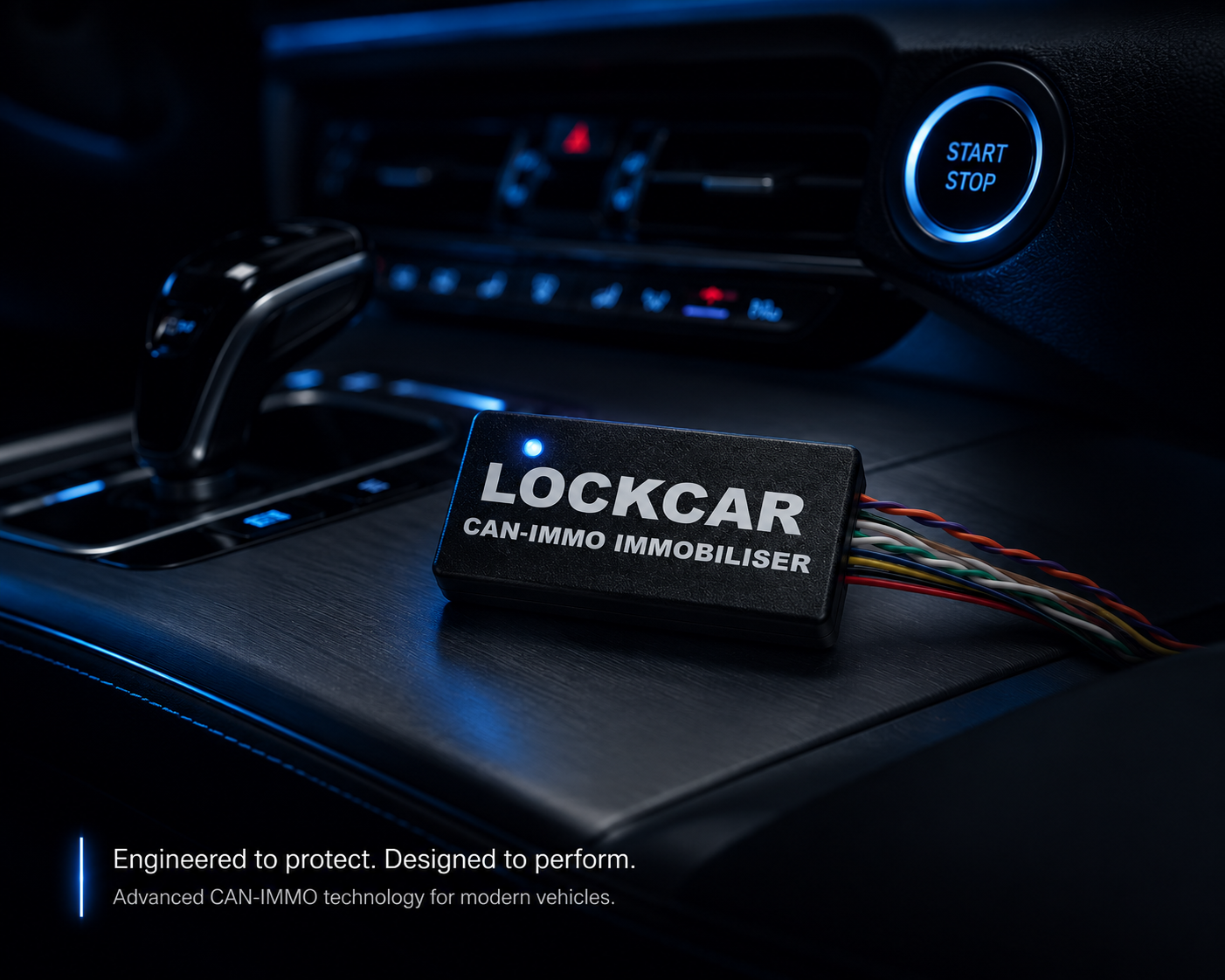
How a CAN Bus Immobiliser UK stops a start
The principle is simple even though the implementation is not. The unit listens to the network for a condition only you can supply, and until that condition is met, the start command never reaches the engine.
It listens
The module reads the traffic on the CAN bus continuously while the car is awake. It knows which messages belong to your specific make and model, because the firmware is programmed with a validated profile for your vehicle.
It holds the start
When you turn the key or press start, the module checks whether your authorisation is present. If it is not, the start condition is never released. The engine does not fire, no matter how genuine the key signal looks to the factory system.
It releases on your terms
A proximity tag you carry, a phone over Bluetooth, a paired smartwatch or smart ring. Walk up with the tag and the car behaves exactly as before. No PIN to type, no button sequence, nothing to remember.
The key insight is that a relayed signal or a cloned key satisfies the factory immobiliser, but satisfies nothing about the second check. A CAN Bus Immobiliser UK sits completely outside that conversation, so passing the first question gets a thief no further.
Why keyless cars need a second check
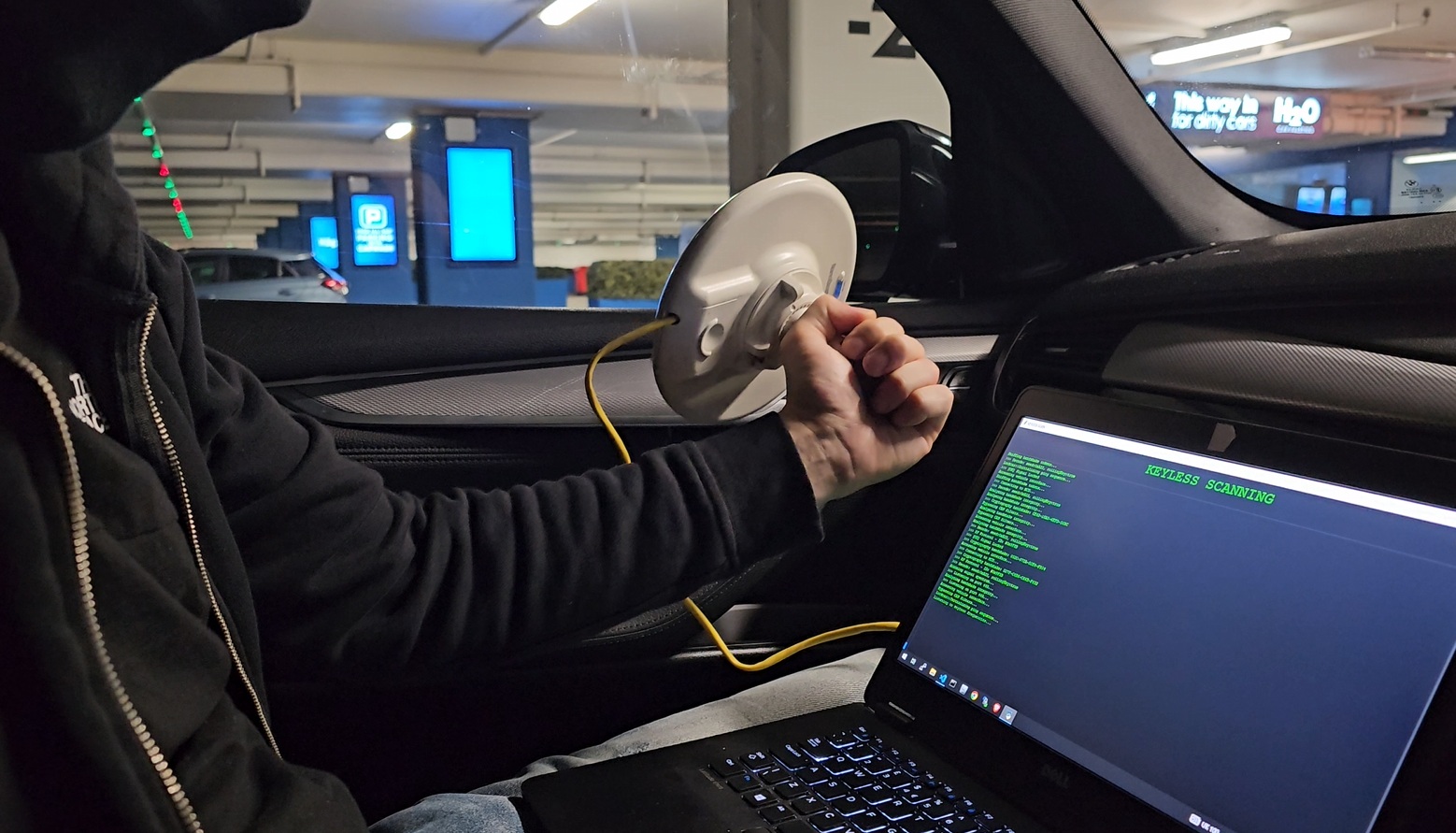
A keyless car unlocks and starts when it detects a valid key nearby. A relay attack extends that key’s signal from inside your house to whoever is standing at the car, using two simple amplifiers. The car is convinced. Doors open, engine starts, no damage, under a minute.
The same problem applies to key cloning. A tool plugged into the diagnostic port can write a new key to the vehicle in seconds, and the car then treats that key as genuine. Your original key can be locked in a safe and it changes nothing.
In both cases the factory immobiliser is not defeated. It is satisfied. A CAN Bus Immobiliser UK adds the check that neither attack can pass, because the attack does not involve your tag, your phone or your authorisation at all.
The installation, step by step
A CAN Bus Immobiliser UK is fitted at your address, not in a workshop. Here is what actually happens on the day.
Send the registration
WhatsApp your reg and postcode before anything is ordered. We check whether your exact make, model and year has a validated CAN profile, and tell you which unit in the range suits it.
We confirm the level and the price
Sometimes all the units work and it is a budget choice. Sometimes only one does, and we will say so rather than sell you the dearer box. The fitted price is the only price.
An approved installer comes to you
Home, work, or anywhere you can legally leave the car for a few hours. Both keys ready, and tell us in advance if the battery is marginal – the car sits on ignition for part of the job.
The module goes in hidden
The unit joins the vehicle’s own network using the existing connectors. Nothing is cut, nothing is spliced. With the trim back on there is no box, no LED and no keypad to find.
Pairing, testing and handover
Every factory function is tested. You are shown the proximity tag, the app, valet mode for garage visits, and the backup methods. You keep the installer’s number for anything that comes up later.
The LockCar range and what is included
Every fitted price includes the module, the programming matched to your vehicle, the concealed install, the pairing and the handover. There is no separate fitting charge and no call-out fee.
LockCar IC3ST
Fitting included. Standalone unit for older, modified or specialist vehicles with no CAN profile.
- 12V and 24V, universal fitment
- Works on vehicles without a usable data bus
- Hidden module, nothing visible in the cabin
- Motion sensor and anti-hijack
LockCar CAN-IMMO
Fitting included. The CAN bus system for modern keyless cars, vans, EVs and hybrids. Plug-in, invisible, hands-free.
- CAN bus, LIN bus and ADC bus
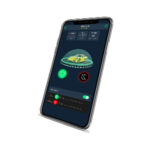
- Smartphone app for Android and iPhone over Bluetooth
- Optional Bluetooth proximity tag
- Service and valet mode, anti-hijack
- Vehicle-specific programming, reprogrammable
LockCar One Plus
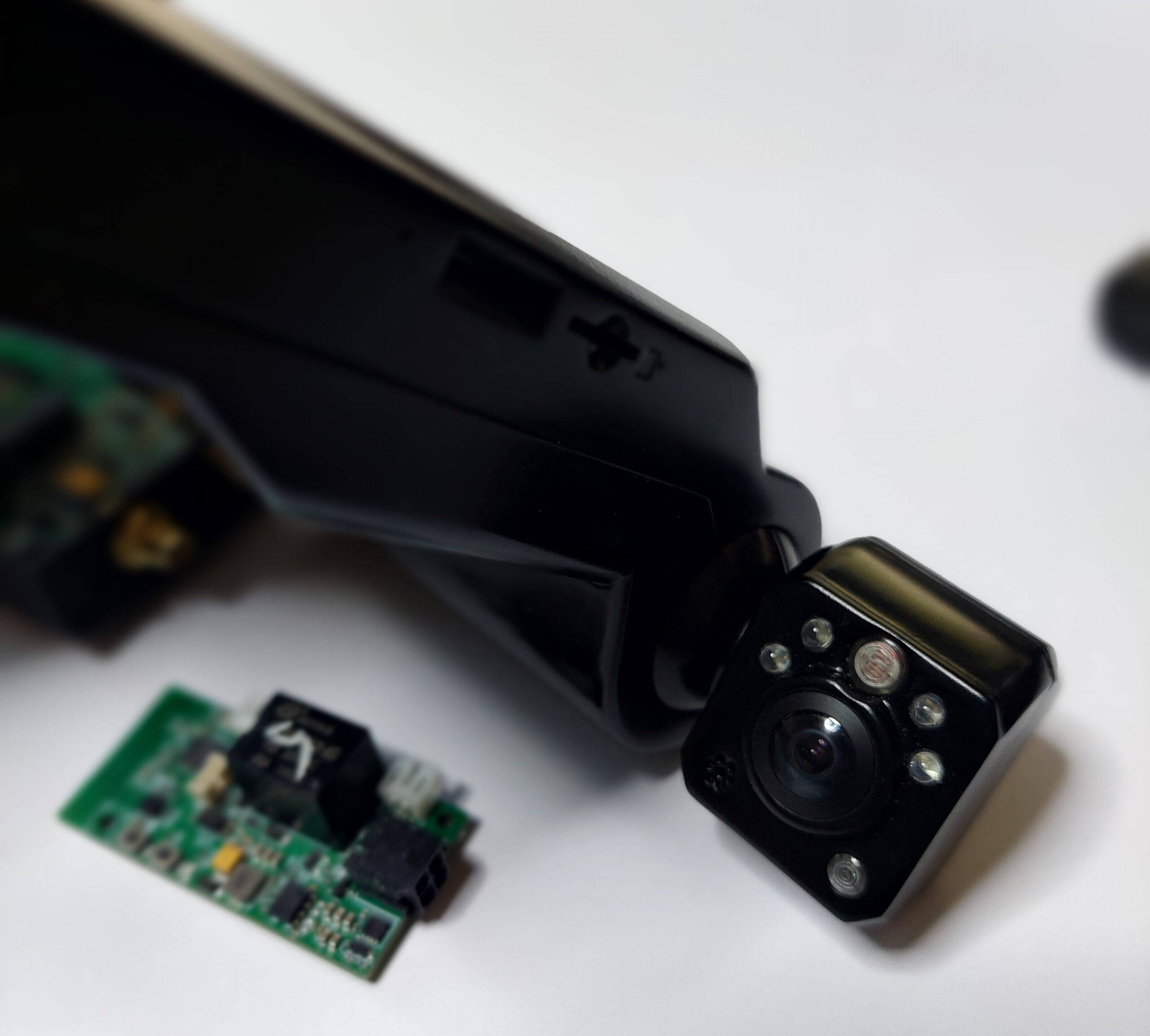
Fitting included. 4G remote access, live camera, GPS+GLONASS, Face ID and automatic night immobilisation in one device.
- 4G remote access and remote immobilisation
- GPS and GLONASS tracking with route history
- Automatic immobilisation during preset night hours
- Cars, vans, HGVs, EVs, motorhomes and plant
The IS357 at £149 adds a 5 metre proximity range plus smartwatch and smart ring support, for high-value vehicles. The full range, with manuals and specifications, sits in the LockCar immobiliser catalogue. If you are still weighing up types rather than models, start with the guide to choosing a car immobiliser.
What a CAN Bus Immobiliser UK does not do
It does not stop a flatbed
An immobiliser blocks the engine starting. A vehicle can still be winched onto a truck. If organised removal is the realistic worry, pair it with tracking, which is a different product.
It does not stop a break-in
Somebody can still put a window through for a laptop or take a catalytic converter. A silent CAN Bus Immobiliser UK protects the vehicle from being driven off. Nothing beyond that.
It is not an insurance approval
The LockCar CAN-IMMO is to prevent and make it harder for the car to be stolen by starting the engine or locking the gearbox. But if the car is stolen it can no longer be stopped by an immobiliser.
Areas covered
Our engineers are based in the West Midlands, so the shortest lead times are local: Birmingham and every B postcode, Sutton Coldfield, Walsall, Solihull, Wolverhampton, Coventry, Dudley and Tamworth. For the city itself, full fitting detail sits on the car immobiliser Birmingham page. Elsewhere in the UK, send your postcode with the registration and we will tell you honestly what the travel looks like before you commit.
Two practical notes. Have both keys available on the day, because the unit is tested against them. And if your battery is already marginal, say so when you book, since the car sits on ignition for part of the job and we will bring a support unit.
Questions and answers
How does a CAN Bus Immobiliser UK actually work?
It joins the vehicle’s own CAN bus and listens for a start request. Until it sees your authorisation – a proximity tag, a paired phone, a smartwatch – it holds the start condition blocked. The key alone is no longer enough, so a relayed signal or a cloned key fails the second check.
Will it work on my car?
If your car was built after the mid-2000s and has a validated CAN profile, the CAN-IMMO at £149 is usually the right answer. If it does not – an older vehicle, an import, a specialist conversion – the standalone IC3ST at £139 covers it on 12V or 24V. Send your registration and we will confirm before you pay anything.
Do I have to type a PIN or press a sequence every time I drive?
No. Carry the proximity tag and the car behaves exactly as it did before – it arms itself when the tag leaves range. If you would rather use a phone or a smartwatch, that works too. There is no PIN to remember and no daily routine to keep up.
Will fitting one affect my manufacturer’s warranty?
The fit uses the vehicle’s existing connectors and does not cut into the loom, so it is fully reversible. Terms vary between manufacturers, so if the vehicle is still under warranty, call your dealer before booking. We will tell you exactly which connections we intend to make, so you can ask them a specific question.
What happens if a tag is lost or a phone goes flat?
There are backup methods, and the installer walks you through them on the day. A spare tag kept at home, not on the same keyring as the car key, covers the common case. On the CAN-IMMO you can also disarm through the app over Bluetooth, and a paired smartwatch can authorise you.
How long does the fitting take?
A few hours in most cases, driven mainly by how much trim has to come apart to route wiring out of sight. You get the expected window when the booking is confirmed, not on the morning. The fit is done at your address, so the car never sits overnight somewhere you cannot see it.
Check your vehicle, then decide
Send your registration and postcode. We confirm which unit fits and whether your vehicle has a validated CAN profile before you pay for anything.