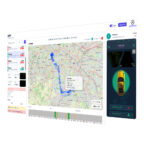


Vehicle security from
£199
Enter car's registration plate number to find the right LockCar security option
We could not pull the details automatically. Fill these in and we will carry on — it only takes a few seconds.
- Free, no obligation
- Fitted, not posted
- 12 months hardware warranty
Showing sample data — add your MOT History API credentials in the plugin settings to return real vehicles.
MOT history
Pick the level of protection
Every option is fitted by an approved installer. Choose one to see the exact devices.
Immobilisers only for
Hidden engine block. Nothing to see, nothing to record.
CAN BUS Immobiliser
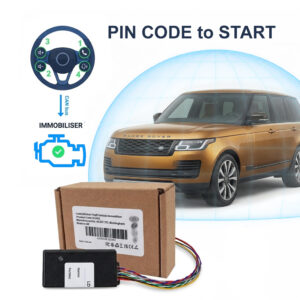
PIN CODE Car Immobiliser LockCar CAN-IMMO – Free Fitting
£299.00 £350.00
PIN CODE to START – NO PIN. NO START – LOCKCAR CAN-IMMO Immobiliser – Smart Advanced CAN Bus Vehicle Immobiliser – entering the PIN CODE each startup
App + Tag Immobiliser
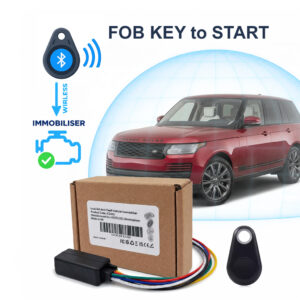
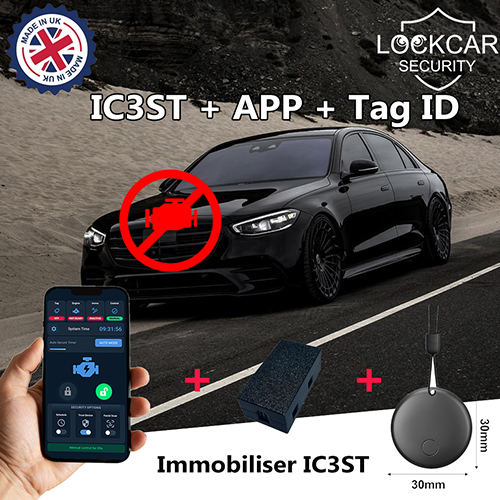
TAG FOB Car Immobiliser LockCar IC3262 TAG Immobiliser
£199.00 £250.00
TAG FOB KEY to START – NO FOB. NO START – LOCKCAR IC3262 Immobiliser – Smart Immobiliser – authorizes the car to start if it detects the fob…
Immobilisers + Dashcams for
Block the theft and record what happens around the car.
Dashcam + Immobiliser + App
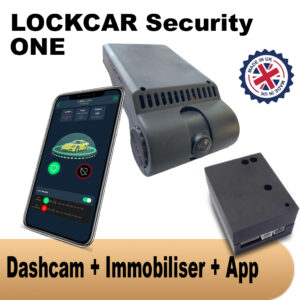
Dashcam + Immobiliser LockCar One – Free Fitting
£450.00 £550.00
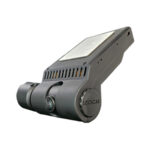
LockCar ONE is a professional dash camera with 24/7 monitoring, SD recording, and smart immobiliser integration. Built for security, durability, and total control in the UK.
Dashcam + Immobiliser + App
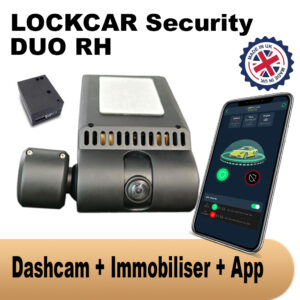
Dashcam + immobiliser Lockcar Duo Rh – Free Fitting
£550.00 £650.00
Local MCU system security. Power ON 24/7. Smart parking mode. Local car status, Immobilization, Local GPS Traking, Local Cameras Front + Driver. FREE UK INSTALLATION
4G Live Dashcams + Immobilisers for
Live view and alerts from anywhere, plus the engine block.
4G + Dashcam + Immobiliser + App
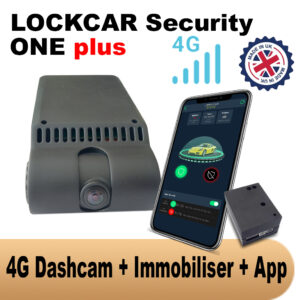
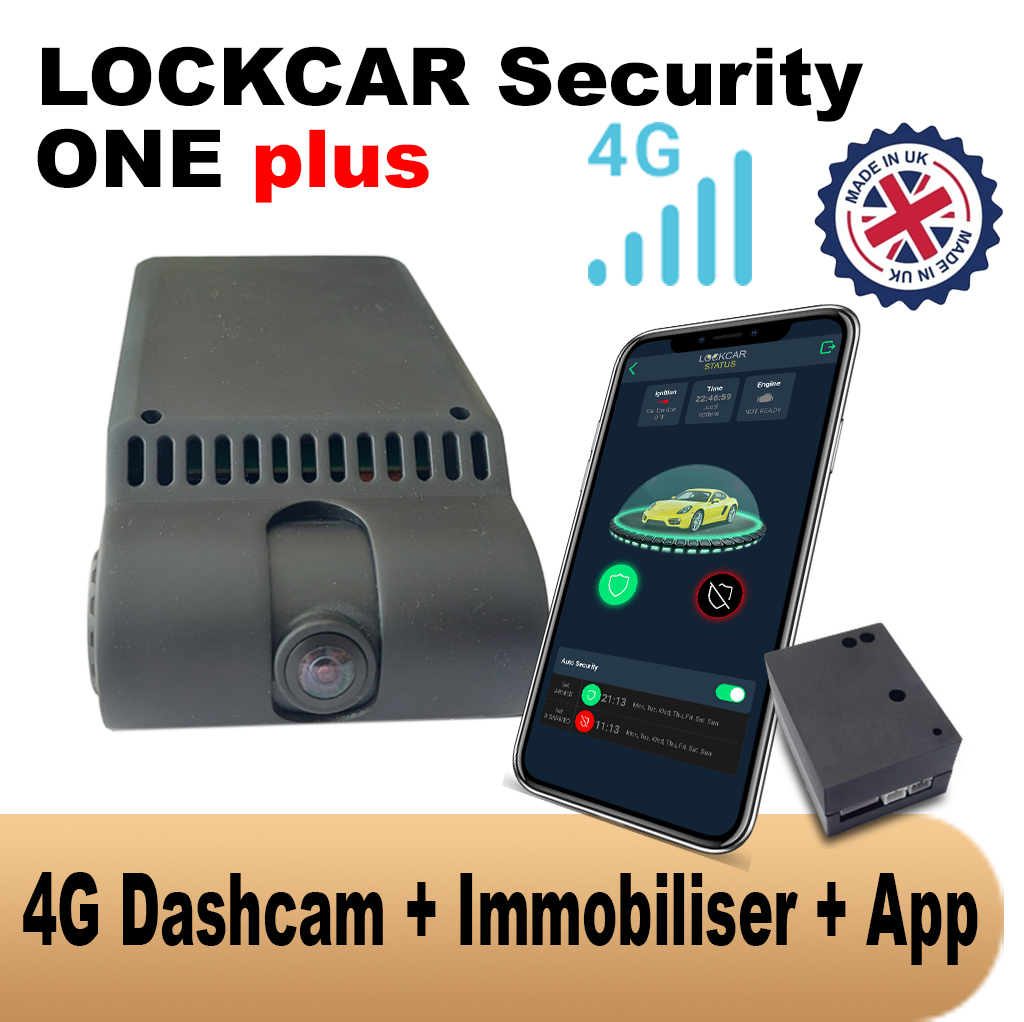
Dashcam + Immobiliser + Tracker LockCar One Plus 4G- Free Fitting
£499.00 £600.00
LockCar One Plus is 4G remote access and intelligent immobiliser. Designed for modern threats, this advanced anti-theft system allows you to monitor and control your car from anywhere,…
4G + Dashcam + Immobiliser + App
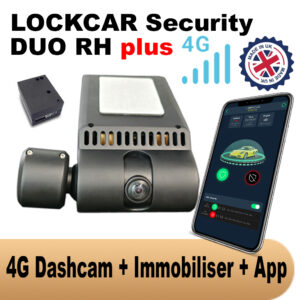
4G Daschcam + Immobiliser + Tracker Lockcar Duo Rh Plus 4G – Free Fitting
£699.00 £750.00
Remote access via 4g permanently. Power ON 24/7. Smart parking mode. Real-time car status, Immobilization, Real-time GPS Traking, Live Cameras Front + Driver. FREE UK INSTALLATION
Where should we fit it?
We come back with the theft method known for your model, what we would fit, the price with fitting, and the nearest slot to you. One message, no sales calls.
Got it – check your inbox
We have your registration and what you picked. We will come back to you shortly.
Message us on WhatsAppGPS tracker battery optimisation, a pro guide for longer life and better tracking
Battery-powered GPS trackers face an inherent tension between tracking frequency and battery life. More frequent position updates drain the battery faster. Longer update intervals extend battery life but reduce the real-time accuracy of location data. Understanding how to optimise this balance, and when hardwired 4G GPS is the better choice, is essential for anyone managing battery-powered tracking applications.
Battery-powered GPS trackers face an inherent tension between tracking frequency and battery life. More frequent position updates drain the battery faster. Longer update intervals extend battery life but reduce the real-time accuracy of location data. Understanding how to optimise this balance, and when hardwired 4G GPS is the better choice, is essential for anyone managing battery-powered tracking applications.
How GPS tracker battery consumption works
GPS position calculation requires the receiver to lock onto multiple satellites and process their signals. This process consumes significant power, particularly during initial acquisition when the receiver has no recent position to work from. Once acquired, continuous tracking consumes less power, but the 4G transmission of position data adds a further significant power draw for each update sent.
Battery-powered trackers manage this by using sleep modes between updates. In sleep mode, both the GPS receiver and the 4G transmitter are powered down. The device wakes at a configured interval, acquires GPS position, transmits it, and returns to sleep. This dramatically reduces average power consumption but means the tracker is not continuously aware of its position.
Optimising update intervals for different use cases
For theft recovery applications, the optimal update interval during an active theft is every 10 to 30 seconds. This requires the tracker to exit sleep mode on detecting motion (via an accelerometer) and switch to rapid update mode. Between uses, a 5 to 15 minute idle update interval is sufficient to confirm the asset has not moved while preserving battery.
For asset management applications where the primary need is knowing whether equipment has moved unexpectedly, a 30-minute update interval with motion-triggered rapid updates provides a practical balance. For fleet vehicle tracking where real-time position is needed during working hours, battery trackers are generally not suitable; hardwired 4G GPS is the appropriate solution.
The hardwired alternative
For permanent vehicle tracking applications, LockCar’s hardwired 4G GPS solves the battery problem entirely. The GPS module draws from the vehicle’s own electrical system, operates continuously without any battery management, and provides real-time updates as frequently as every few seconds. No battery charging, no replacement schedule, and no tracking gaps from a depleted battery.
LockCar recommended products
How long does LockCar installation take?
Installation typically takes 60 to 90 minutes at your location. Our mobile engineer brings all parts and tests everything before leaving. Full documentation provided.
Does LockCar cover my area?
LockCar mobile service covers the entire UK with same-day and next-day appointments available in most areas. WhatsApp or call us to confirm availability.
Will LockCar interfere with my factory electronics?
No. LockCar uses vehicle-specific wiring procedures. All factory functions continue to operate exactly as before installation.
Can I get insurance documentation after fitting LockCar?
Yes. Every installation comes with a full certificate for your insurer including device serial number, date, vehicle registration, and technical description.
Book or enquire today
All vehicles, UK-wide mobile service, same-day available
WhatsApp to book Call usUK-wide