

Why a relay immobiliser beats a GPS tracker alone for vehicle protection
A GPS tracker tells you where your stolen vehicle went. A relay immobiliser stops it from being stolen in the first place. Understanding why prevention and recovery are different tools, and how LockCar One Plus provides both, is the foundation of effective vehicle security in the UK in 2025.
What GPS tracking does well and where it reaches its limits
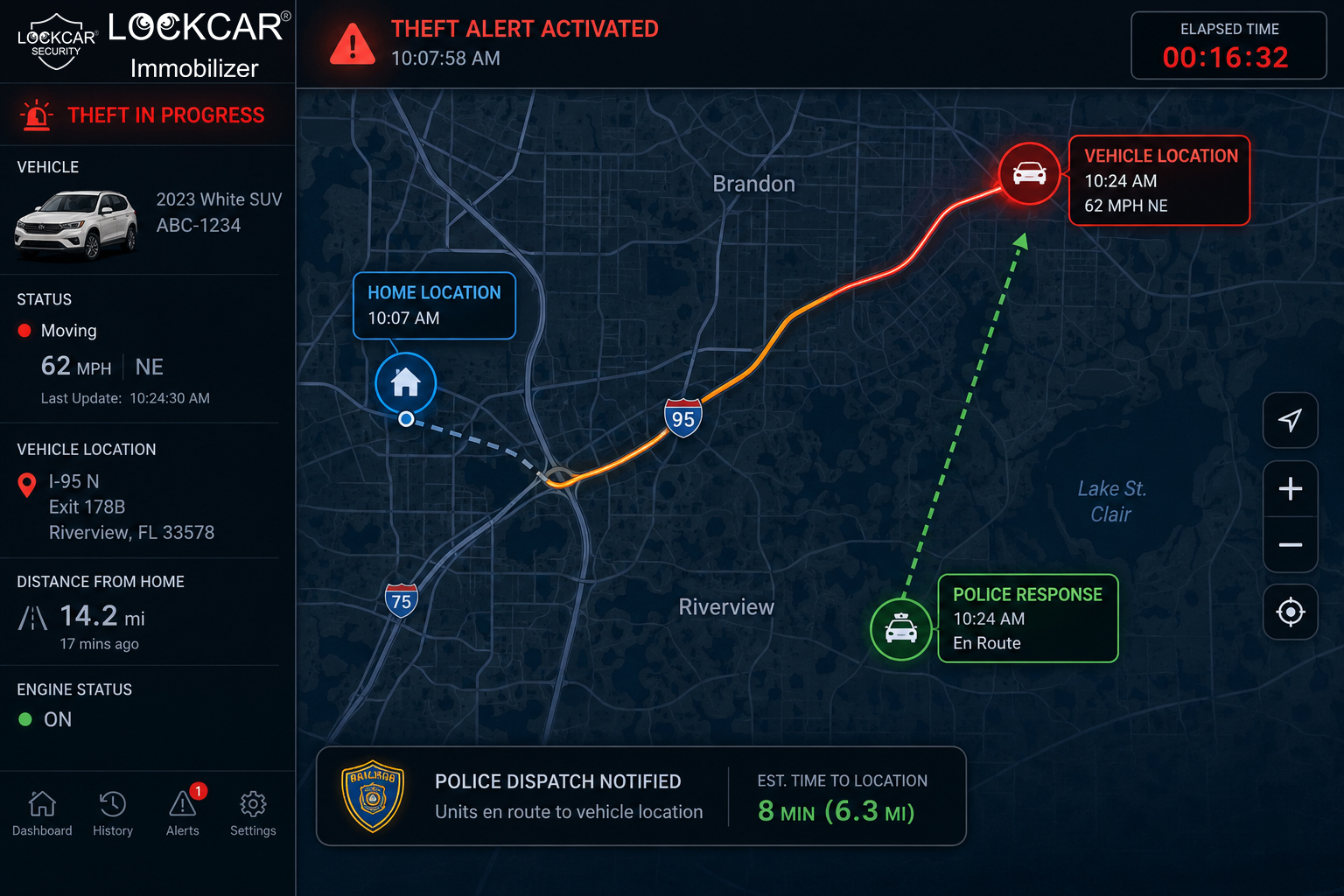
GPS vehicle tracking is genuinely valuable. A stolen vehicle with active 4G GPS tracking can be recovered faster than an untracked vehicle. Police forces with location data can direct officers to the vehicle’s position and intercept it before it reaches a chop shop or container facility. For vehicles stolen via tow-away where the engine is never started, GPS is the primary recovery tool.
The recovery rate for GPS-tracked vehicles is higher than for untracked vehicles, and the time to recovery is shorter. Specialist tracking services with 24/7 monitoring centres provide police liaison and can coordinate recovery operations more effectively than an individual vehicle owner calling 999. Thatcham Cat 5 trackers with driver recognition provide particularly effective recovery support for high-value vehicles.
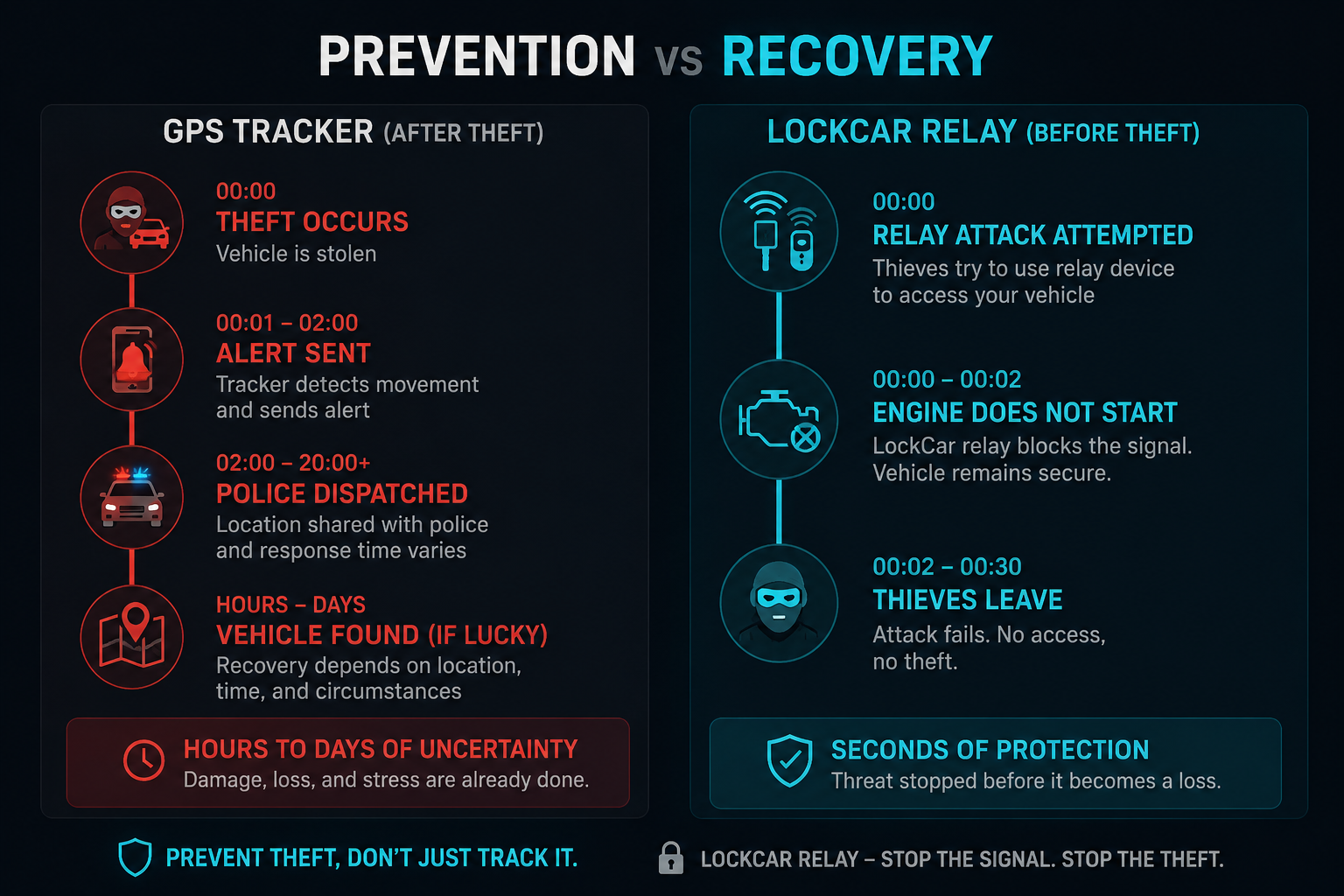
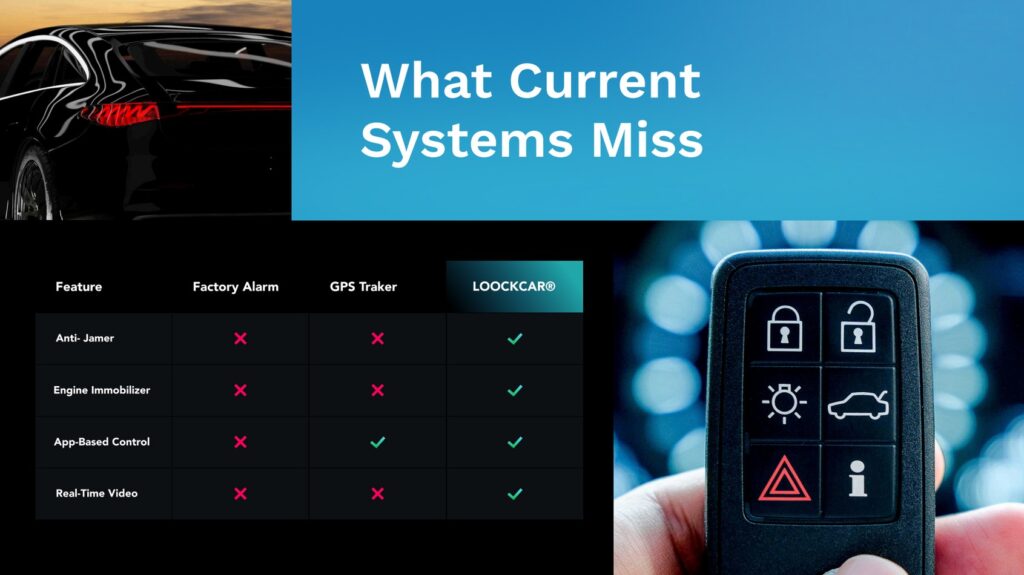
The limitations of GPS tracking for theft prevention are significant. A GPS tracker does not prevent the vehicle from starting. The vehicle is stolen, driven away, or towed to a secondary location before the GPS response can be effective. Once in a Faraday-shielded container or a GPS-blocked chop shop, the tracker may go dark. Recovery is not guaranteed even with active Cat 5 monitoring.
What a relay immobiliser does that GPS tracking cannot
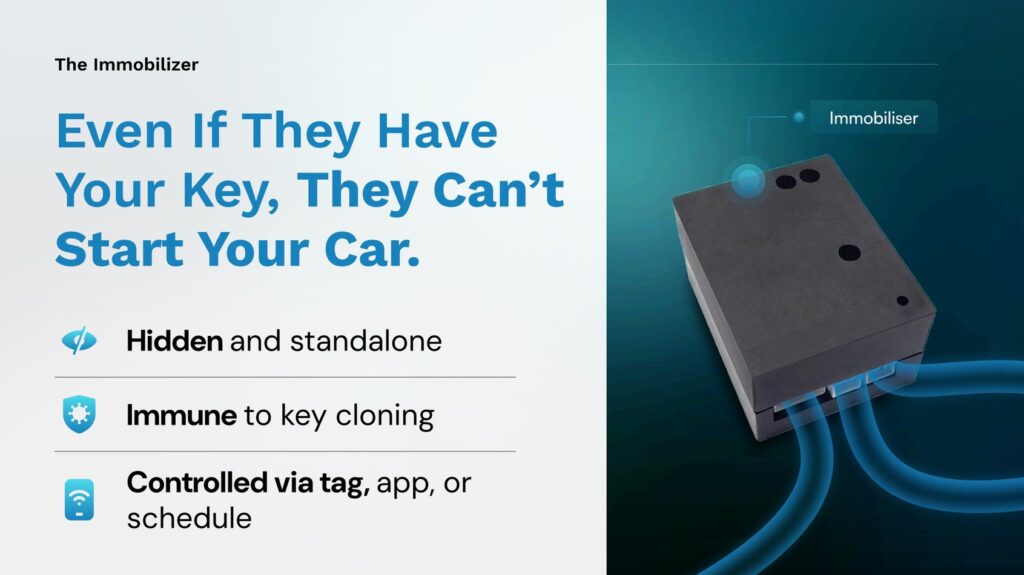
A relay immobiliser addresses vehicle theft at a fundamentally earlier point in the attack sequence. Where GPS tracking detects and responds to theft after it has started, a relay immobiliser prevents the vehicle from being started in the first place.
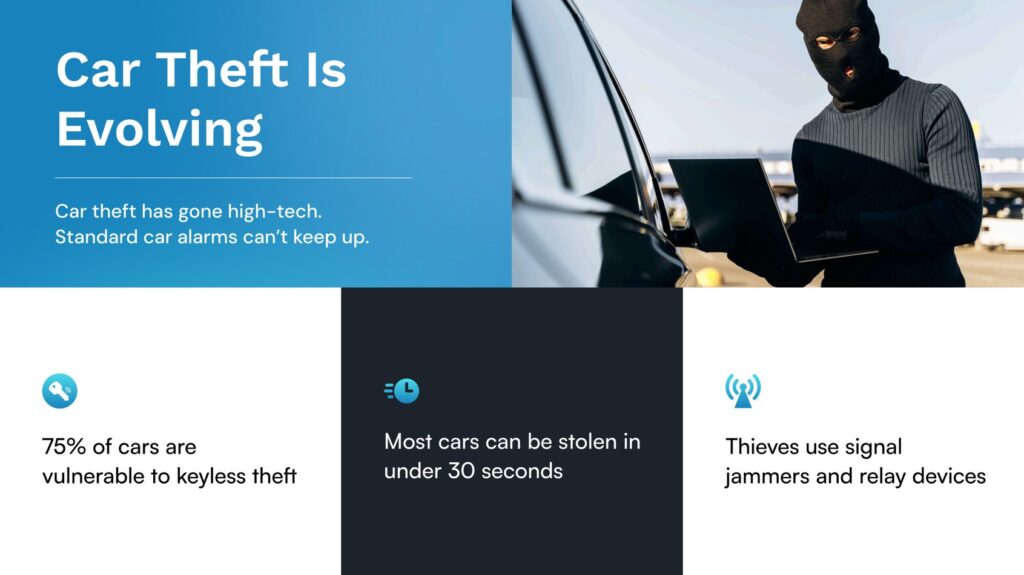
When a relay attack succeeds in satisfying the factory keyless entry and the factory immobiliser, the engine will not start because the LockCar relay in the start circuit is open. The attacker is in the vehicle, the key fob signal is being relayed correctly, every factory check has been passed, but the engine does not respond. This is a hardware outcome that no amount of relay attack capability can overcome.
Prevention Before Theft Starts
The relay immobiliser stops the attack before the vehicle moves. No police call needed. No insurance claim needed. No disruption to your schedule. The most valuable outcome of any security system.
Instant, Passive Response
There is no response time with a relay immobiliser. It does not detect theft and then respond. It makes theft physically impossible by keeping the start circuit open. No delay, no failure modes, no network dependency.
No Network Dependency
The relay break operates independently of GPS satellites, 4G networks, phone batteries, and app connectivity. Even in a GPS-dead zone with no mobile signal, the relay remains in place.
Why prevention and recovery work best together
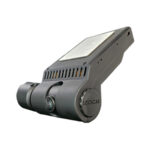
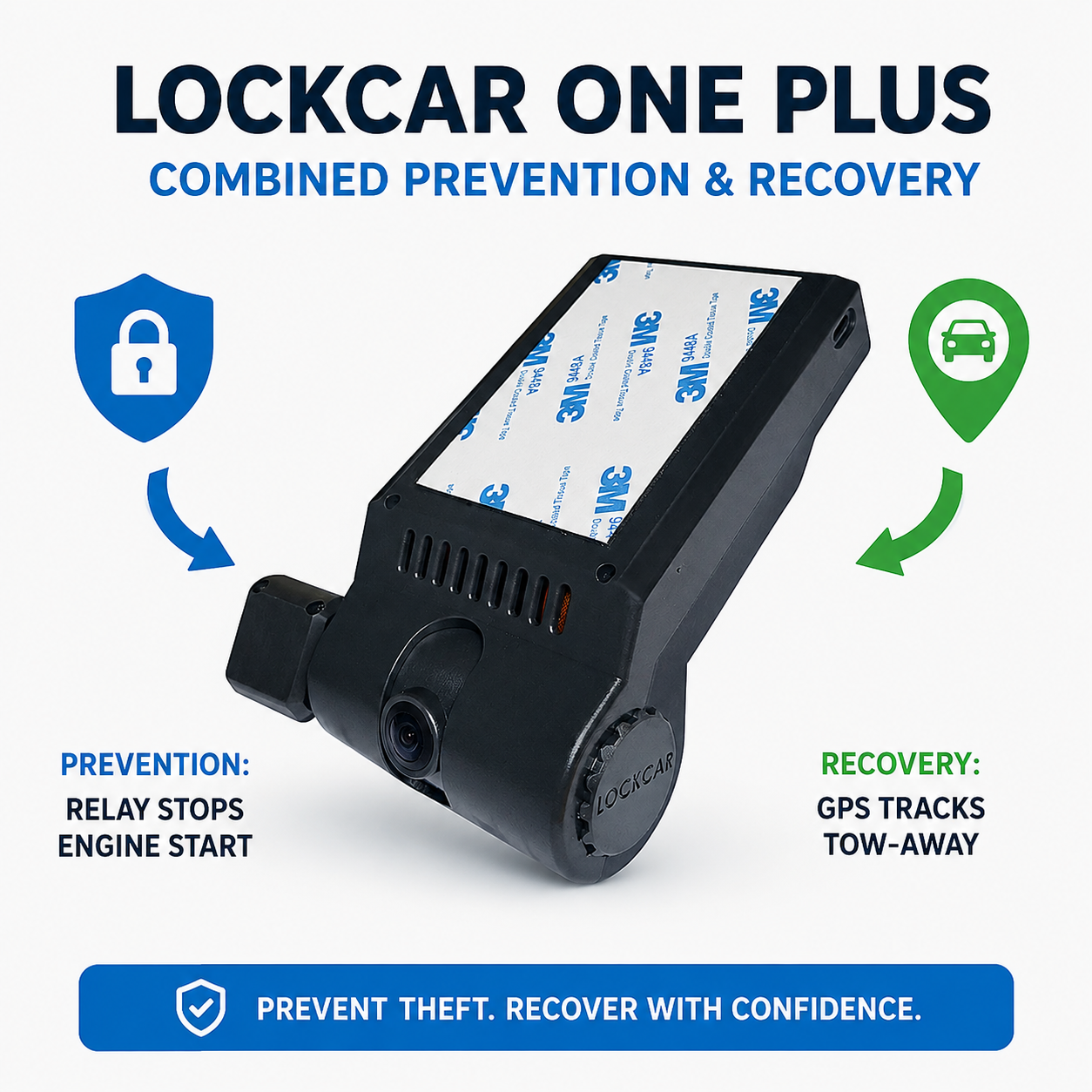
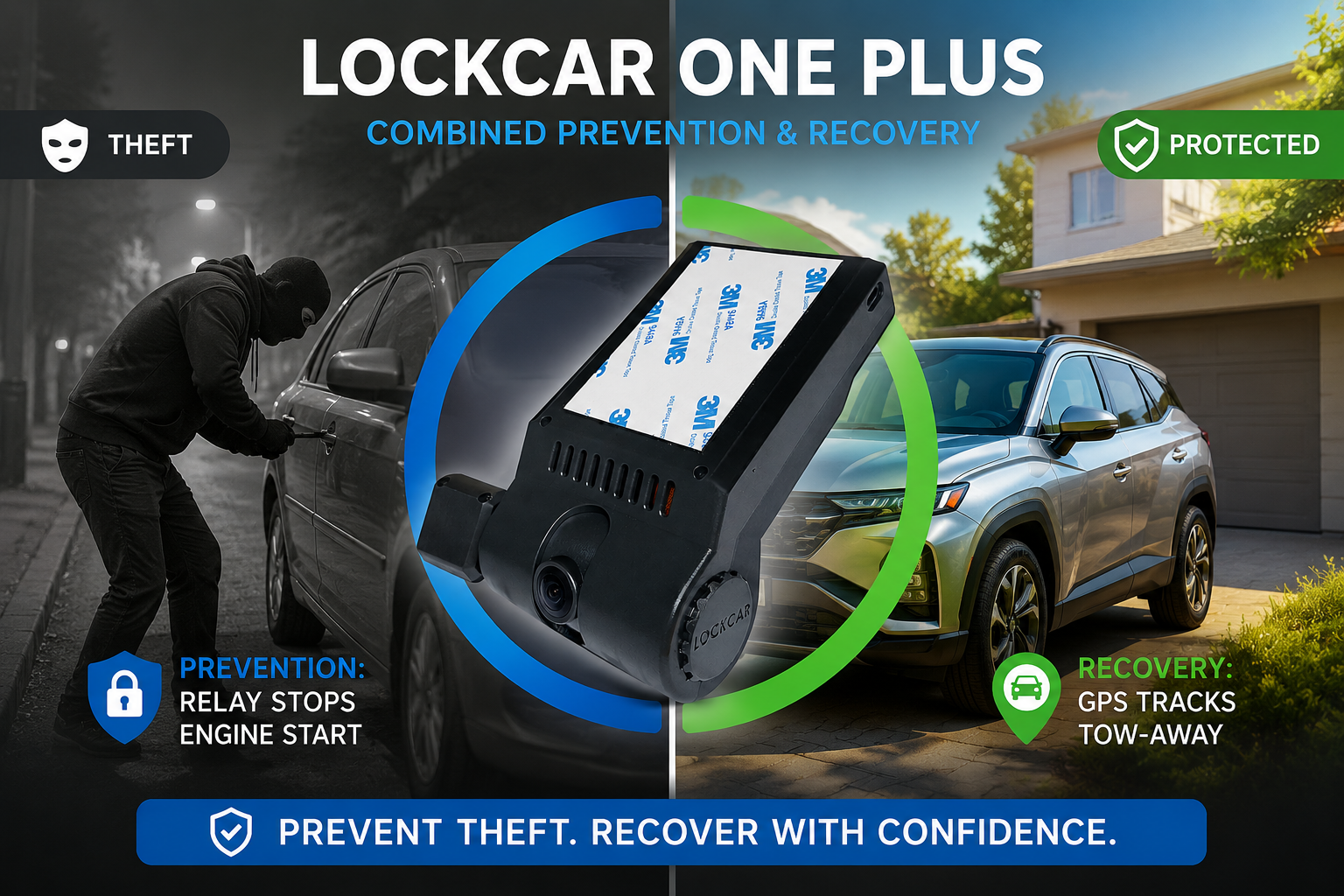
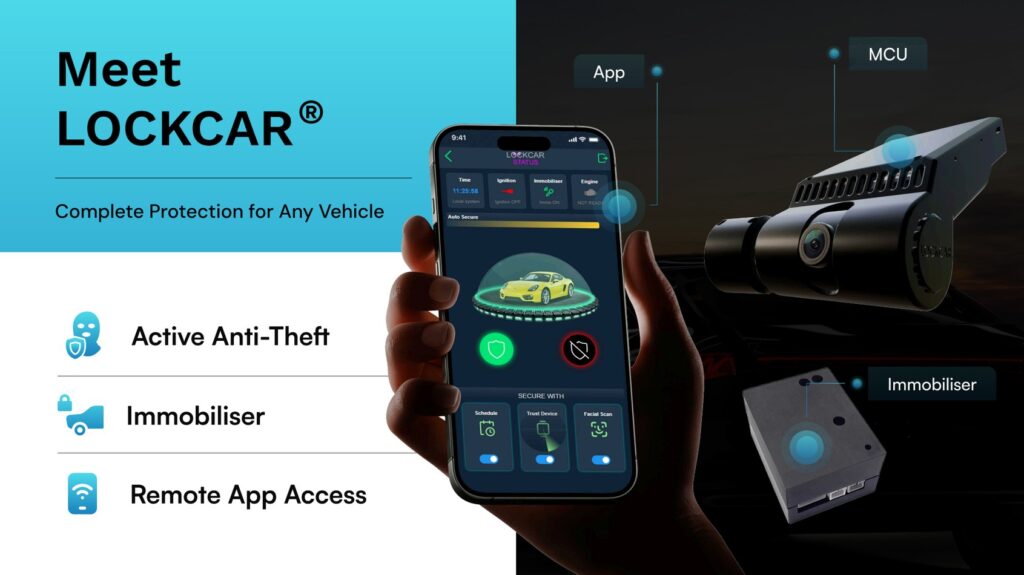
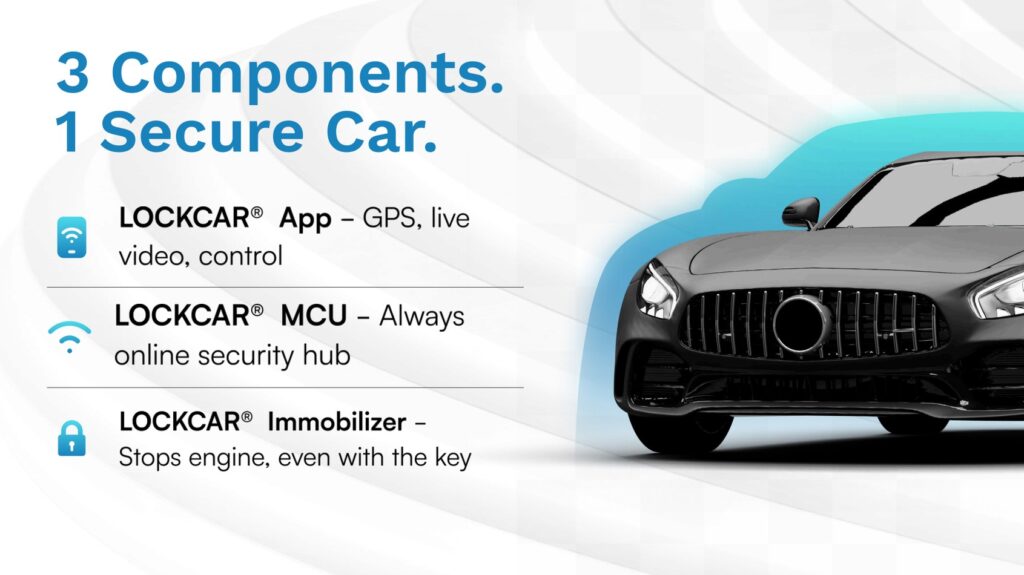
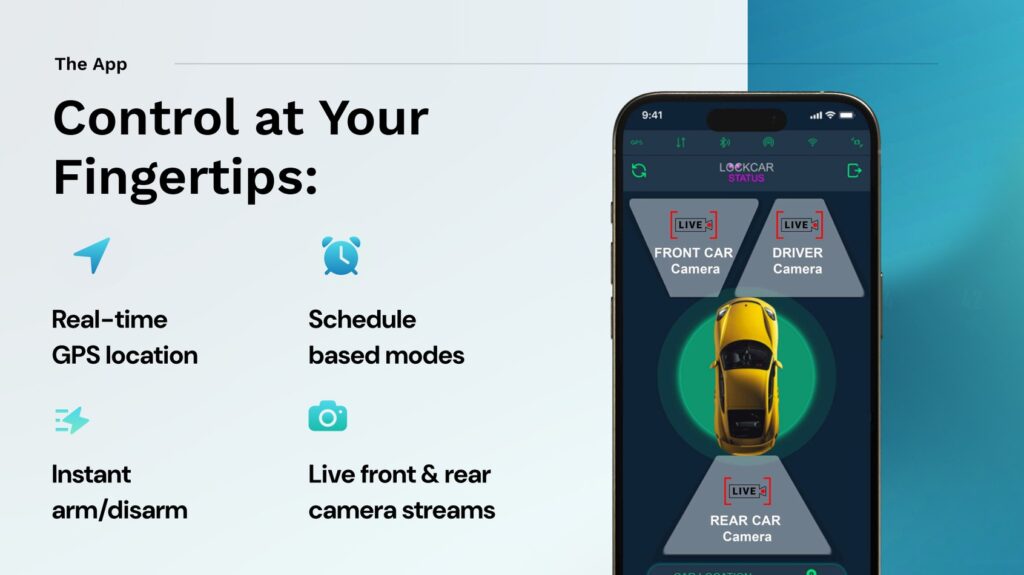
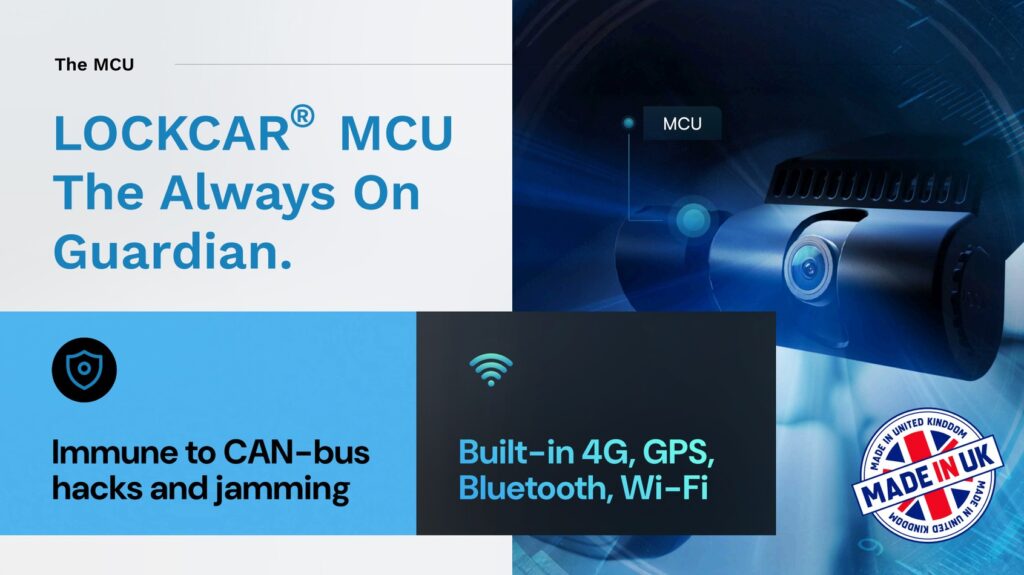
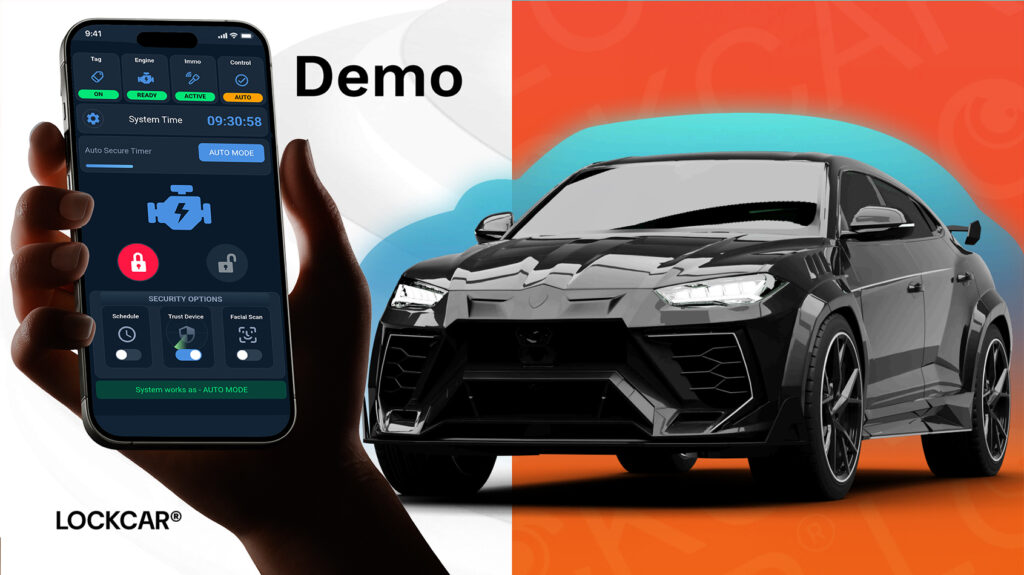
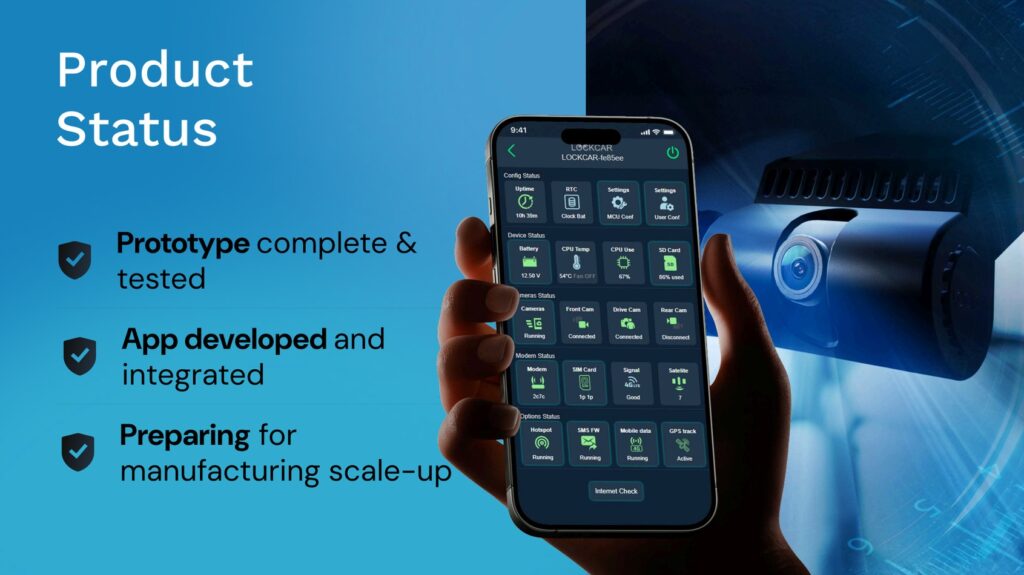
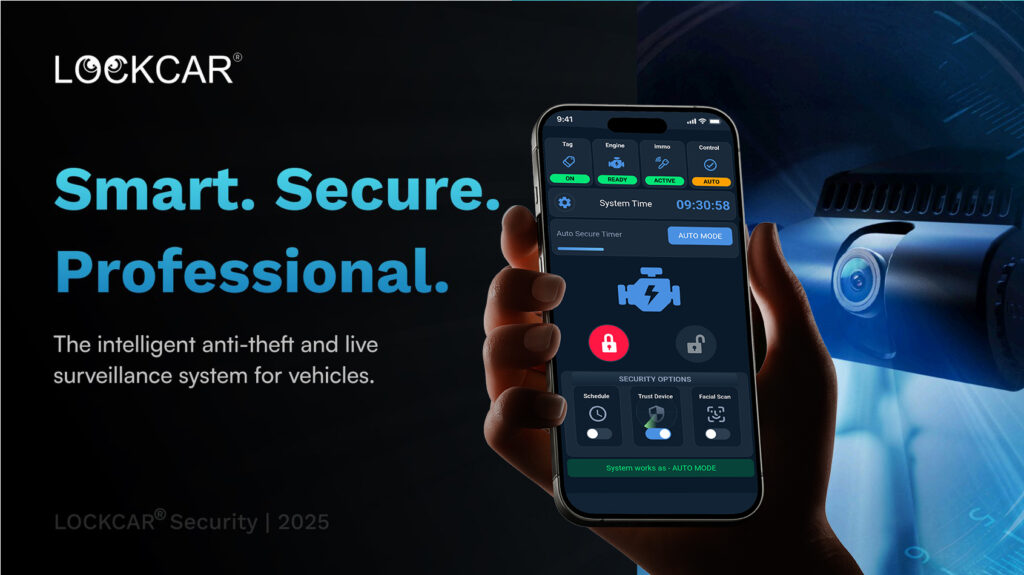
The strongest vehicle security strategy combines prevention and recovery in a single system. LockCar One Plus integrates both: the relay immobiliser provides prevention against any method that involves starting the vehicle, and the 4G GPS provides recovery capability for tow-away scenarios where the vehicle is moved without being started.
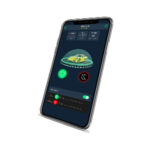
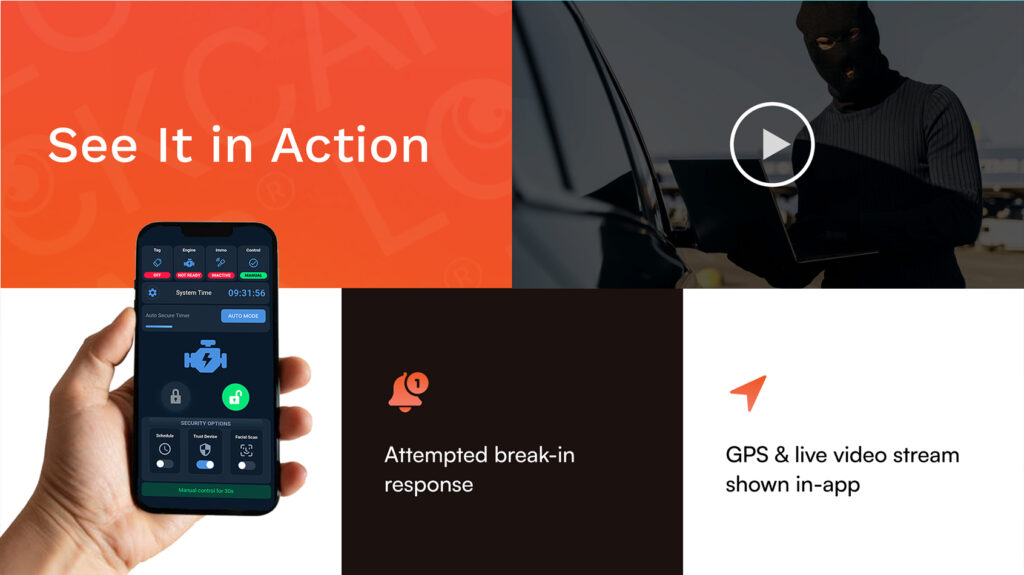
Tow-away theft cannot be addressed by a relay immobiliser alone. The relay prevents the vehicle from being started, but it cannot prevent it from being physically moved. The 4G GPS movement alert reaches the owner’s phone within seconds of the vehicle being loaded, providing a live location for police response.
For high-value vehicles in the highest-risk areas, adding a Thatcham Cat 5 tracker to LockCar One Plus adds monitoring centre and police liaison capability. The relay immobiliser stops relay theft. LockCar GPS detects tow-away. Cat 5 tracking adds monitoring centre response. The three layers together address every realistic theft scenario.
LockCar One Plus provides relay immobiliser protection for prevention alongside 4G GPS tracking for recovery in a single professionally installed device at £259. The combination of both security approaches from one product is the reason it is the most popular LockCar product for UK vehicle owners in medium to high-risk areas.
LockCar recommended for this page
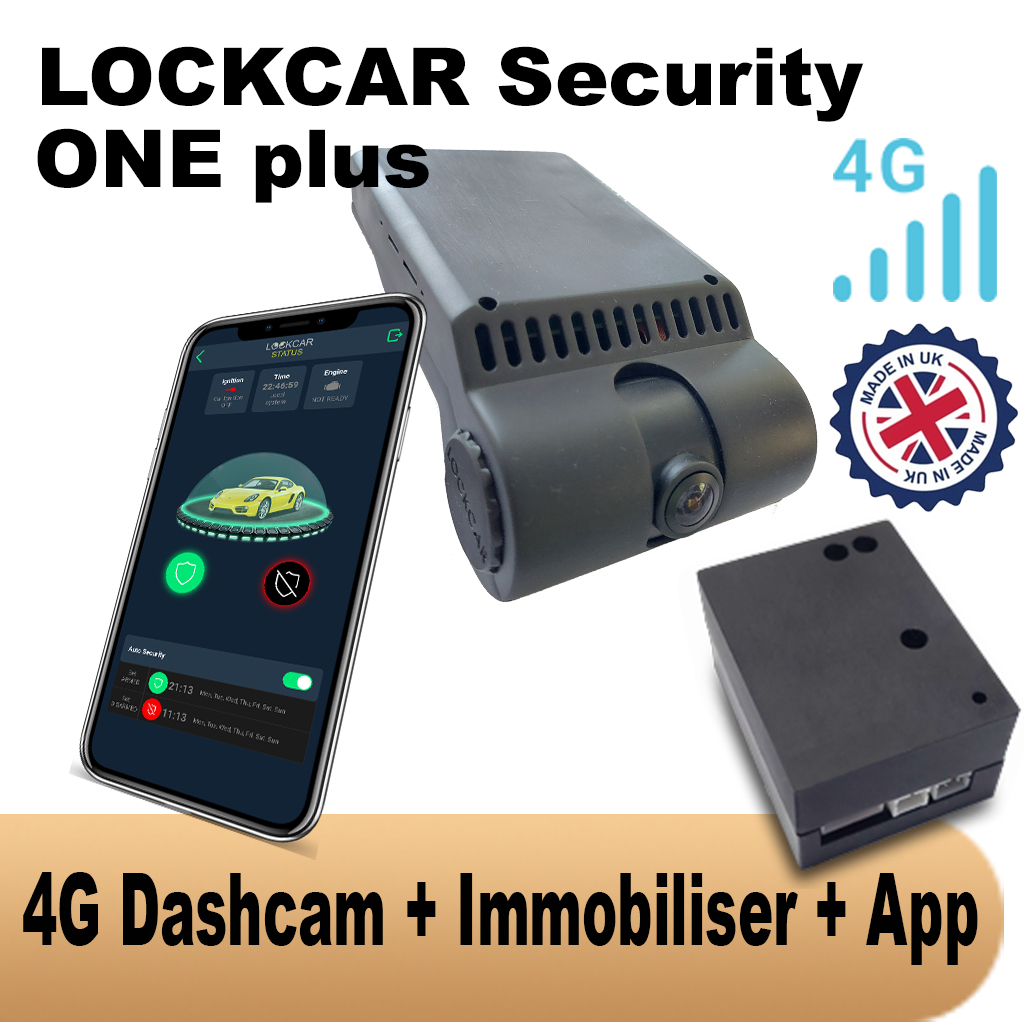
- Relay immobiliser prevents engine start from relay attack
- 4G GPS tracking for tow-away recovery capability
- Movement alerts within seconds of unexpected movement
- Live camera stream to confirm the situation remotely
- Remote immobilisation if vehicle is driven before response
- AES-128 proximity tag and app authentication
- No mandatory monthly subscription
- Physical relay break, no GPS subscription needed
- For owners who already have a separate tracker
- From £150 fitted, full insurance certificate
- All One Plus features plus driver-facing camera
- Fleet platform connectivity for business users
- The most comprehensive single-device protection
Frequently asked questions
If I already have a GPS tracker, do I still need a relay immobiliser?
Yes. A GPS tracker addresses recovery after theft. A relay immobiliser prevents theft from occurring. They address fundamentally different points in the attack sequence. A GPS tracker that is active while a relay attack is in progress will detect and report the theft. A relay immobiliser will prevent the vehicle from starting. For complete protection, both layers are needed.
What happens to LockCar’s GPS if the 4G connection drops?
LockCar One Plus logs the last known GPS position before 4G connectivity is lost and resumes accurate tracking when the connection is restored. The relay immobiliser operates independently of the 4G connection at all times. Even if the 4G module is blocked or jammed, the relay remains in place and the engine cannot start.
Can the LockCar relay be bypassed if the criminal finds the device?
LockCar installation places the relay break at a concealed location using vehicle-specific installation techniques. The relay communicates via an encrypted channel. Even if the physical device location were identified, bypassing the relay would require knowledge of the specific vehicle wiring and the ability to find and bridge the relay connection, which takes significantly more time and expertise than a standard relay attack gang carries.
Does LockCar’s prevention affect my insurance claim if theft still occurs?
No. LockCar’s insurance certificate documents the security measures fitted. If theft still occurs via tow-away, the certificate supports your claim by demonstrating that appropriate aftermarket security was installed. Many UK insurers offer premium discounts for LockCar-equipped vehicles.
Add both layers of protection to your vehicle
LockCar One Plus provides relay prevention and GPS recovery in a single professionally installed device.
YOUR CAR
CAN BE STOLEN
in under 60 seconds with no alarm triggered