




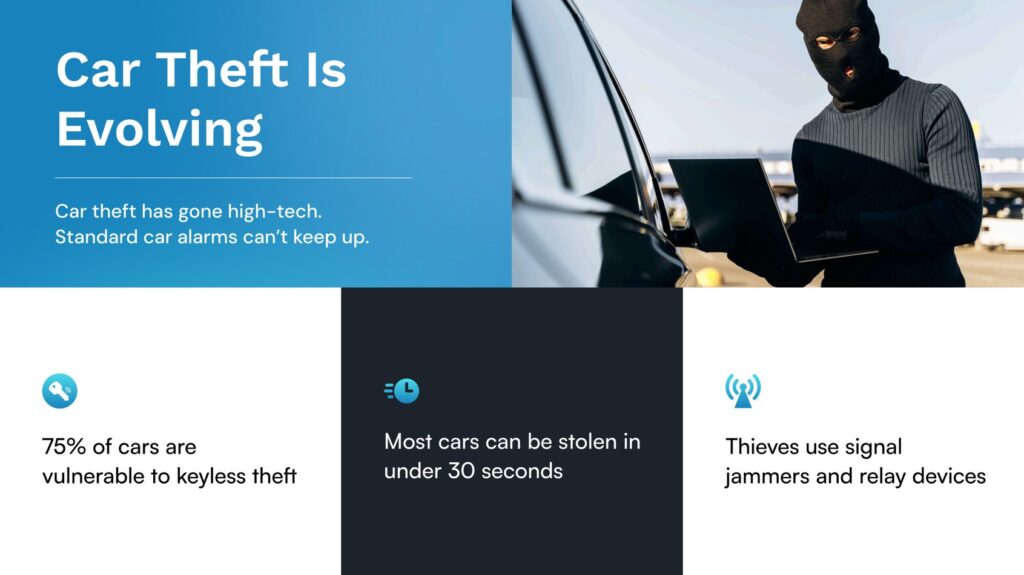
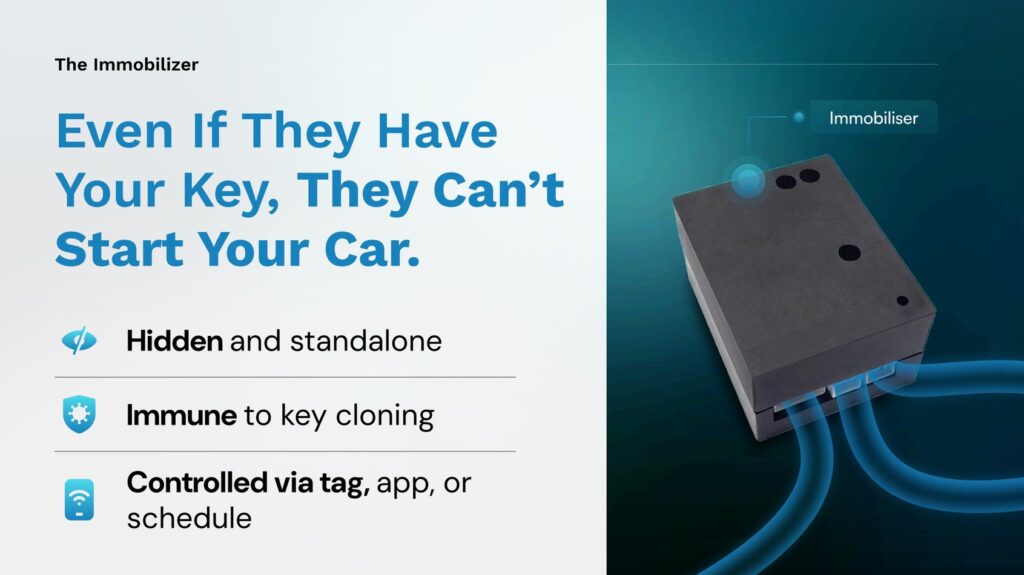

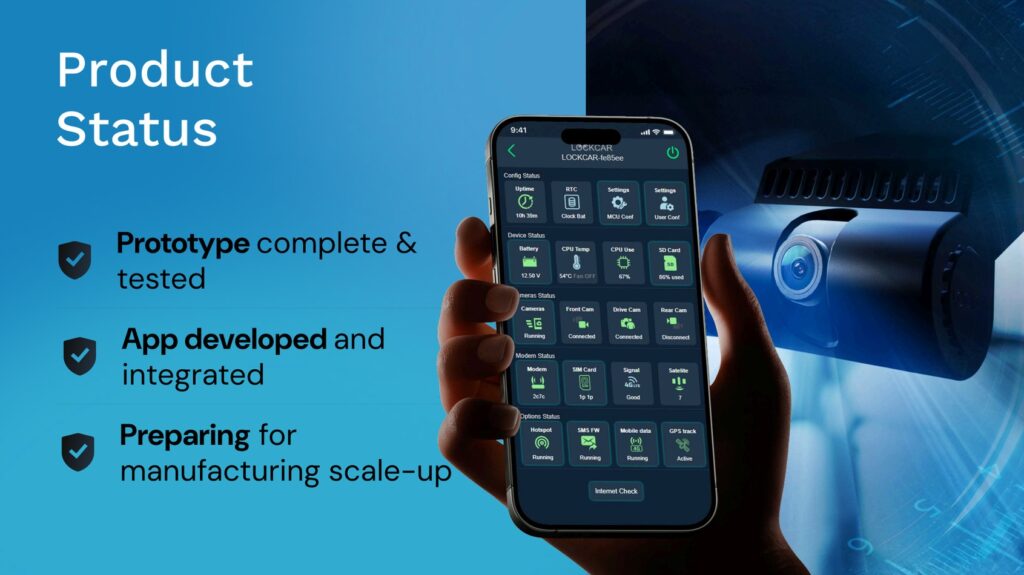
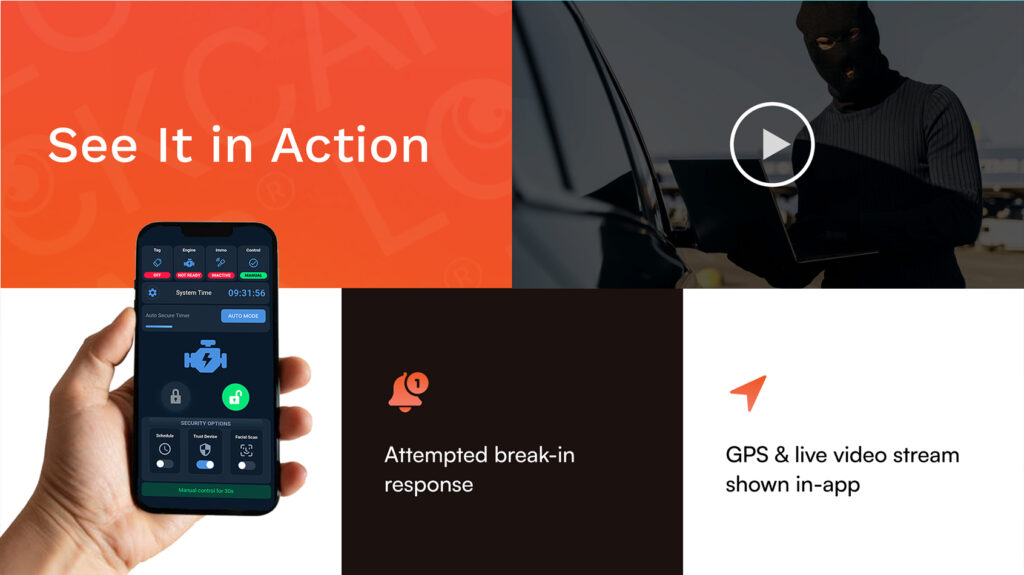

YOUR CAR
CAN BE STOLEN
in under 60 seconds with no alarm triggered
Fleet tracking for fuel efficiency, how GPS data cuts fleet fuel costs
Fuel is typically the single largest variable cost in any commercial fleet operation. GPS fleet tracking provides the behavioural and operational data that enables a structured fuel efficiency programme. Driver behaviour coaching based on GPS data reduces consumption by 15 to 30% per driver. Route optimisation based on trip history reduces total fleet mileage by 10 to 20%. Together these improvements represent the most financially significant returns from fleet GPS tracking for most UK businesses.
Fuel is typically the single largest variable cost in any commercial fleet operation. GPS fleet tracking provides the behavioural and operational data that enables a structured fuel efficiency programme. Driver behaviour coaching based on GPS data reduces consumption by 15 to 30% per driver. Route optimisation based on trip history reduces total fleet mileage by 10 to 20%. Together these improvements represent the most financially significant returns from fleet GPS tracking for most UK businesses.
Driver behaviour and fuel consumption
The relationship between driving style and fuel consumption is well established. Rapid acceleration requires more fuel to achieve speed than gradual acceleration. High-speed cruising increases aerodynamic drag and fuel consumption disproportionately at speeds above 60 mph. Harsh braking wastes the kinetic energy accumulated during acceleration, requiring more fuel to re-accelerate after stopping.
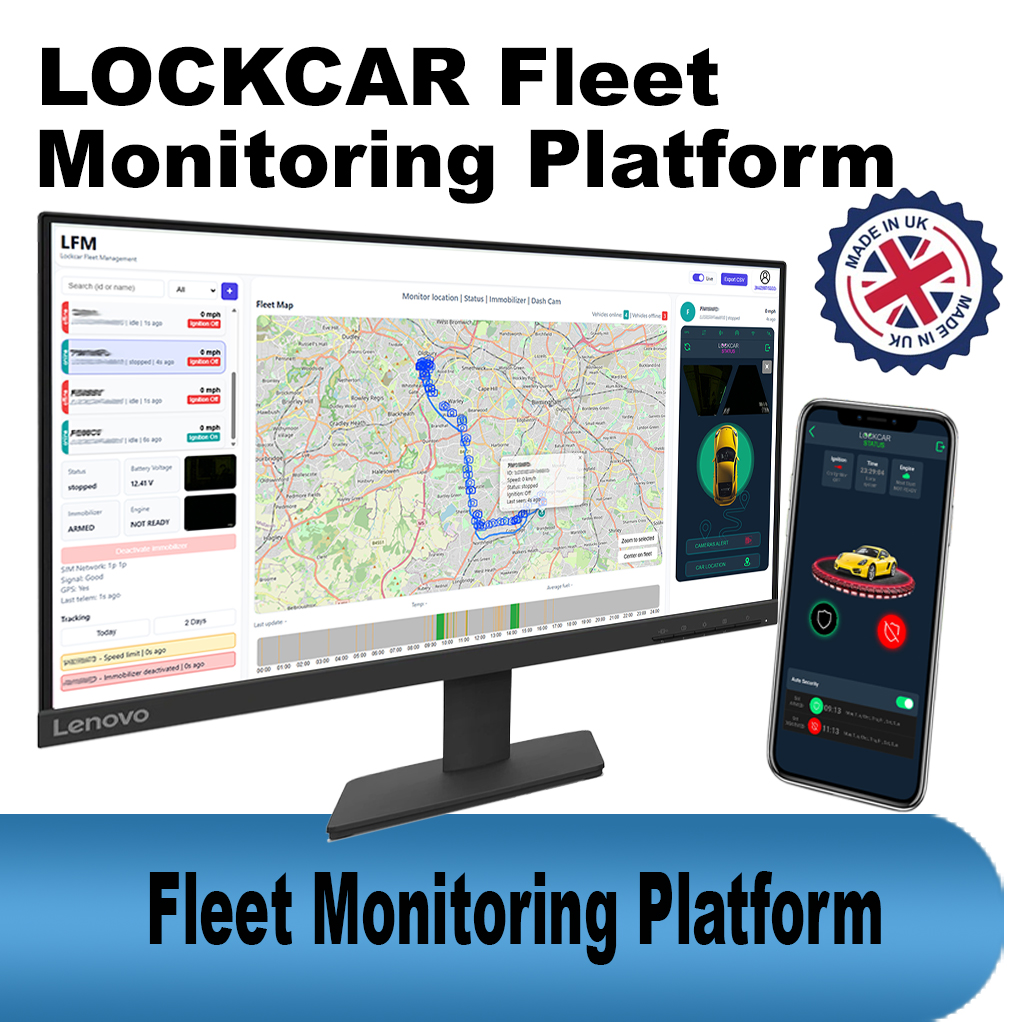
LockCar LFM identifies these behaviours through GPS-derived acceleration, deceleration, and speed data. Per-driver harsh event rates are presented in weekly reports that fleet managers use for coaching conversations. Drivers who receive specific, objective feedback about their harsh event rates improve their scores within two to four weeks, with corresponding fuel consumption reductions.
Route optimisation savings
GPS trip history reveals route patterns that are invisible without tracking. Routes that are longer than necessary due to poor planning. Return trips to depot that could be eliminated by better scheduling. Idle time at collection points or in traffic that adds to fuel consumption without advancing work completion. Each of these patterns represents fuel waste that route analysis can identify and eliminate.
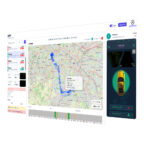
LockCar LFM route analytics are available on the web dashboard, allowing fleet managers to review trip data and identify inefficiency patterns. For fleets with consistent daily routes, historical GPS data provides the baseline against which optimised routes can be compared.
Measuring and reporting fuel savings
Implementing a fuel savings programme requires a before-and-after measurement framework. LockCar LFM provides historical data going back to the installation date, enabling fleet managers to compare fuel consumption and driver behaviour scores before and after coaching interventions. This measurement capability is essential for demonstrating ROI to business owners and for making the case for continued investment in fleet technology.
LockCar recommended products

How long does LockCar installation take?
Installation typically takes 60 to 90 minutes at your location. Our mobile engineer brings all parts and tests everything before leaving. Full documentation provided.
Does LockCar cover my area?
LockCar mobile service covers the entire UK with same-day and next-day appointments available in most areas. WhatsApp or call us to confirm availability.
Will LockCar interfere with my factory electronics?
No. LockCar uses vehicle-specific wiring procedures. All factory functions continue to operate exactly as before installation.
Book or enquire today
All vehicles, UK-wide mobile service, same-day available
WhatsApp to book Call usUK-wide