



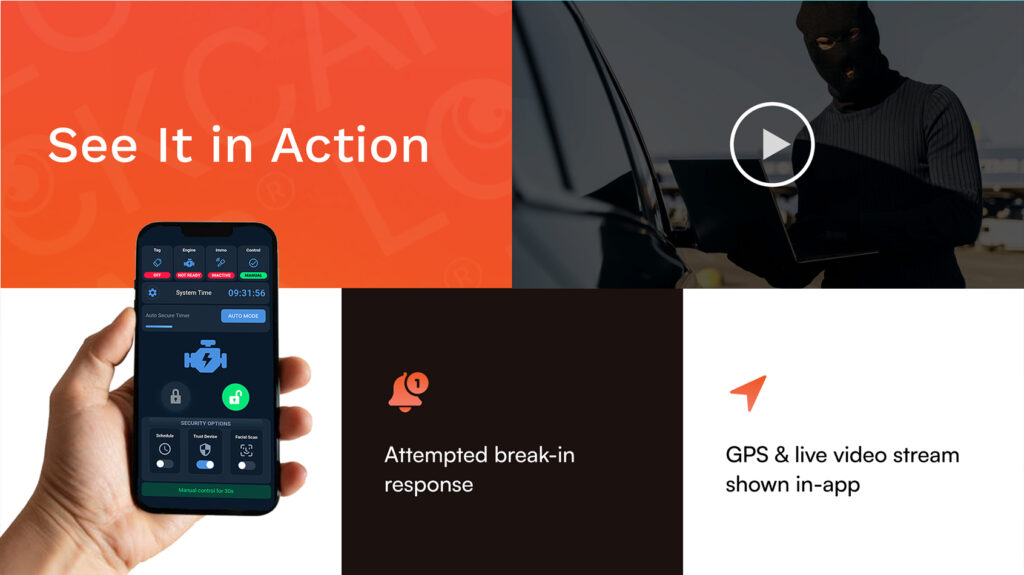
YOUR CAR
CAN BE STOLEN
in under 60 seconds with no alarm triggered
Vehicle theft prevention tips UK 2025, ranked by actual effectiveness
There is no shortage of vehicle security advice available online, but much of it fails to distinguish between measures that are genuinely effective against relay attack and those that simply create the appearance of security. This guide ranks the most commonly recommended theft prevention measures by their actual efficacy against the methods that dominate UK vehicle crime in 2025.
On this page
There is no shortage of vehicle security advice available online, but much of it fails to distinguish between measures that are genuinely effective against relay attack and those that simply create the appearance of security. This guide ranks the most commonly recommended theft prevention measures by their actual efficacy against the methods that dominate UK vehicle crime in 2025.
The ten most recommended measures and their real effectiveness
Faraday key pouch: Highly effective when the key is inside the pouch. Zero effectiveness when the key is on your person. Relies entirely on consistent use. Provides no protection against CAN bus attacks. Rating: useful supplementary measure with significant limitations.
Steering wheel lock: Effective deterrent against opportunistic theft. Provides some delay against determined gangs. Can be removed in minutes by criminals with angle grinders. No effect on relay or CAN bus attacks that steal the vehicle without needing to steer it manually off the premises. Rating: visible deterrent, limited effectiveness against organised crime.
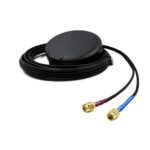
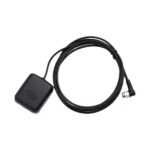
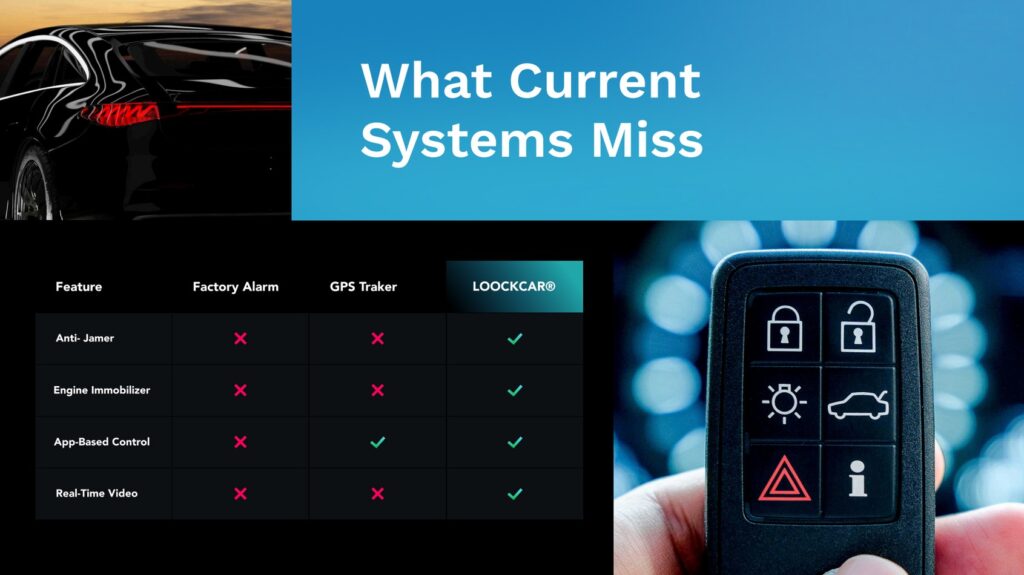
GPS tracker: Excellent recovery tool when the vehicle has mobile signal. Does not prevent theft. Can be detected and blocked by criminal counter-equipment. Recovery not guaranteed. Rating: essential secondary layer, not a primary prevention measure.
OBD port lock: Prevents CAN bus attack via the OBD port specifically. Does not prevent relay attacks or CAN bus attacks via alternative entry points such as headlight wiring. Rating: useful against one specific attack vector, insufficient as a standalone measure.
CCTV and security lighting: Effective deterrent against opportunistic crime. Organised relay gangs operate in open residential streets where CCTV is already present and are not deterred by it. Evidence capture value for post-theft investigation. Rating: good deterrent for opportunistic crime, limited effect on organised relay attack.
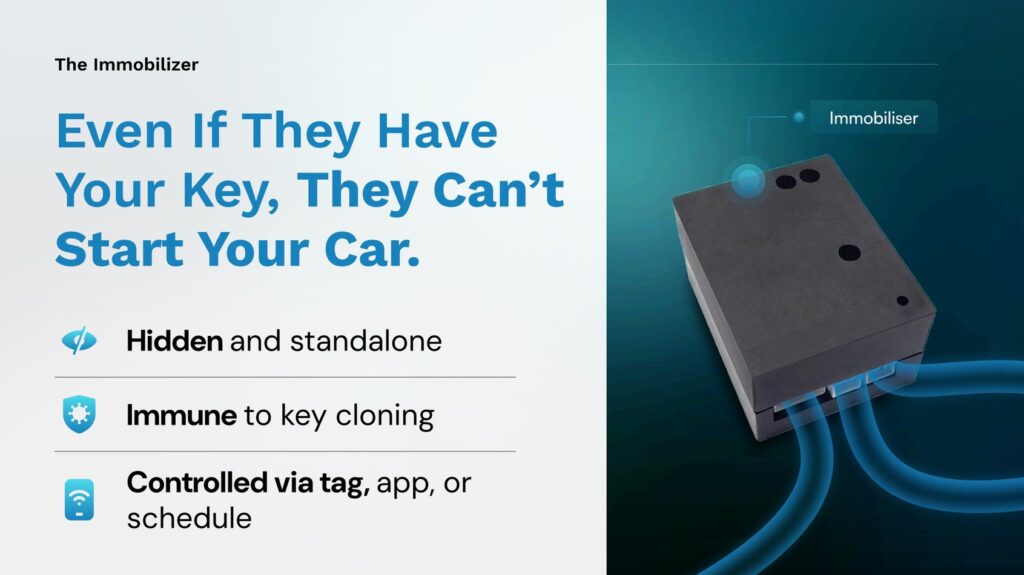
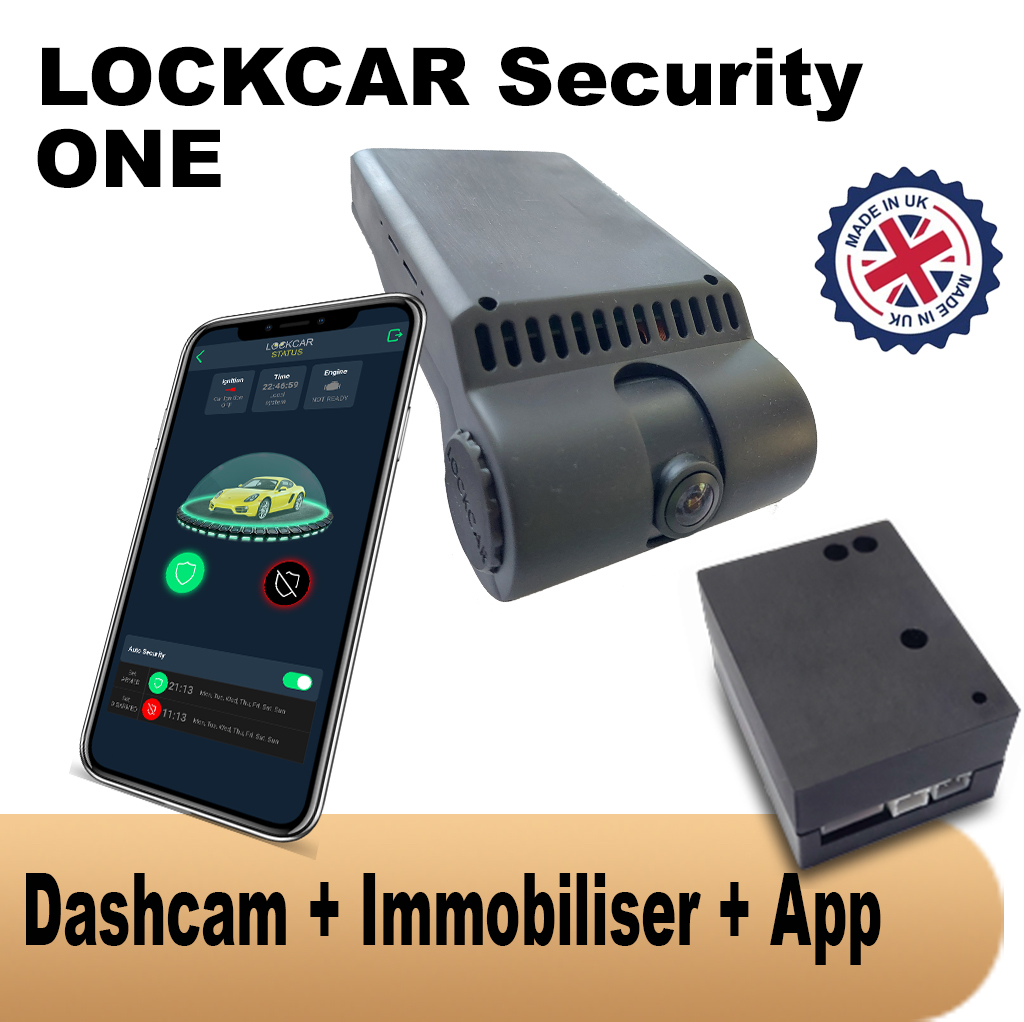
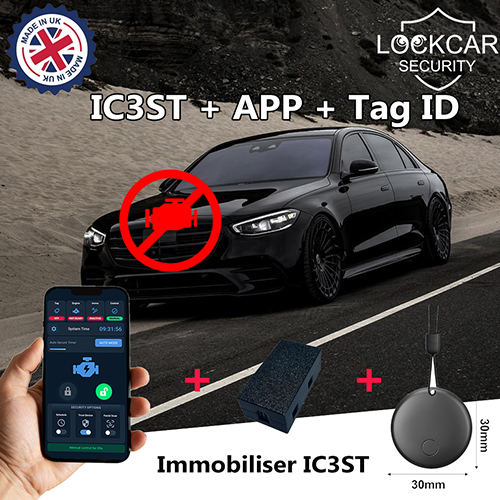
Hardwired relay immobiliser independent of the OEM system: The only countermeasure that physically prevents engine start regardless of which attack method is used. Effective against relay attacks, CAN bus injection attacks, and key cloning. Cannot be defeated electronically. No dependency on user behaviour or consistent application. Rating: the most effective single security measure available to UK vehicle owners.
Combining measures for layered security
The most effective security strategy combines a primary prevention measure with secondary deterrent and recovery tools. A hardwired relay immobiliser is the primary prevention measure, providing a physical barrier that stops theft before it completes. A Faraday pouch for key storage at home adds a useful secondary layer at negligible cost. A GPS tracker provides recovery capability for tow-away scenarios where the immobiliser cannot prevent the vehicle being moved without starting.
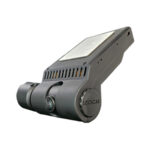
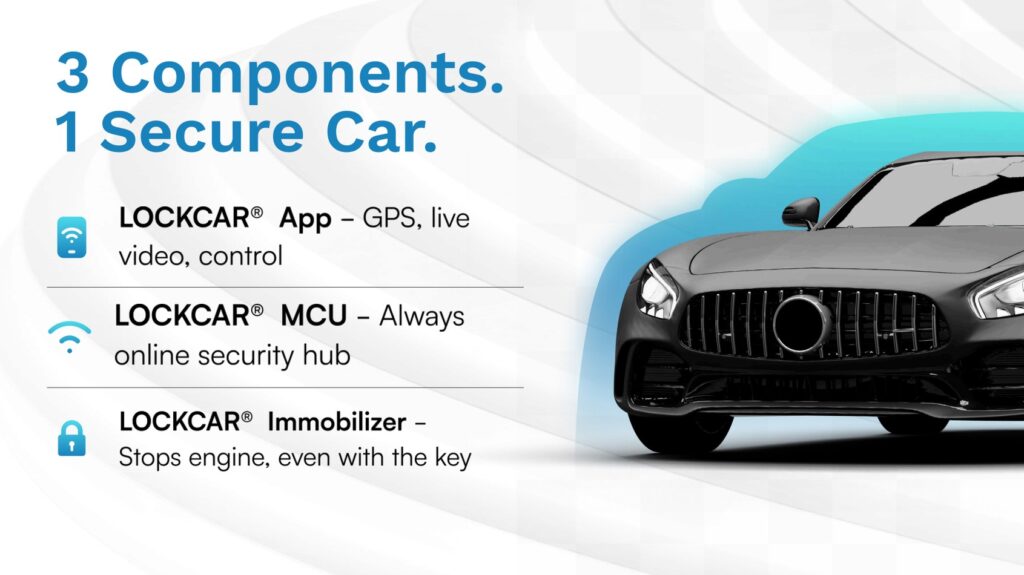
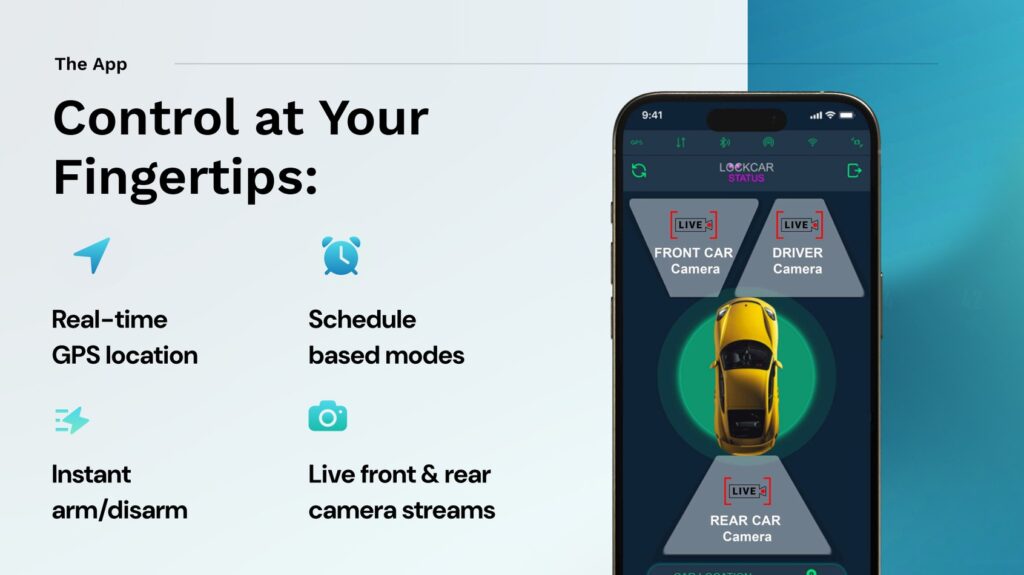
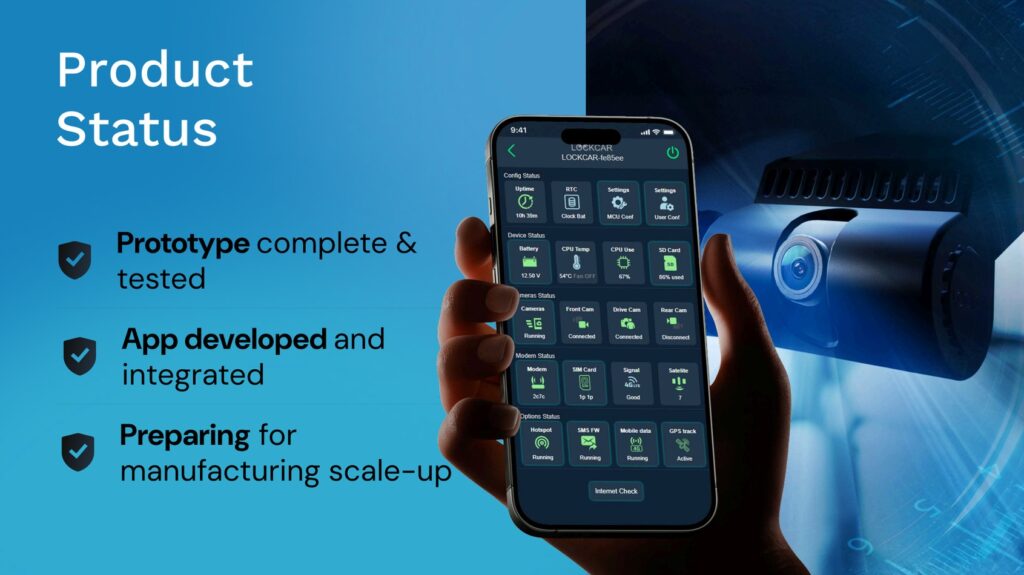
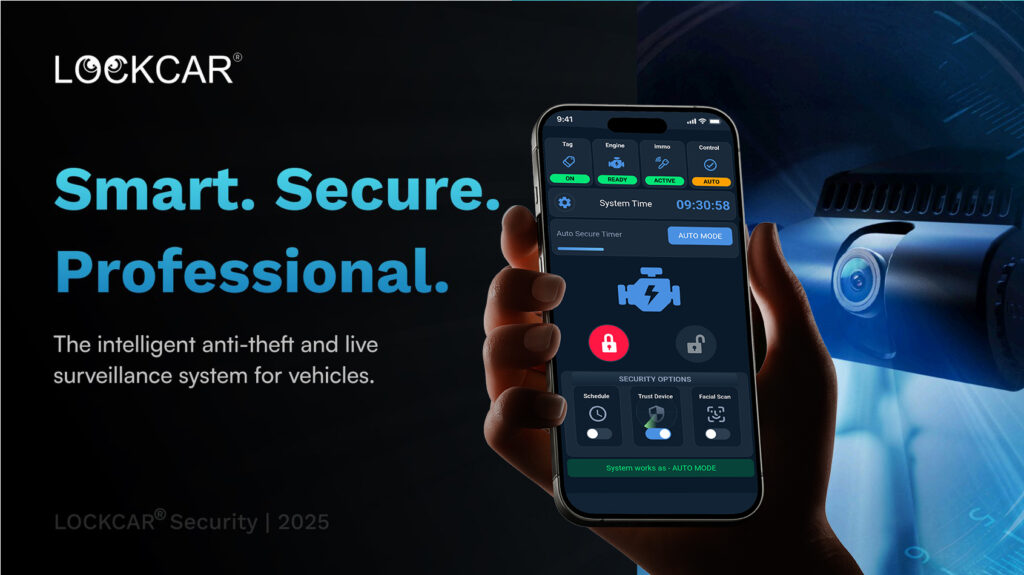
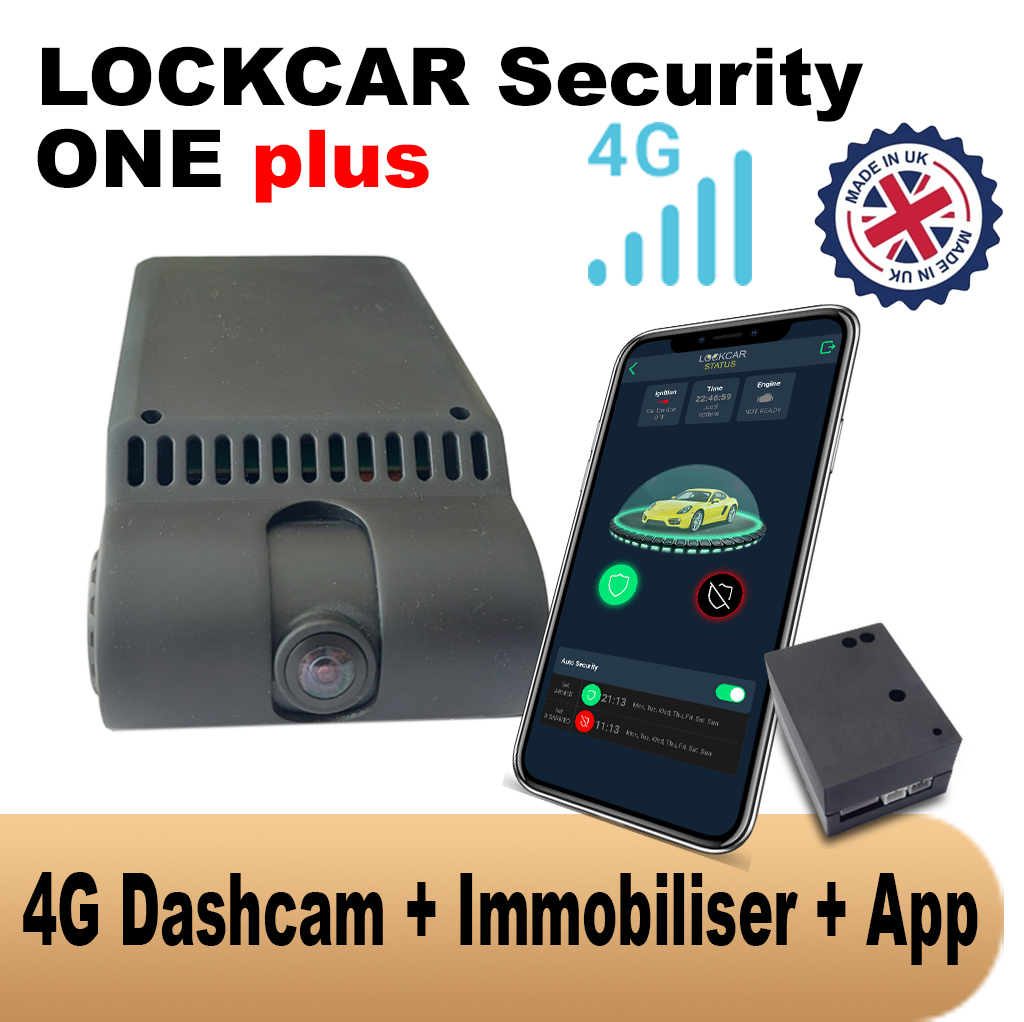
For high-risk vehicles in high-risk postcodes, adding a LockCar One Plus provides all three layers simultaneously: the hardwired relay break for prevention, 4G GPS for recovery, and live camera for evidence. This combination addresses every significant theft scenario currently occurring in UK police data without requiring multiple separate products or subscriptions.
How LockCar stops this threat
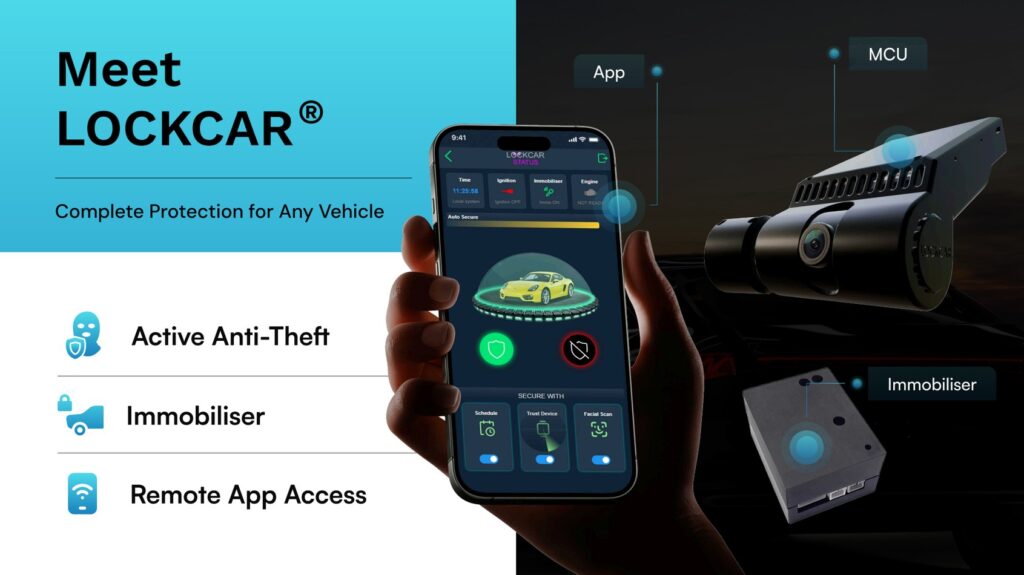
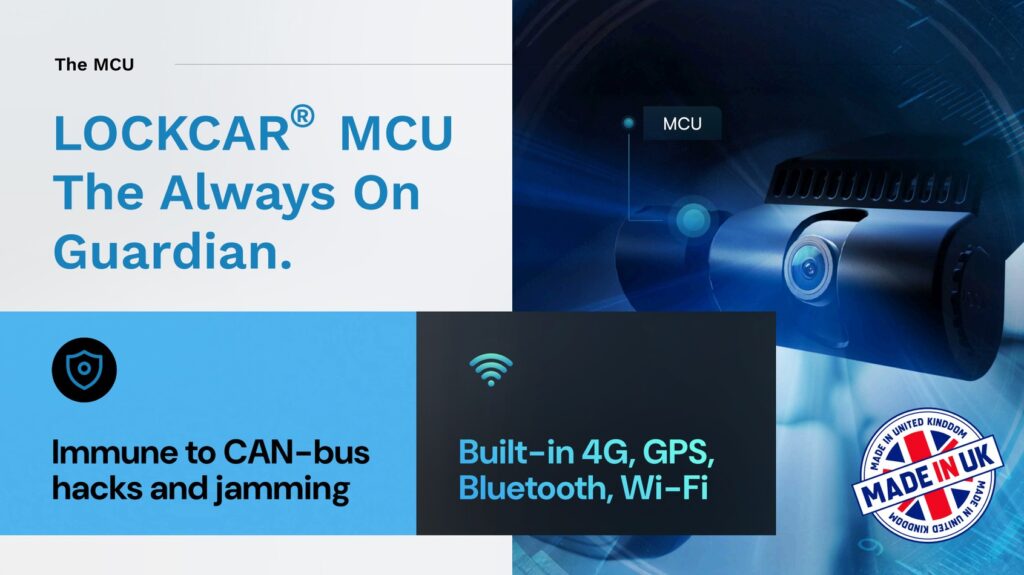
LockCar installs a hardwired relay break in the vehicle start circuit. This break is positioned downstream of the factory immobiliser, the OBD port, and the CAN bus. Even after a successful relay attack or CAN bus injection, the engine will not start because the LockCar relay is open. Closing it requires a second, independent encrypted authentication that relay equipment cannot replicate. LockCar is designed and manufactured in the United Kingdom and installed by mobile engineers at your location.
LockCar recommended products
How long does LockCar installation take?
Installation typically takes 60 to 90 minutes. Our mobile engineer brings all parts and equipment to your location. The system is fully tested before the engineer leaves and you receive documentation on the same day.
Will LockCar interfere with my vehicle factory electronics?
No. LockCar installation uses vehicle-specific wiring procedures and connects at the start circuit in a way that is invisible to the factory CAN bus, ECU, and all other electronic systems. All factory functions continue exactly as before.
Does LockCar cover my area?
LockCar mobile service covers the entire UK. Same-day and next-day appointments are available in most areas. WhatsApp or call us to confirm availability and book at your preferred location.
Can I get insurance documentation after fitting LockCar?
Yes. Every LockCar installation comes with a full certificate including device serial number, installation date, vehicle registration, and a technical description of the relay break mechanism. This is accepted by the majority of UK insurers for discount applications.
Book your installation today
All vehicles, UK-wide mobile service, same-day available
WhatsApp to book Call usUK-wide