


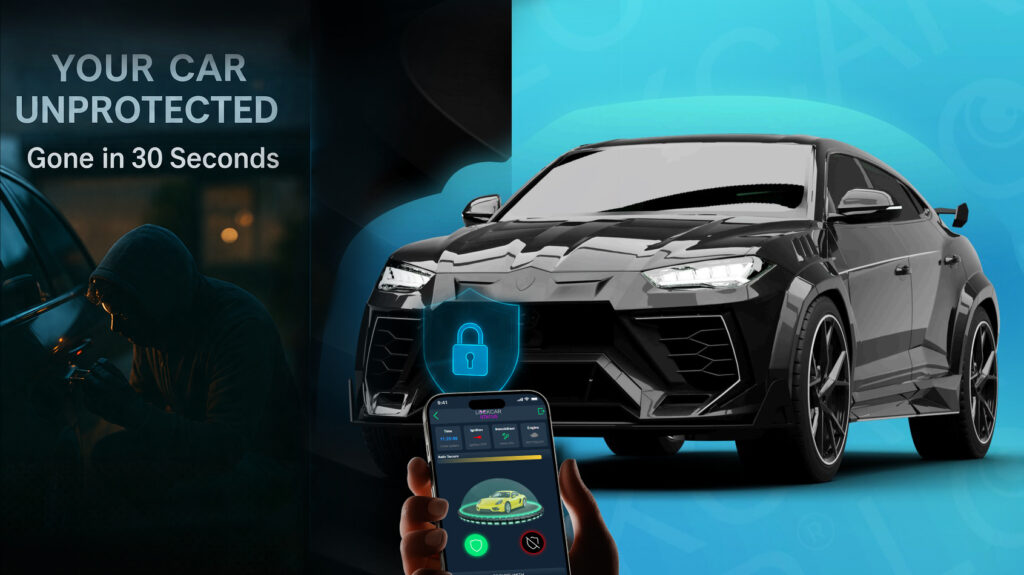

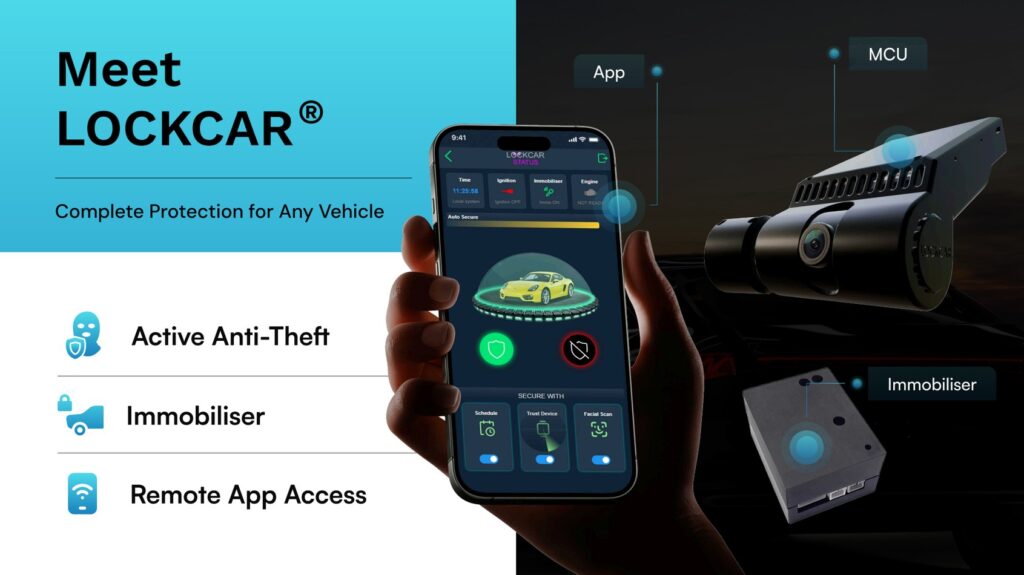
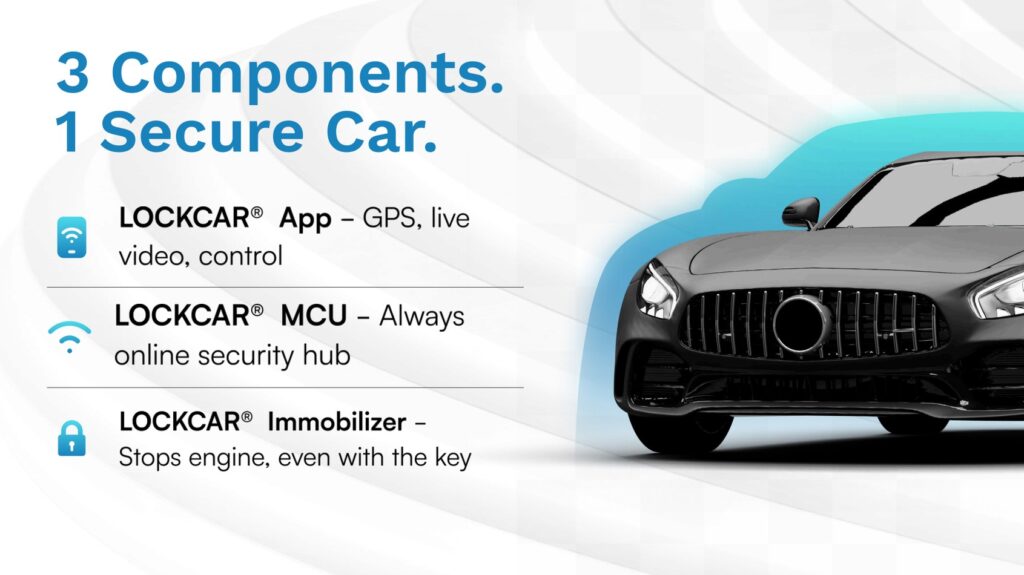
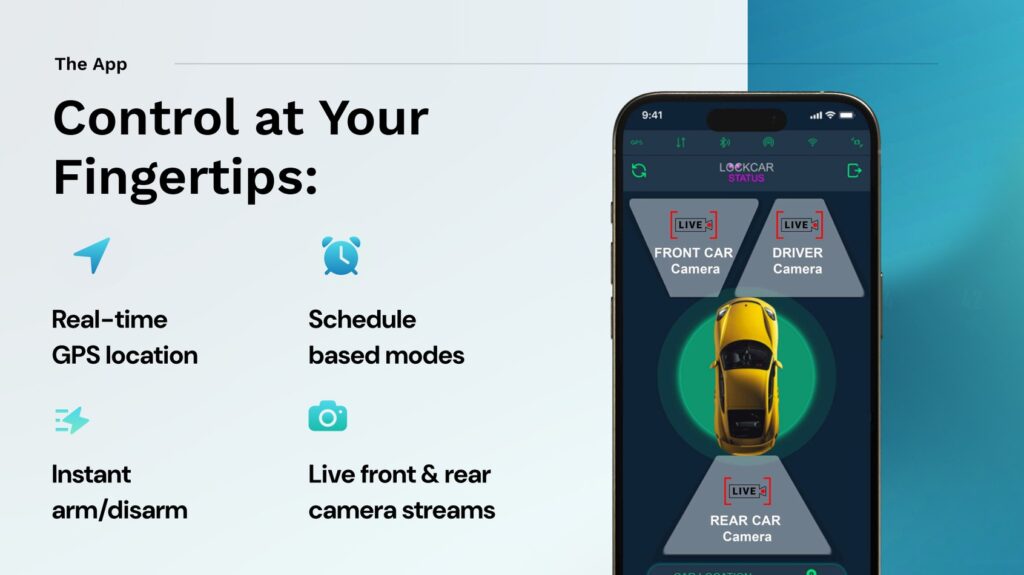
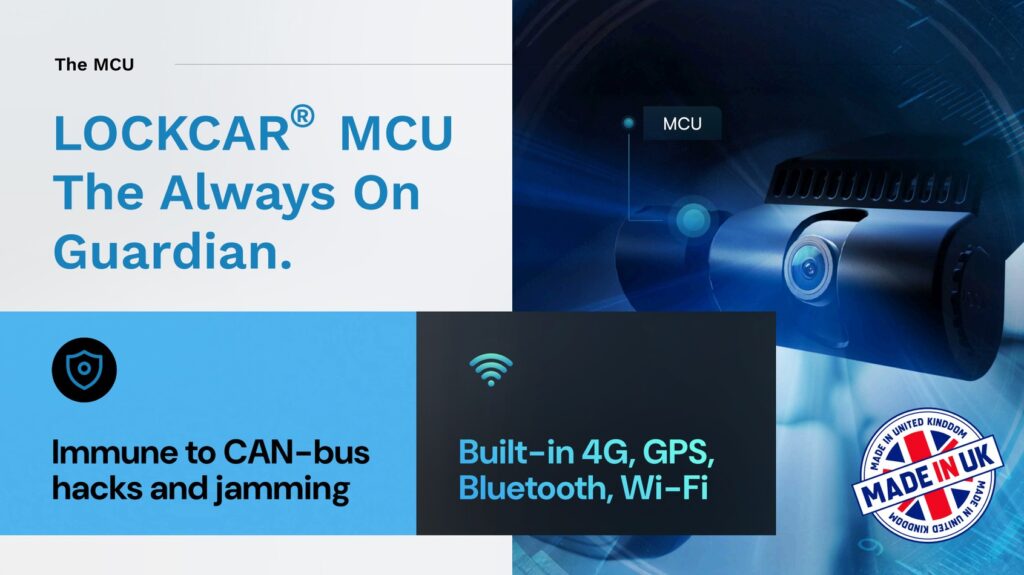


YOUR CAR
CAN BE STOLEN
in under 60 seconds with no alarm triggered
Keyless car theft UK statistics 2025
The data paints a clear picture. The West Midlands recorded 5,413 stolen vehicles in 2024 – the highest in the UK. Relay attacks now account for the majority of new vehicle crime in urban areas. Land Rover sits at 32 thefts per 1,000 registered vehicles. This page presents the current state of keyless vehicle theft in the UK, the regions and models most at risk, and the one intervention that the statistics show makes a measurable difference.
On this page
Vehicle crime data in the UK is compiled from Freedom of Information requests to police forces, DVLA registration records, and insurance industry claims data. The picture that emerges for 2024 and into 2025 is of a vehicle theft epidemic concentrated in the Midlands, Greater Manchester, and London – driven almost entirely by relay and CAN bus attacks on keyless-entry vehicles. LockCar presents the key statistics here, with sourcing notes, to help UK vehicle owners make informed decisions about the level of protection their vehicle actually requires.
National vehicle theft picture 2024
Over 34,000 stolen vehicles were seized from UK roads in 2024, according to data gathered through Freedom of Information requests to UK police forces. This represents a continuation of the upward trend that began in 2017–2018 when relay attack equipment became widely available at consumer-accessible price points. The total number of vehicle thefts – including those not subsequently recovered – is substantially higher, as the 34,000 figure reflects only seized and recovered vehicles.
The insurance industry data tells a complementary story. Vehicle theft claims across UK personal and commercial lines have risen in cost significantly, driven both by higher vehicle replacement values and by the increasing frequency of high-value models being targeted. Some insurers reported a 25–40% increase in vehicle theft claims for specific high-risk makes in 2024 compared to 2022.
The economic impact extends beyond direct insurance costs. Operational disruption for businesses, secondary tool and cargo losses from commercial vehicles, and the personal distress experienced by theft victims create a social cost that significantly exceeds the headline insurance payout data. For tradespeople and small businesses, vehicle theft is consistently cited as one of the most financially damaging crime categories they face.
Worst regions for vehicle theft UK
The West Midlands recorded the highest number of stolen and recovered vehicles in the UK in 2024, with 5,413 vehicles – representing 22% of all seized cars nationally. This extraordinary concentration reflects the region’s combination of high vehicle ownership, major motorway access for theft gangs, and the density of organised crime networks with established chop shop infrastructure across Birmingham, Coventry, Wolverhampton, and the Black Country.
Greater Manchester ranked second with 3,757 recovered stolen vehicles. South Yorkshire came third with 2,909. The M1, M6, and M62 motorway corridors are the primary arterial routes used by theft gangs to move stolen vehicles between cities and to coastal export ports. Police forces in these regions have coordinated operations targeting organised vehicle crime, including the West Midlands Police day of action in December 2024 that resulted in multiple arrests and the discovery of chop shop operations in Wolverhampton and Dudley.
London, despite its large population and high vehicle density, ranks below the West Midlands and Greater Manchester on total recovered vehicles – partly due to the density of ANPR (Automatic Number Plate Recognition) cameras and CCTV infrastructure that makes operating in central London riskier for organised gangs. Outer London boroughs, particularly those with M25 access, are higher risk than central areas.
The West Midlands general crime rate is 40.8 offences per 1,000 people – over 17% higher than the national average. For vehicle crime specifically, the region accounts for 22% of all nationally seized stolen vehicles despite representing approximately 10% of the UK vehicle population.
Most stolen car brands and models
Land Rover remains the most stolen vehicle brand by rate per registration, with 32 thefts per 1,000 registered vehicles across the West Midlands region – even after a 31% year-on-year decline from 2023 levels. The decline is attributed in part to increased aftermarket security fitment among Land Rover owners, but the base rate remains far higher than any other brand.
Toyota has seen the largest percentage increase in theft rates, with models including the RAV4, Land Cruiser, and Hilux significantly increasing their appearance in police theft data. BMW, Jaguar, and Nissan also showed increased theft rates in 2024. Lexus and Mercedes remain consistently high-risk across multiple years. Ford models – particularly the Transit, Kuga, and Ranger – account for the highest absolute volumes due to their dominant market share.
Within the Land Rover family, the Range Rover Sport, Range Rover Vogue, and new Defender L663 are the most targeted. The Discovery 5 and Discovery Sport have also shown increased theft rates as their keyless entry systems become the standard configuration. Older Freelander and Defender models without keyless entry are significantly less targeted via relay attack, though they remain vulnerable to traditional methods.
Relay attack trends 2024–2025
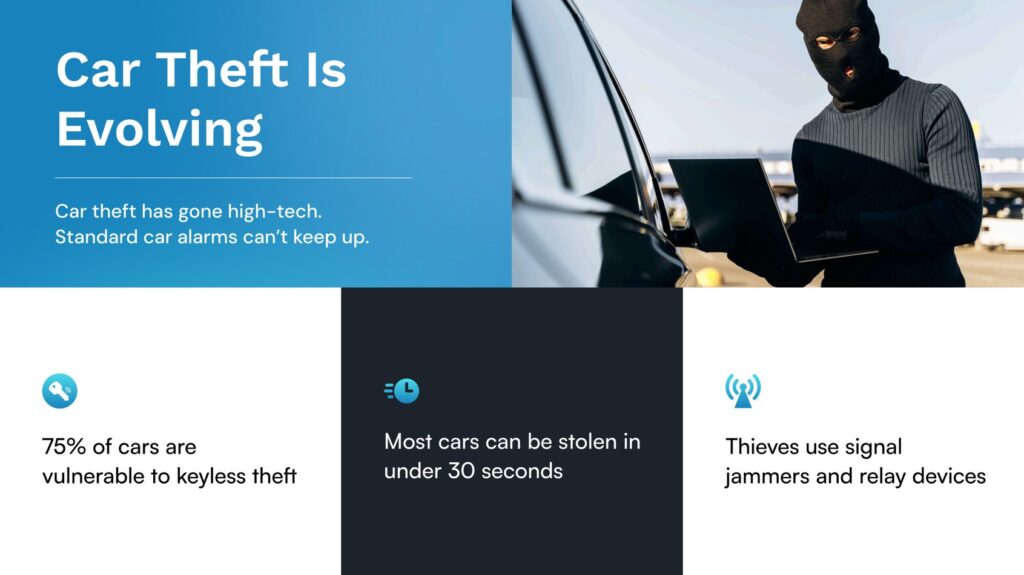
Relay attack equipment costs have continued to fall. Entry-level devices capable of amplifying key fob signals across a typical residential driveway are now available on criminal markets for under £100. More sophisticated multi-relay systems capable of operating over greater distances – allowing attacks on vehicles parked further from properties – are available for £200–500. The low barrier to entry means relay attacks are no longer limited to highly organised professional gangs; opportunistic criminals with minimal technical knowledge can now execute successful attacks.
The technique is evolving. Early relay attacks required one person within a few metres of the property and one at the vehicle. Newer equipment allows greater operating distances, reducing the visibility of the attack to neighbours and CCTV cameras. Some operations have been documented where a single operator uses a single multi-function device, reducing the need for a two-person team and making the attack even faster and less conspicuous.
CAN bus injection attacks – where criminals access the vehicle’s diagnostic port or headlight wiring to programme a new key – are rising at the fastest rates in the West Midlands according to police intelligence. The B8, B10, and B11 postcodes of Birmingham have been specifically identified as high-CAN-bus attack areas. This reflects the concentration of organised theft groups who have invested in more sophisticated equipment to target vehicles that have been fitted with basic relay countermeasures.
Organised crime and chop shops
The scale of vehicle theft in the UK is not primarily the work of individual opportunists. Police intelligence consistently identifies organised crime groups – some operating nationally, some with international connections – as responsible for the majority of high-value vehicle thefts. These groups operate with structured roles: scouts identify targets, technical operators perform the theft, drivers move the vehicle, and disposal networks handle the end destination.
Chop shops – facilities where stolen vehicles are rapidly dismantled for parts or rebirthed with false identities – have been discovered in industrial estates across the West Midlands, Greater Manchester, and London. A December 2024 West Midlands Police operation in Wolverhampton discovered a chop shop containing a recently stolen Land Rover alongside tools and equipment associated with multiple prior thefts. The investigation linked suspects to vehicle crimes across Dudley, Sandwell, Birmingham, Telford, and Staffordshire.
What the data says about effective prevention
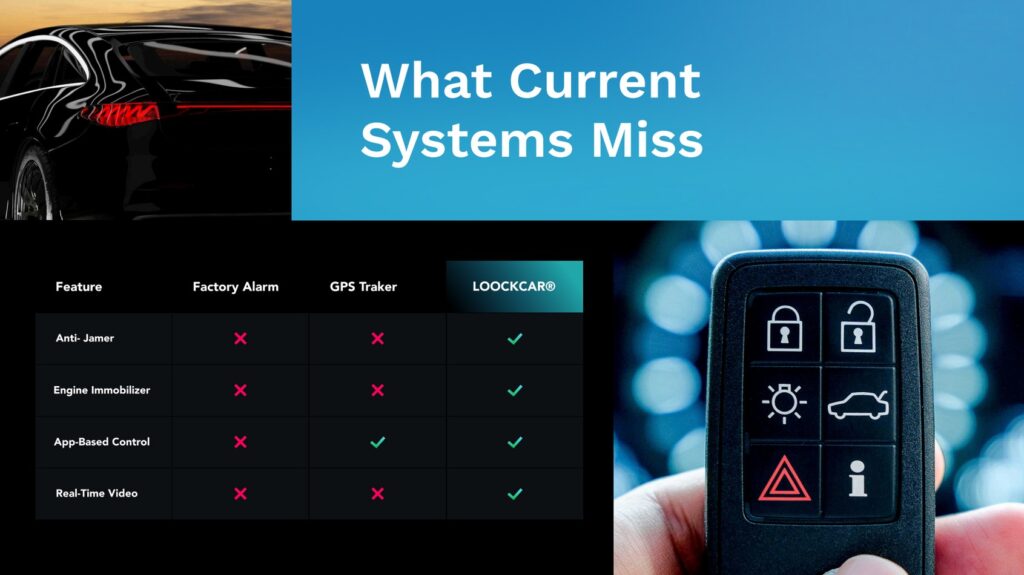
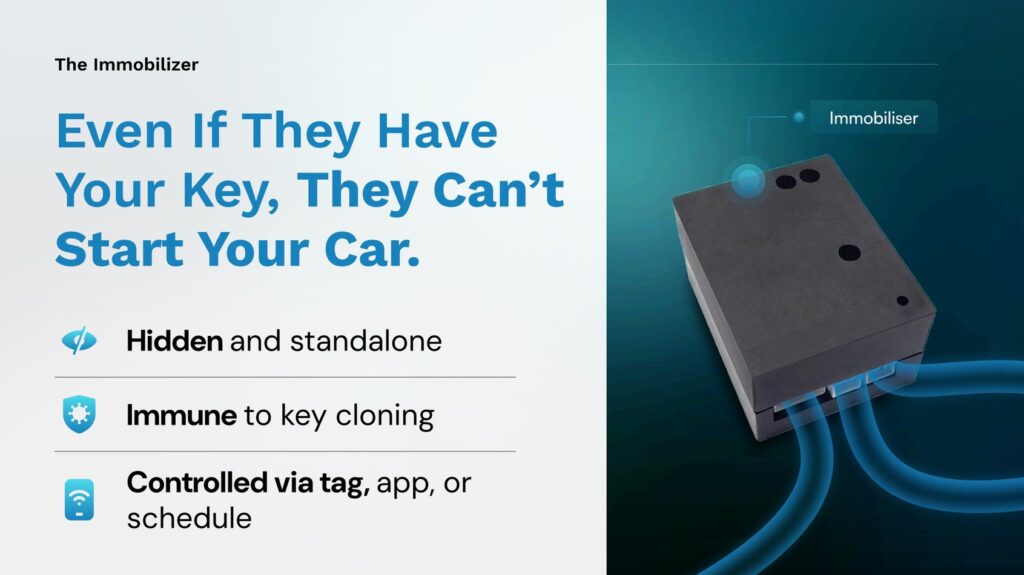
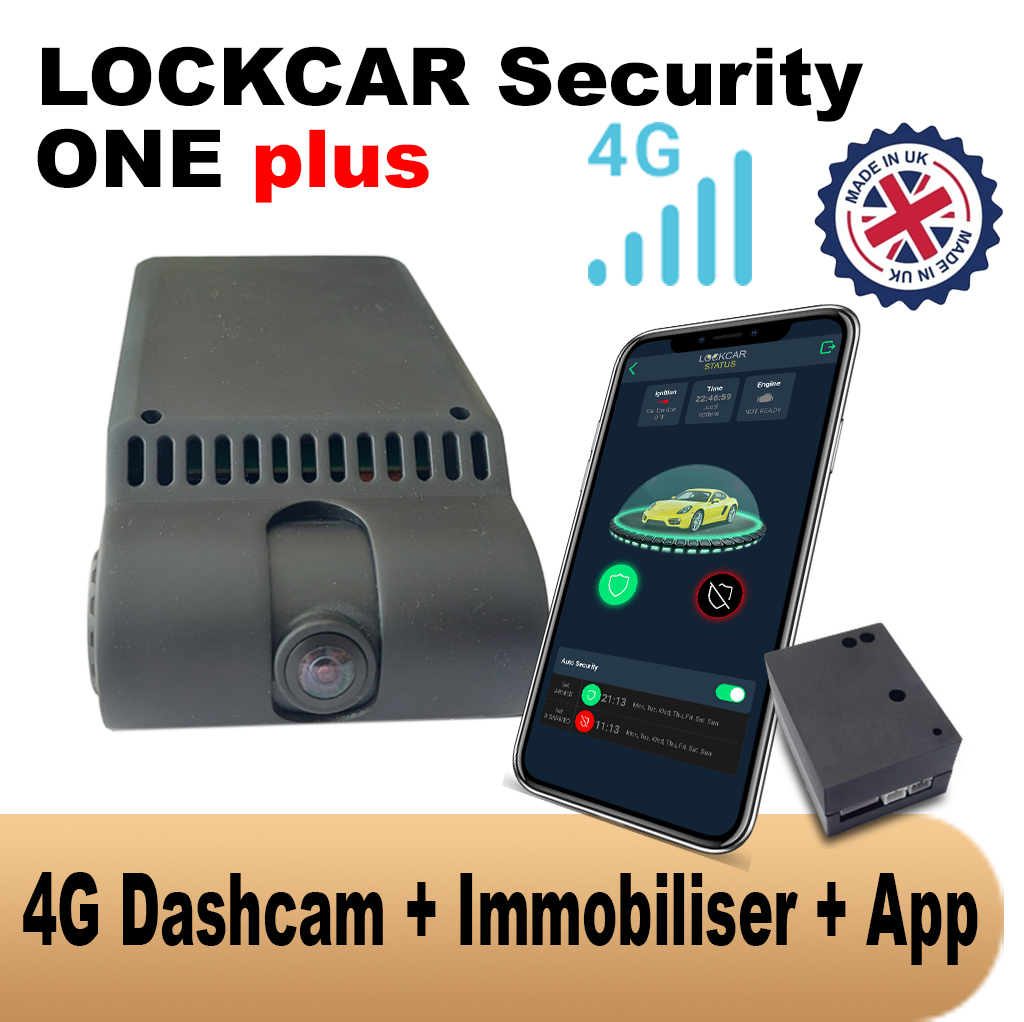
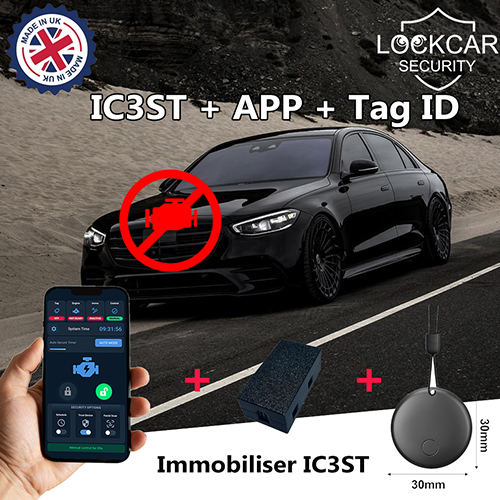
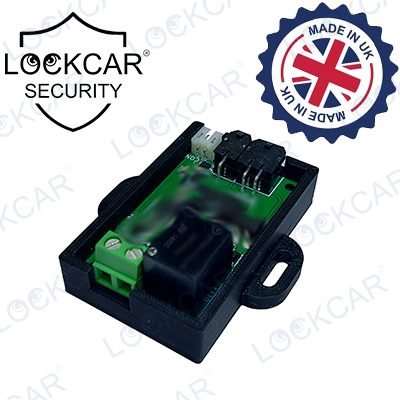
Insurance and police data both point to the same conclusion: physical hardware immobilisers that operate independently of the factory keyless entry system are the most effective single intervention for preventing relay attack theft. The data from manufacturer and insurer programmes that have promoted aftermarket immobiliser fitting – including Land Rover’s own awareness campaigns and some insurer-incentivised security upgrade schemes – shows measurable reductions in theft rates among fitted vehicles compared to unfitted equivalents.
GPS trackers improve recovery rates but do not reduce theft rates. Alarms deter opportunistic crime but have little effect on organised relay attacks. Faraday pouches require consistent use and provide no protection when the key is being carried. The pattern in the data is clear: only products that physically prevent engine start show meaningful prevention efficacy against relay attack.
Where can I check the vehicle theft statistics for my specific area?
UK police forces publish crime data on the Police.uk website, searchable by postcode. Additional data is available through the DVLA, which publishes annual vehicle registration and theft data, and through Freedom of Information requests to individual force areas. Insurance industry data is published by the ABI (Association of British Insurers) and individual insurers.
Has vehicle theft increased or decreased in 2025 vs 2024?
Full 2025 national data will not be available until early 2026. Regional data published through mid-2025 suggests the overall trend continues upward, particularly for relay and CAN bus attacks on newer keyless vehicles. Some specific models – including Land Rover – have shown modest improvements attributed to increased aftermarket security fitment among owners.
Does my car’s age affect its relay attack risk?
The primary risk factor is keyless entry. Most vehicles manufactured from approximately 2015 onwards are equipped with passive keyless entry as standard or optional equipment. Pre-2015 vehicles with traditional key-and-ignition systems are not vulnerable to relay attack but may be targeted via physical key cloning or other methods. Check your vehicle’s specification to confirm whether passive keyless entry is fitted.
Protect your vehicle today
All vehicles · UK-wide mobile installation · Same-day available
WhatsApp to book → Call usUK-wide