

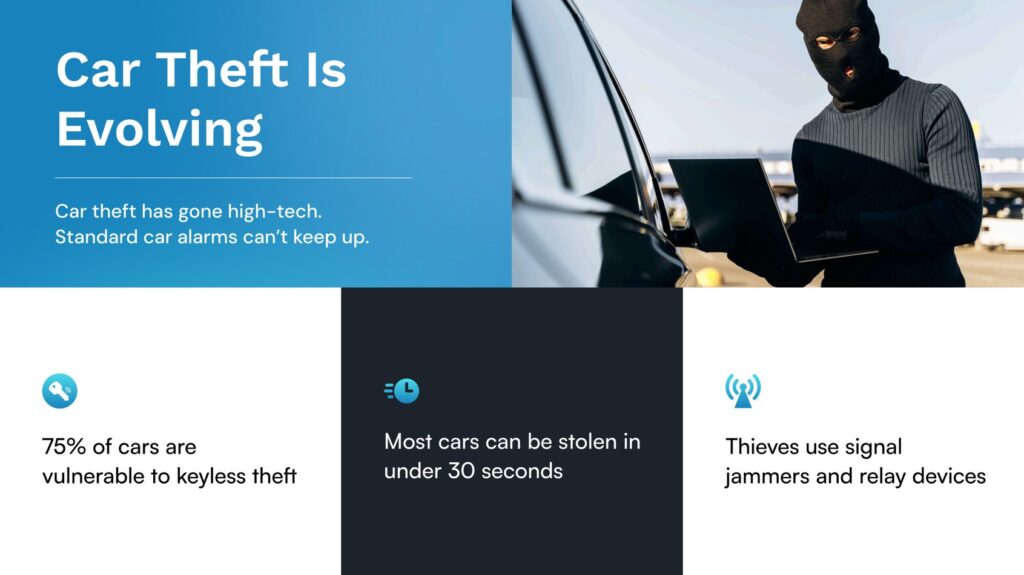
YOUR CAR
CAN BE STOLEN
in under 60 seconds with no alarm triggered
2-Channel vs Front and Rear Dash Cam: they are the same thing
That is the whole answer, and you should not have to read 800 words to get it. The question worth asking instead is where the second camera points – because that decides what evidence you capture, and in a licensed vehicle it decides what you are legally allowed to fit.
Is a 2-channel dash cam the same as a front and rear dash cam?
“2-channel” describes how many video streams the recorder handles at once. “Front and rear” describes where the two cameras point. Almost every 2-channel dash cam sold to consumers is a front-and-rear unit, which is why shops use the two phrases as if they mean the same thing. In practice, they do.
So there is no decision to make between them. The decision that actually exists is this: your second camera can face backwards through the rear window, or inwards at the cabin. Both are sold as “2-channel”, they cost roughly the same, and they capture completely different evidence. Choosing the wrong one is the mistake worth avoiding.
A third option – front, rear and interior – is usually sold as 3-channel. If you drive a licensed vehicle and also want road evidence behind you, that is the configuration to look for.
Front + rear vs front + driver vs 3-channel: who each is for
This is the table we wished existed when customers call asking which system to buy. Nobody sells all three, so nobody publishes the comparison.
| Front + rear | Front + driver | Front + rear + interior | |
|---|---|---|---|
| Usually sold as | 2-channel | 2-channel | 3-channel |
| Rear-end collision evidence | Yes | No | Yes |
| Passenger or cabin incidents | No | Yes | Yes |
| Accepted for licensed vehicle CCTV conditions | Usually not on its own | Usually yes, if it meets the authority’s spec | Yes |
| Triggers UK GDPR duties for the operator | Limited | Yes, significant | Yes, significant |
| Best suited to | Private drivers, company cars | Taxi, PHV, delivery, fleet | Licensed drivers who also want road evidence |
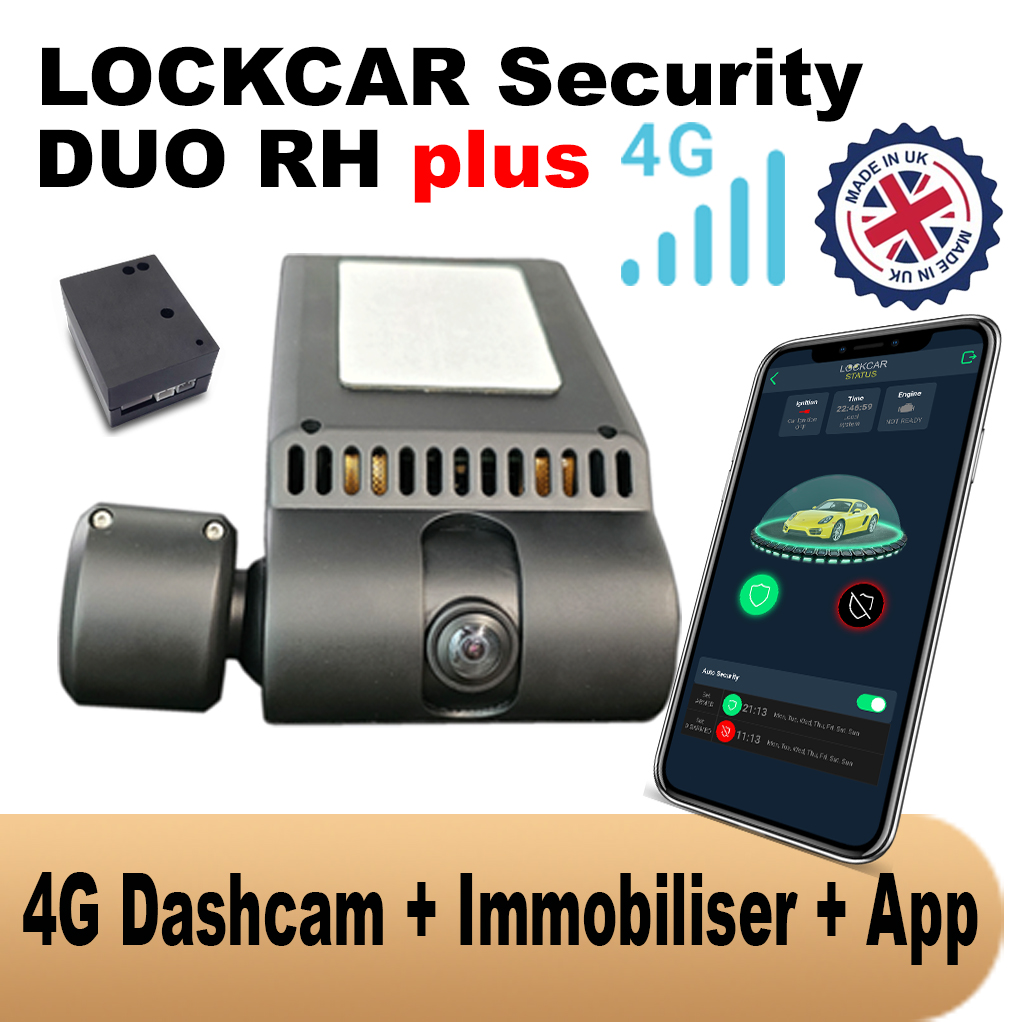
| Does LockCar make it? | No | Yes – Duo RH and Duo RH Plus | No |
Taxi and private hire dash cams: the ICO rules decide what you can fit
Point a camera at your passengers and you stop being a driver who owns a gadget. You become a data controller under UK GDPR, with obligations you are personally accountable for. Most dash cam retailers will not tell you this, because it complicates the sale.
Start with a correction to something you will read almost everywhere, including on our own site until recently: interior cameras are not universally mandatory for licensed vehicles in the UK. Some licensing authorities require them – several introduced mandatory schemes following the Jay Report into child sexual exploitation in Rotherham – and many others leave it optional. There is no national rule. Your own licensing authority’s policy is the only answer that applies to you, and it will also set the technical standard a system must meet.
Audio is where most people get caught out. The Information Commissioner’s Office position is that continuously recording passenger conversations is highly intrusive and cannot normally be justified. Licensing policies built on that guidance typically require that an approved system is not even capable of continuous sound recording. Audio is permitted only when triggered deliberately – usually a panic button available to the driver or passenger – in a genuine safety situation, with an indicator showing while it runs.
That has a blunt practical consequence. A consumer dash cam with an always-on microphone, bought online and fitted in a licensed vehicle, may put you outside your licence conditions. If the audio cannot be permanently disabled, it is the wrong system, however good the video is.
Beyond the hardware, the operator duties are real: signage inside the vehicle telling passengers that recording takes place and who to contact, verbal notification for passengers with a visual impairment, a data protection impact assessment covering passengers and driver, a defined retention period, and paying the ICO data protection fee as a controller. Some authorities also require a certificate of installation confirming the system meets their specification. For the wider rules on tracking and monitoring, see our guide to GPS tracking laws in the UK.
Search your council’s website for “taxi CCTV policy” or “private hire CCTV specification” and read the appendix. It will tell you whether interior recording is required or optional, the minimum technical specification, whether and how audio is permitted, and whether you need an installation certificate. Fitting first and checking afterwards is how drivers end up buying twice.
What separates a good dual-camera dash cam from a bad one
Channel count tells you almost nothing about quality. These three things tell you a great deal – and they are the three that go wrong on the systems we are called out to replace.
The second channel is usually the weak one
Retail systems often pair a capable front camera with a much lower-spec second camera on a long cable. Manufacturers quote the front resolution in the headline. Check the second channel separately – that is the footage you will need when something happens behind or beside you.
Parking mode is a power problem, not a camera problem
Recording while parked draws current with the engine off. Without proper voltage cut-off you will eventually get a flat battery; with the threshold set too cautiously it stops recording early and misses the incident. That is decided by the installation, not the box.
Storage is where evidence quietly disappears
Two channels fill a card roughly twice as fast as one. Cards wear out and fail silently, so the first you know is when you look for footage that was never written. Check the card monthly, replace it yearly, and avoid systems with no card-health warning.
Where LockCar fits, and where it does not
If you searched for a front-and-rear dash cam because you want to capture the car that drives into the back of you, we do not make that product, and we would rather say so here than waste your time. Buy a good consumer front-and-rear unit and have it hardwired properly.
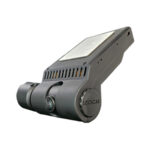
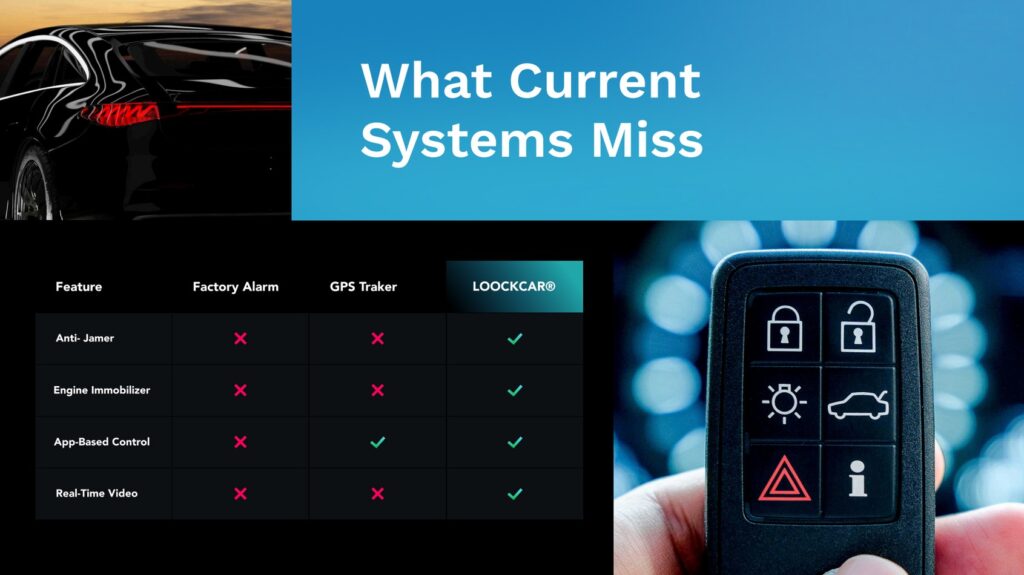
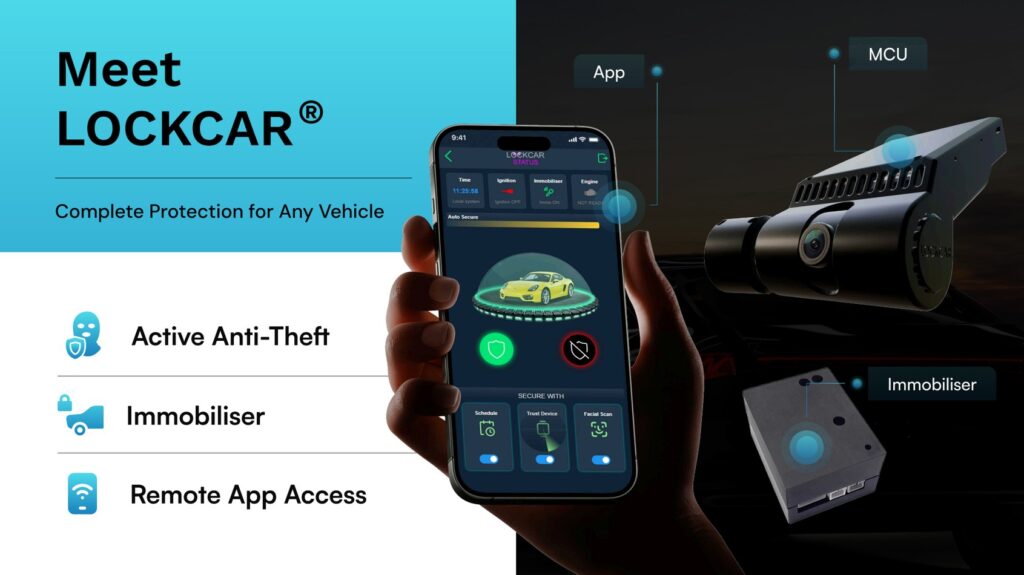
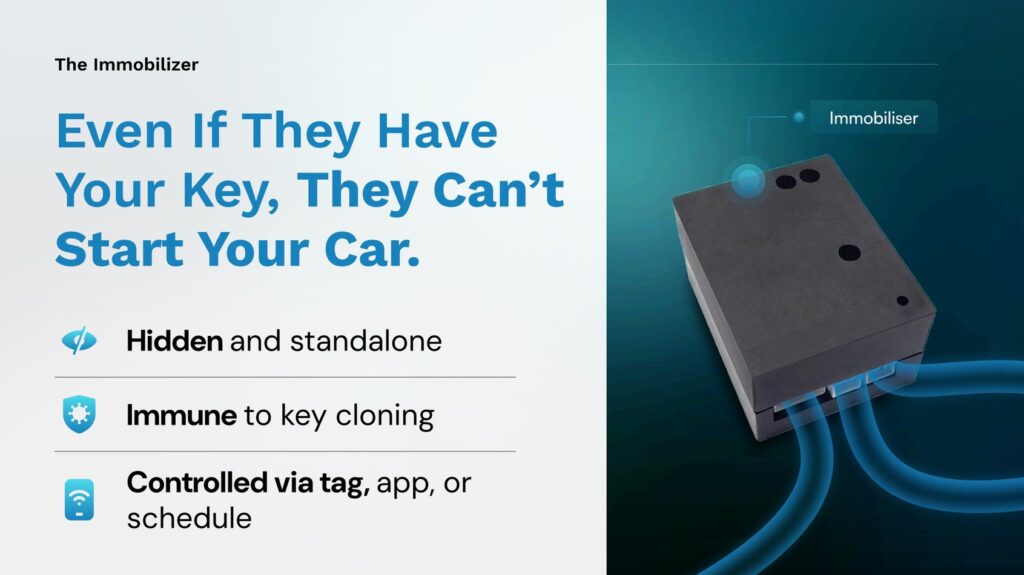
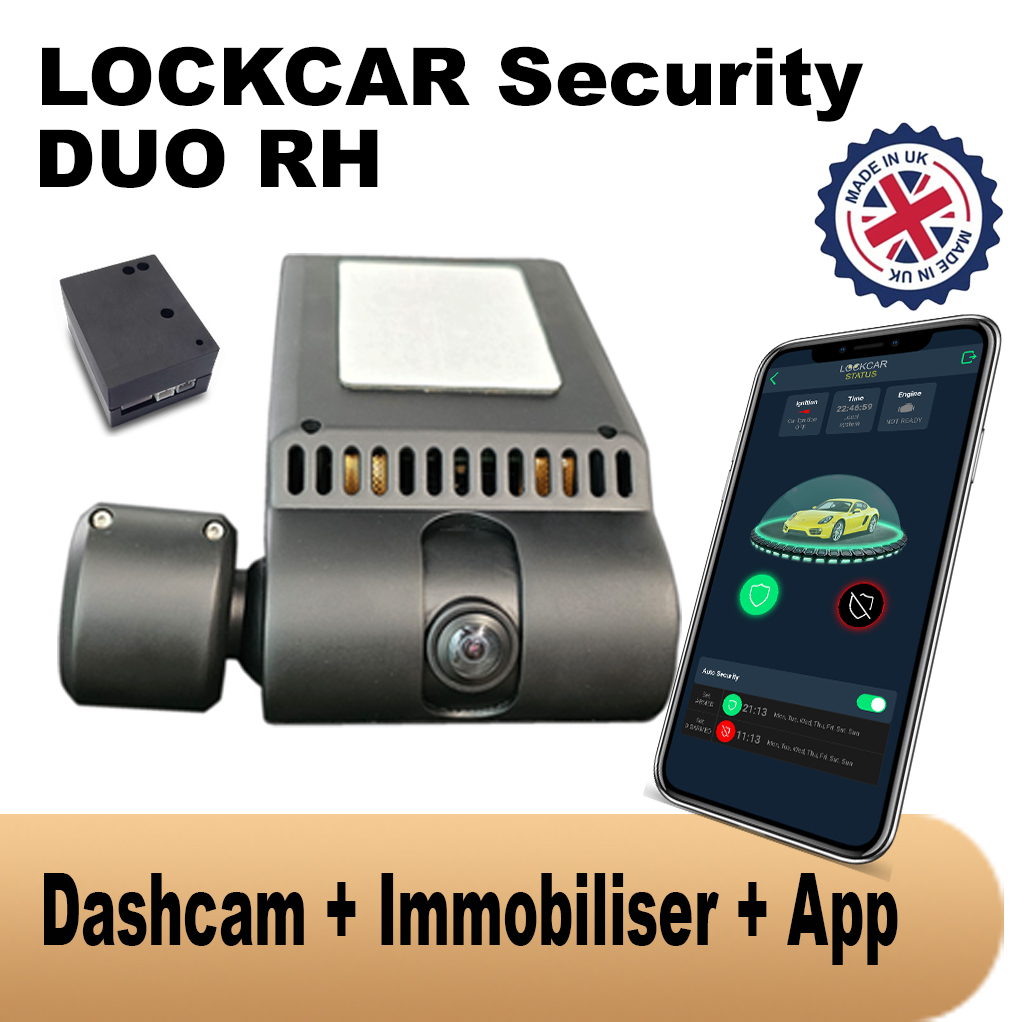
What we build is the front-and-driver configuration, for licensed and commercial vehicles: two matched cameras on independent channels, sharing a timestamp and GPS track, with a hardwired relay immobiliser in the same installation. The immobiliser is the part no consumer dash cam includes, and it is why a single LockCar unit replaces a separate camera, tracker and security device.
Duo RH stores footage locally. Duo RH Plus adds 4G, which matters more than it sounds: if the vehicle is stolen and the unit goes with it, locally stored footage goes too. Cloud upload means the evidence survives the theft of the device that recorded it.
LockCar dual-camera systems
LockCar Duo RH Plus
- Two independent channels with shared timestamp and GPS track
- Cloud upload, so evidence survives if the unit is stolen
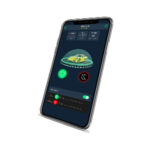
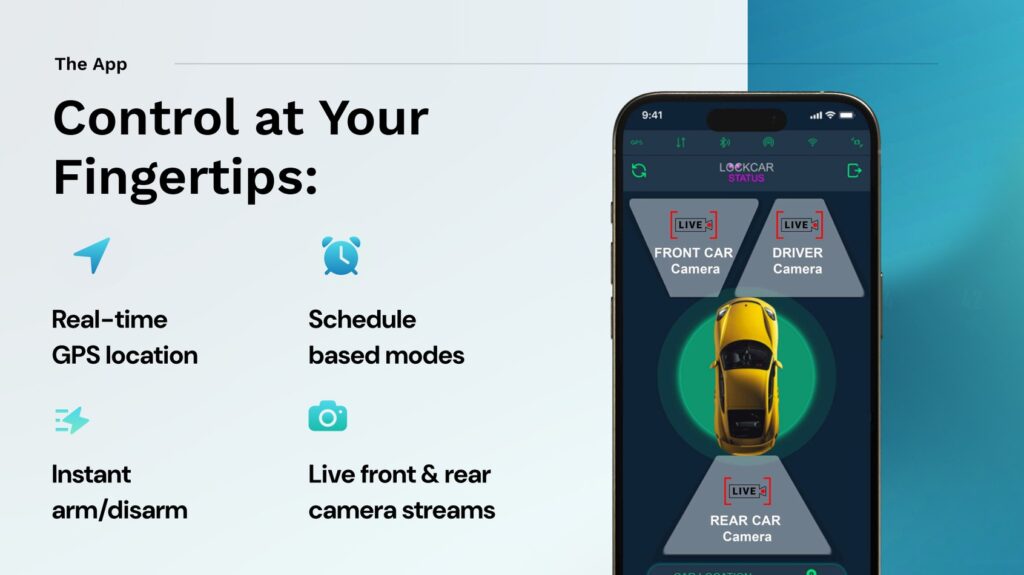
- Live view and remote immobilisation from the app
- Smart parking mode with voltage cut-off protection
LockCar Duo RH
- Same two-channel coverage as the Plus, stored locally
- No 4G subscription and no data costs
- Smart parking mode and local GPS
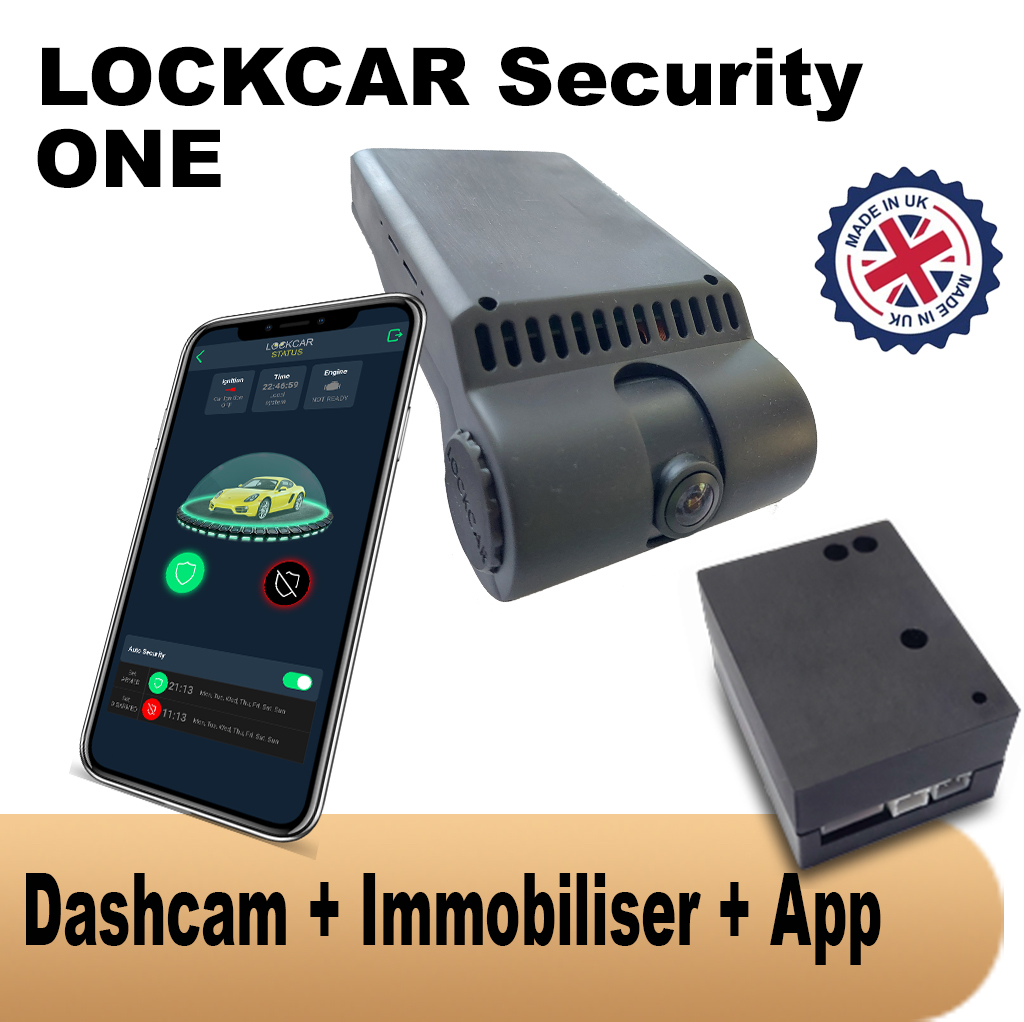
If a single forward camera is enough and the immobiliser is what you really want, LockCar ONE covers that at £199. See our pricing guide for the full range, and dash cam evidence in UK insurance claims for how footage is treated in a claim.
2-channel dash cams: questions and answers
Is a 2-channel dash cam the same as a front and rear dash cam?
In everyday use, yes. 2-channel describes how many video streams are recorded at once; front and rear describes where the cameras point. Because most consumer dual systems point front and rear, the terms are used interchangeably. The exception is professional systems, where the second channel usually faces the driver instead.
Can I record audio inside my taxi or private hire vehicle?
Only in narrow circumstances. ICO guidance treats continuous recording of passenger conversations as highly intrusive and difficult to justify, and licensing policies built on it generally require that a system cannot record sound continuously. Audio is normally permitted only when triggered by a panic button in a safety situation, with clear signage and an indicator showing while it records.
Is an interior camera compulsory for a licensed vehicle in the UK?
There is no national requirement. Some licensing authorities mandate it, several having introduced schemes following the Jay Report, while many others leave it optional. Check your own authority’s taxi or private hire CCTV policy, which will also set the technical specification any fitted system must meet.
Does fitting a driver-facing camera make me responsible under GDPR?
If you are the licence holder operating the system, you are generally the data controller for the footage. That brings duties including passenger signage, a data protection impact assessment, a defined retention period and paying the ICO data protection fee. These apply to you personally, not to whoever sold you the camera.
Can one system record front, rear and the interior?
Yes, but that is a 3-channel system rather than a dual one, and a separate purchase from either 2-channel layout. LockCar does not make a 3-channel system. If you need road evidence behind you as well as cabin coverage, look specifically for 3-channel.
Sources
- Information Commissioner’s Office, surveillance in vehicles – controller duties, DPIA and signage expectations.
- Welsh Government, taxi and private hire CCTV policy template – audio restrictions, signage and installation certificates as adopted by licensing authorities.
- Welsh Government, CCTV specifications and conditions – technical standard and panic-button audio conditions.
Checked 24 August 2026. Licensing conditions are set locally and change; your own authority’s published policy overrides anything on this page. This page is general information, not legal advice.
Not sure which layout your licence requires?
Tell us your licensing authority and your vehicle. If your council’s policy means our system is not the right fit, we will tell you that instead of selling you one.