



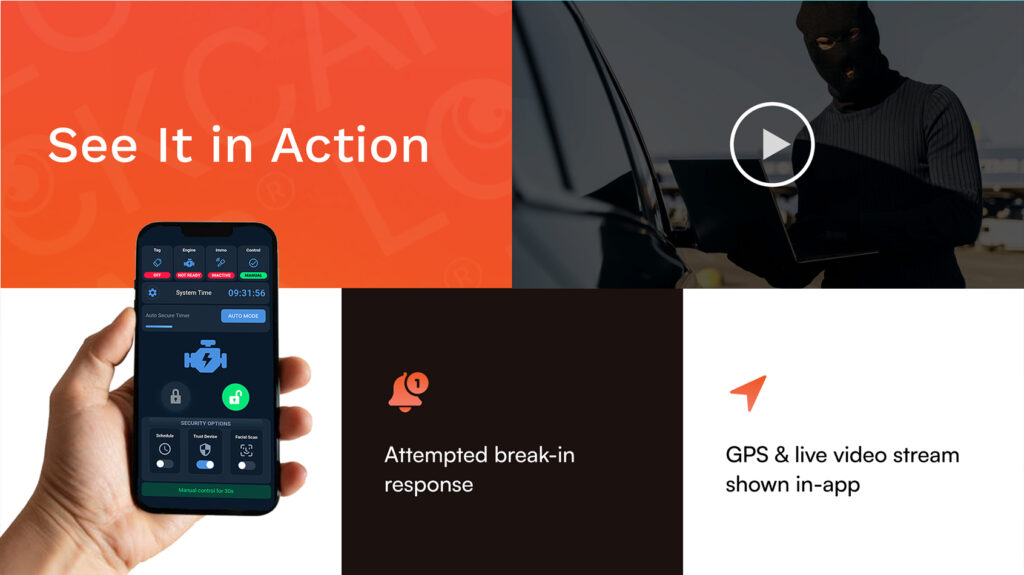
YOUR CAR
CAN BE STOLEN
in under 60 seconds with no alarm triggered
OBD port vehicle security UK, why your diagnostics socket is a theft risk
The OBD-II diagnostic port fitted to every vehicle manufactured since 2001 was designed for mechanics and technicians. Criminal networks have discovered that the same port provides access to the vehicle’s CAN bus, enabling key programming and immobiliser bypass attacks. This guide explains OBD port theft, how it works, and why a hardwired relay break is more effective than an OBD lock alone.
On this page
The OBD-II diagnostic port fitted to every vehicle manufactured since 2001 was designed for mechanics and technicians. Criminal networks have discovered that the same port provides access to the vehicle’s CAN bus, enabling key programming and immobiliser bypass attacks. This guide explains OBD port theft, how it works, and why a hardwired relay break is more effective than an OBD lock alone.
How OBD port theft works
The OBD-II port is a standardised 16-pin connector, typically located under the dashboard on the driver’s side, within reach of a seated occupant. It provides access to the vehicle’s CAN bus, the internal communications network that connects the ECU, BCM, instrument cluster, and every other electronic module in the vehicle. Mechanics use it for diagnostics; criminals use it for key programming.
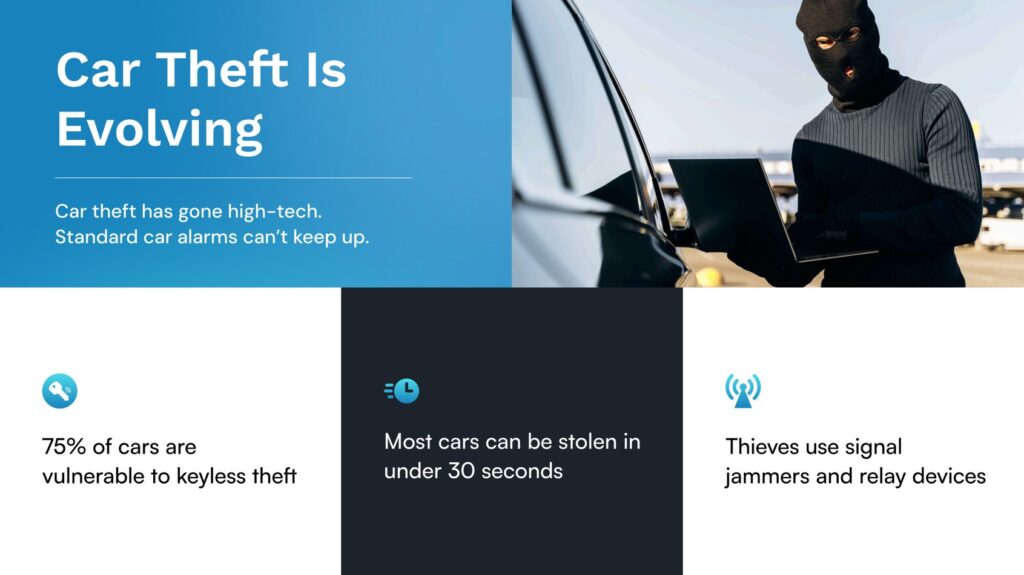
An OBD key programming attack involves connecting a specialist device to the OBD port and using it to send commands to the ECU that add a new key fob to the vehicle’s authorised key list. The device mimics the commands that a main dealer tool uses for legitimate key replacement. Once a criminal-programmed key has been added to the vehicle’s key list, the vehicle will start normally with that key regardless of how many previous keys exist.
To access the OBD port, criminals must first gain entry to the vehicle’s interior. This typically involves either breaking a window, using slim-jim tools to force a door, or gaining entry through the headlight housing which in many vehicles provides access to wiring that can trigger a door unlock command on the CAN bus. The window break or door force is the most visible part of the attack; the OBD programming is rapid and invisible once access is achieved.
OBD port lock versus LockCar, a direct comparison
An OBD port lock is a physical device that prevents insertion of a foreign device into the OBD port. It is an effective countermeasure against attacks that specifically require OBD port access. However, it does not prevent CAN bus access via alternative routes including headlight wiring, engine bay CAN bus access points, or other vehicle-specific access paths that criminal networks have documented for popular theft targets.
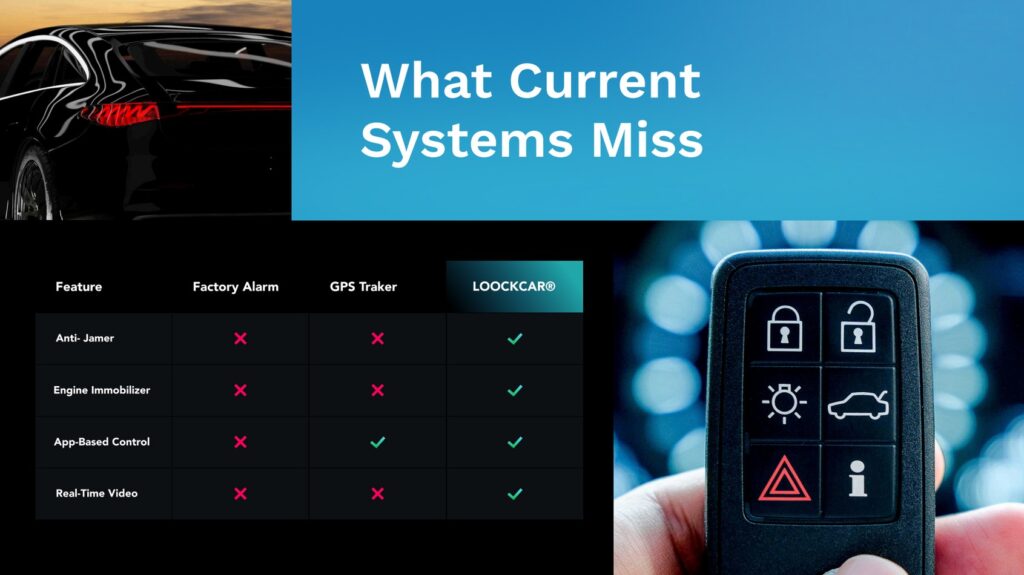
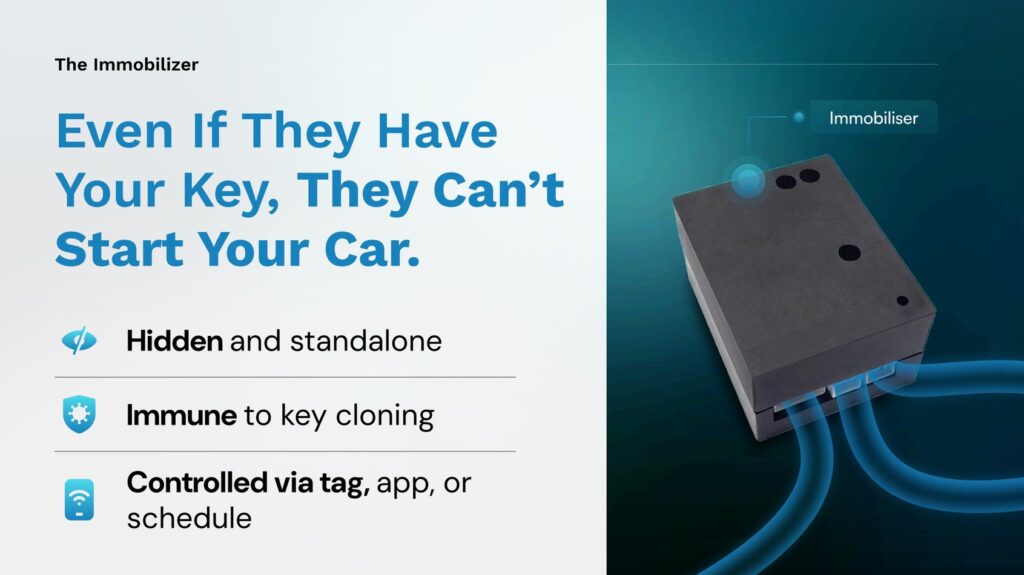
LockCar’s hardwired relay break addresses the limitation of OBD port locks by operating downstream of the entire CAN bus. Even if a criminal bypasses the OBD lock or finds an alternative CAN bus entry point and successfully programmes a new key, the engine cannot start because the LockCar relay is open. The OBD attack succeeds in creating a working key; the LockCar relay ensures that key cannot start the car. The two countermeasures are complementary but LockCar provides the more complete defence.
How LockCar stops this threat
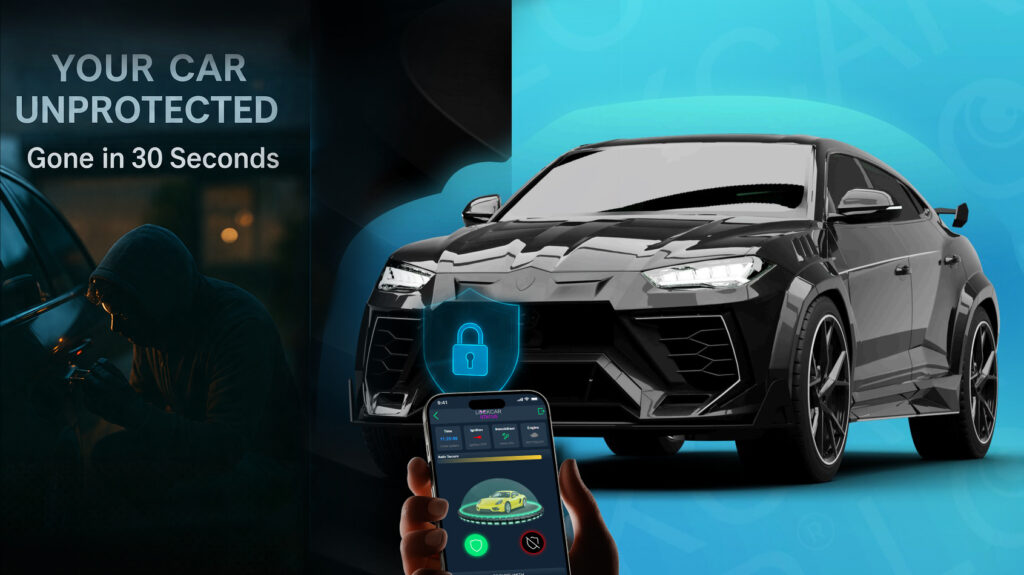
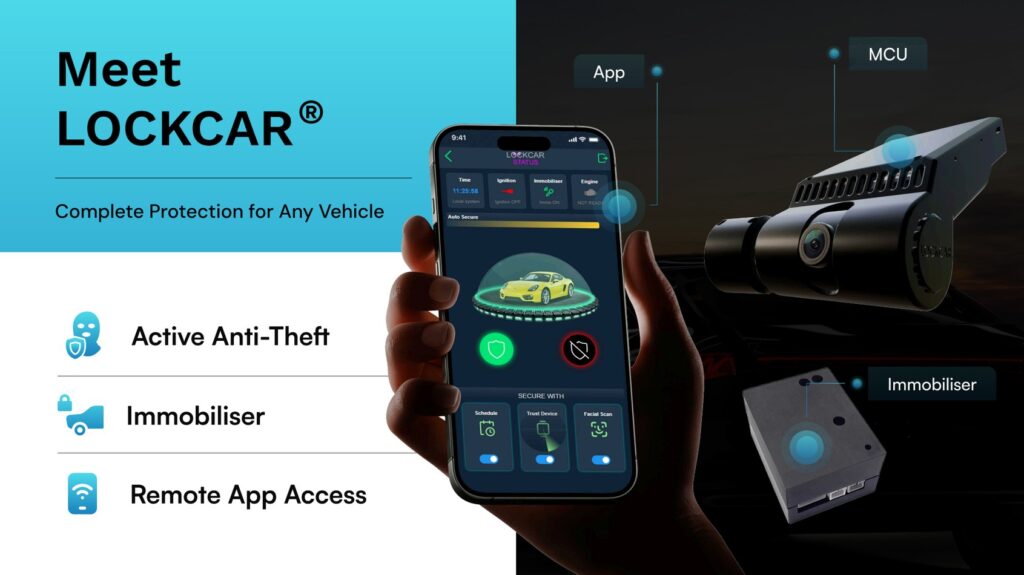
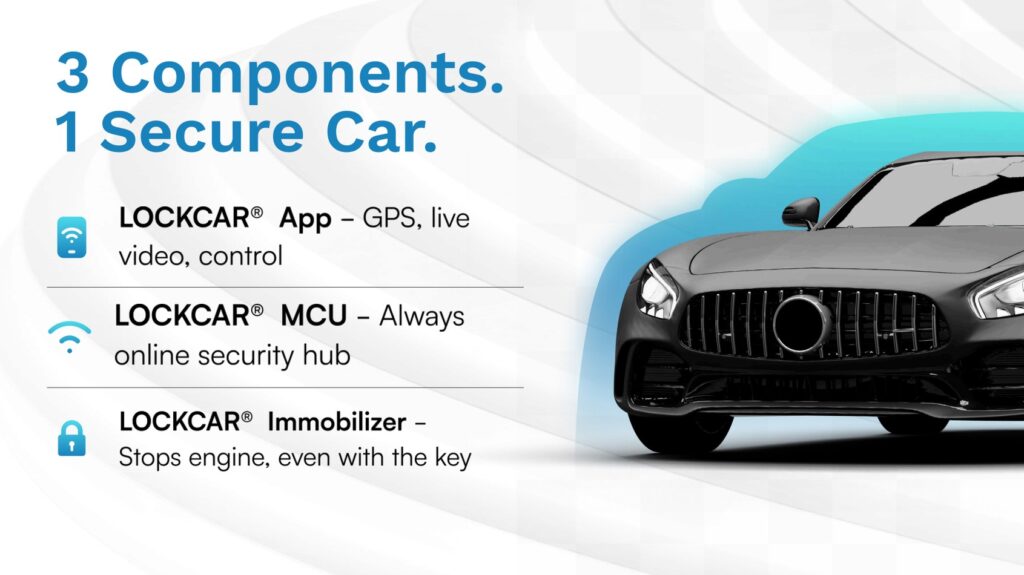
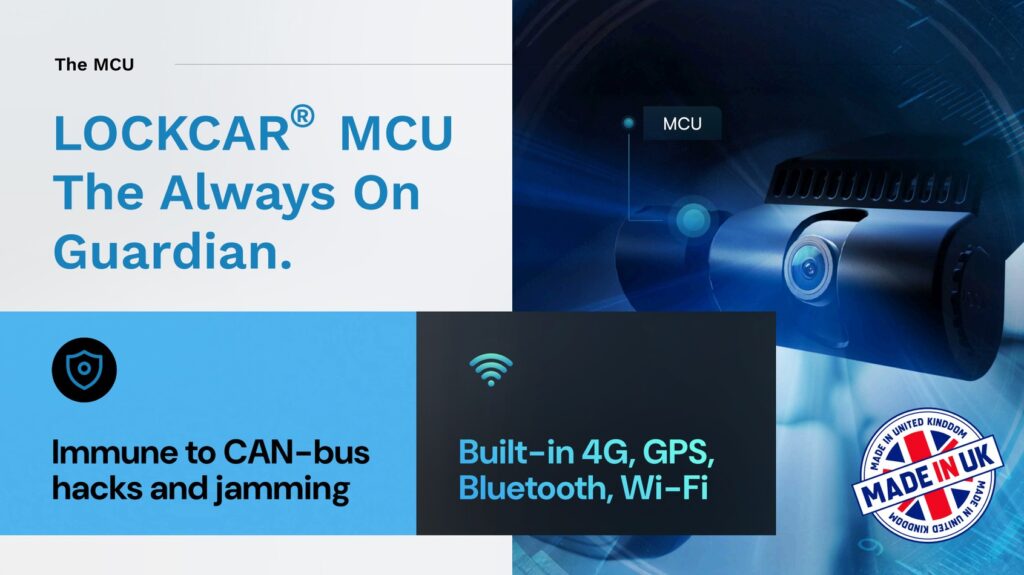
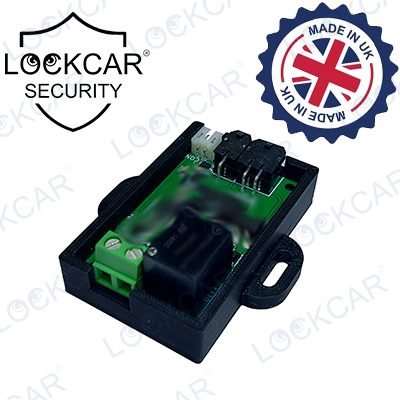
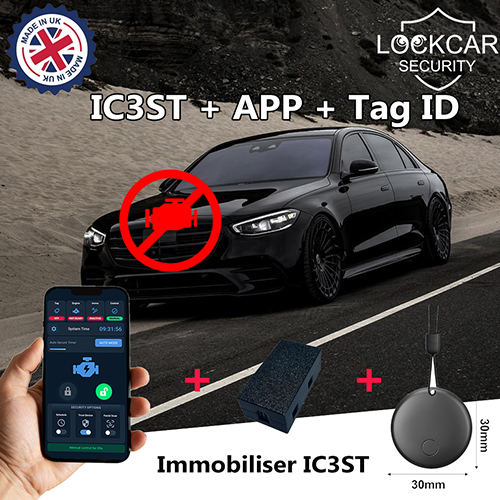
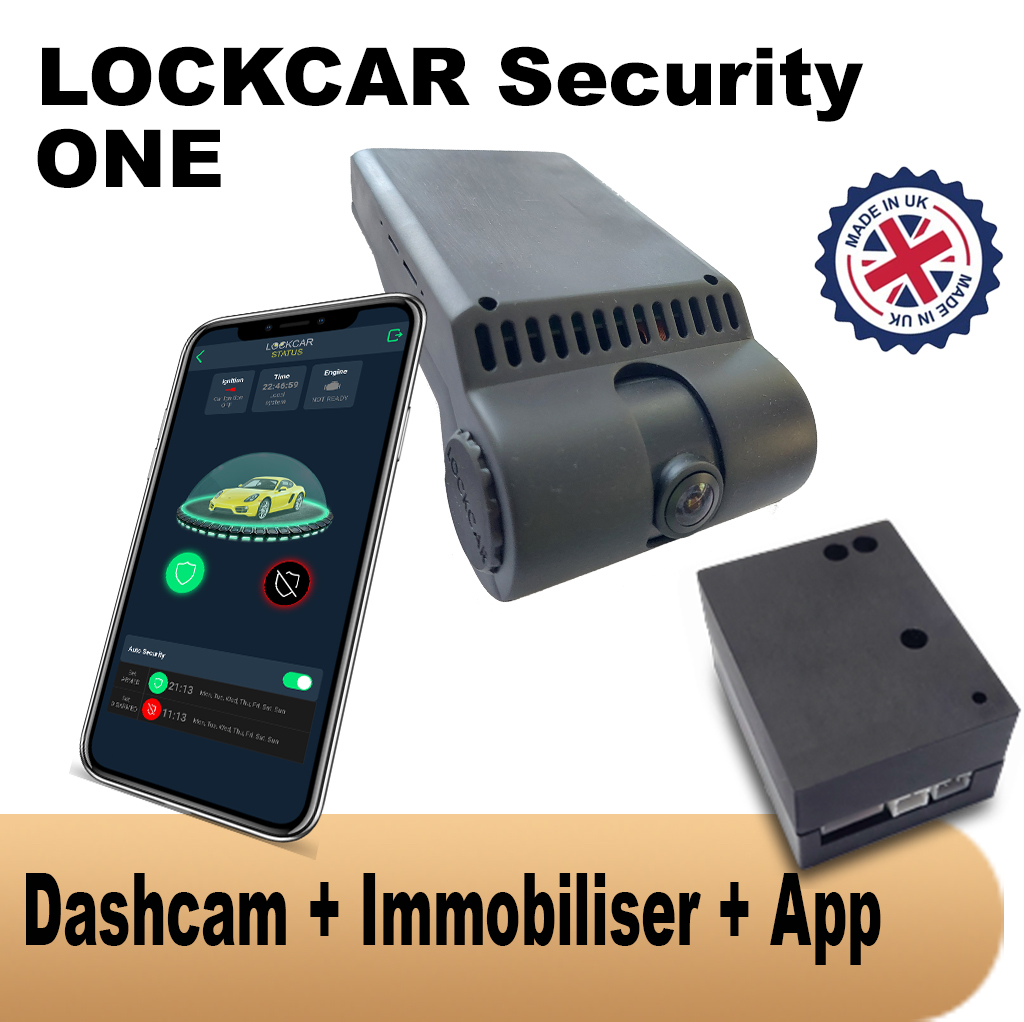
LockCar installs a hardwired relay break in the vehicle start circuit. This break is positioned downstream of the factory immobiliser, the OBD port, and the CAN bus. Even after a successful relay attack or CAN bus injection, the engine will not start because the LockCar relay is open. Closing it requires a second, independent encrypted authentication that relay equipment cannot replicate. LockCar is designed and manufactured in the United Kingdom and installed by mobile engineers at your location.
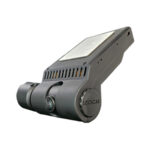
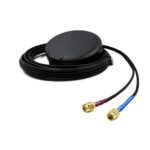
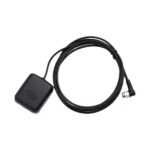
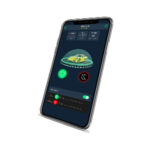
LockCar recommended products
How long does LockCar installation take?
Installation typically takes 60 to 90 minutes. Our mobile engineer brings all parts and equipment to your location. The system is fully tested before the engineer leaves and you receive documentation on the same day.
Will LockCar interfere with my vehicle factory electronics?
No. LockCar installation uses vehicle-specific wiring procedures and connects at the start circuit in a way that is invisible to the factory CAN bus, ECU, and all other electronic systems. All factory functions continue exactly as before.
Does LockCar cover my area?
LockCar mobile service covers the entire UK. Same-day and next-day appointments are available in most areas. WhatsApp or call us to confirm availability and book at your preferred location.
Can I get insurance documentation after fitting LockCar?
Yes. Every LockCar installation comes with a full certificate including device serial number, installation date, vehicle registration, and a technical description of the relay break mechanism. This is accepted by the majority of UK insurers for discount applications.
Book your installation today
All vehicles, UK-wide mobile service, same-day available
WhatsApp to book Call usUK-wide