
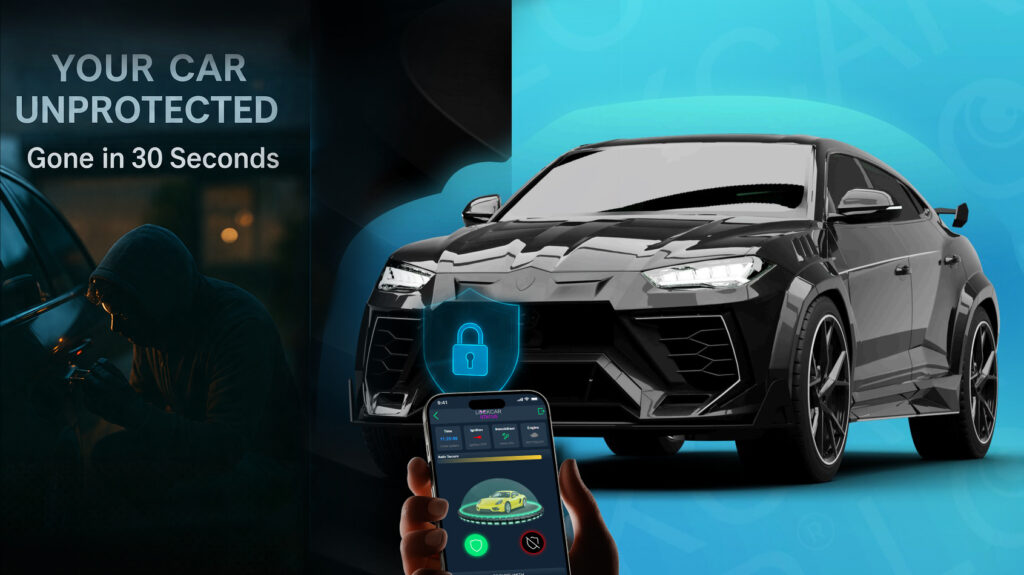
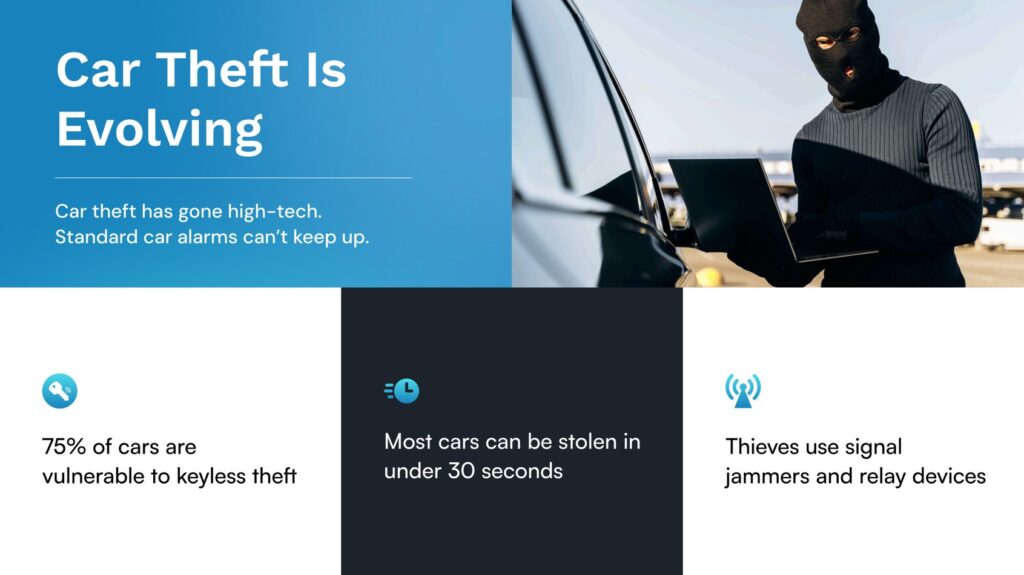
YOUR CAR
CAN BE STOLEN
in under 60 seconds with no alarm triggered
4G dashcam vs standard dashcam – which do you actually need?
A standard dashcam records to an SD card. A 4G dashcam streams live video, tracks your vehicle’s GPS in real time, sends alerts, and – with LockCar – integrates directly with a hardwired relay immobiliser. The difference is significant. This guide explains which type suits your needs and security priorities.
On this page
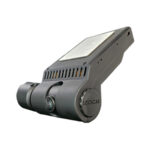
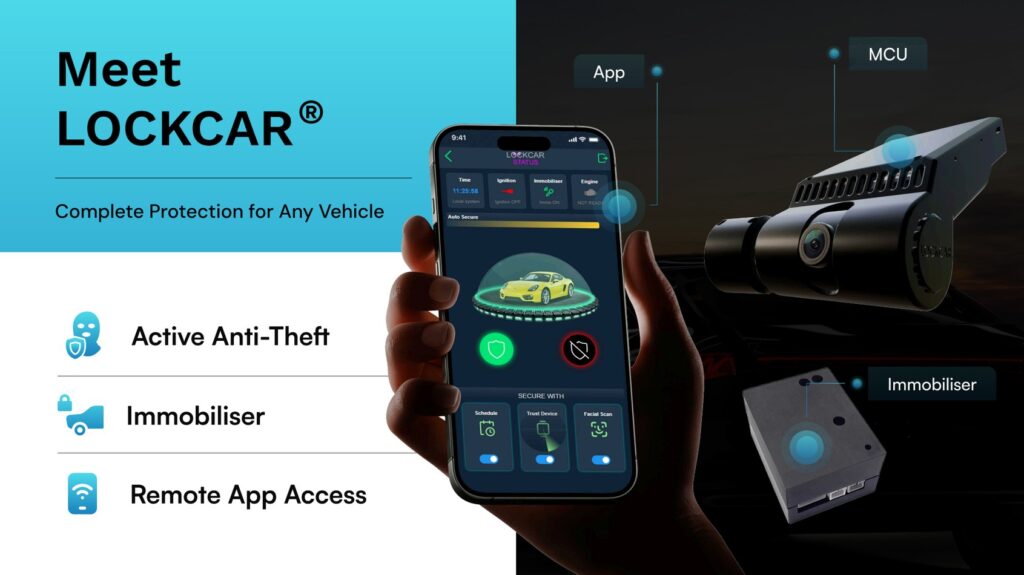
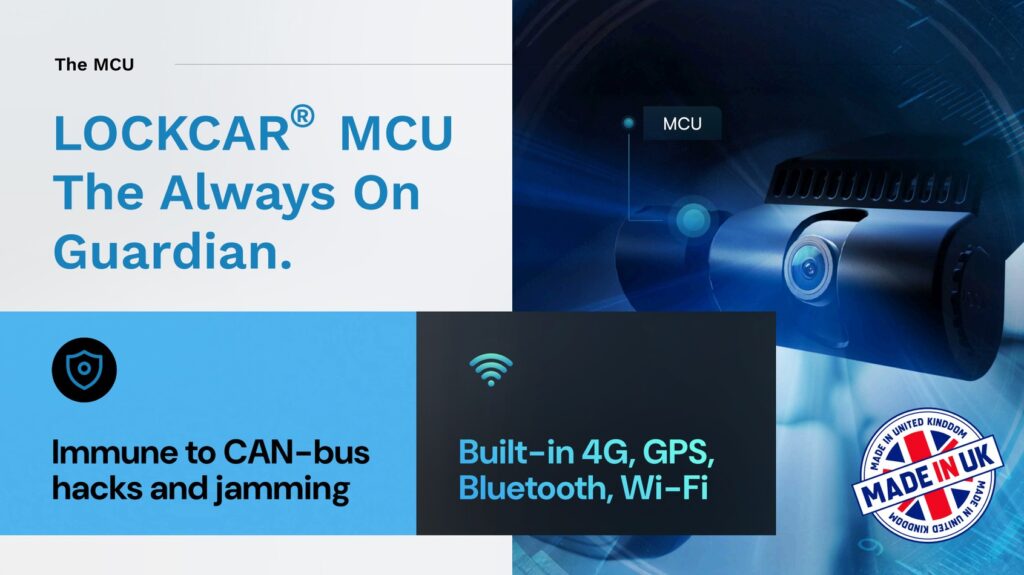
Dashcams have become one of the most common vehicle accessories in the UK, with an estimated 40% of drivers now using some form of in-car camera. But the gap between a basic £40 dashcam from an online retailer and a professionally fitted 4G system like LockCar One Plus is enormous – not just in image quality, but in what happens when your vehicle is at risk. LockCar manufactures 4G dashcam and immobiliser systems in the UK, combining live video, real-time GPS, and a hardwired relay break in a single professionally installed unit.
What a standard dashcam does
A standard dashcam records video footage to an onboard SD card in a loop that overwrites the oldest footage once the card is full. Most models record in 1080p or higher with wide-angle lenses designed to capture the road ahead, and dual-camera versions cover the road behind or the vehicle interior. The dashcam runs continuously while the engine is on, and in parking mode continues recording when stationary – triggered by motion or impact detection.
Standard dashcams are passive devices. They record what happens around the vehicle but communicate nothing to the owner in real time. If your vehicle is stolen while you sleep, a standard dashcam records the theft – but that footage is stored on the SD card inside the stolen vehicle. By the time you discover the car is gone, the footage is gone too. Professional theft gangs routinely remove or destroy dashcams at chop shops within minutes of arrival.
Standard dashcams are genuinely useful for accident evidence and insurance claims. They are not a security device in any meaningful sense – they record crime after it has occurred, and the recording is stored in the stolen item itself.
What a 4G dashcam does differently
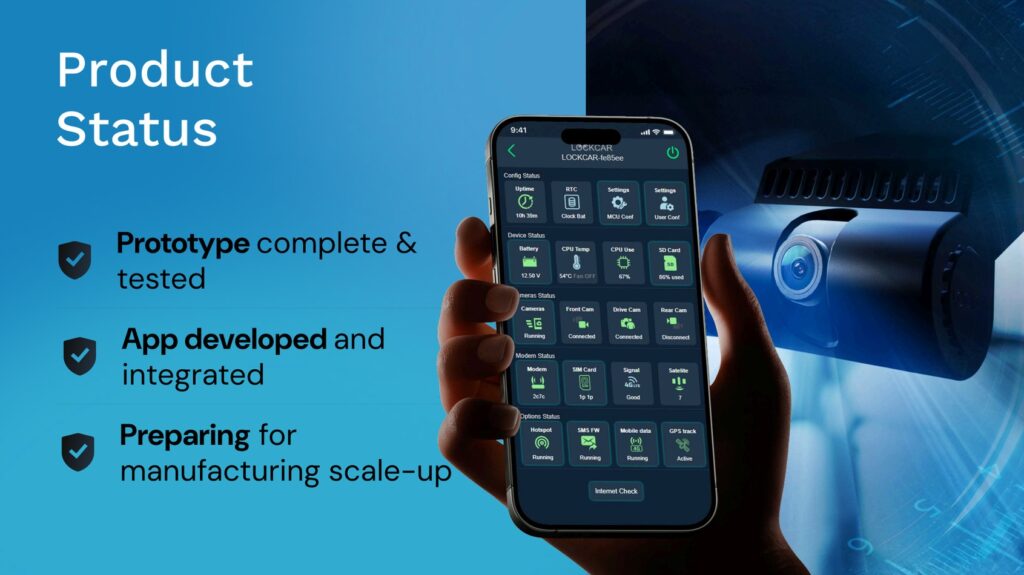
A 4G dashcam maintains a continuous mobile data connection, enabling real-time video streaming, GPS tracking, and two-way communication between the device and the owner’s smartphone app. Footage is simultaneously stored locally on SD and uploaded to a cloud server – meaning even if the physical device is removed from a stolen vehicle, all footage captured before that moment is already preserved and accessible.
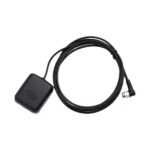
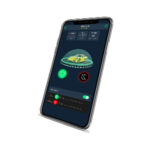
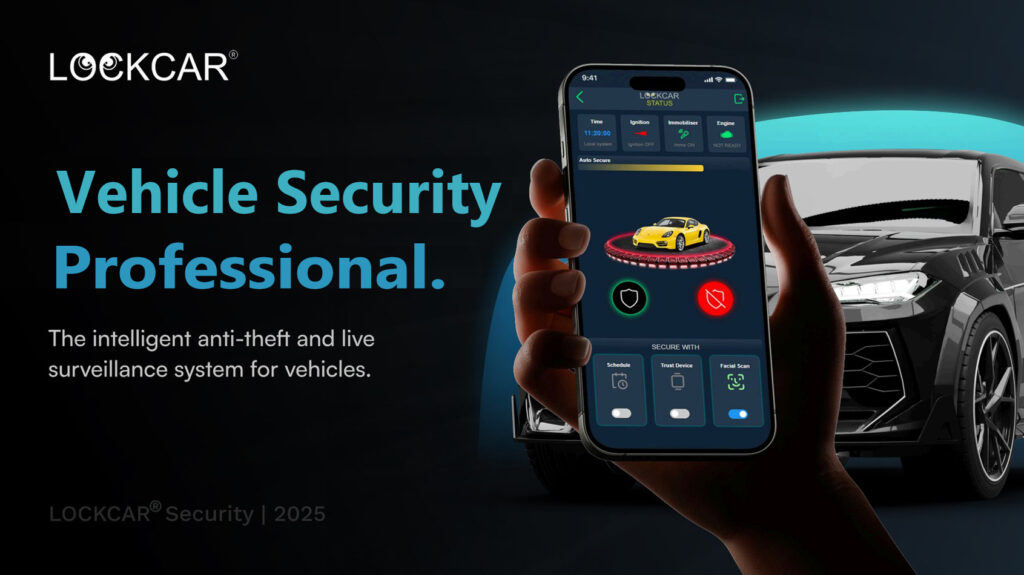
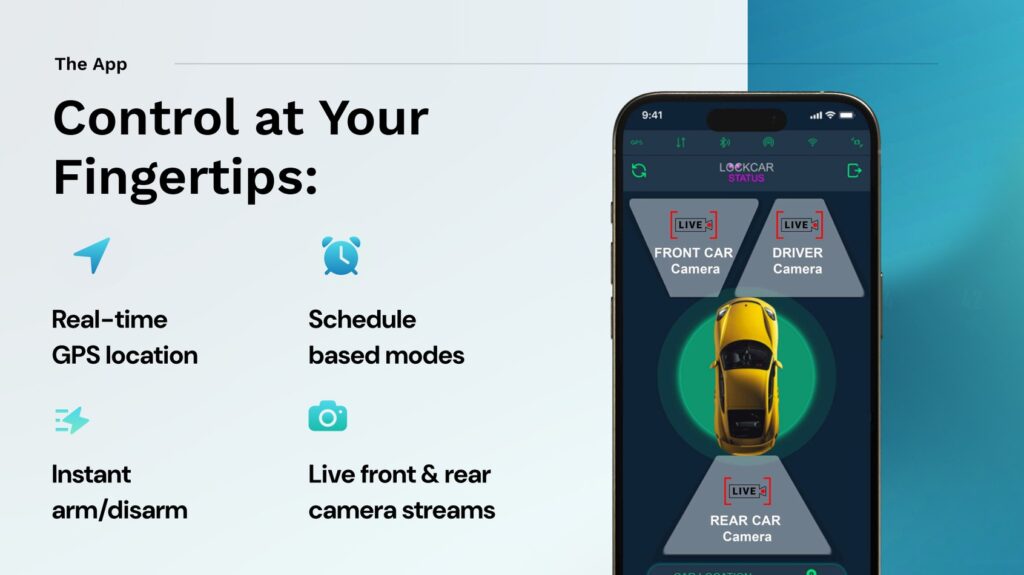
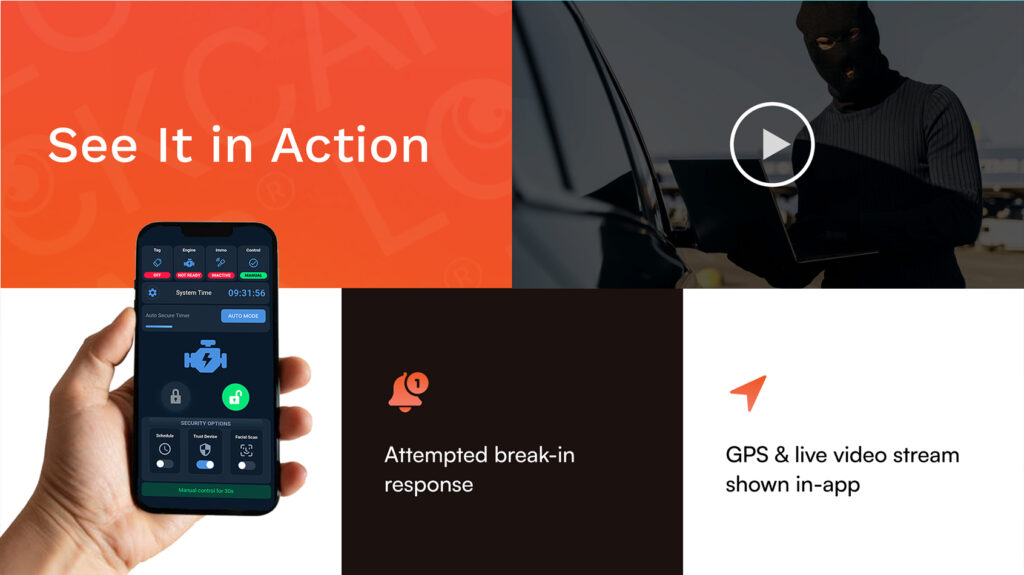
Real-time GPS tracking shows your vehicle’s exact location on a map at any time from the LockCar app. Movement alerts notify you immediately if the vehicle moves unexpectedly while parked. Live camera access lets you view the current feed without being present – if you receive a 2am movement alert, you can open the app and see what is happening around your vehicle right now.
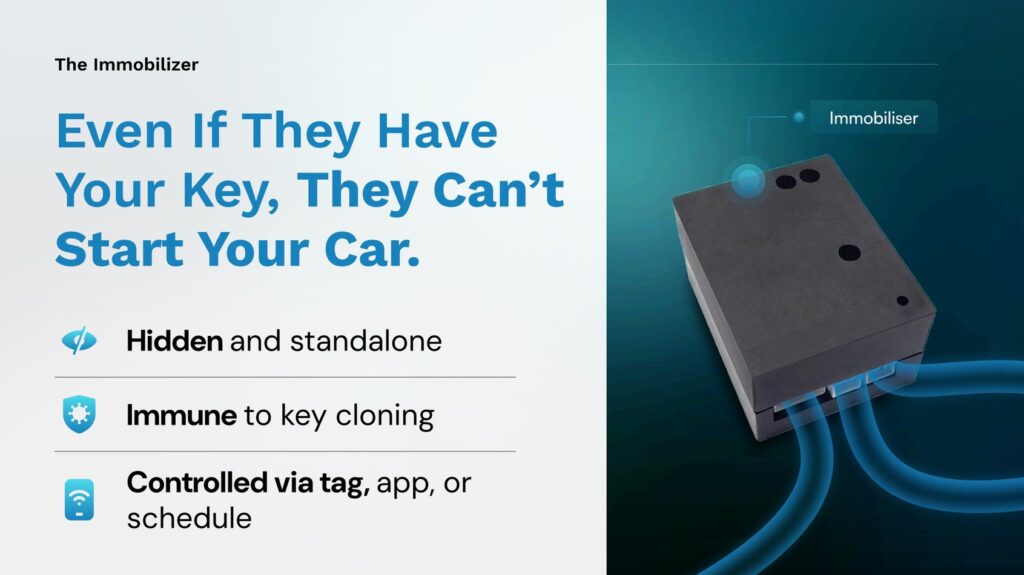
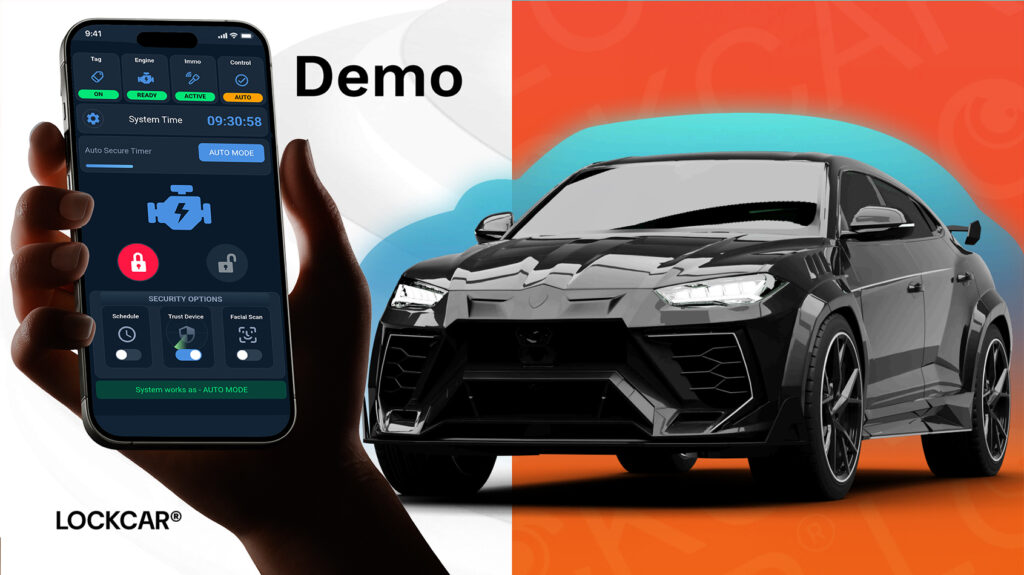
LockCar’s 4G dashcam systems integrate directly with the relay immobiliser, enabling remote immobilisation from the app if you identify a theft in progress. This capability – seeing the threat and stopping it remotely – is something no standard dashcam, and no standalone GPS tracker, can provide.
Standard dashcam footage is worthless if the dashcam is inside the stolen vehicle. LockCar 4G systems upload footage continuously – so even if the device is removed, every second of video before it went offline is already secured on the server and accessible from your app.
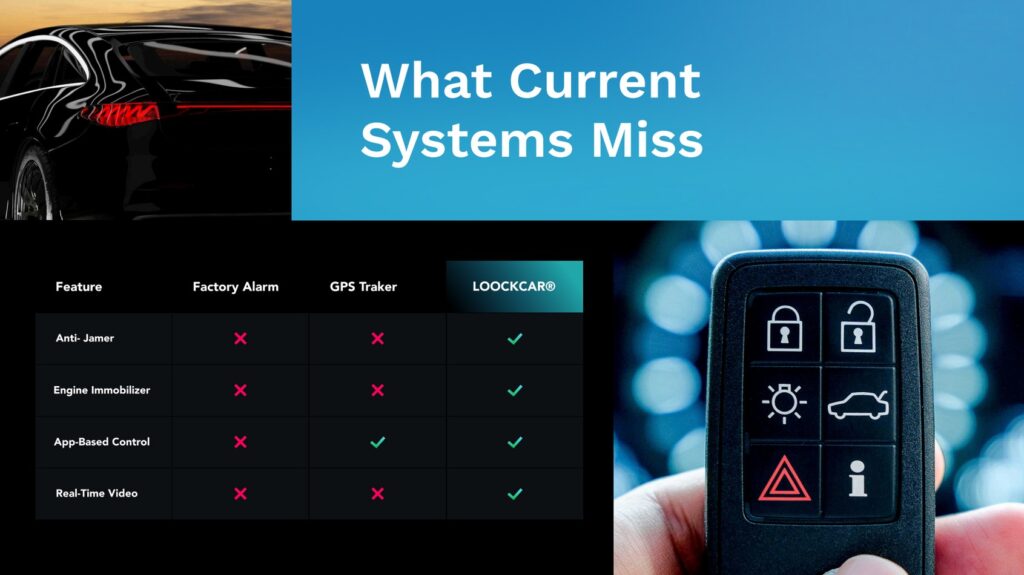
Feature comparison – side by side
Video storage: Standard dashcam – SD card only, lost if vehicle is stolen. LockCar 4G – cloud upload plus local SD, footage preserved regardless of what happens to the device.
Real-time alerts: Standard – none. LockCar 4G – immediate push notifications on motion, impact, or unauthorised movement.
GPS tracking: Standard – none. LockCar 4G – live GPS accessible from app at all times, with full position history.
Remote control: Standard – none. LockCar 4G – remote immobilisation directly from app, the most powerful individual theft response available.
Parking mode: Both support parking mode. LockCar 4G additionally streams alerts and footage in real time rather than recording only to a card.
Which type is right for your situation?
A standard dashcam is appropriate if your primary concern is accident documentation, your vehicle is not a high-theft target, and you park in a secure locked garage. For these situations a quality SD dashcam provides useful evidence at modest cost.
A 4G dashcam system is the right choice if you own a high-value vehicle – Land Rover, BMW, Toyota, Mercedes, or any model appearing in UK theft statistics. It is also right if you park on a driveway or street, operate a commercial vehicle, or simply want to know where your vehicle is and what is happening around it at any time of day or night.
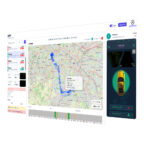
For business owners and fleet operators, the case for 4G is overwhelming. A fleet equipped with LockCar 4G systems and connected to the Fleet Monitoring Platform gives complete real-time visibility of every vehicle’s location, camera feed, and immobilisation state from a single dashboard – simply impossible with standard dashcams.
Why LockCar combines the dashcam with an immobiliser
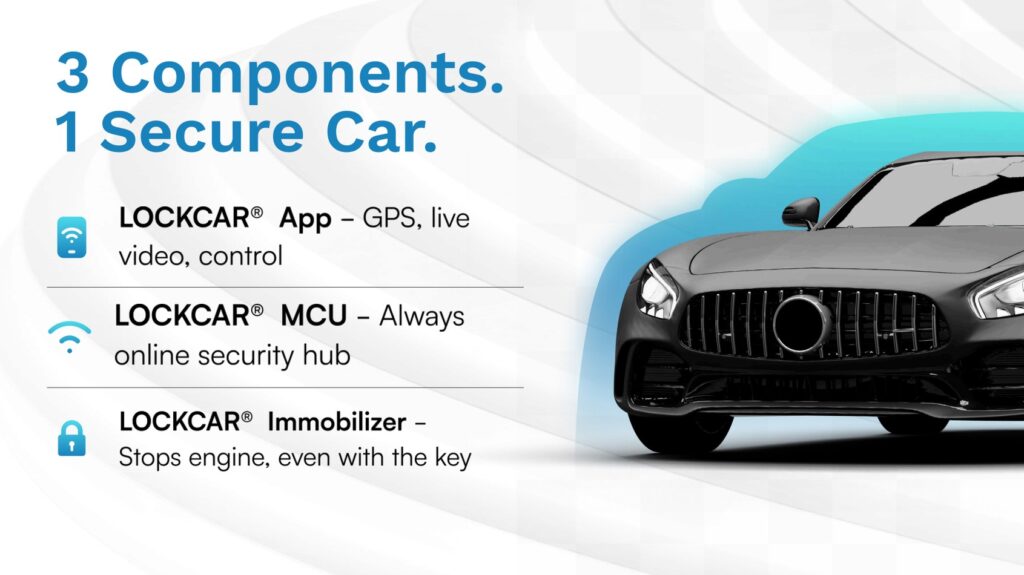
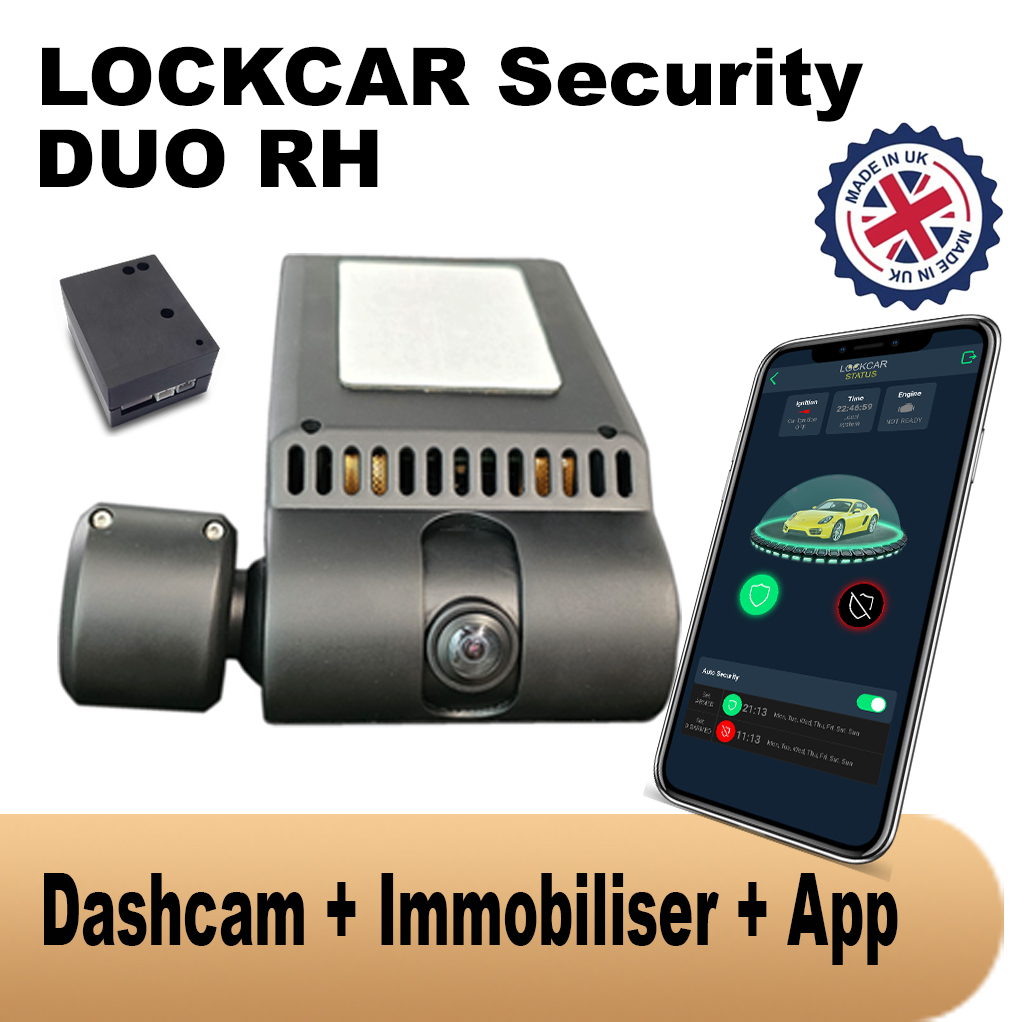
LockCar’s core design principle is that a camera without a physical deterrent is a recording device, not a security device. Every LockCar dashcam system – from the entry LockCar ONE to the premium Duo RH Plus – integrates a hardwired relay immobiliser alongside the camera unit. The camera and immobiliser are installed as a single system, with shared power management, shared 4G connectivity on applicable models, and shared control through the LockCar app.
The result: your dashcam not only records and streams what happens around your vehicle – it actively prevents the vehicle from being started without your permission. The camera sees the threat; the immobiliser stops it. No competitor combines both functions at this level of integration in a UK-manufactured, professionally fitted product.
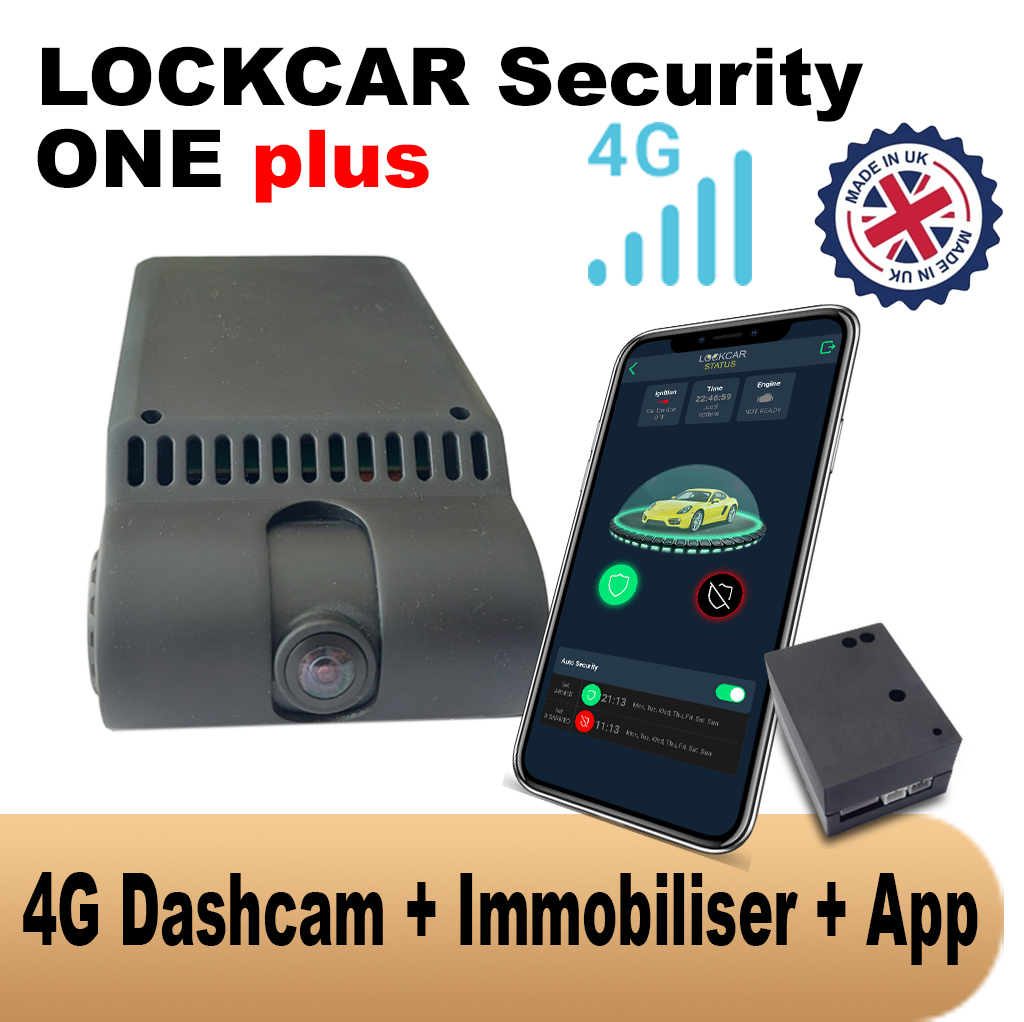
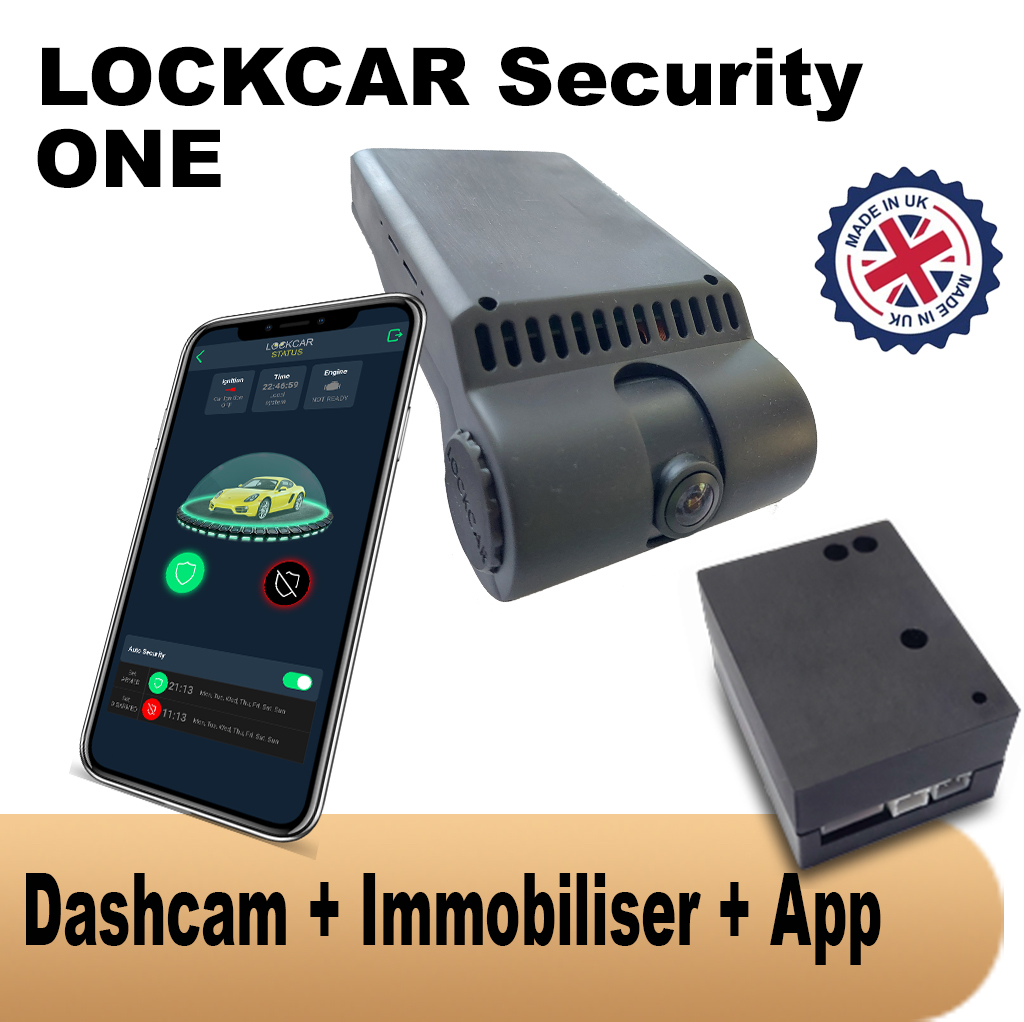
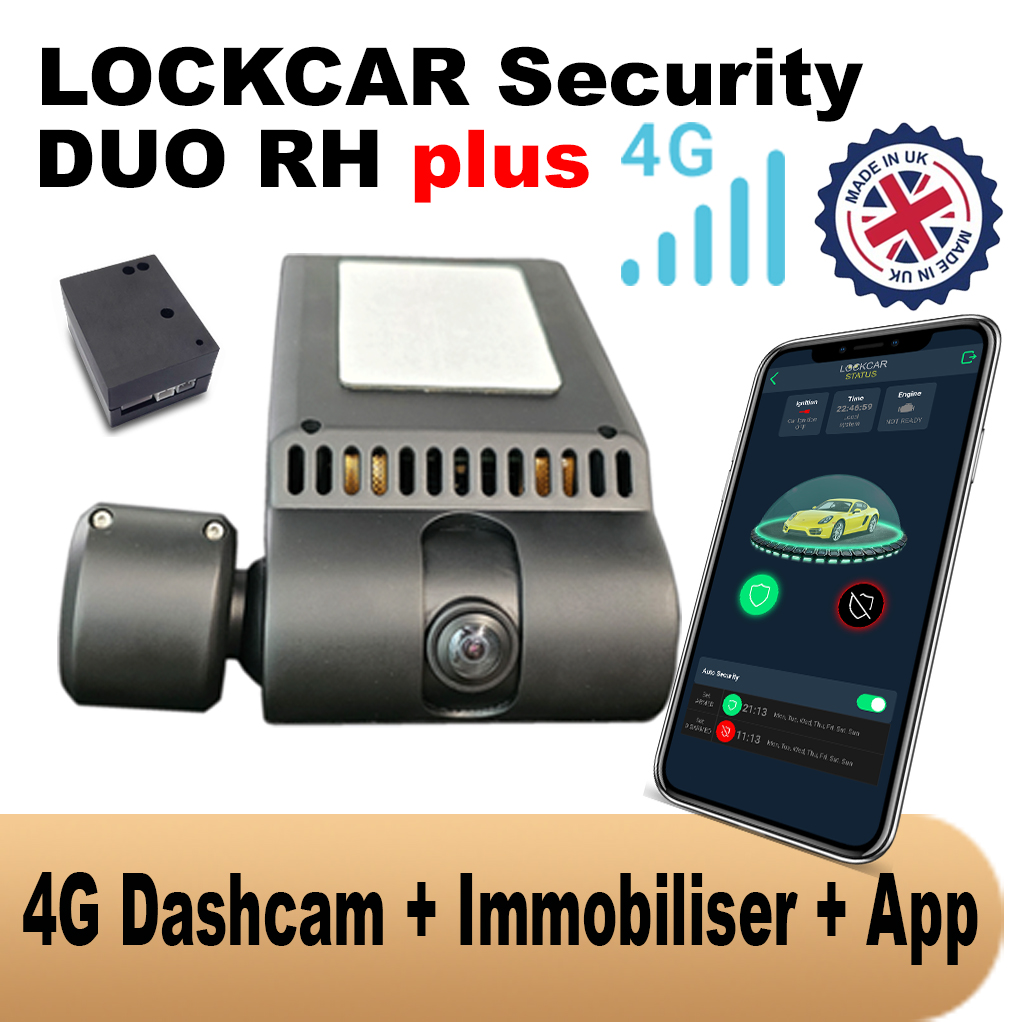
LockCar 4G dashcam range
4G dashcams for UK fleet operators
For businesses managing multiple vehicles, LockCar’s 4G dashcam systems connect directly to the LockCar Fleet Monitoring Platform (LFM). The LFM dashboard centralises real-time GPS location, camera feeds, immobilisation status, trip history, and driver behaviour data for every vehicle in the fleet. Fleet managers can view any camera feed, trigger remote immobilisation, review historical routes, and receive automated alerts for harsh braking, speeding, or unauthorised movement – all from one interface.
The LFM is available as both a web dashboard and the dedicated LFM iOS App. Contact LockCar for fleet pricing on five or more vehicles.
Does a LockCar 4G dashcam require a monthly subscription?
The LockCar ONE uses local SD storage with no monthly subscription. 4G-connected models (One Plus, Duo RH Plus, Duo LH Plus) require a data SIM for their 4G functionality. Contact us for current data plan options available with each system.
What happens to 4G footage if there is no mobile signal?
LockCar 4G systems include local SD storage as a fallback. If 4G is temporarily unavailable, footage continues recording locally and syncs when connectivity is restored. Critical alert events are queued for upload as soon as signal returns.
Can I view my car’s live camera from abroad?
Yes. The LockCar app works over any internet connection worldwide. As long as the vehicle has 4G coverage, you can view the live camera feed and GPS location from anywhere in the world.
Is the Duo RH suitable for a taxi or private hire vehicle?
Yes. The Duo RH and Duo RH Plus are designed for applications requiring both forward and driver/interior monitoring simultaneously. The dual-camera setup meets common private hire licensing requirements for in-vehicle camera systems.
Get your 4G dashcam fitted today
All vehicles · Mobile installation · UK-wide · Same-day available
WhatsApp to book → Call usUK-wide